One of the most common questions buyers and sellers ask is simple but important: Does the age of the house affect its value? The answer is rarely absolute. Age plays a role, but the direction of that influence depends on condition, updates, architecture, location, and buyer expectations. In a diverse and established market like Arlington, VA, where neighborhoods feature a range of homes from early twentieth-century to new construction, understanding how age relates to value becomes especially meaningful.
Age can be an asset, a challenge, or a neutral characteristic depending on how the home has been maintained and how well it fits today’s living patterns. By exploring the nuances of aging homes, newer builds, and everything in between, buyers and sellers can make clearer decisions and evaluate properties more effectively.
Age can be an asset, a challenge, or a neutral characteristic depending on how the home has been maintained and how well it fits today’s living patterns. By exploring the nuances of aging homes, newer builds, and everything in between, buyers and sellers can make clearer decisions and evaluate properties more effectively.
How Buyers View Older Homes
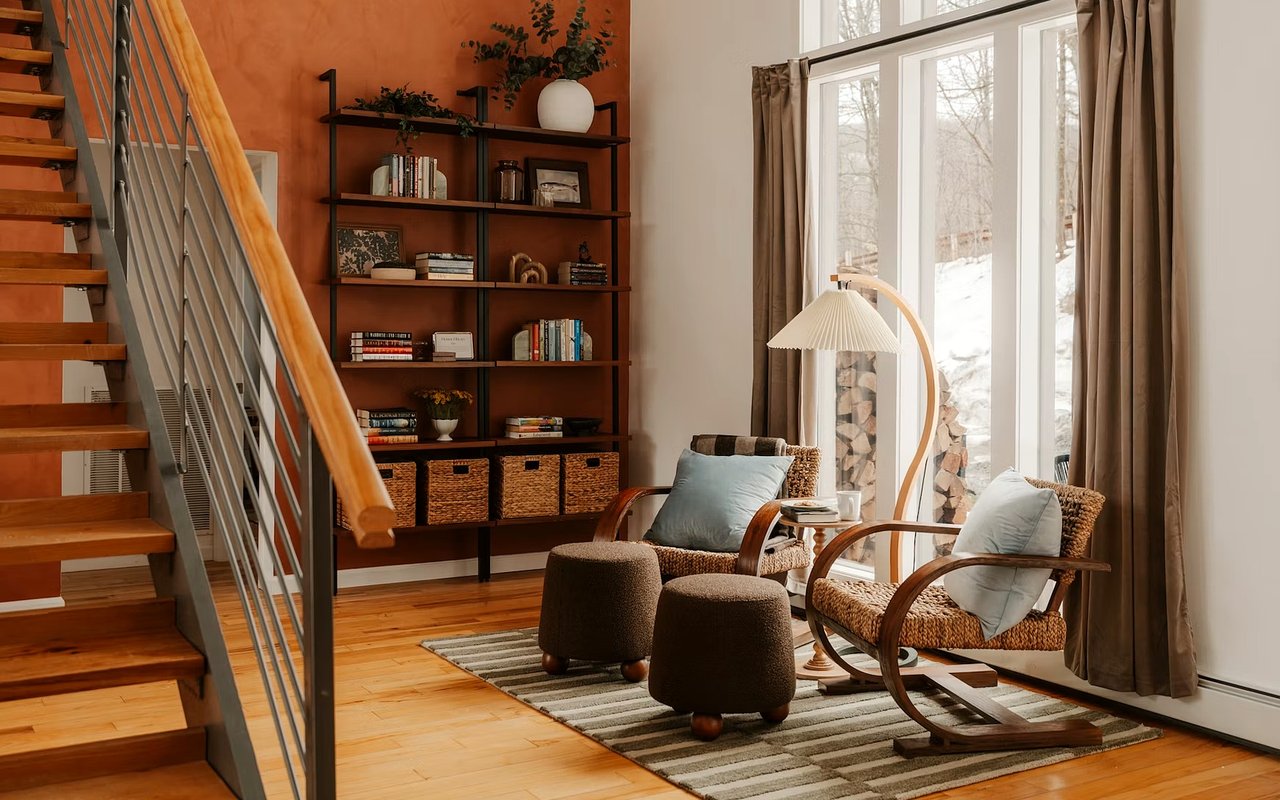
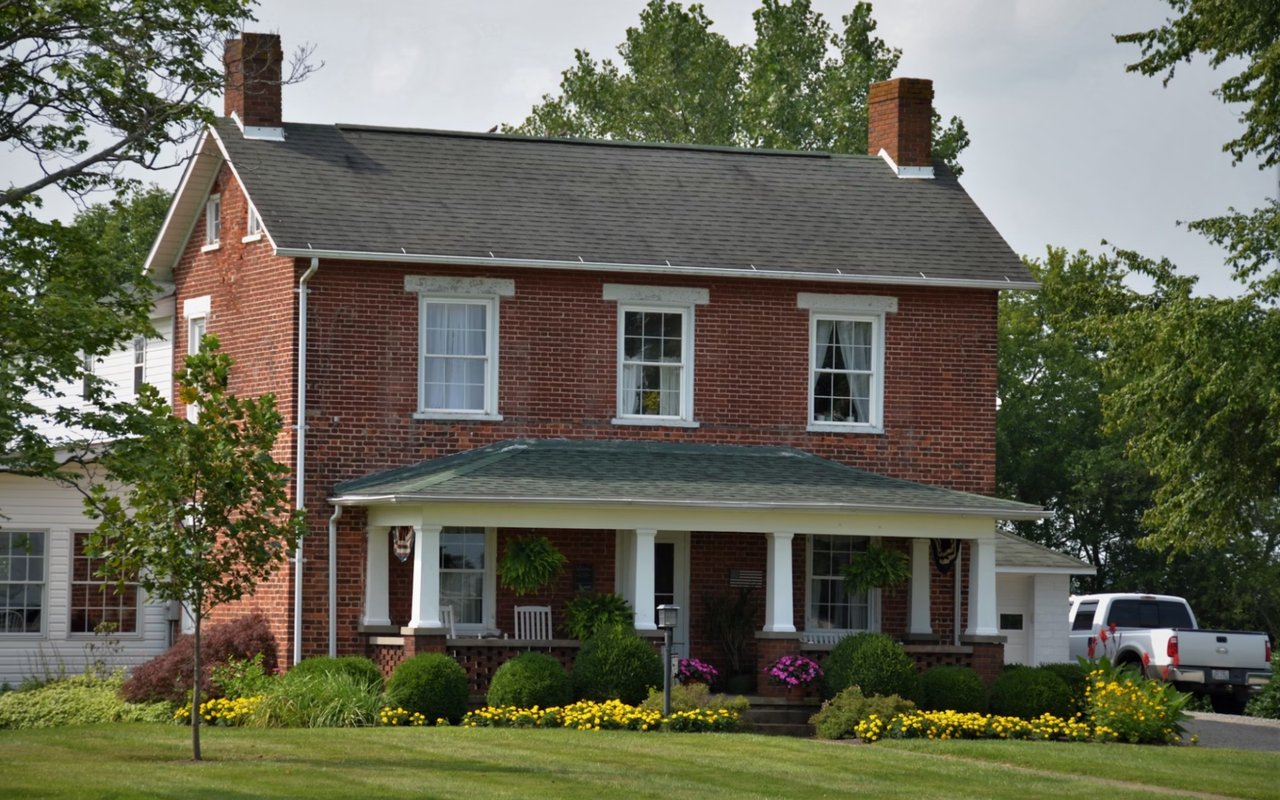
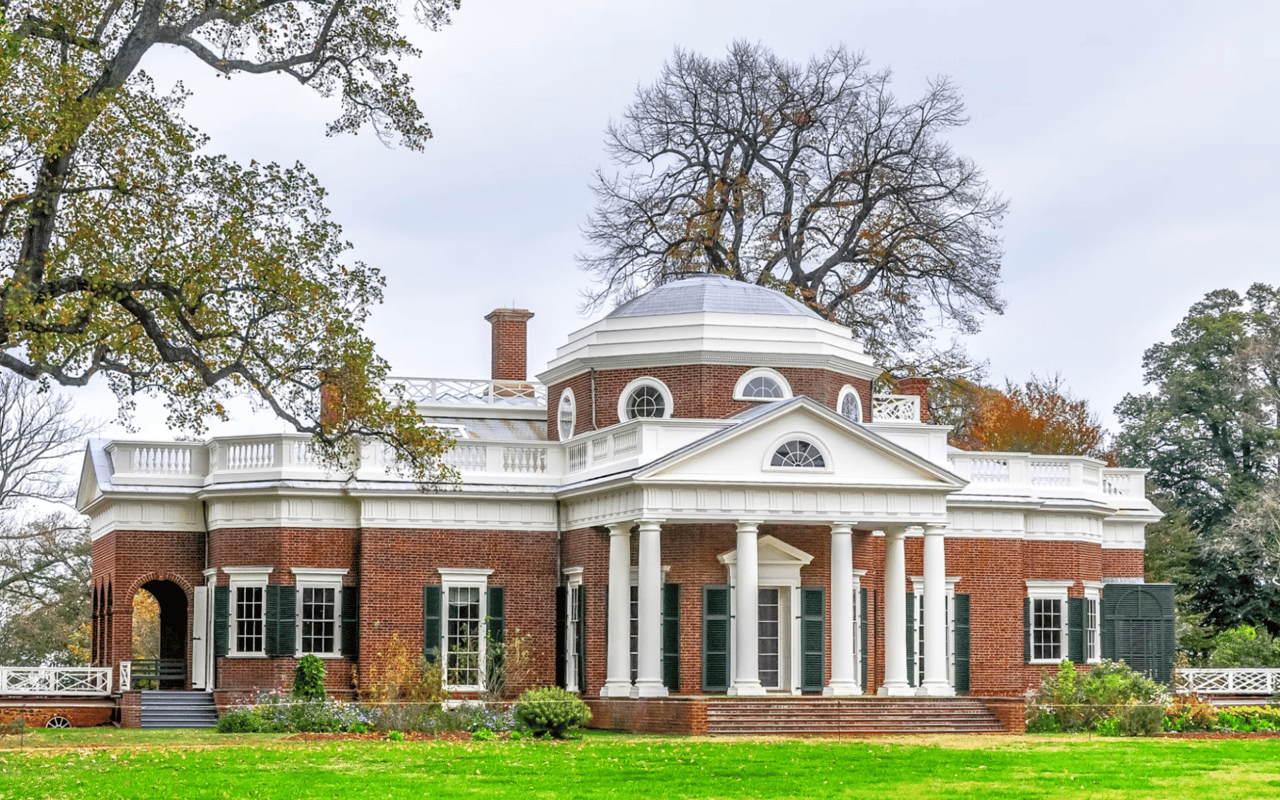
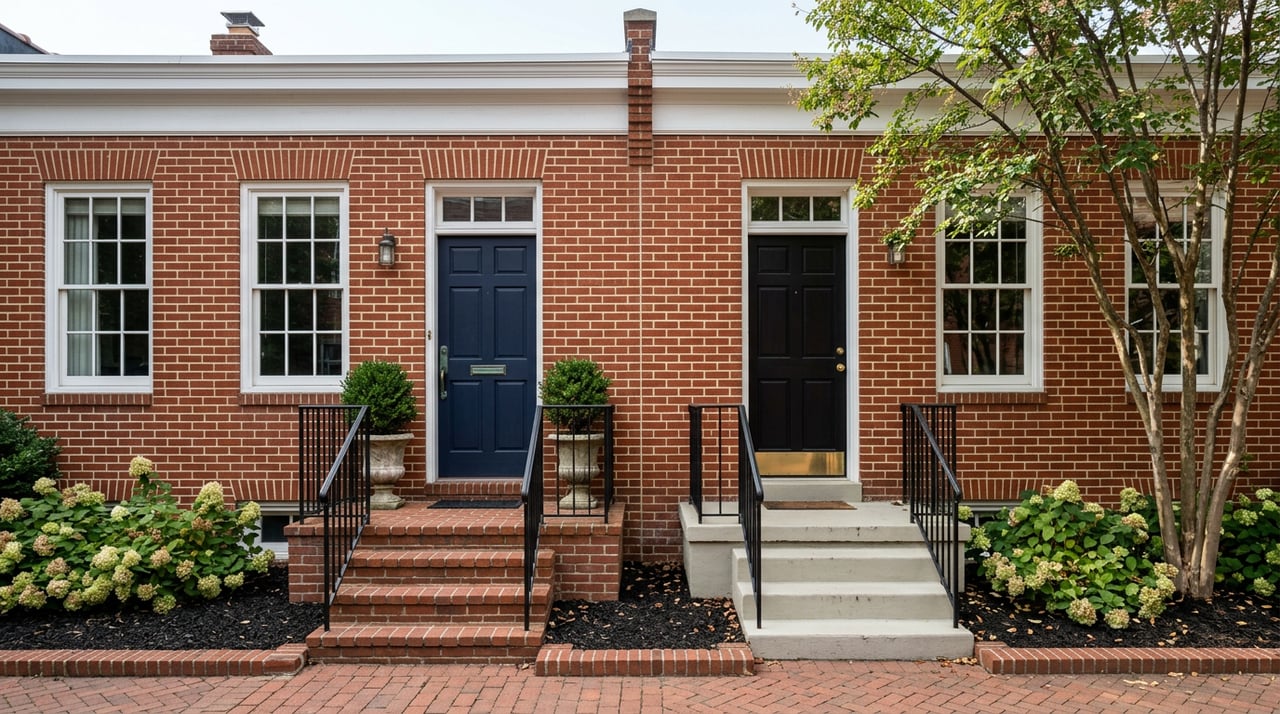
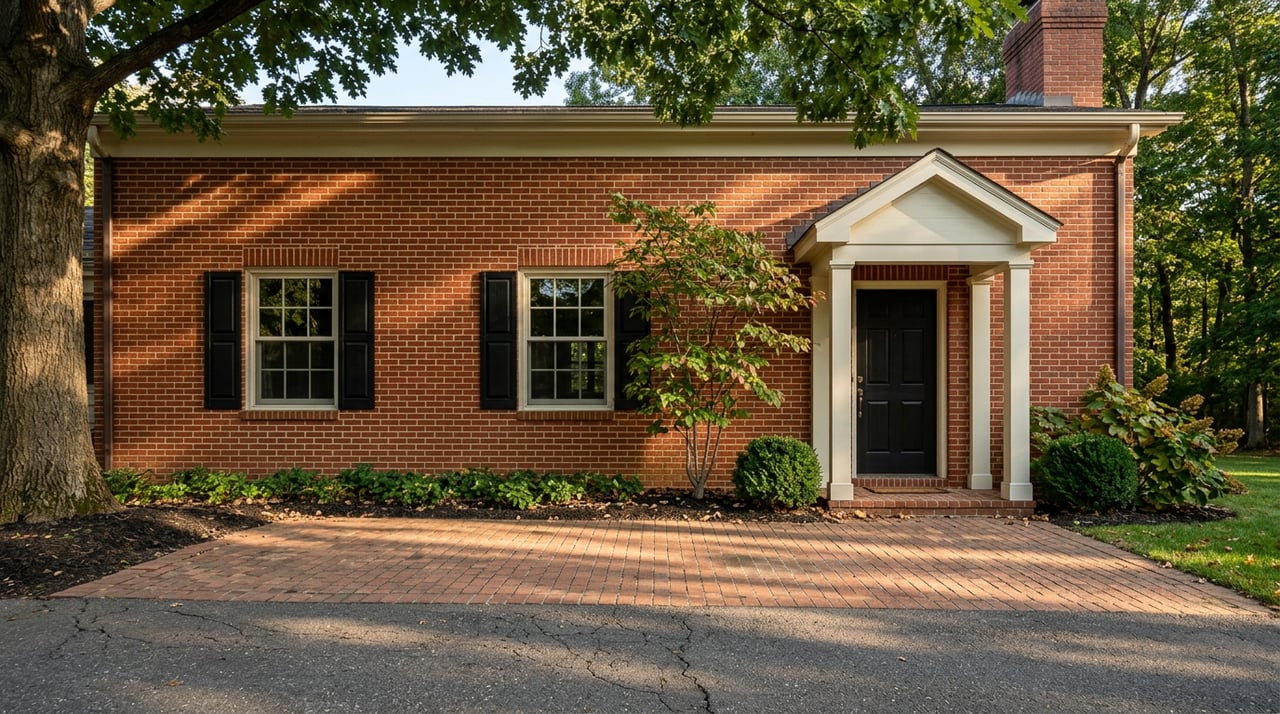
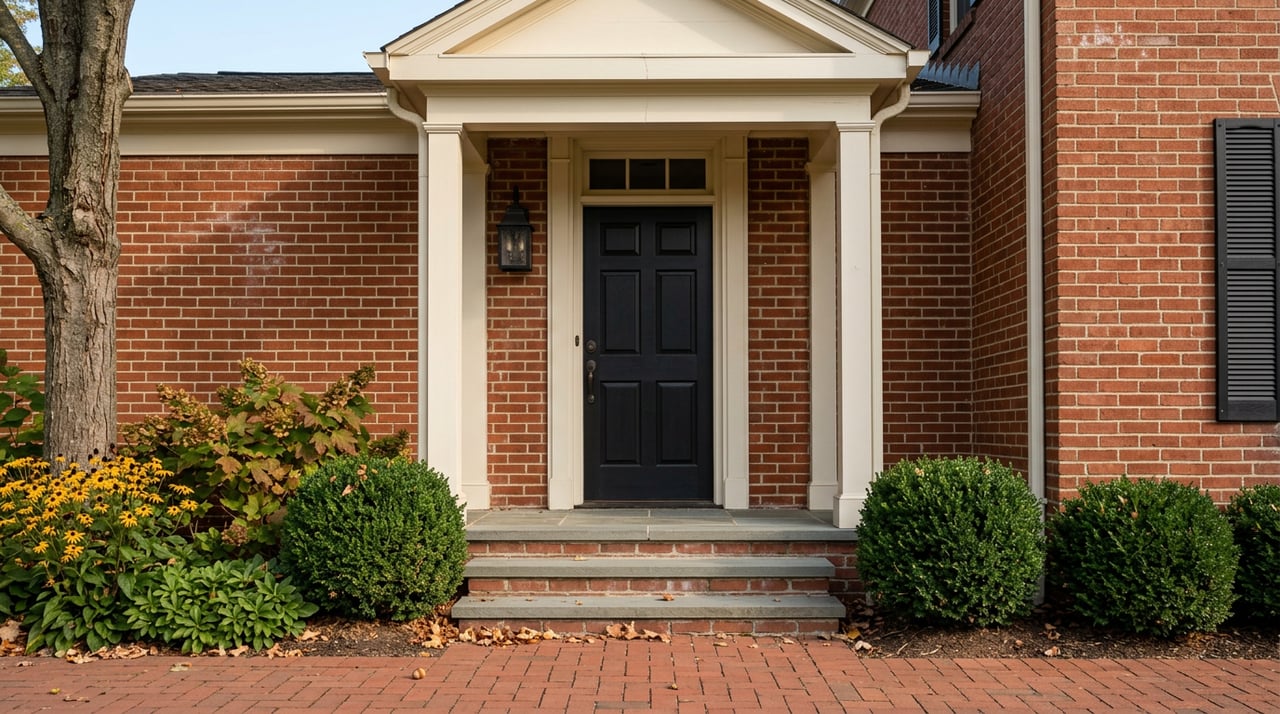
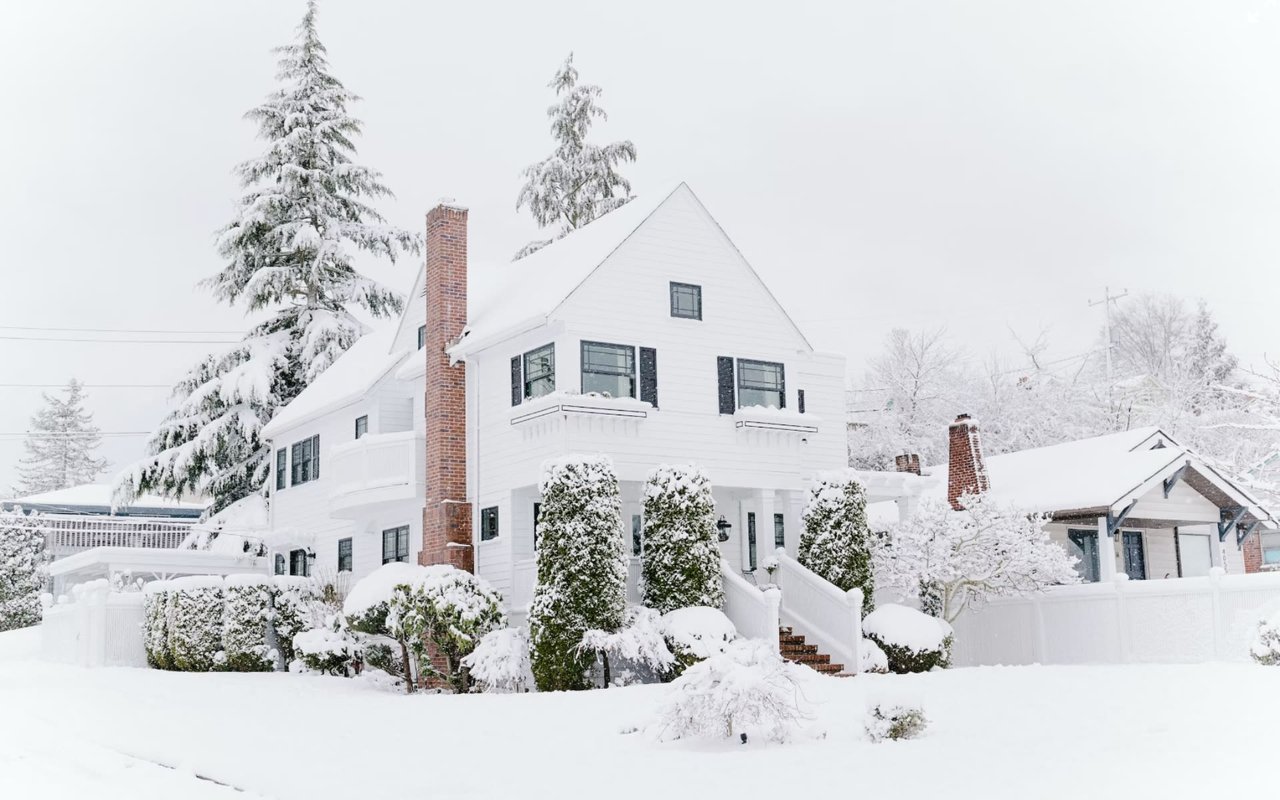
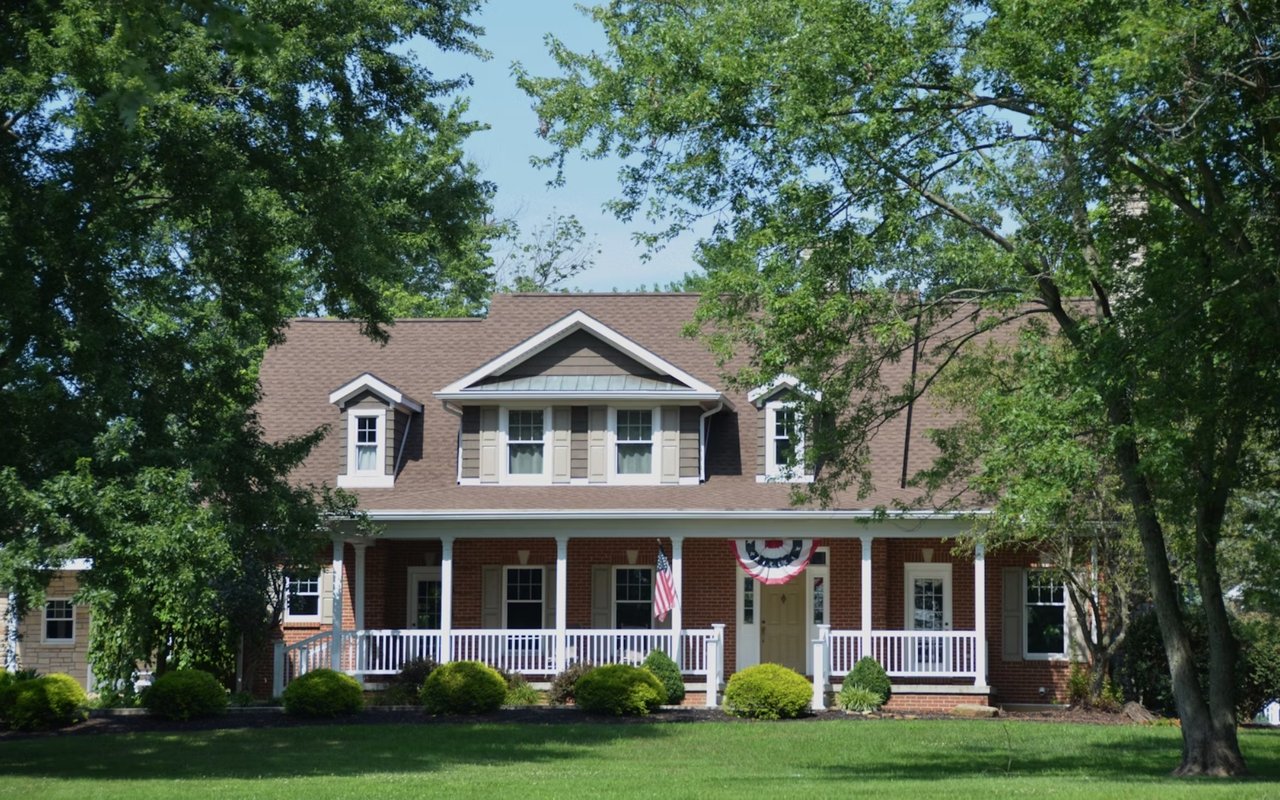
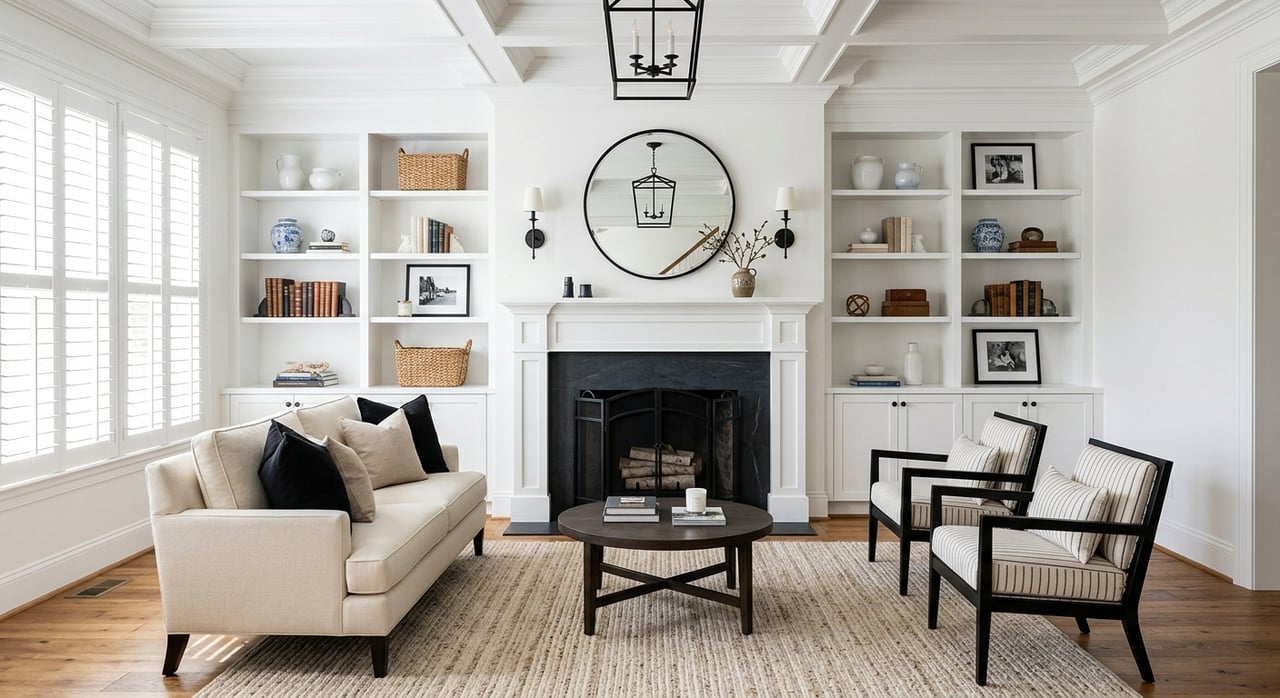
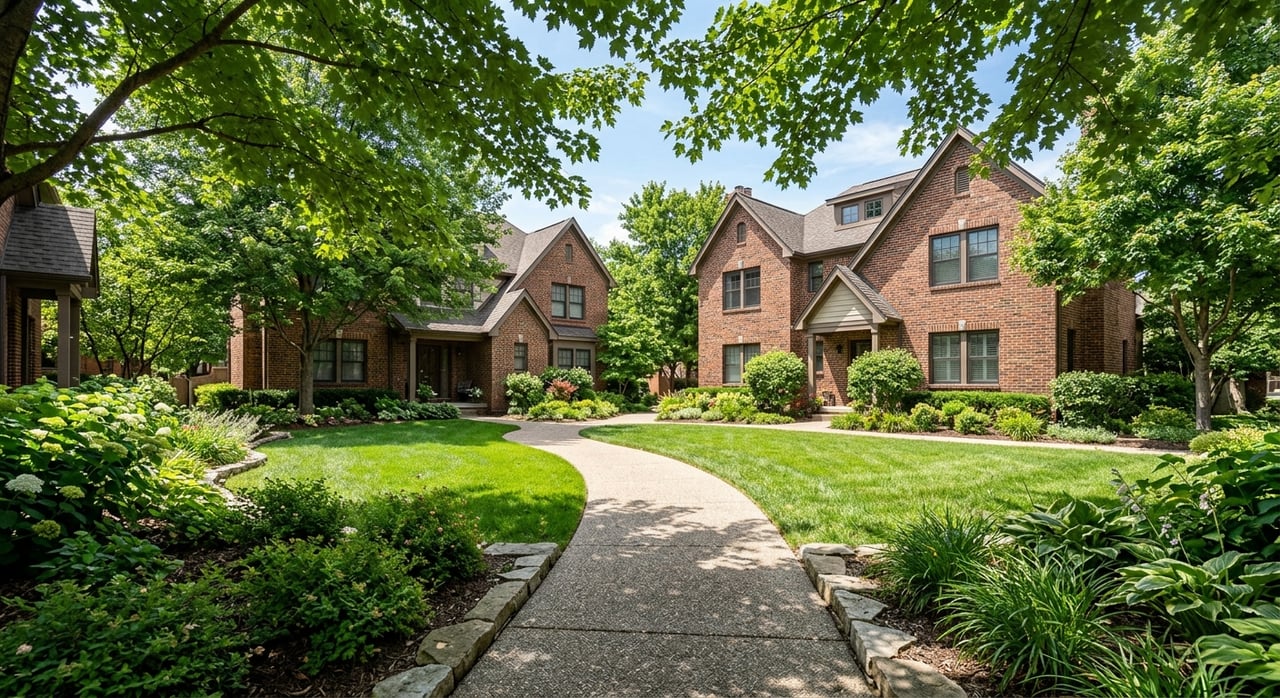
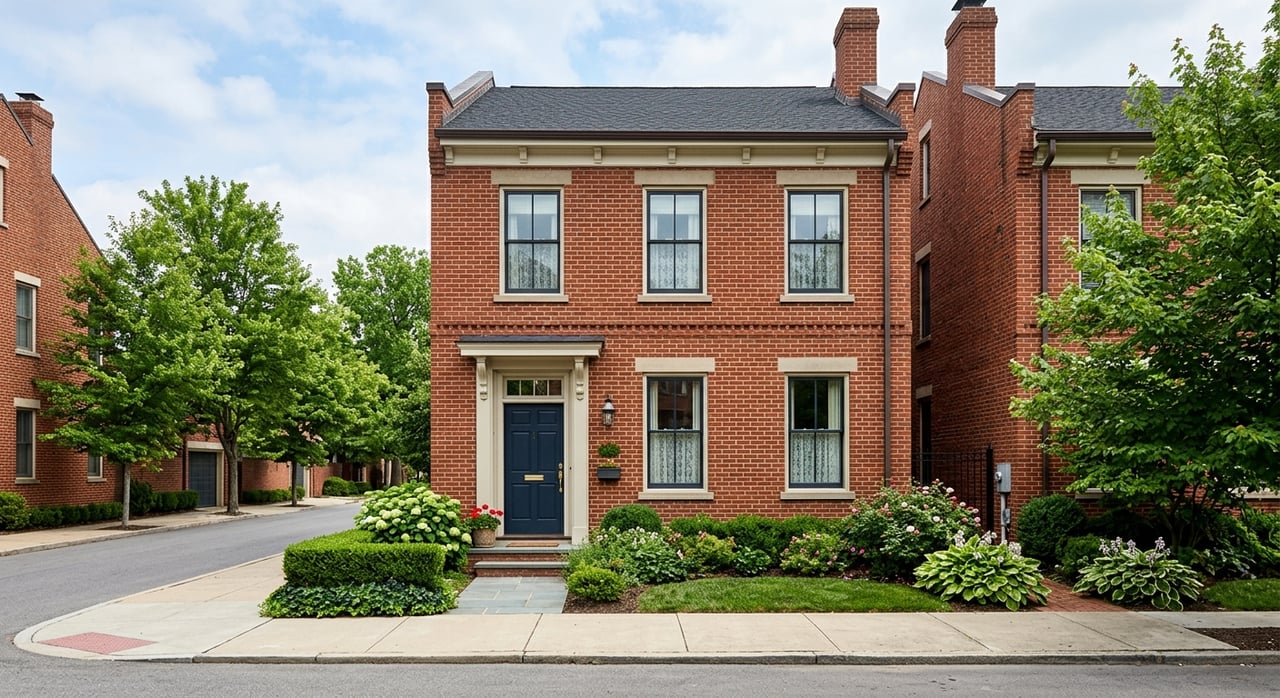
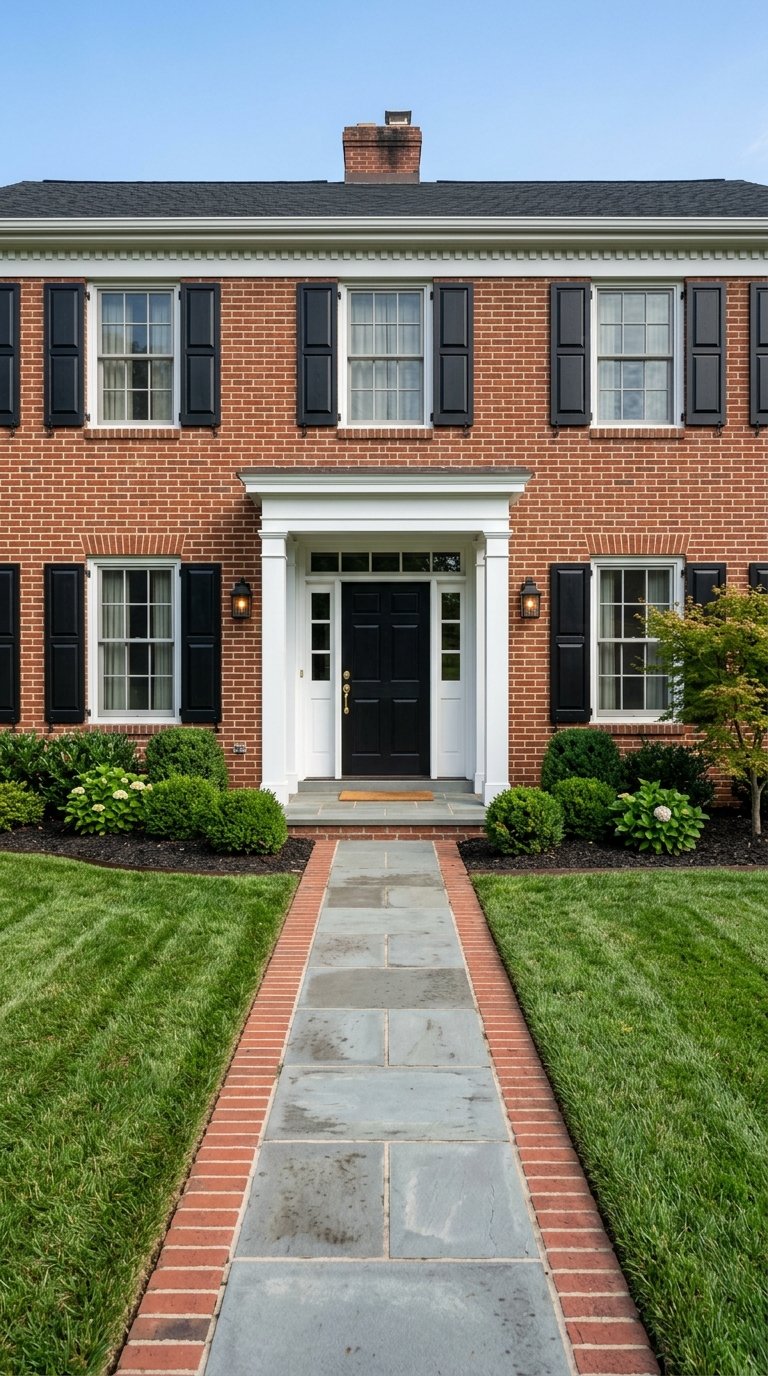
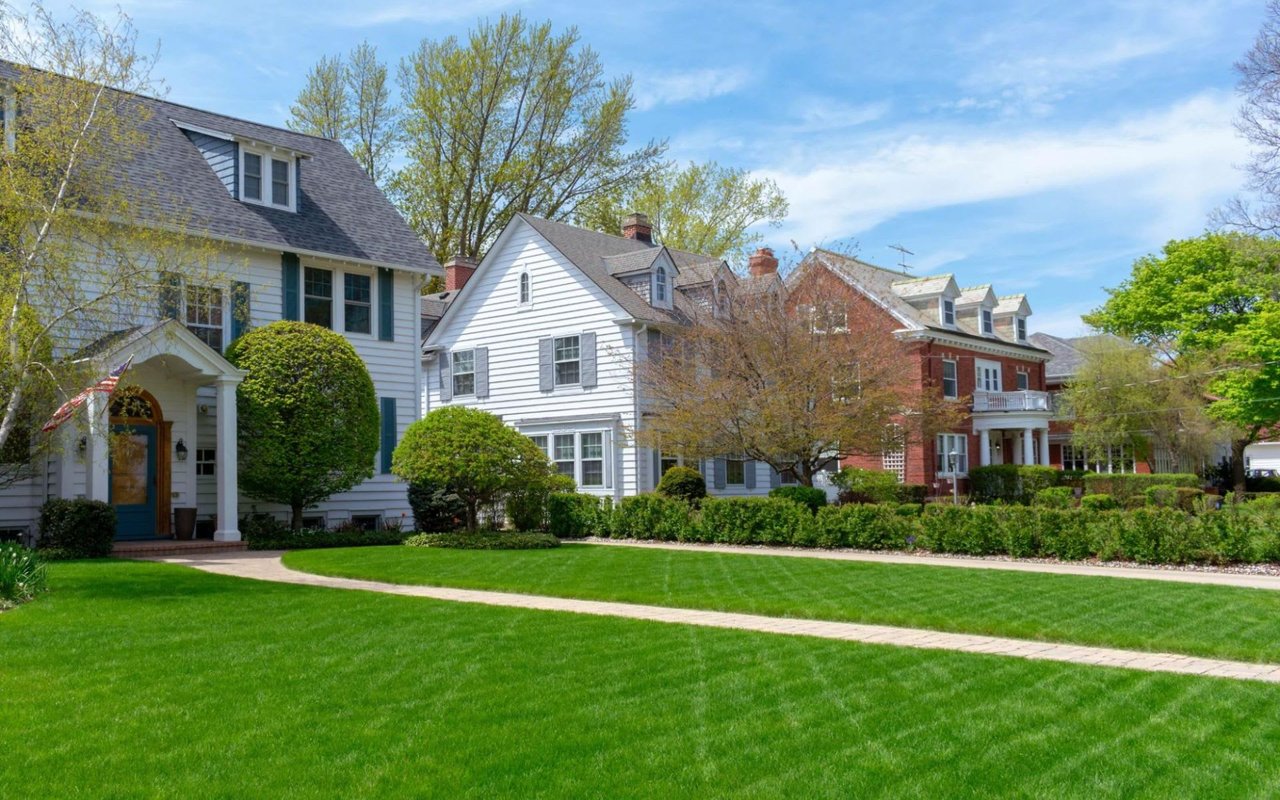
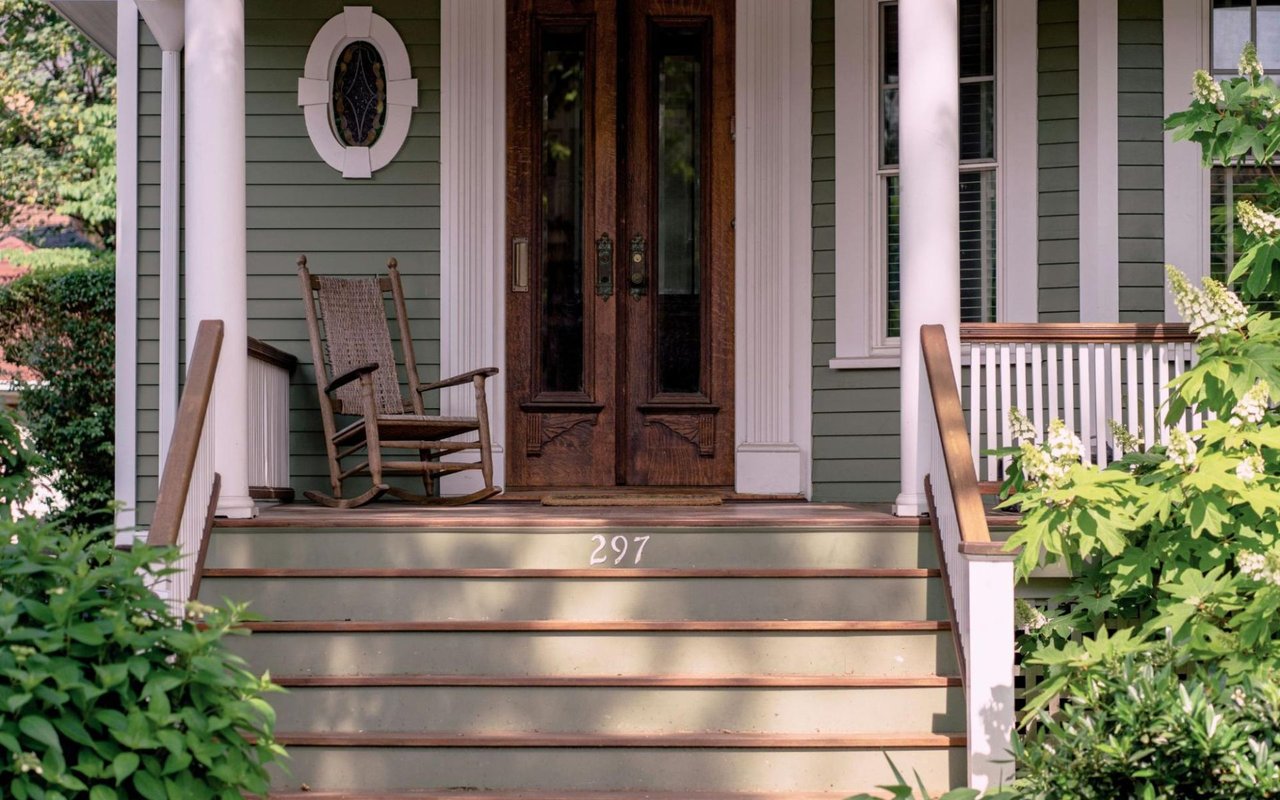
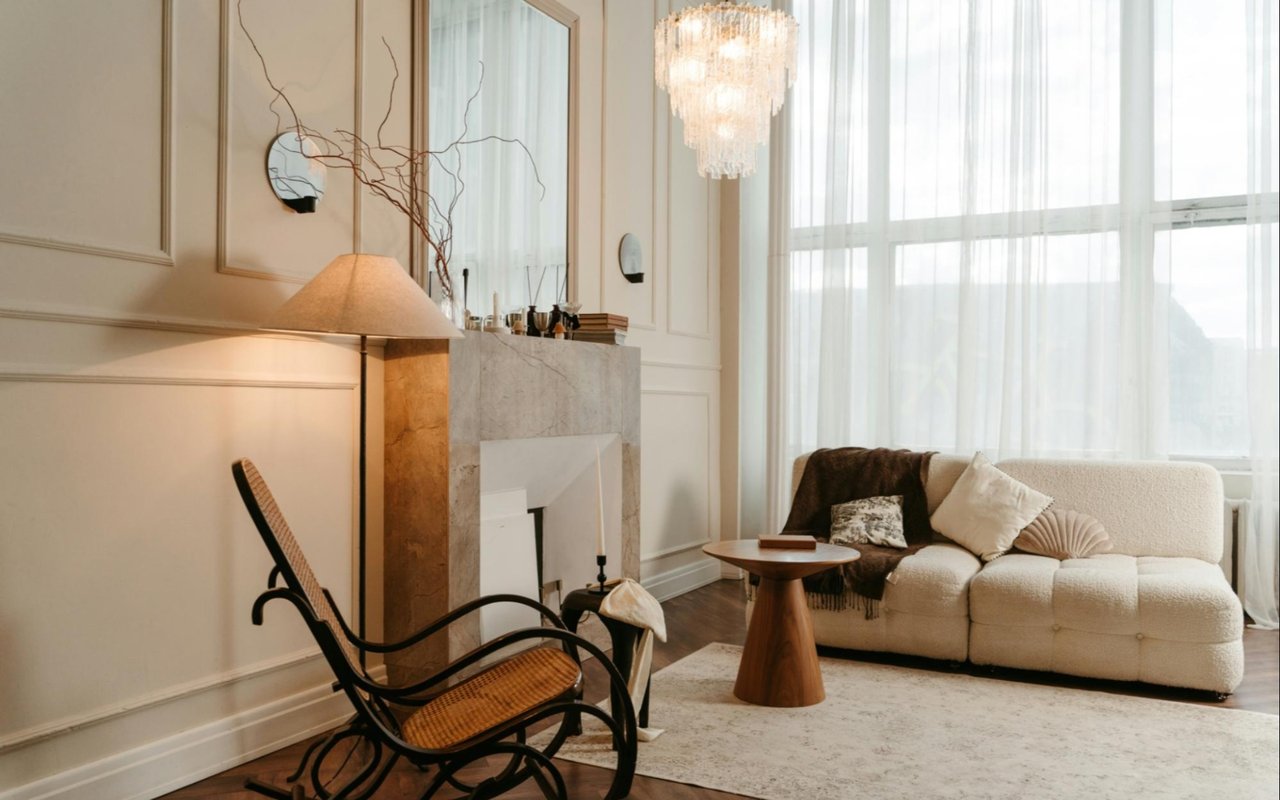
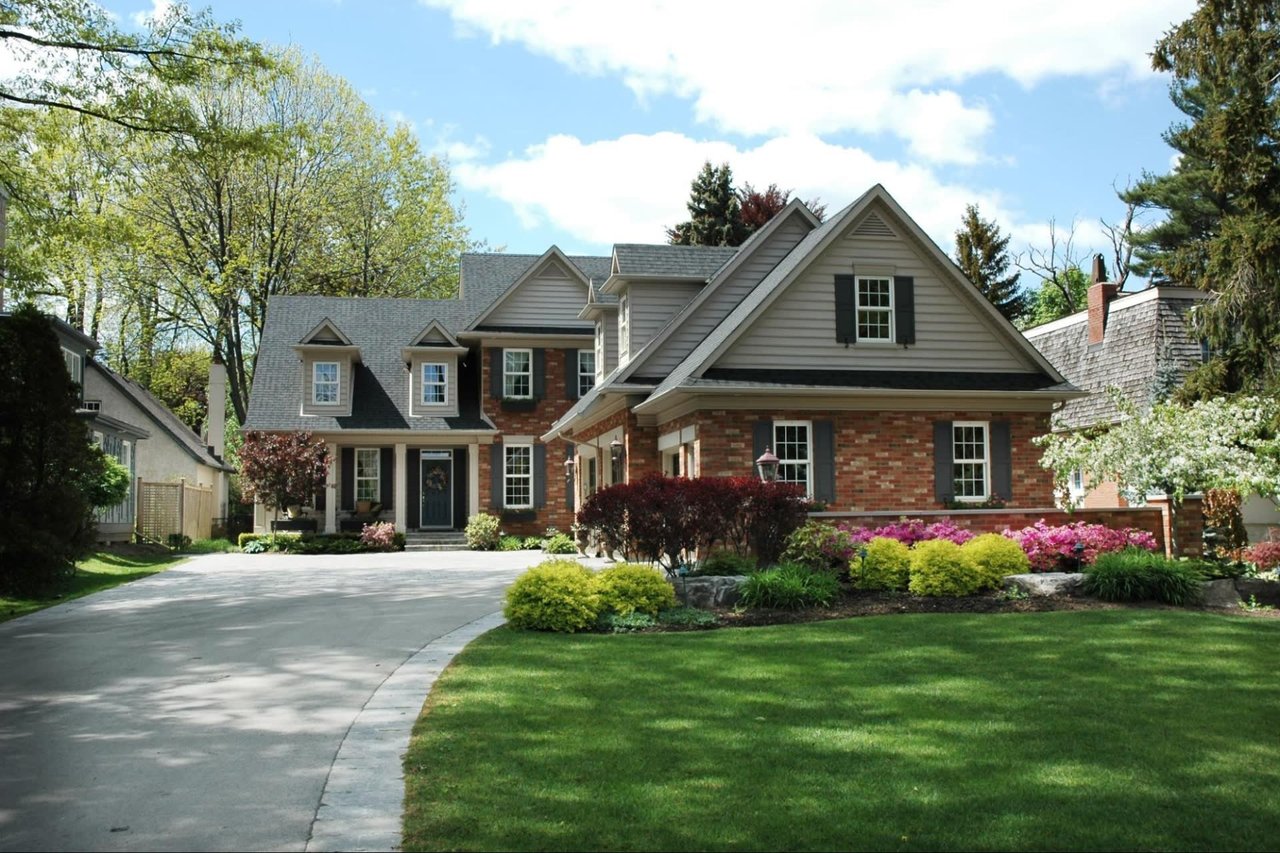
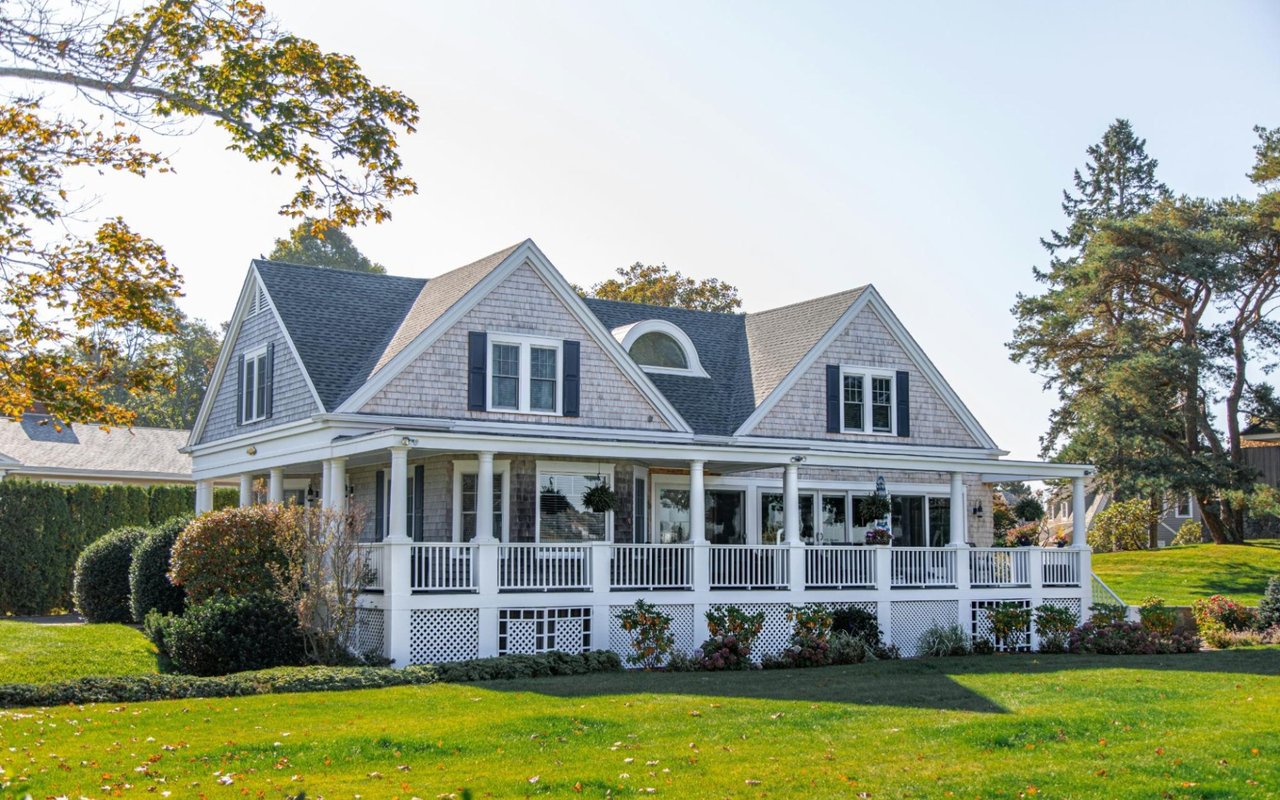
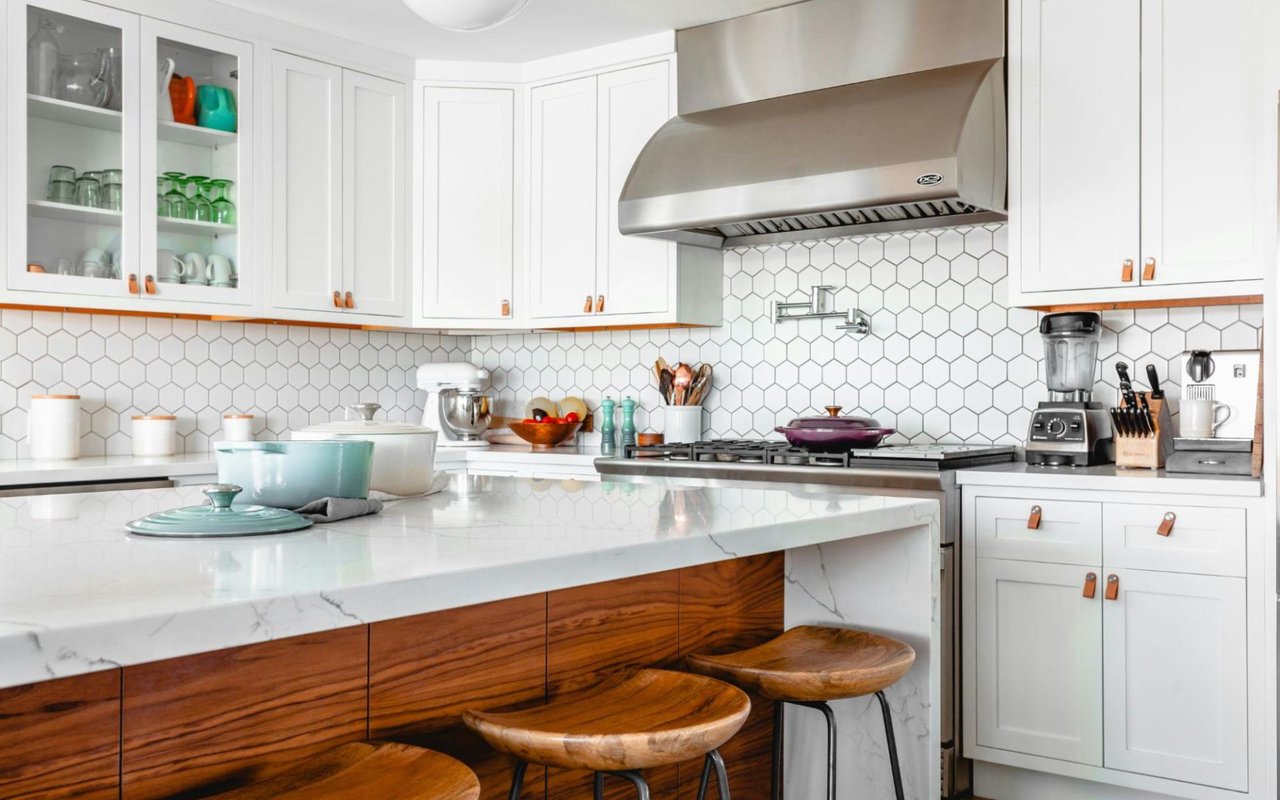
Older homes in Arlington often carry distinct architectural details, mature landscaping, and locations close to transit, parks, and established community amenities. These characteristics can appeal to buyers who value charm, craftsmanship, and walkability. For many, the appeal lies in design features that are difficult to replicate today, such as detailed trim, original hardwood floors, thoughtful room proportions, and sturdy materials.
At the same time, older homes may require updates to systems, insulation, or layout to match modern expectations. Kitchens and bathrooms may need renovation, electrical and plumbing may require attention, and energy efficiency can vary widely. Buyers aware of these needs usually evaluate whether the home’s condition aligns with its price.
At the same time, older homes may require updates to systems, insulation, or layout to match modern expectations. Kitchens and bathrooms may need renovation, electrical and plumbing may require attention, and energy efficiency can vary widely. Buyers aware of these needs usually evaluate whether the home’s condition aligns with its price.
What Makes Newer Homes Attractive
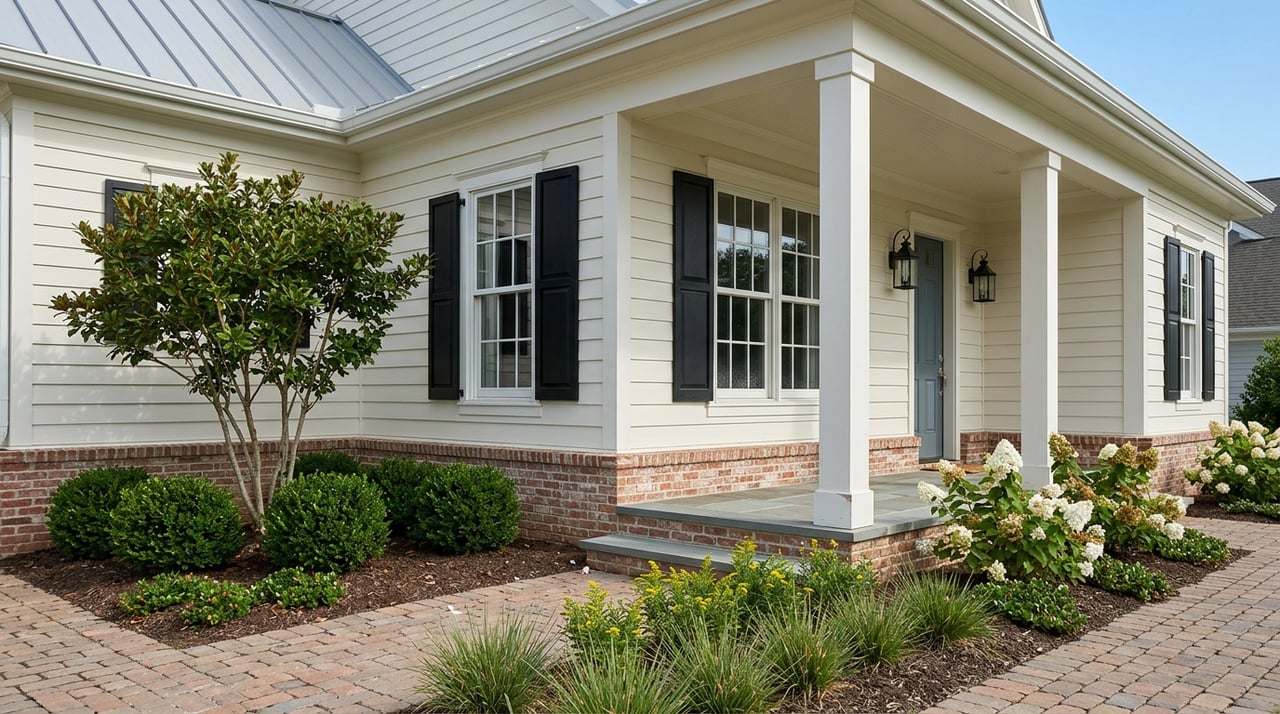
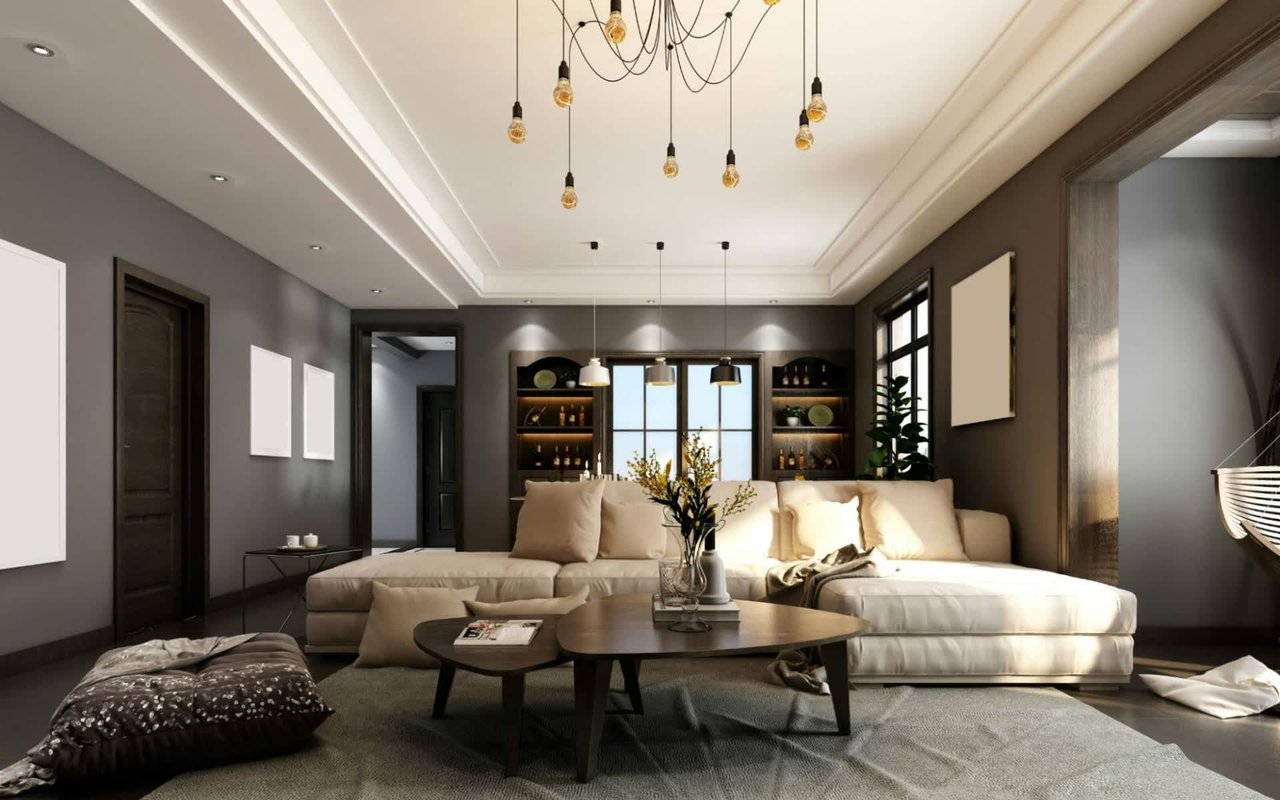
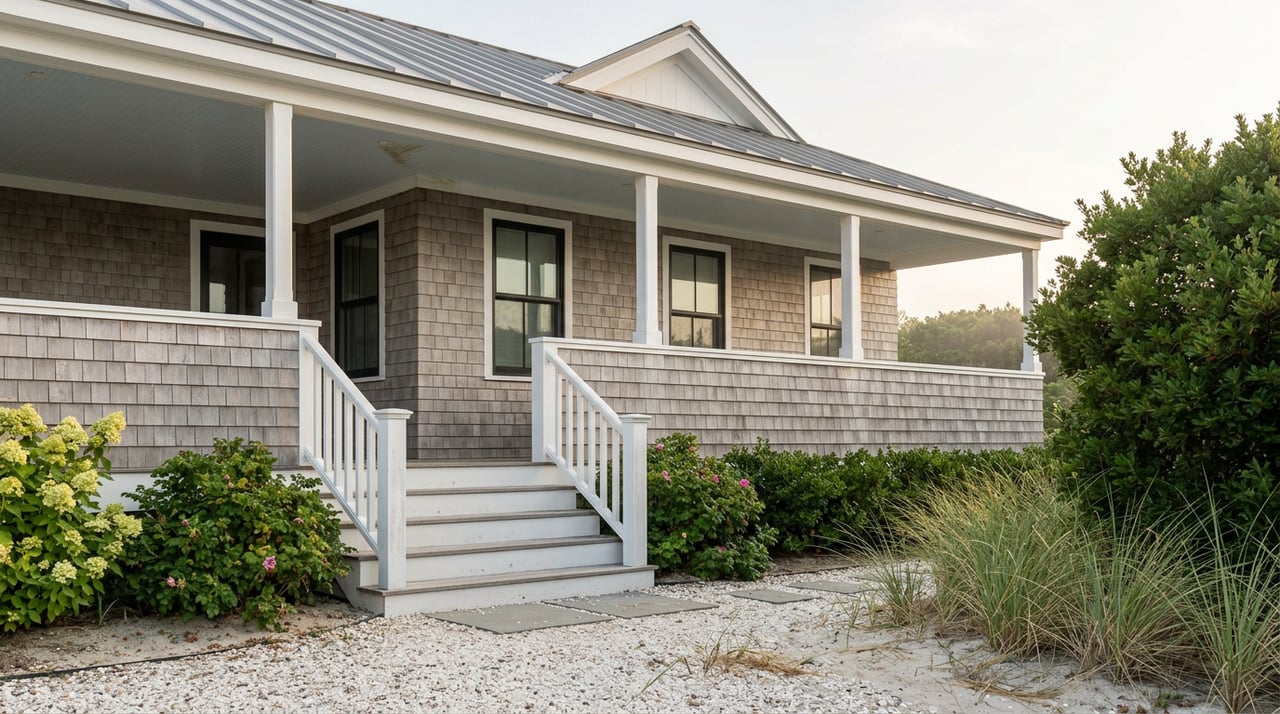
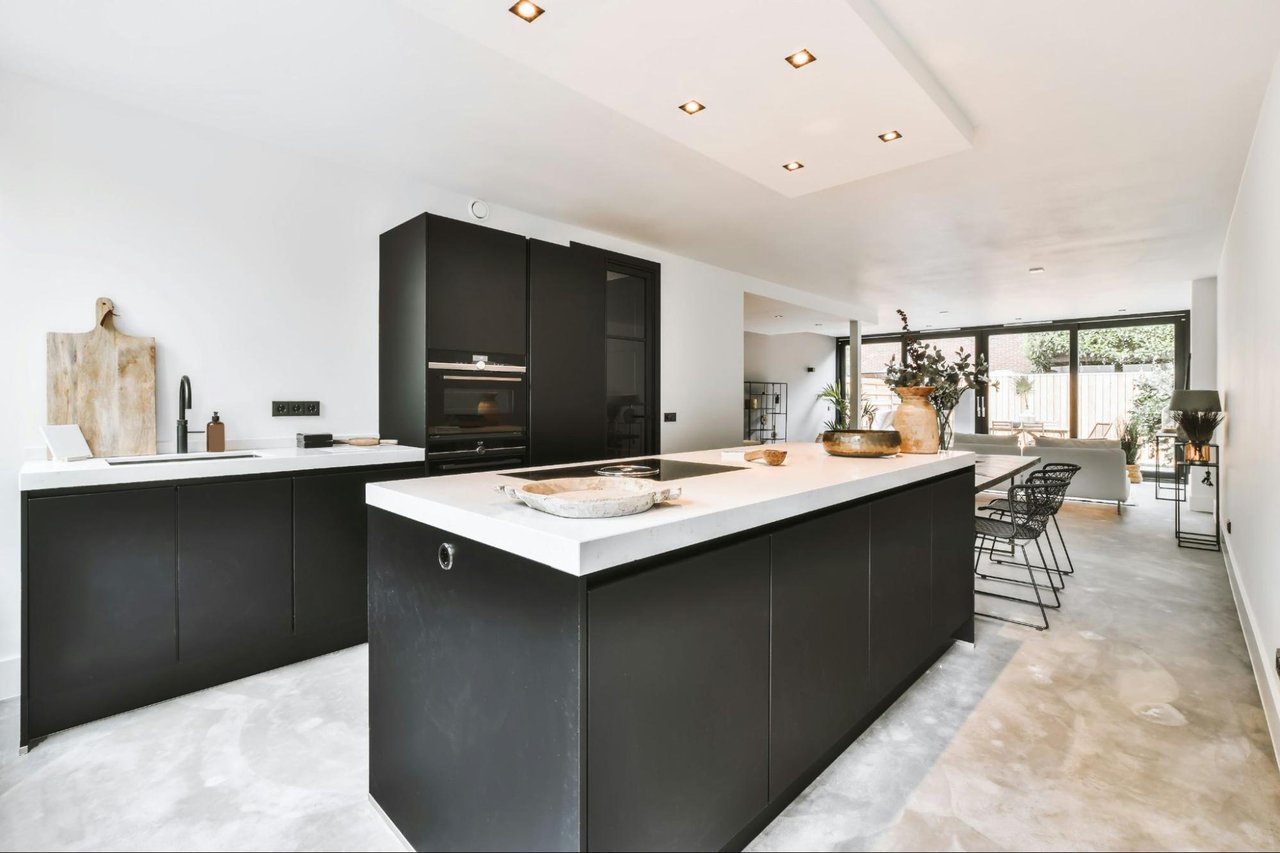
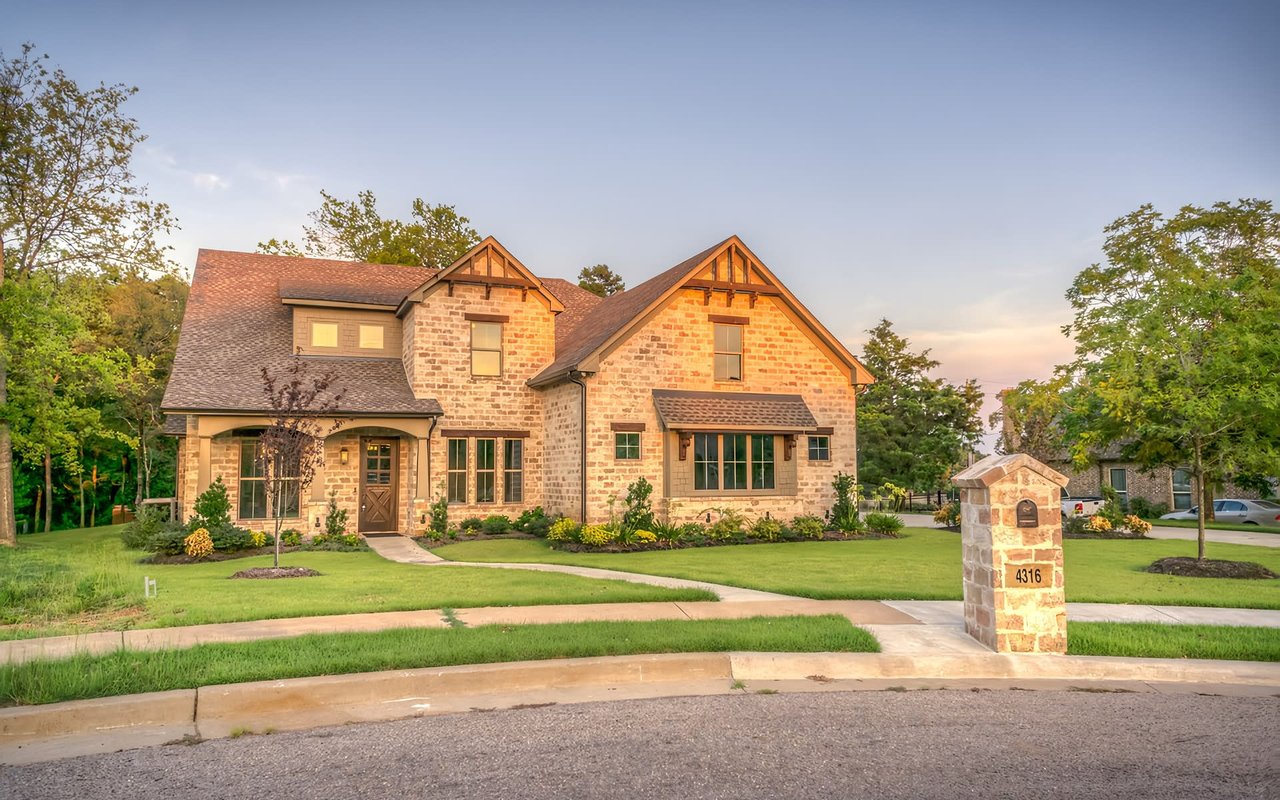
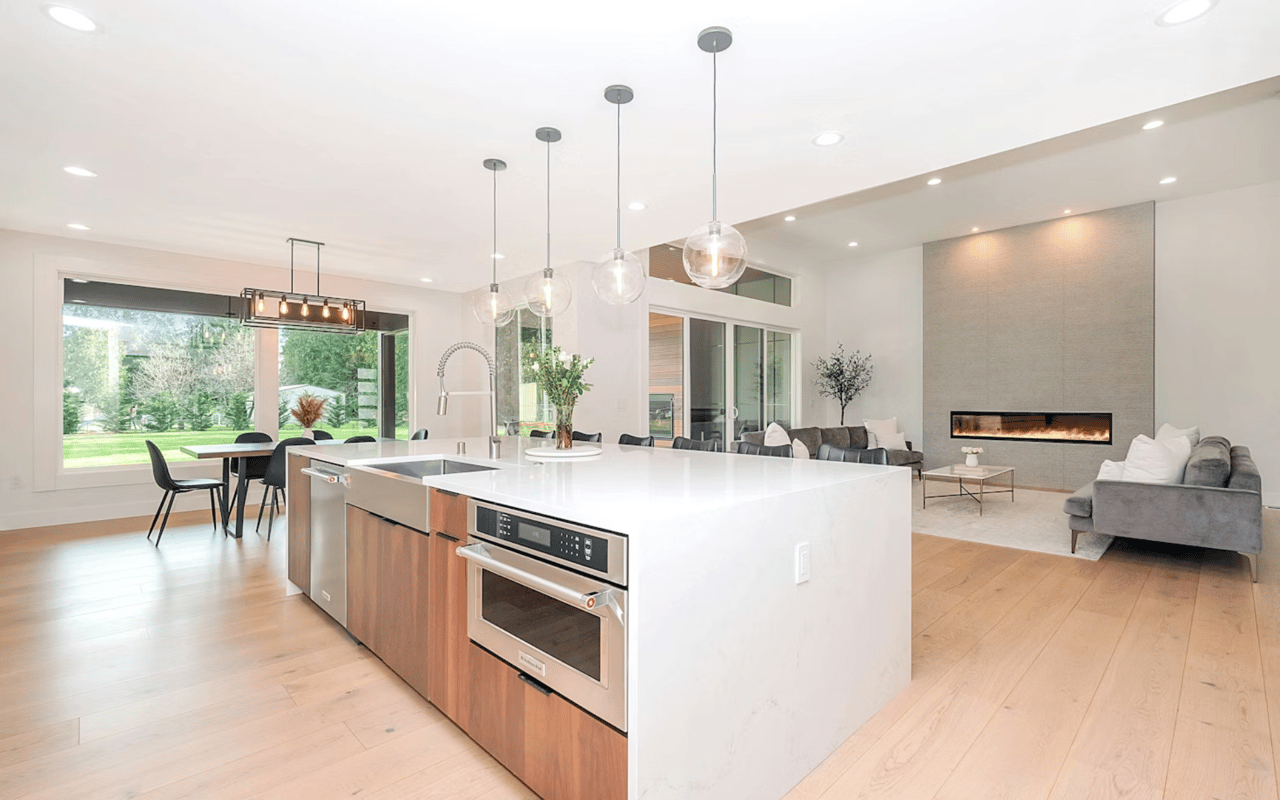
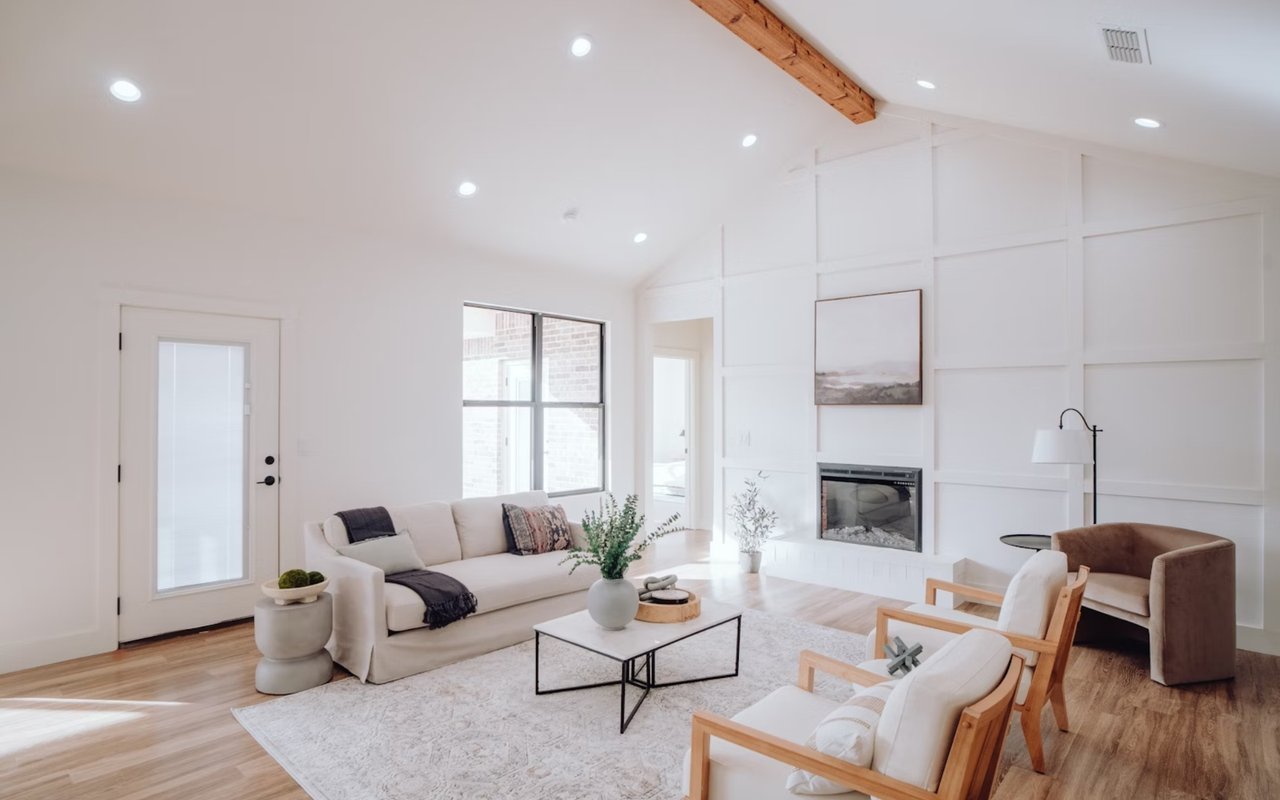
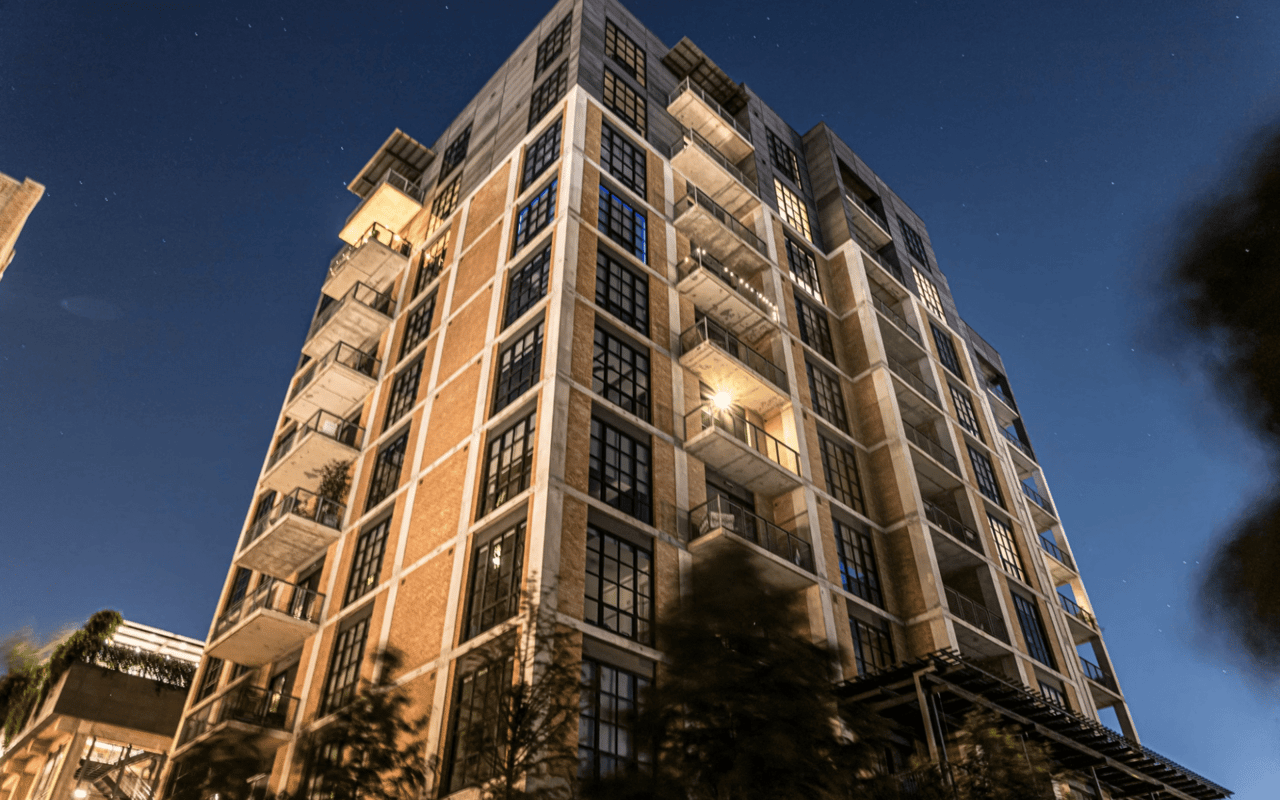
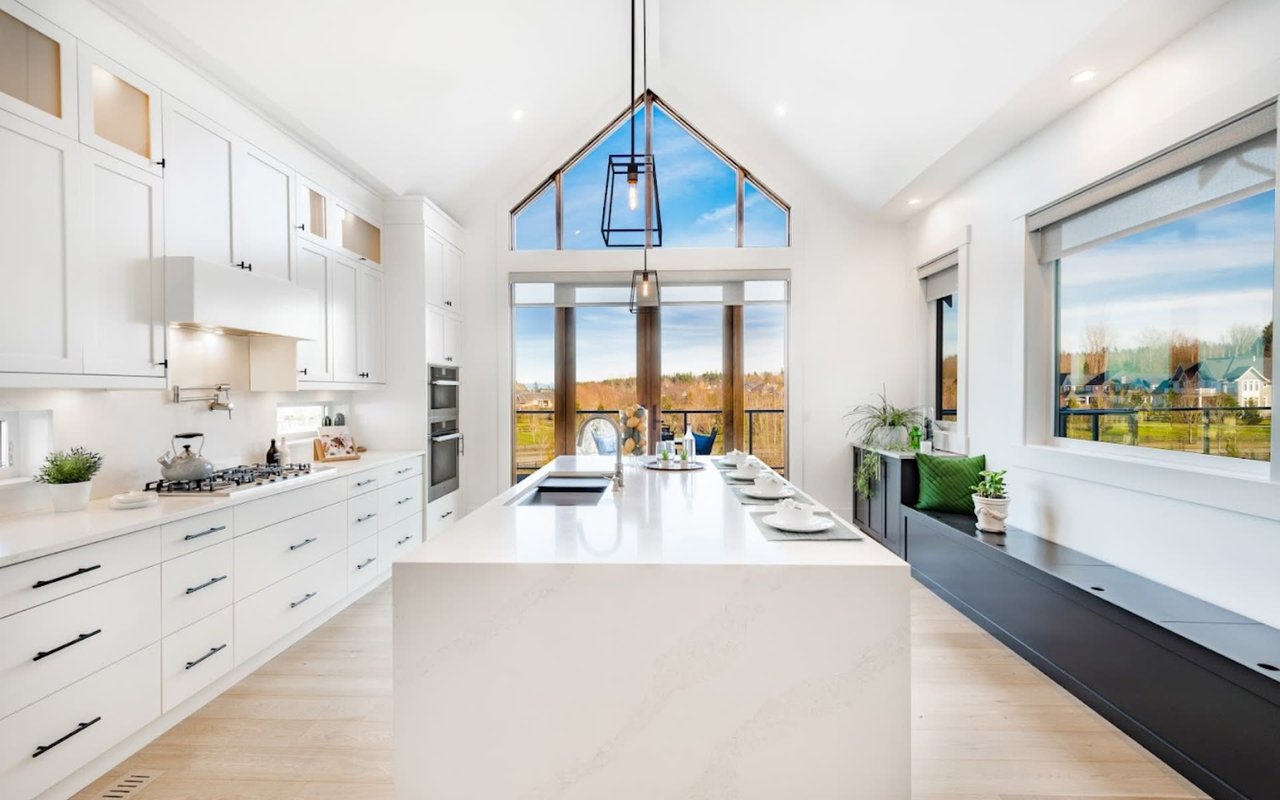
Newer homes offer advantages that appeal to a broad range of buyers. Updated systems, open layouts, and modern finishes create a sense of ease. Newer builds often come with energy-efficient features, improved insulation, and contemporary materials that reduce maintenance needs.
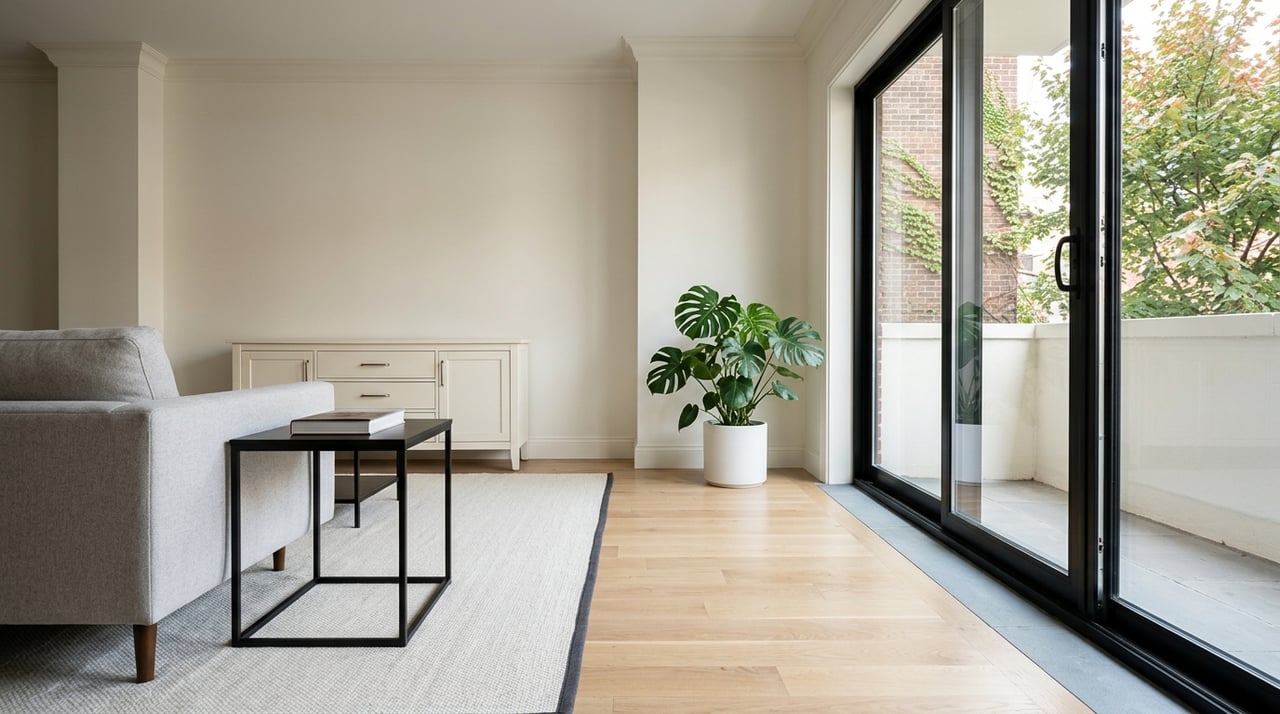
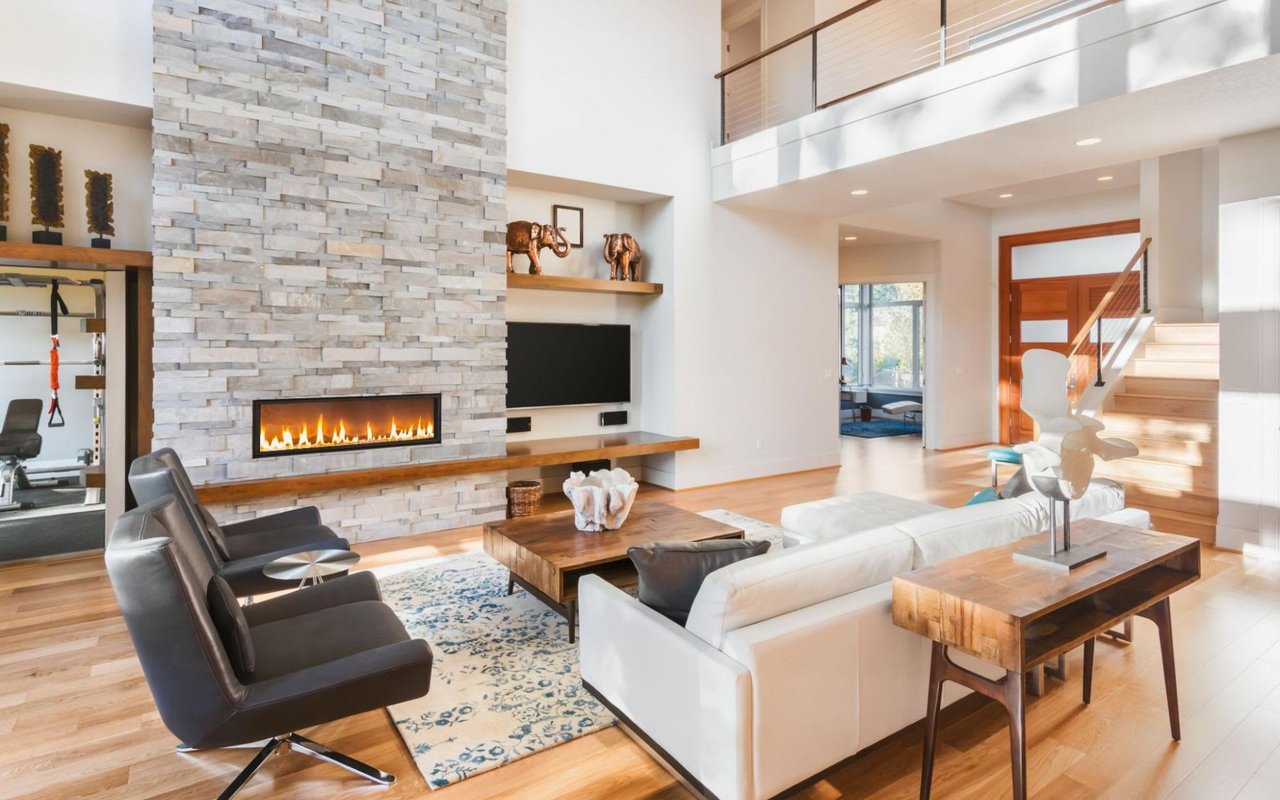
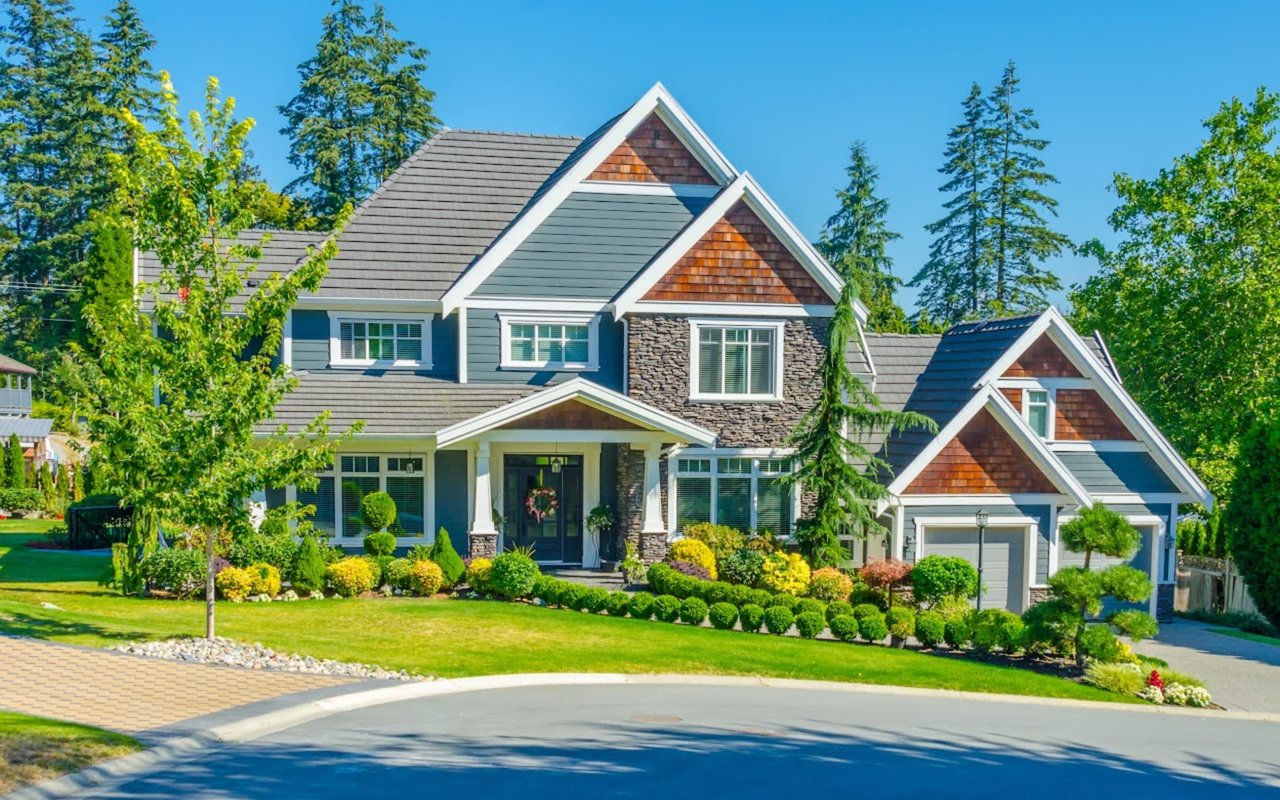
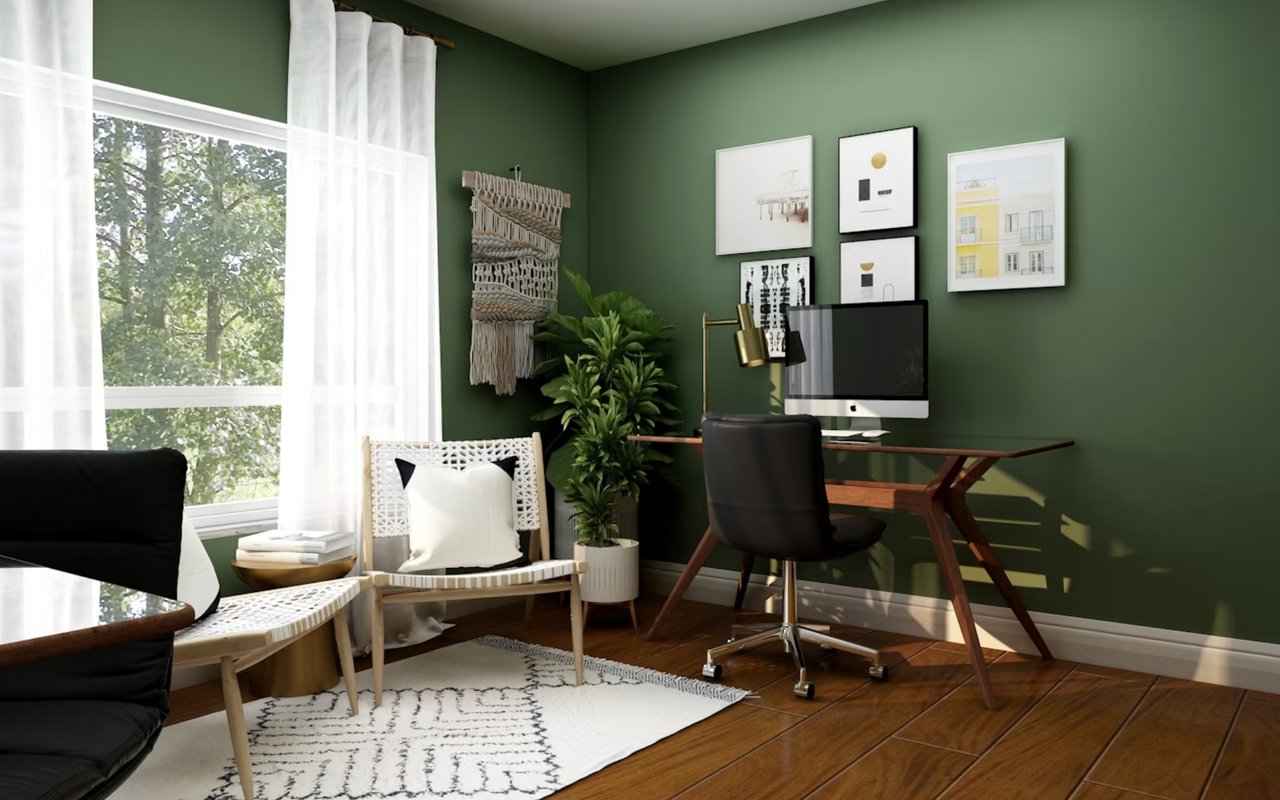
In Arlington, newer construction may include townhomes with attached garages, open-concept living spaces, and flexible rooms suited for home offices or guest suites. These qualities speak directly to current buyer priorities. For some buyers, the peace of mind that comes with newer construction outweighs architectural charm or a central location, which explains why newer homes often command a premium.
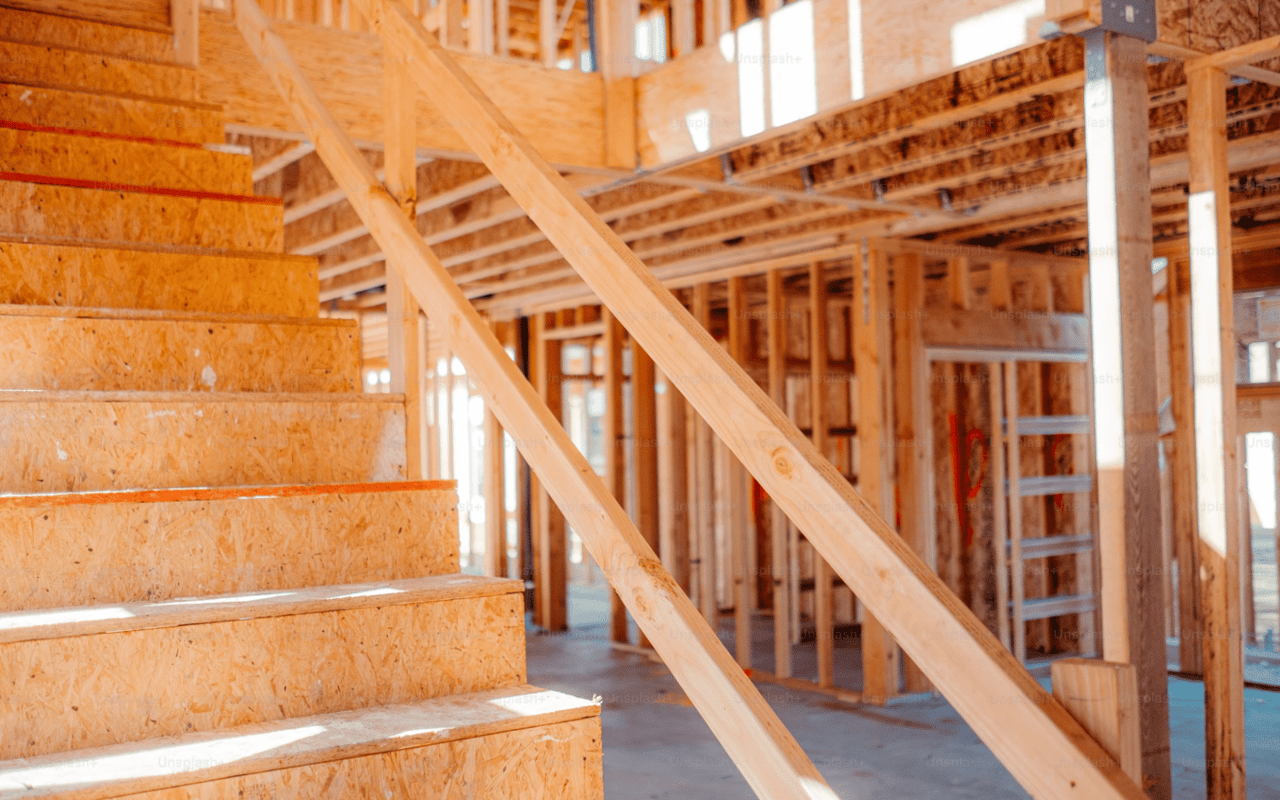
Yet even among newer homes, value depends on build quality. Materials, craftsmanship, and long-term durability play meaningful roles. A well-built property holds its appeal, while lower-quality construction may show wear more quickly.
In Arlington, newer construction may include townhomes with attached garages, open-concept living spaces, and flexible rooms suited for home offices or guest suites. These qualities speak directly to current buyer priorities. For some buyers, the peace of mind that comes with newer construction outweighs architectural charm or a central location, which explains why newer homes often command a premium.
Yet even among newer homes, value depends on build quality. Materials, craftsmanship, and long-term durability play meaningful roles. A well-built property holds its appeal, while lower-quality construction may show wear more quickly.
The Importance of Condition Over Age
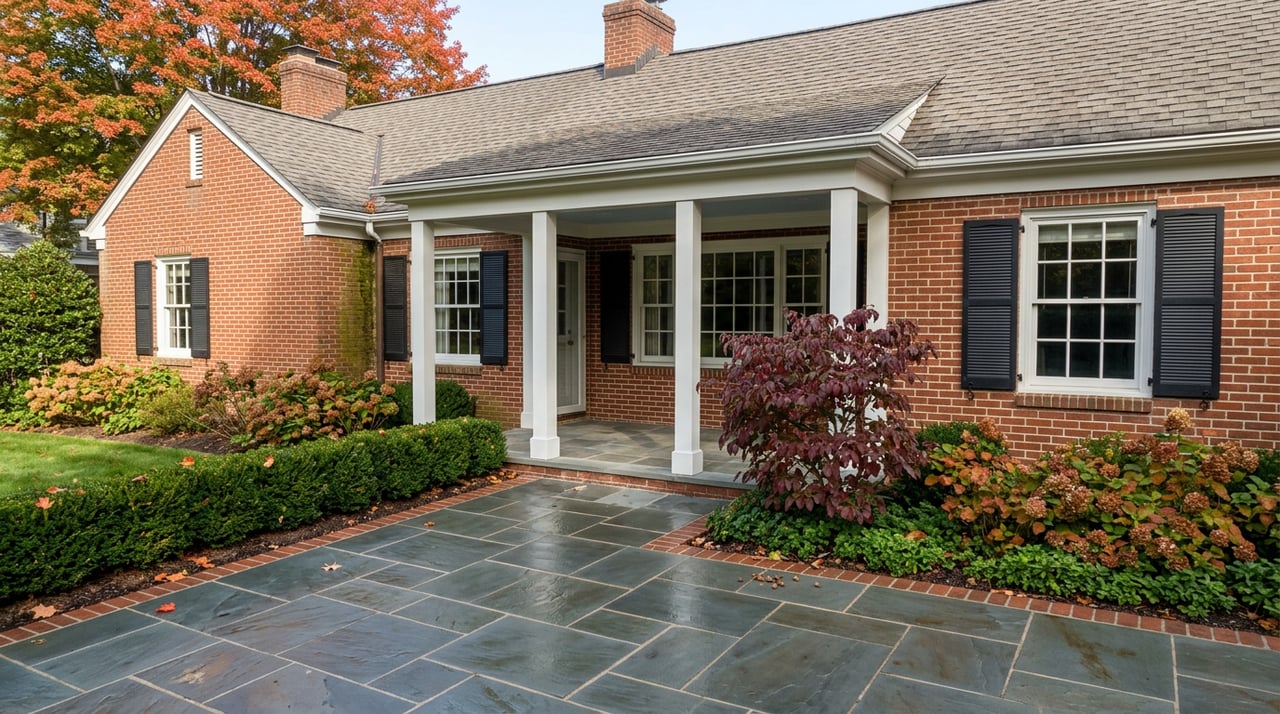
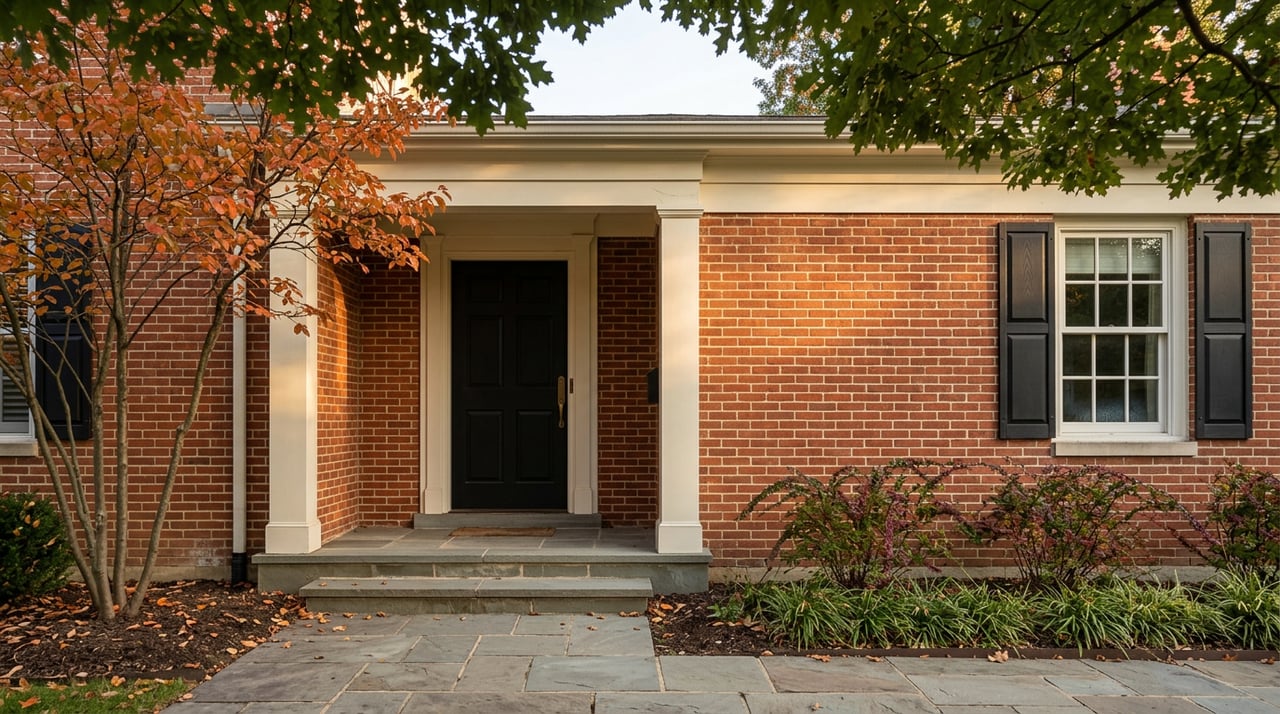
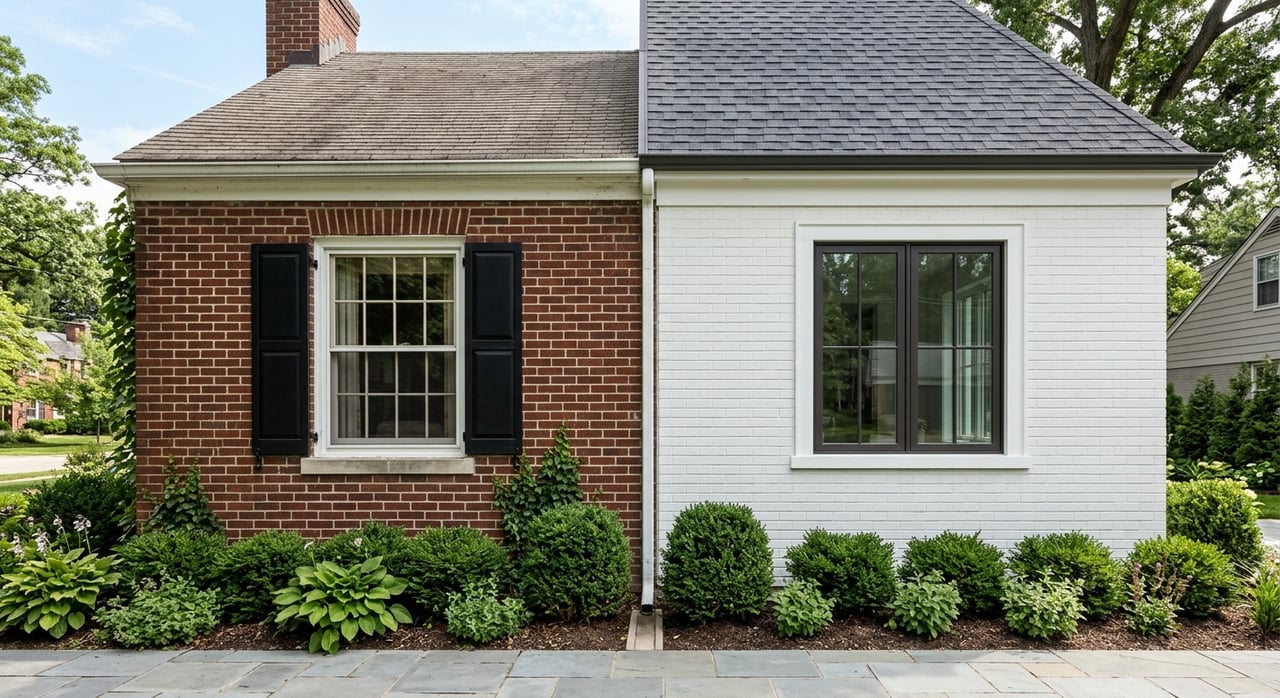
Condition is often more influential than the year a home was built. A well-maintained older home can outperform a newer home that has been neglected. Buyers consistently respond to evidence of care, whether in the form of updated systems, fresh paint, repaired siding, or a recently replaced roof.
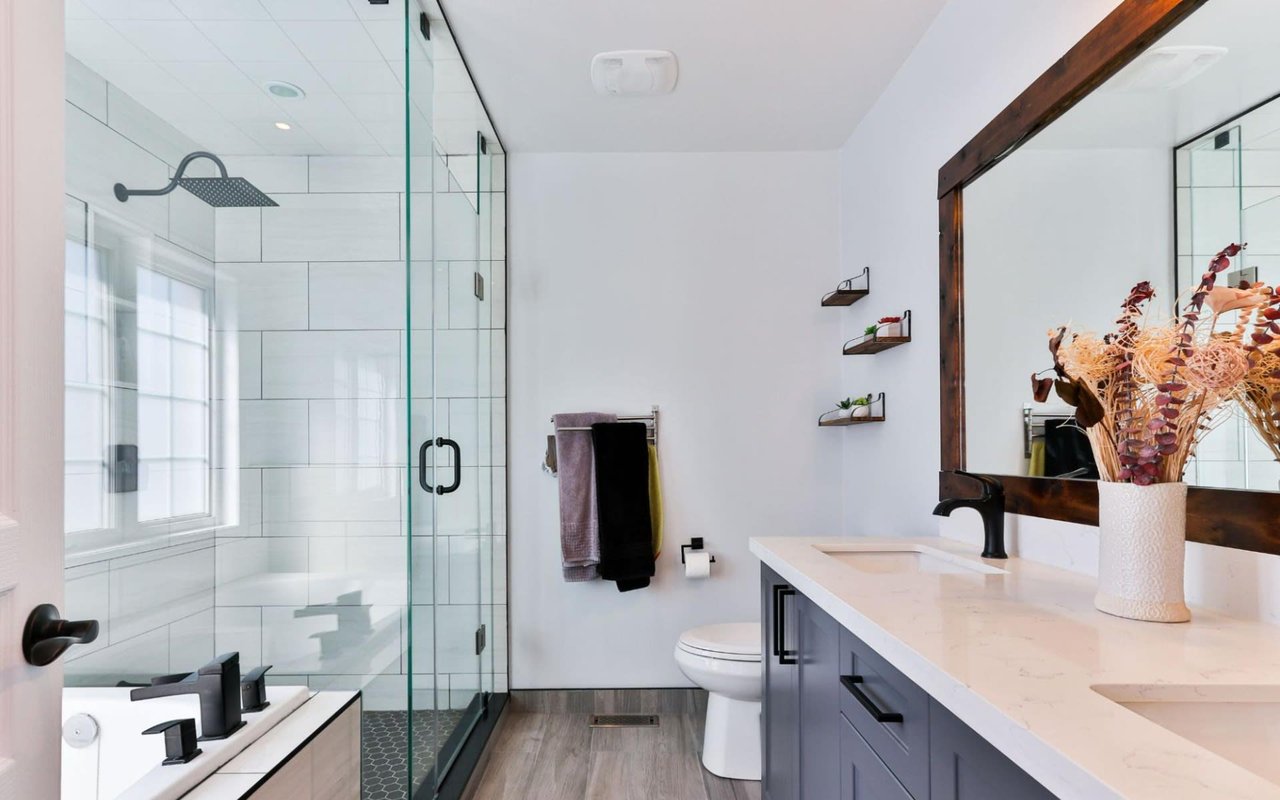
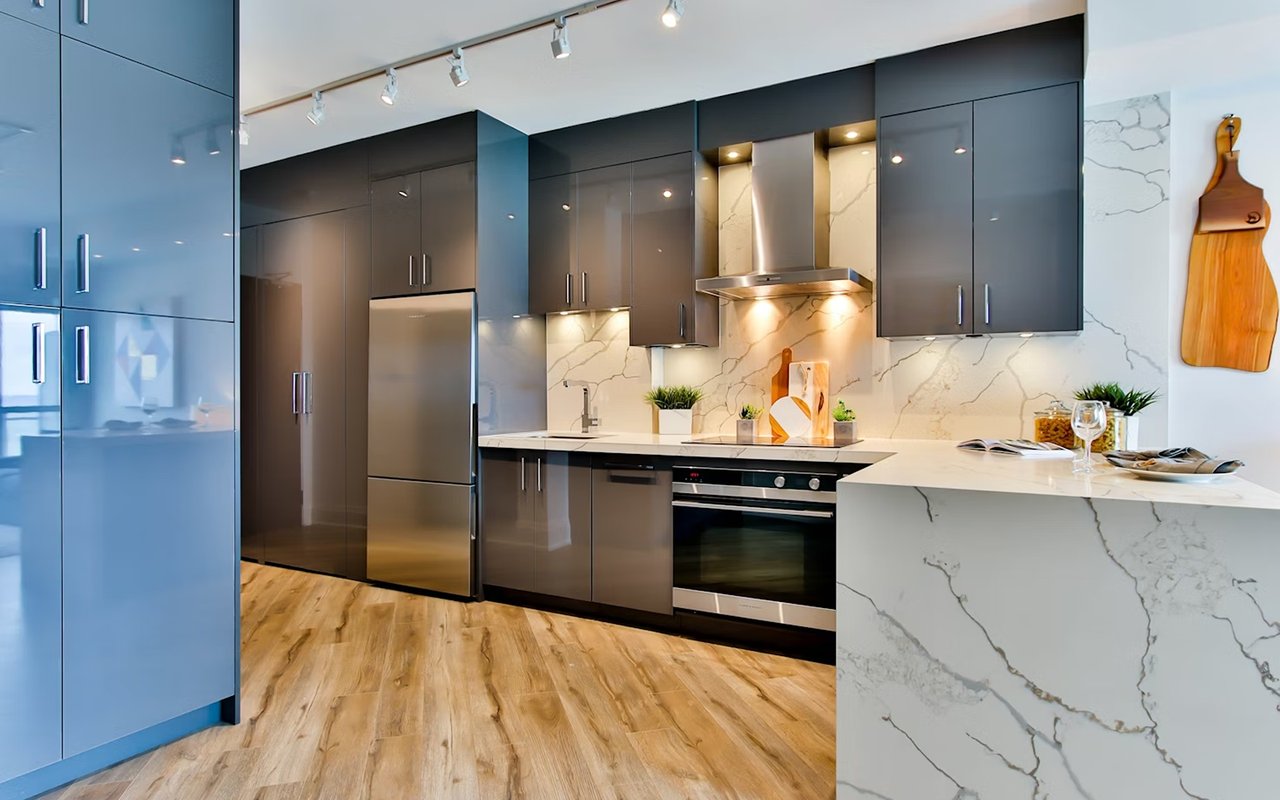
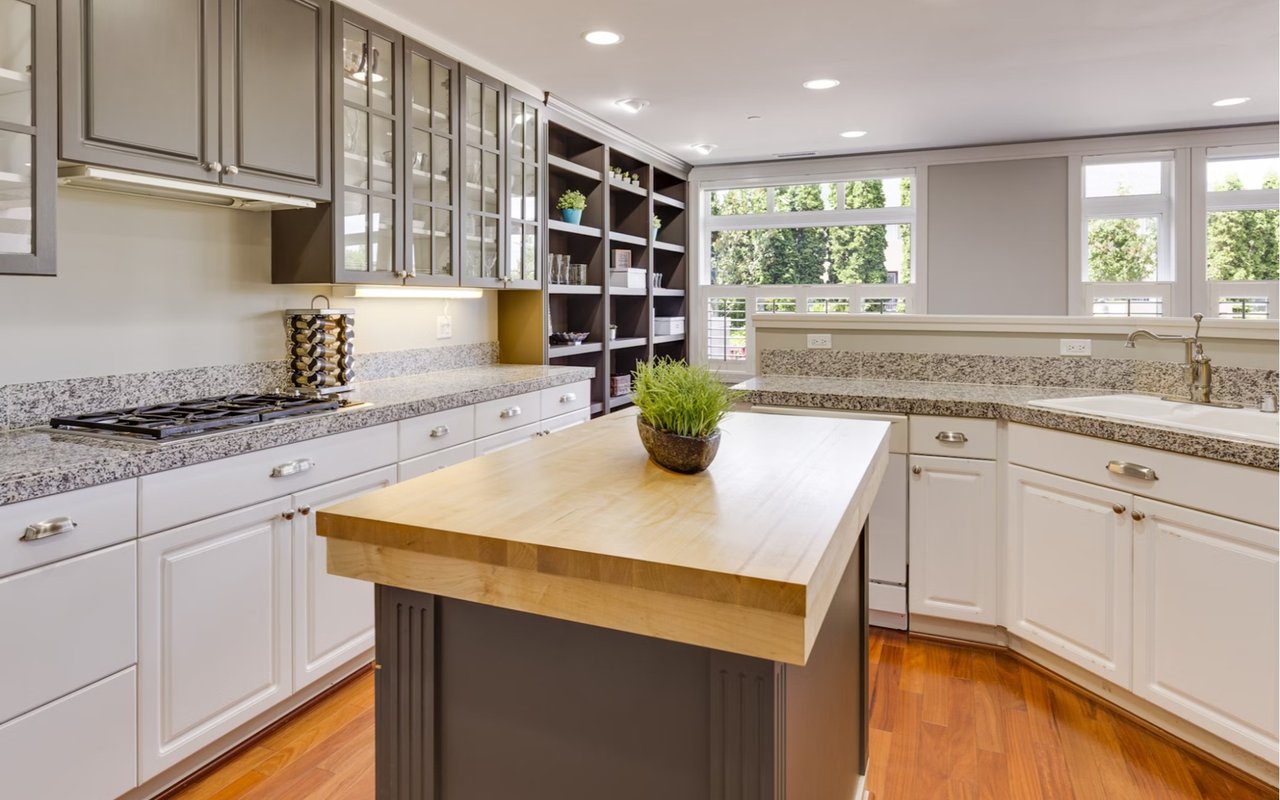
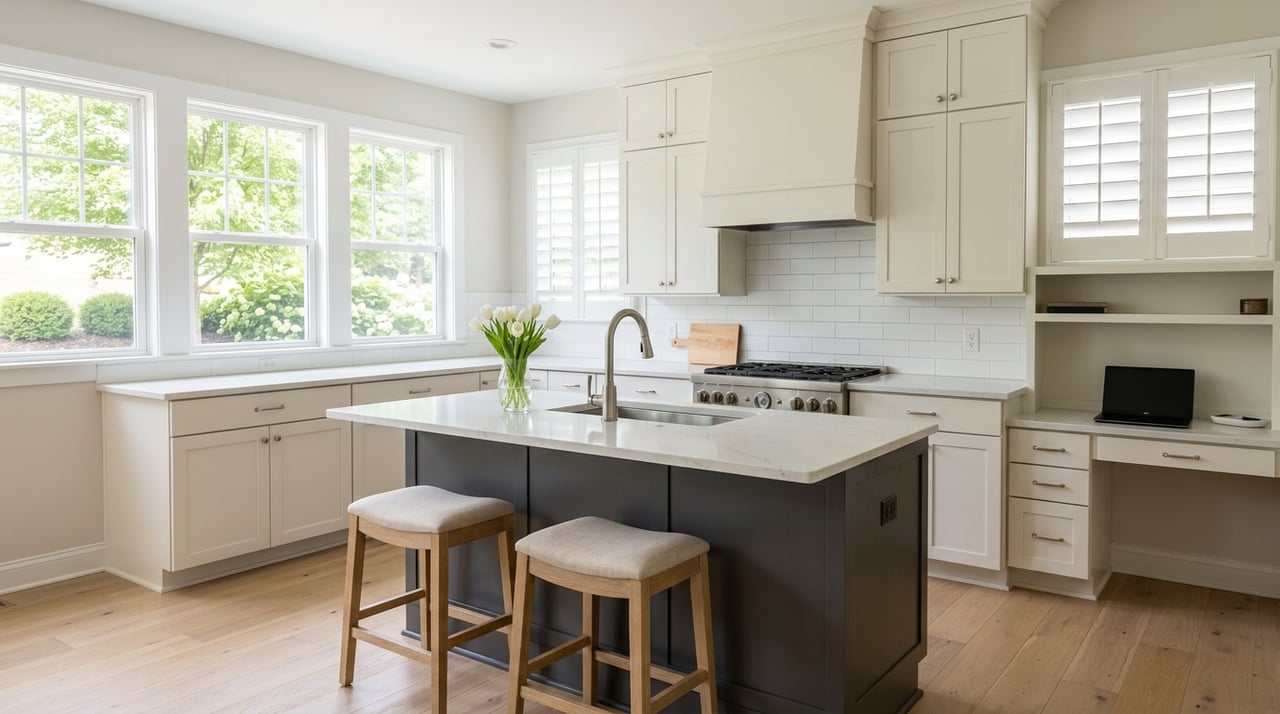
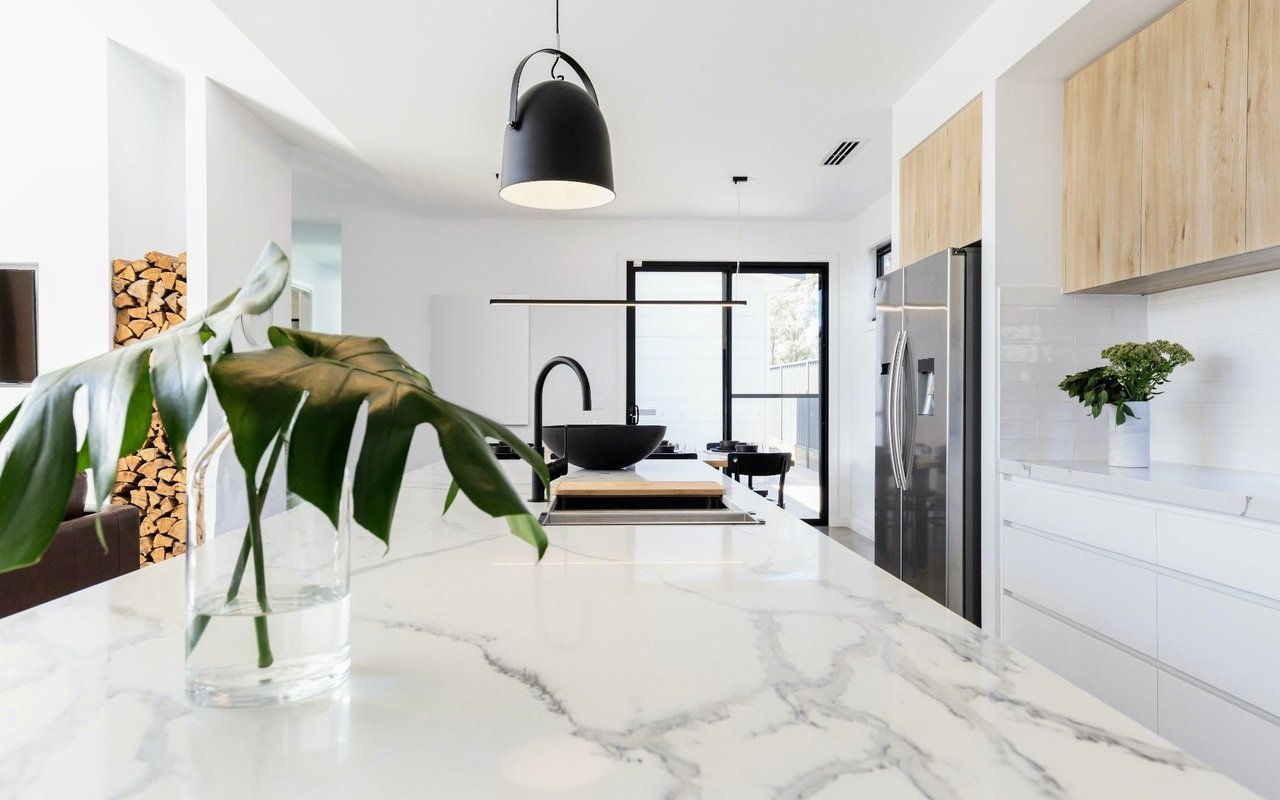
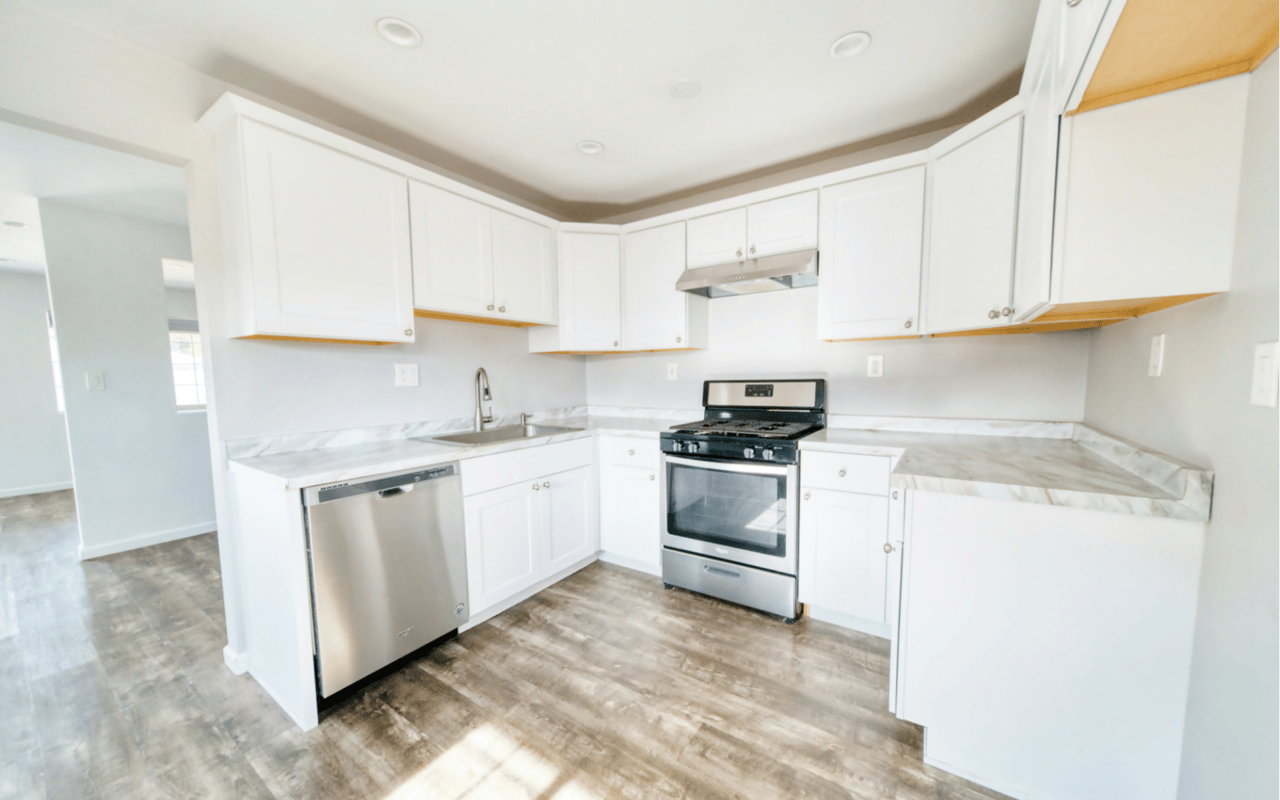
Major systems, such as HVAC, plumbing, and electrical wiring, significantly shape the perceived value. Kitchens and bathrooms also carry weight in buyer evaluations, since they are expensive to renovate. When an older home features these updates, its appeal broadens considerably.
This is why the question, “Does the age of the house affect its value?” often leads to a more nuanced answer. Age sets the baseline, but condition determines how buyers interpret that baseline.
Major systems, such as HVAC, plumbing, and electrical wiring, significantly shape the perceived value. Kitchens and bathrooms also carry weight in buyer evaluations, since they are expensive to renovate. When an older home features these updates, its appeal broadens considerably.
This is why the question, “Does the age of the house affect its value?” often leads to a more nuanced answer. Age sets the baseline, but condition determines how buyers interpret that baseline.
How Renovations Influence Value
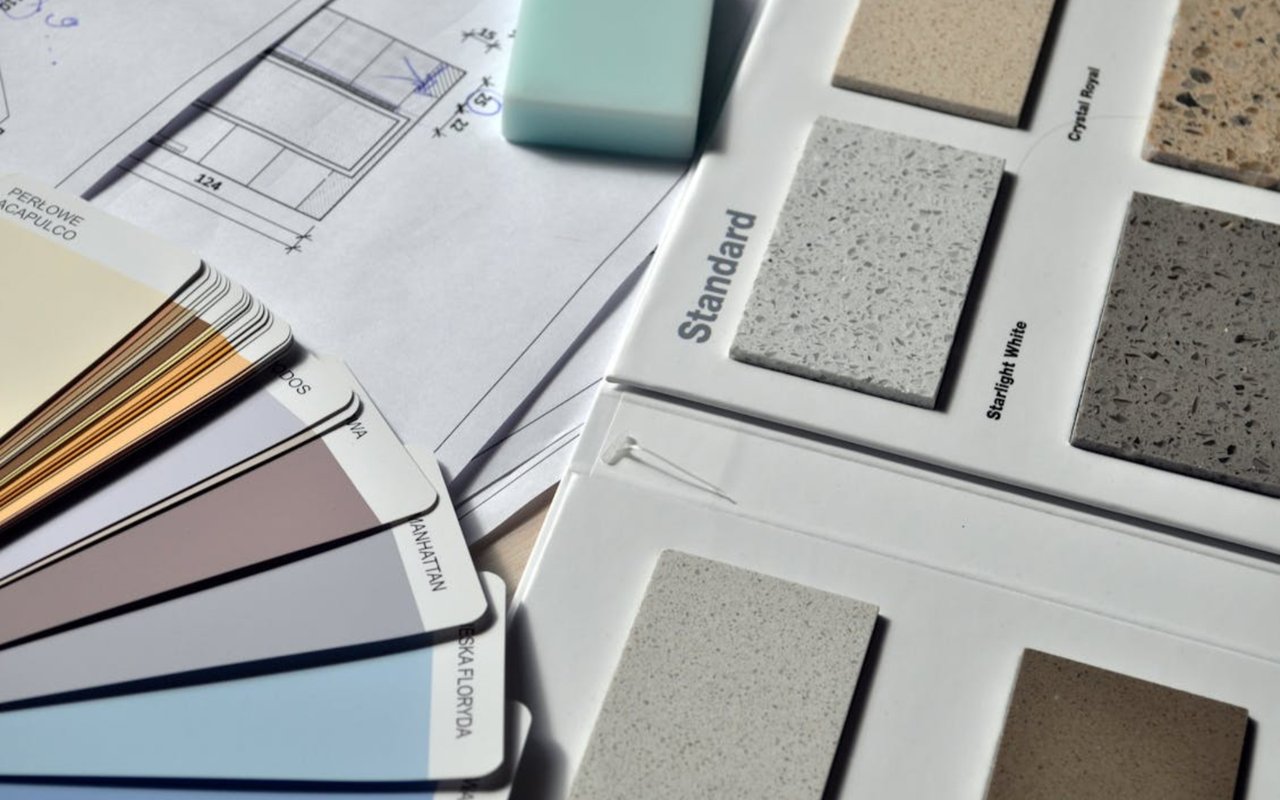
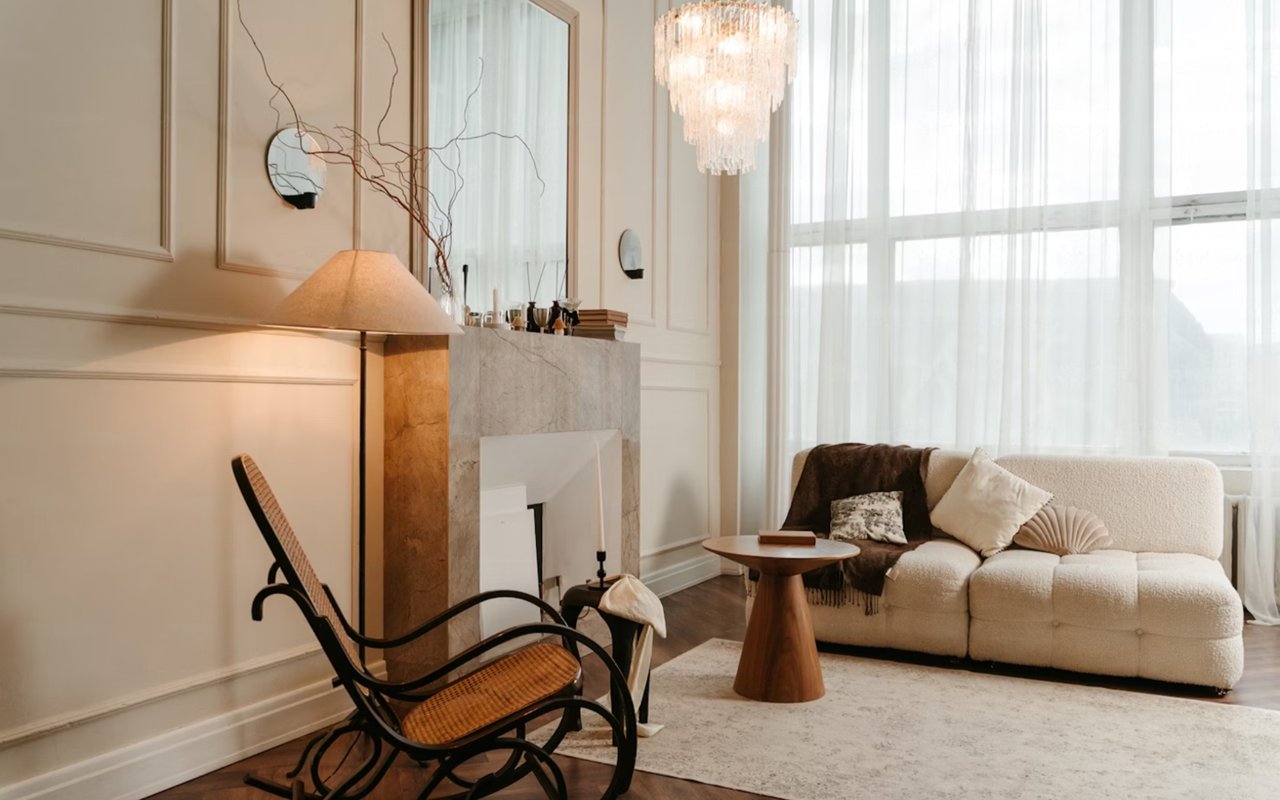
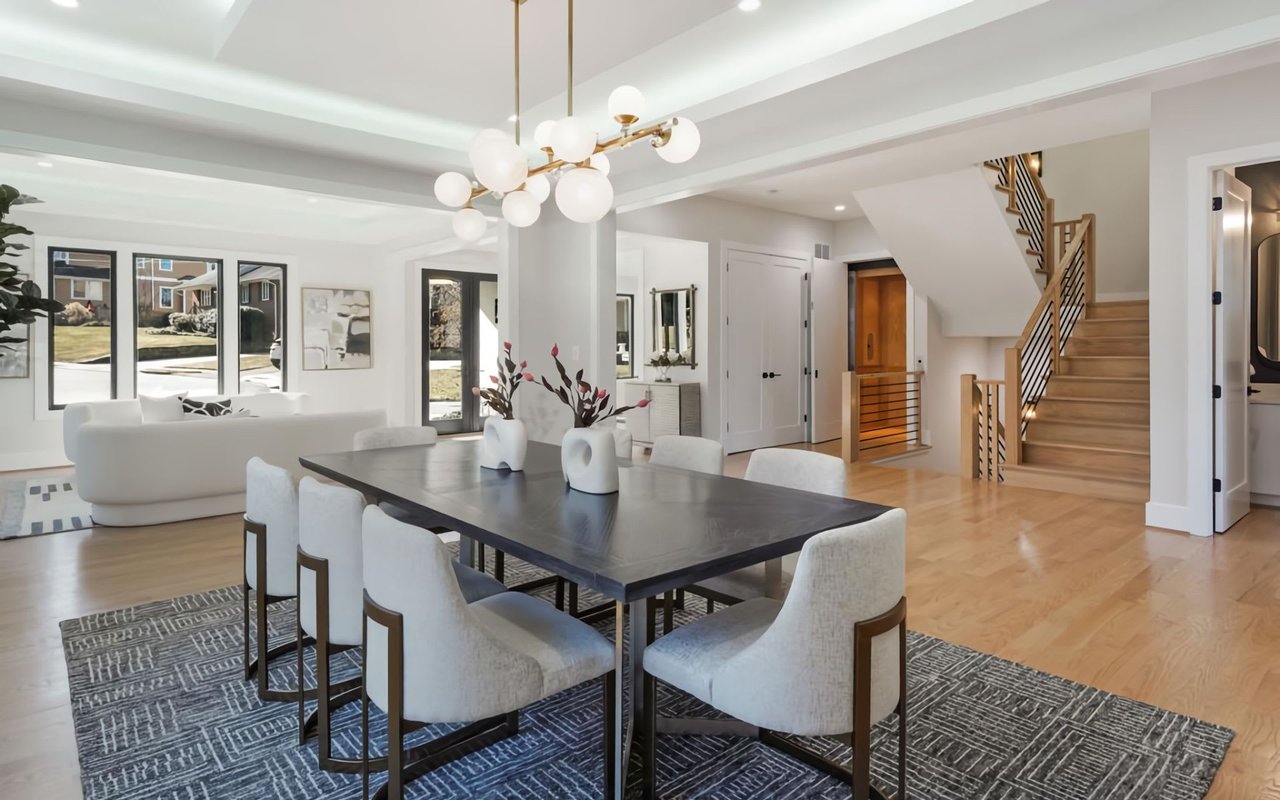
Renovations can shift how age affects value. Thoughtful updates help older homes compete with newer properties, especially when they preserve architectural character while introducing modern convenience. Open walls, expanded kitchens, improved storage, and updated bathrooms can help reorient an older floor plan to better fit today’s lifestyles.
In many Arlington neighborhoods, renovated homes represent strong demand because they blend charm with comfort. At the same time, not all renovations add equal value. Updates that follow timeless design principles tend to hold value better than overly specific or trend-driven changes. High-quality workmanship also matters, since buyers can easily distinguish between quick fixes and meaningful upgrades.
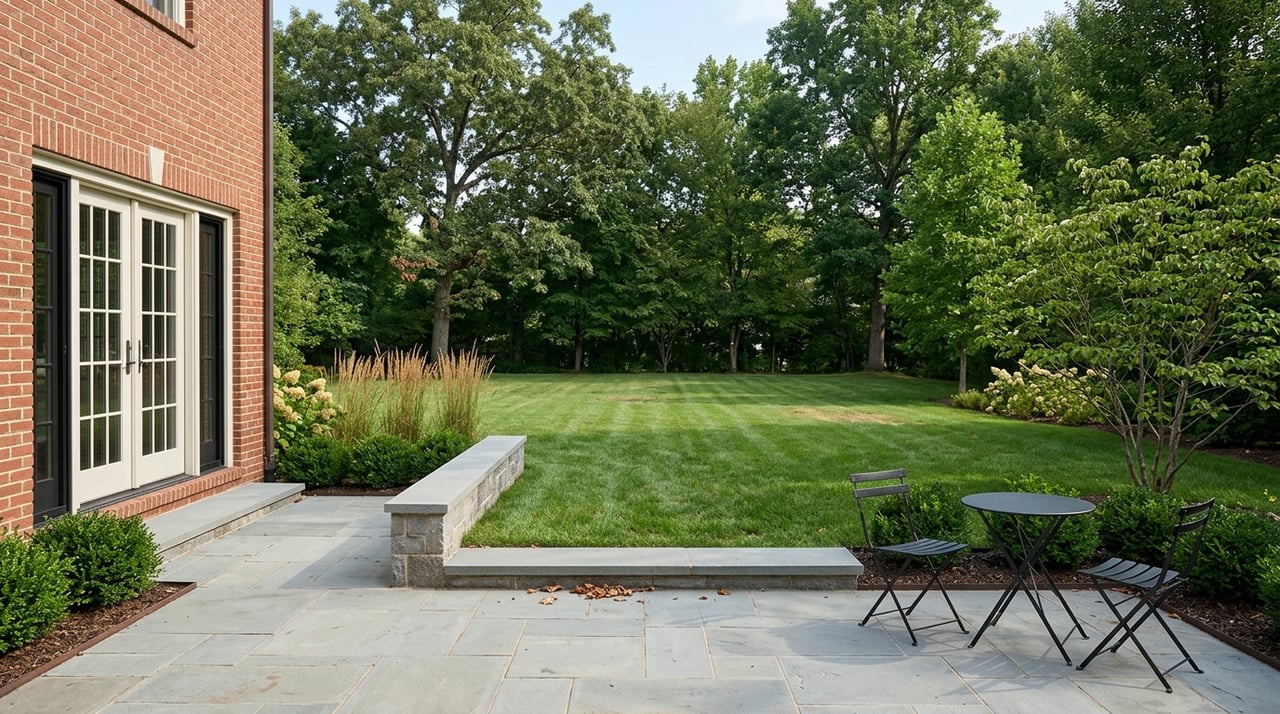
For newer homes, renovations often play a different role. Instead of major structural updates, owners may focus on enhancements such as upgraded fixtures, custom built-ins, or improved outdoor spaces.
In many Arlington neighborhoods, renovated homes represent strong demand because they blend charm with comfort. At the same time, not all renovations add equal value. Updates that follow timeless design principles tend to hold value better than overly specific or trend-driven changes. High-quality workmanship also matters, since buyers can easily distinguish between quick fixes and meaningful upgrades.
For newer homes, renovations often play a different role. Instead of major structural updates, owners may focus on enhancements such as upgraded fixtures, custom built-ins, or improved outdoor spaces.
Location as a Balancing Factor
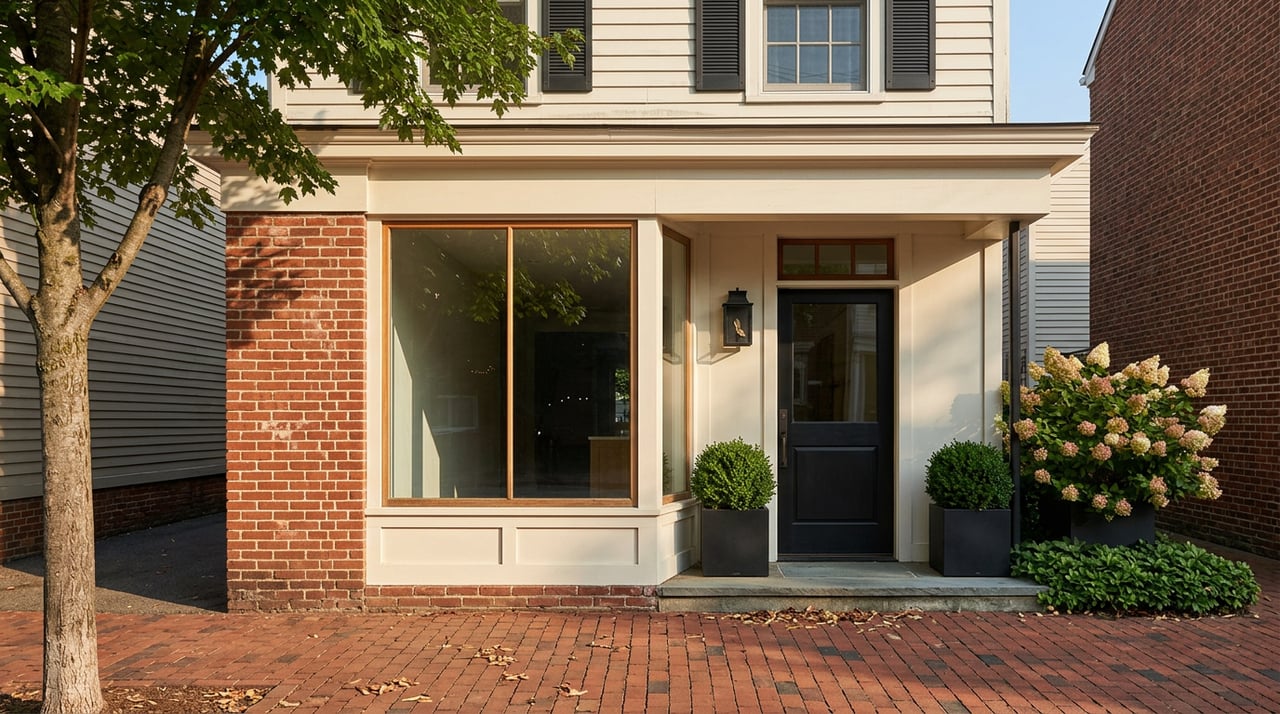
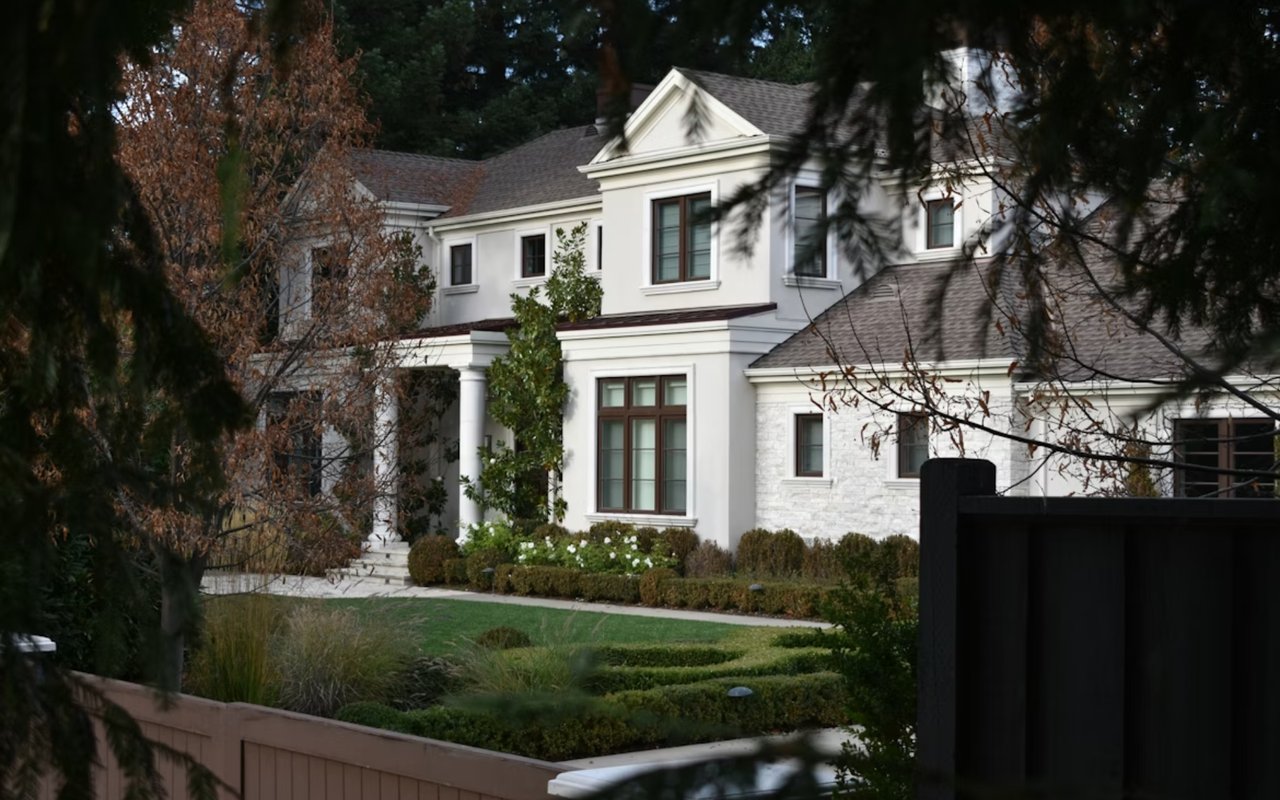
Location remains one of the strongest influences on home value. In Arlington, well-located older homes in walkable, established neighborhoods often command prices similar to or higher than newer homes in less central areas. Buyers prioritize proximity to transit, schools, parks, and major thoroughfares, and age becomes secondary when location is especially desirable.
How Buyers Approach Maintenance Costs
Age often affects long-term ownership considerations. Buyers evaluating older homes may account for upcoming expenses such as roof replacement, electrical upgrades, or HVAC improvements. These projected costs can influence the negotiation terms.
Newer homes may involve fewer immediate expenses but can still require attention within a decade, especially when using materials with moderate life spans. Understanding these cost cycles helps buyers make informed decisions and helps sellers prepare for conversations about value.
Newer homes may involve fewer immediate expenses but can still require attention within a decade, especially when using materials with moderate life spans. Understanding these cost cycles helps buyers make informed decisions and helps sellers prepare for conversations about value.
Market Trends and Buyer Expectations
Market conditions influence how age affects value. In a competitive, low-inventory market, buyers may be more flexible about age and more focused on location and availability. In a slower market, buyers may scrutinize age-related concerns more closely. Arlington’s market often balances these tendencies, with demand remaining strong across a range of home types.
Generational preferences also play a role. Some buyers gravitate toward charm and craftsmanship, while others prefer low-maintenance living. These differing expectations create a diverse landscape where both older and newer homes can thrive when positioned effectively.
Generational preferences also play a role. Some buyers gravitate toward charm and craftsmanship, while others prefer low-maintenance living. These differing expectations create a diverse landscape where both older and newer homes can thrive when positioned effectively.
Presenting the Home at Its Best
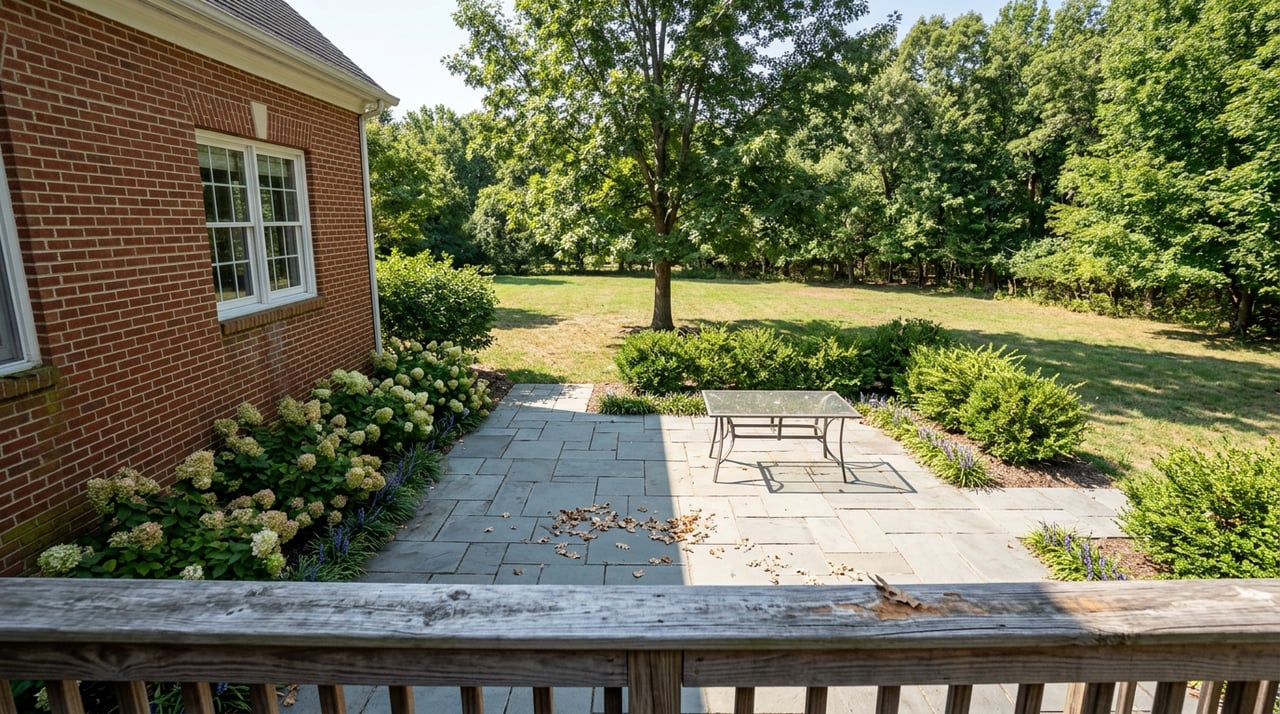
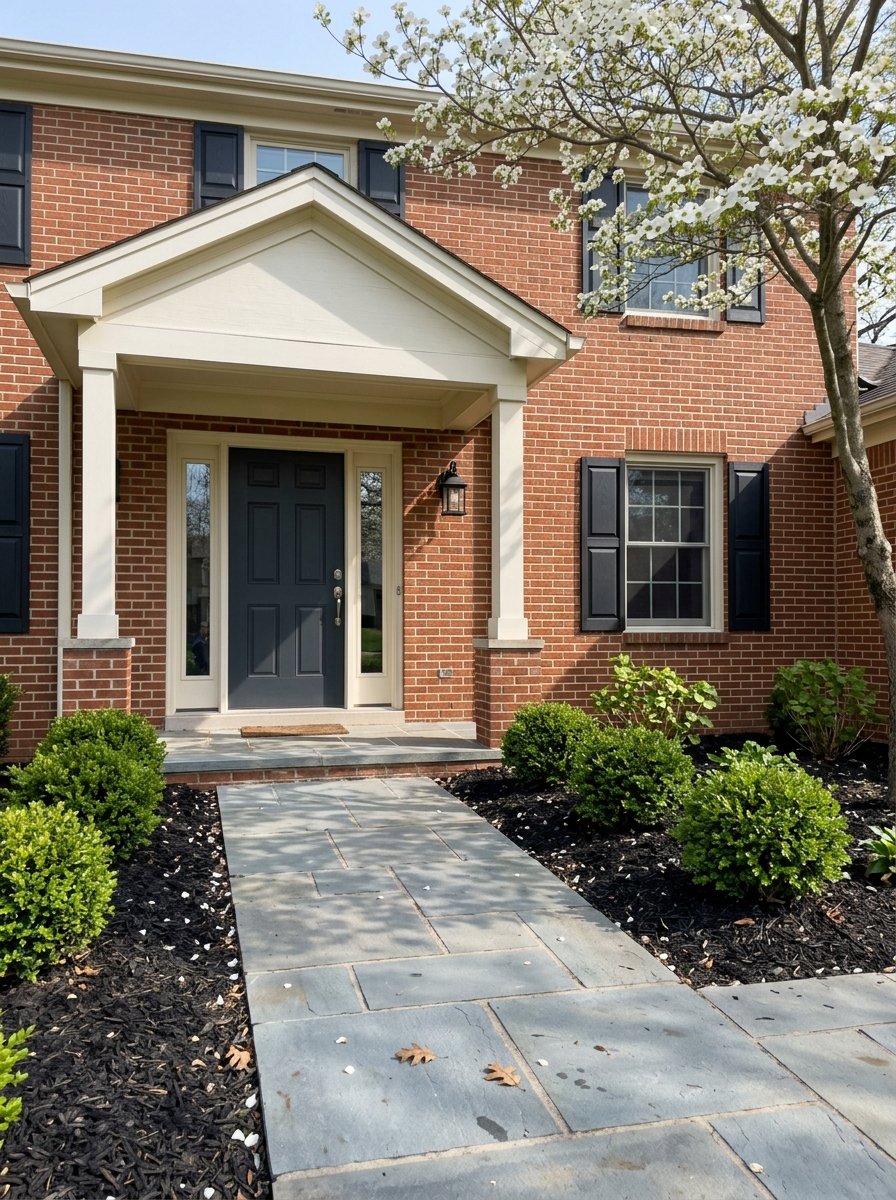
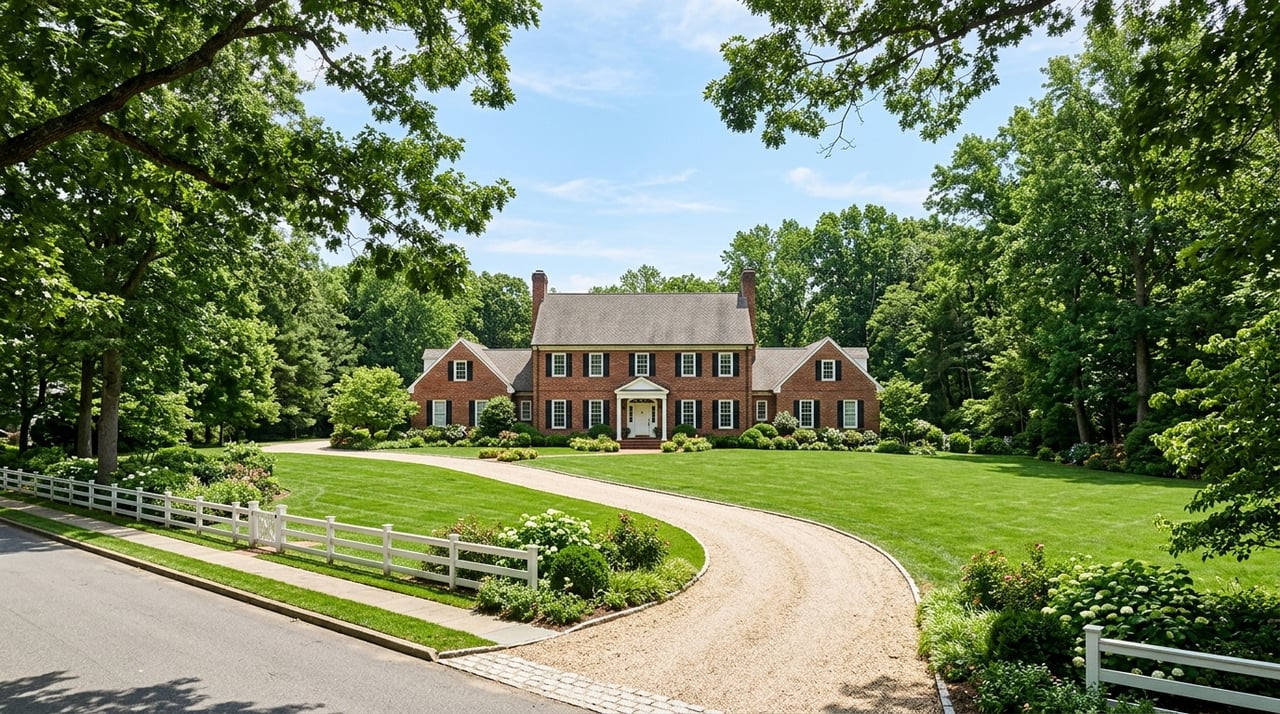
Regardless of age, presentation shapes buyer perception. Cleanliness, staging, curb appeal, and minor repairs influence how buyers experience the home. Even older properties benefit from decluttering, fresh paint, and updated lighting. These small adjustments create a sense of care that strengthens buyer confidence.
Sellers of newer homes also benefit from strong presentation. Even small signs of wear can diminish the feeling of newness, so subtle enhancements such as landscaping updates or refreshed interiors can create an advantage.
Sellers of newer homes also benefit from strong presentation. Even small signs of wear can diminish the feeling of newness, so subtle enhancements such as landscaping updates or refreshed interiors can create an advantage.
A Clearer Way to Evaluate Home Age
Understanding how age influences value is not about assigning a number. It is about seeing how age interacts with condition, location, updates, and buyer preferences. Older homes can be prized for charm and location. Newer homes can be valued for comfort and convenience. Each property offers something distinct.
When buyers and sellers take a balanced look at these factors, they can make better decisions that align with both immediate needs and long-term goals.
When buyers and sellers take a balanced look at these factors, they can make better decisions that align with both immediate needs and long-term goals.
Local Support for Informed Decisions
Interpreting value in a market as varied as Arlington, VA requires local insight and a clear understanding of how different factors shape buyer expectations. The Choose Wisely Group helps clients evaluate homes with clarity, understand market patterns, and make decisions that support both long-term stability and present-day goals. Their grounded approach gives buyers and sellers the perspective they need to move forward with confidence. For guidance tailored to Arlington’s neighborhoods and today’s real estate landscape, connect with the Choose Wisely Group today.
*Header image courtesy of Unsplash
*Header image courtesy of Unsplash