
Maintaining your home's foundation is essential for preserving its structural integrity and value. This is especially true in McLean, VA, where many homes are older or historic, requiring special attention to prevent common issues that can arise with age. In this comprehensive guide, we'll explore how to maintain your house's foundation, focusing on the unique challenges faced by homeowners in McLean.
Understanding Your Foundation
Before diving into maintenance tips, it's important to understand the types of foundations common in McLean. Most homes in this area, particularly older and historic ones, are built on one of three types of foundations:
- Crawl Space Foundation: Common in older homes, this type of foundation raises the house off the ground, allowing for ventilation and easy access to plumbing and electrical systems.
- Basement Foundation: Many historic homes feature full or partial basements, providing additional living or storage space.
- Slab Foundation: Newer homes often have slab foundations, which are poured concrete slabs that provide a sturdy base.
Each type of foundation has its maintenance requirements and potential issues, which we'll address in the following sections.
Regular Inspections
Routine inspections are the cornerstone of foundation maintenance. Schedule a professional inspection at least once a year, especially if your home is older or has a history of foundation problems. Additionally, perform your own checks periodically. Look for the following signs of potential issues:
- Cracks: Inspect your home's interior and exterior for cracks in the walls, floors, and foundation itself. Small hairline cracks are usually not a concern, but larger cracks or those that widen over time can indicate serious problems.
- Doors and Windows: Check for doors and windows that stick or don't close properly, which can be a sign of foundation settling or shifting.
- Uneven Floors: Use a level to check for uneven or sloping floors, a common indicator of foundation issues.
- Moisture: Look for signs of moisture in your basement or crawl space, such as mold, mildew, or dampness.
Proper Drainage
Effective drainage is crucial for maintaining your foundation. Water is the number one enemy of any foundation, causing soil erosion and weakening the structure over time. Here's how to ensure proper drainage around your McLean home:
- Gutters and Downspouts: Keep gutters clean and ensure downspouts direct water away from the foundation. Consider installing downspout extenders to move water further away from the house.
- Grading: The soil around your home should slope away from the foundation to prevent water pooling. If necessary, regrade the soil to achieve a proper slope.
- French Drains: For homes prone to excessive water runoff, installing a French drain system can help manage water flow and protect the foundation.
Moisture Control
Maintaining a consistent moisture level around your foundation is essential. Too much or too little moisture can cause soil expansion or contraction, leading to foundation movement. Here are some moisture control tips:
- Watering: During dry spells, lightly water the soil around your foundation to prevent excessive drying and shrinking. Be careful not to overwater, as this can create the opposite problem.
- Mulch: Use mulch around your home to help retain soil moisture. However, keep mulch a few inches away from the foundation to avoid creating a moist environment directly against the structure.
- Crawl Space Ventilation: Ensure your crawl space is properly ventilated to prevent excess moisture buildup. Consider installing a vapor barrier if moisture issues persist.
Tree and Plant Management
Trees and plants can have a significant impact on your foundation. In McLean, where mature landscaping is common, it's important to manage vegetation carefully:
- Tree Placement: Avoid planting trees too close to your home. As a rule of thumb, trees should be planted at least as far from the foundation as their mature height.
- Root Barriers: If you have existing trees close to your home, consider installing root barriers to prevent roots from encroaching on the foundation.
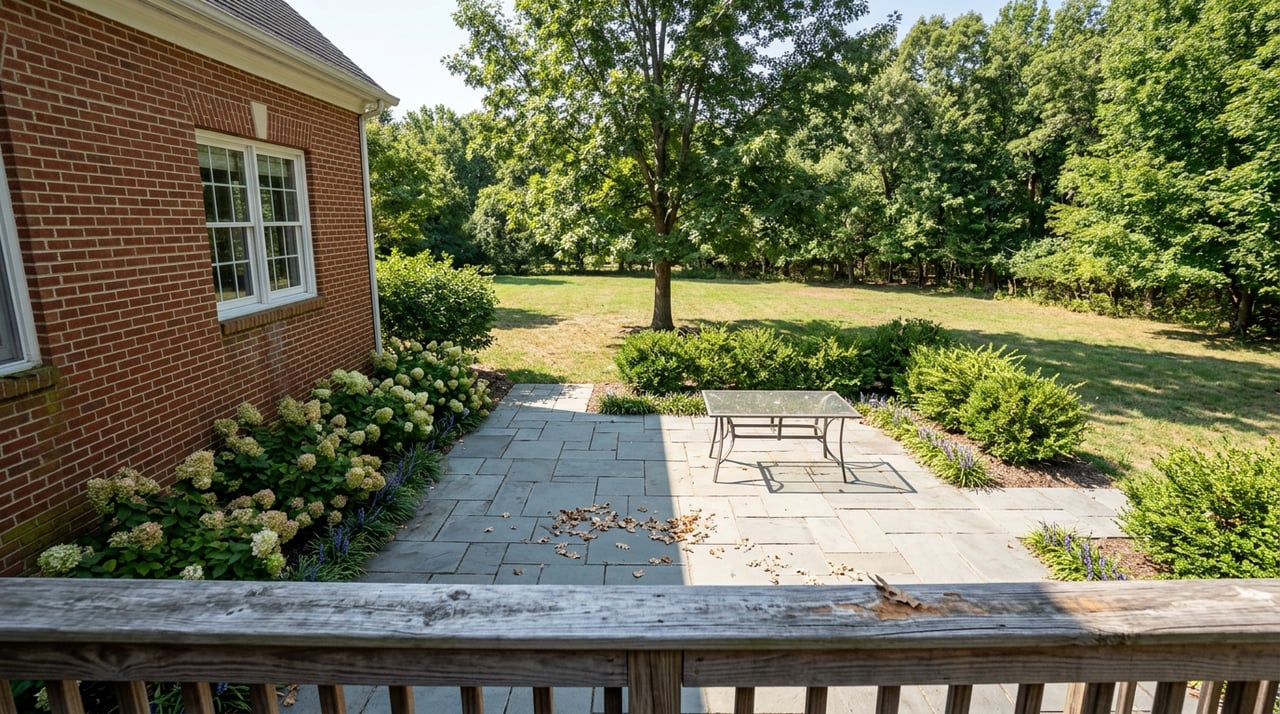
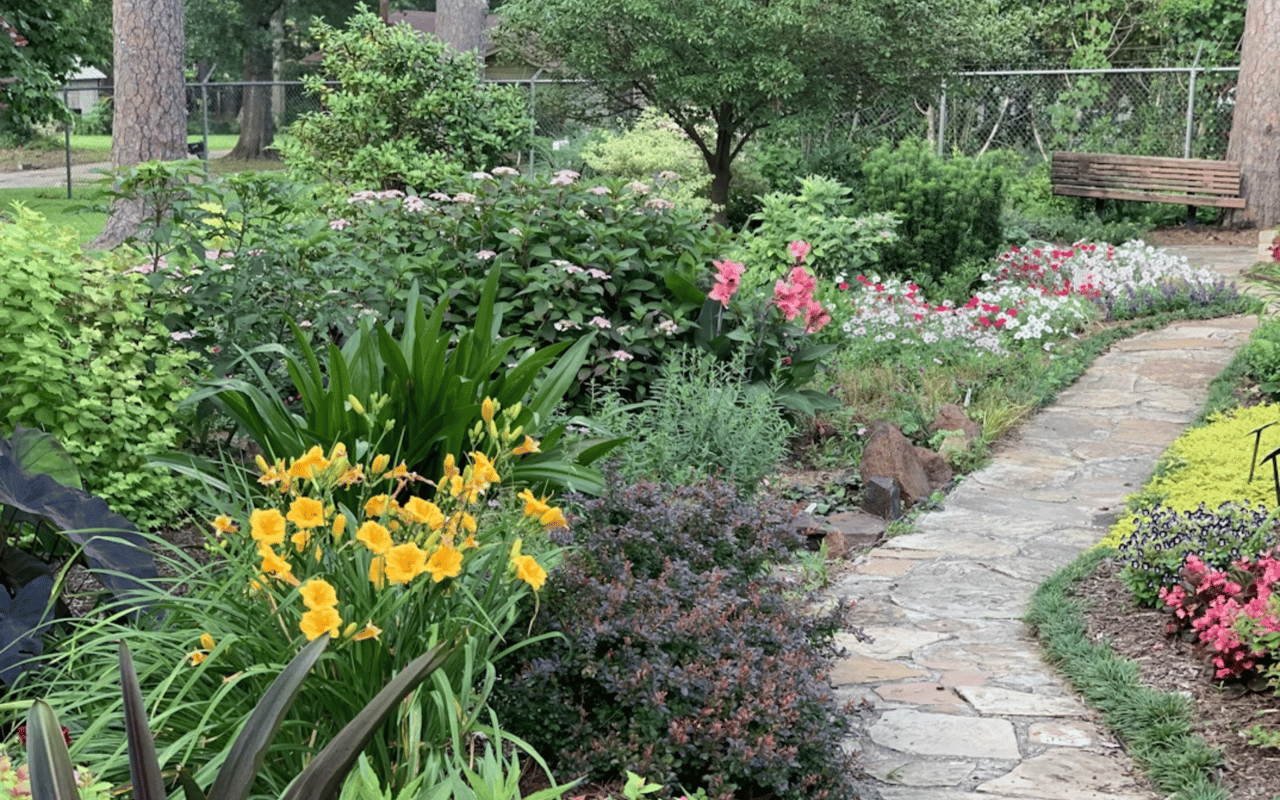
- Shrub Maintenance: Keep shrubs and other plants trimmed and well-maintained to prevent excessive root growth and moisture accumulation near the foundation.
Repairing Cracks and Damage
Addressing cracks and other foundation issues promptly is crucial to prevent further damage. Here's how to handle common repairs:
- Hairline Cracks: For small, hairline cracks, use a high-quality masonry crack filler to seal the gap. Monitor the area for any changes over time.
- Larger Cracks: For larger or widening cracks, consult a professional foundation repair contractor. They can assess the damage and recommend appropriate solutions, such as epoxy injections or piering.
- Settling Issues: If you notice significant settling or shifting, professional intervention is necessary. Solutions may include underpinning or installing helical piers to stabilize the foundation.
Professional Help and Historic Home Considerations
Maintaining the foundation of a historic home in McLean requires specialized knowledge and care. When dealing with older homes, it's important to:
- Hire Specialists: Choose contractors experienced in working with historic properties. They understand the unique challenges and preservation techniques required.
- Preserve Original Materials: Whenever possible, preserve and repair original foundation materials rather than replacing them. This will maintain your home's historical integrity.
- Document Changes: Keep detailed records of foundation work on your historic home. This documentation is valuable for future repairs and for maintaining the home's historical status.
Seasonal Maintenance Tips
Seasonal changes can affect your foundation, so it's important to adjust your maintenance routine accordingly:
- Spring: Inspect for any damage caused by winter weather, clean gutters, and check for moisture issues. Ensure proper grading and drainage as spring rains begin.
- Summer: Monitor soil moisture levels and water as needed during dry spells. Inspect for cracks and repair them promptly.
- Fall: Clean gutters and downspouts to prepare for winter. Check the grading around your home and make any necessary adjustments.
- Winter: Protect your foundation from freeze-thaw cycles by ensuring good drainage. Inspect for any signs of damage after extreme weather events.
Conclusion
Maintaining your house's foundation is critical for homeowners in McLean, VA, particularly for those with older or historic homes. You can protect your home's structural integrity and preserve its value by conducting regular inspections, ensuring proper drainage, controlling moisture levels, managing vegetation, and addressing repairs promptly.
Remember, professional help is invaluable, especially when dealing with historic properties. By following these guidelines, you can enjoy peace of mind with a well-maintained foundation. For expert advice and assistance with all your real estate needs in McLean, don't hesitate to reach out to Susan Wisely of the Choose Wisely Group.
Remember, professional help is invaluable, especially when dealing with historic properties. By following these guidelines, you can enjoy peace of mind with a well-maintained foundation. For expert advice and assistance with all your real estate needs in McLean, don't hesitate to reach out to Susan Wisely of the Choose Wisely Group.