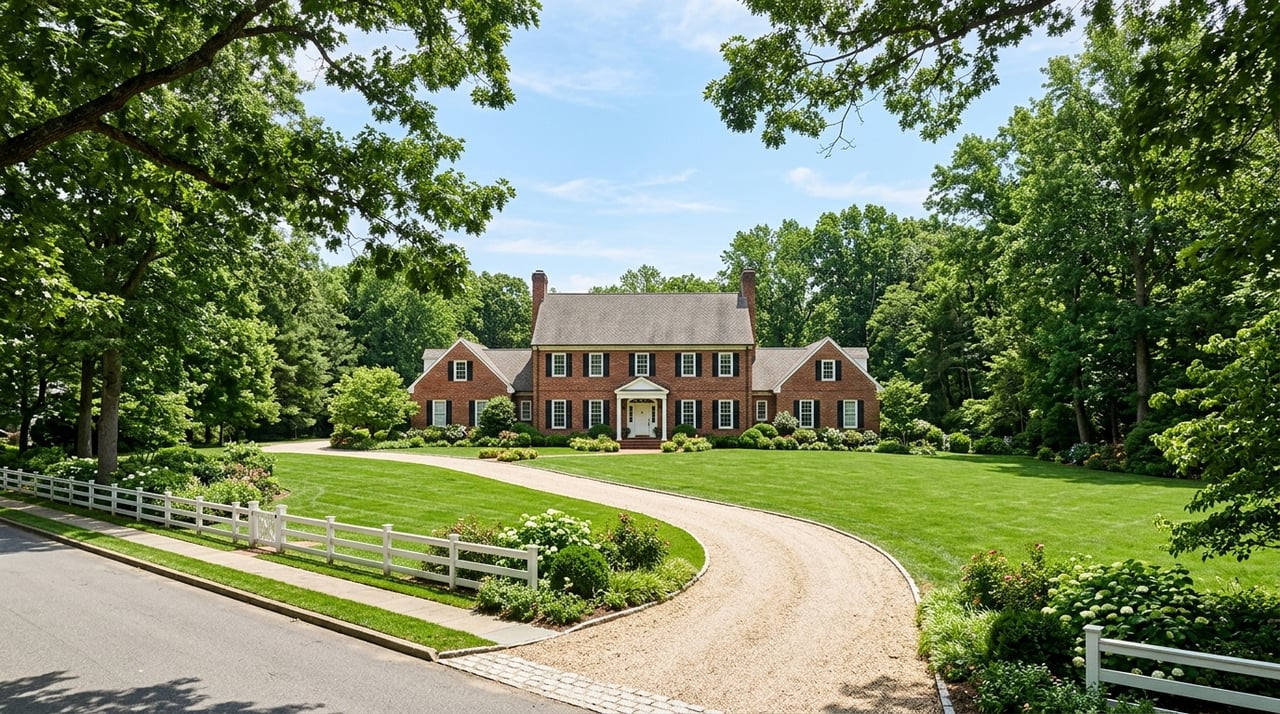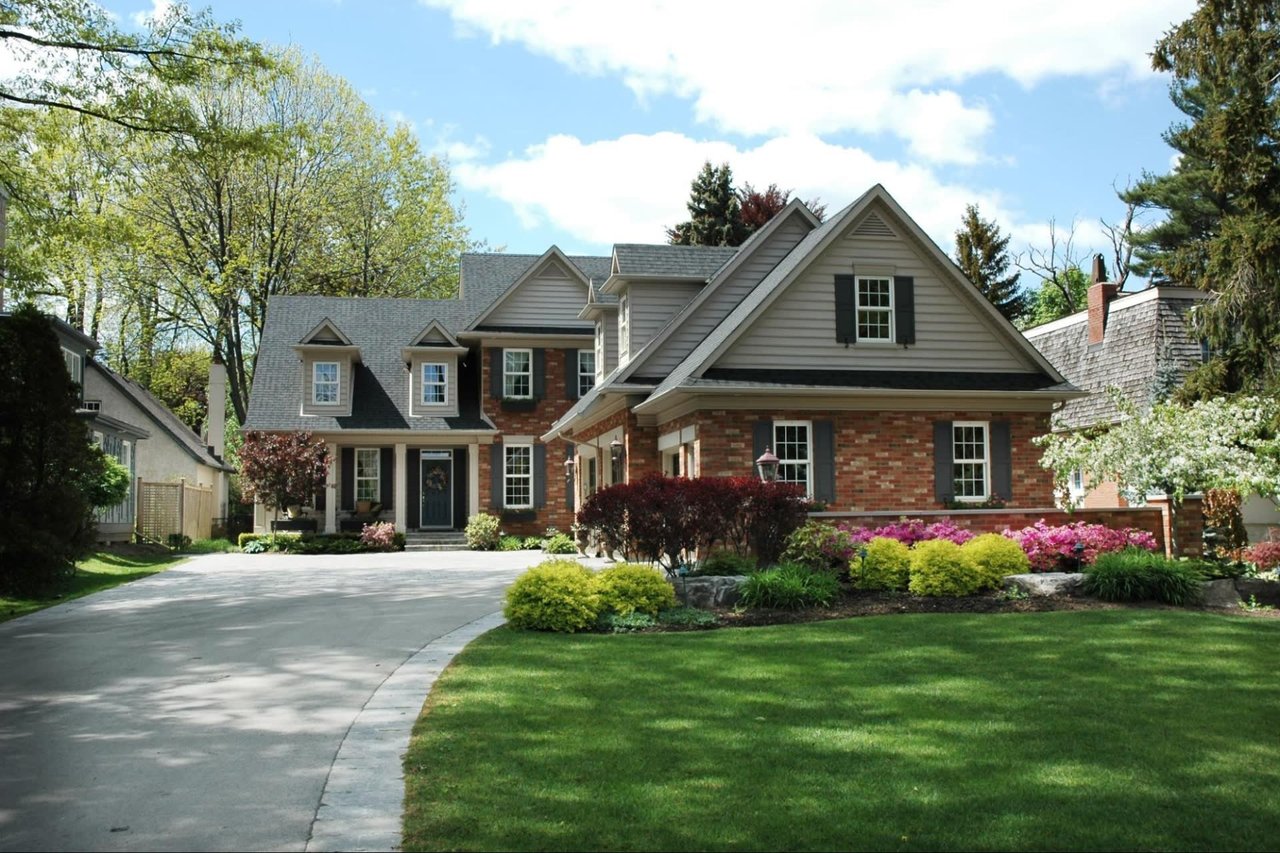
Winterizing a luxury estate across Northern Virginia—from custom builds in McLean to sprawling properties in Great Falls—requires a proactive, multi-system mechanical protocol. Standard home winterization protects property equity by optimizing thermal envelope insulation (R-49 to R-60 attic targets), securing external plumbing lines against sub-zero pipe ruptures, and executing seasonal HVAC system calibrations to minimize unexpected emergency carry costs.
Exceptional asset maintenance directly impacts premium custom property valuations. Connect with Susan Wisely to review verified home upgrade structures or outline tactical listing positioning.
As winter's icy grip approaches, the thought of a cozy, well-insulated home becomes increasingly appealing. Winterizing your home is not just about staying warm; it's a strategic approach to enhance comfort, conserve energy, and protect your property. In this extensive guide, we will explore the structural methods of winterization, offering practical frameworks, clear instructions, and valuable mechanical insights to ensure your home remains a haven of warmth and efficiency during the chilly months.
Winterizing effectively begins with understanding your home's distinct physical vulnerabilities. Conduct a thorough visual and thermal assessment to identify drafty areas, check insulation depth variations in unconditioned zones, and inspect windows and entry points for potential leaks. By pinpointing these localized structural weaknesses early, you lay the baseline groundwork for a comprehensive asset defense strategy.
System / Component | Critical Winter Risk | Preemptive Mitigation Protocol | Target Timeline |
|---|---|---|---|
Exterior Plumbing & Bibbs | Frozen line expansion, sudden pressure pipe ruptures | Isolate indoor shut-off valves, bleed remaining line volume, apply insulated dome caps | Pre-Frost Baseline |
Primary HVAC Heating Plants | Mid-winter igniter failure, heat exchanger cracks | Professional draft testing, carbon monoxide checking, new MERV-11 filter upgrades | Early Autumn |
Attic Insulation Envelope | Thermal bridging loss, ice dam water collection | Verify R-49 to R-60 compliance parameters, spray foam top-plate wiring bypasses | Continuous Audit |
Fireplace & Flue Chimneys | Creosote structural fires, missing throat dampers | CSIA-certified professional sweep, brick spalling checks, top cap pest mesh checks | Prior to Ignition |
Effective weather stripping and caulking play a crucial role in fortifying your home against the elements and ensuring optimal energy efficiency. Weather stripping, typically applied around entry doors and sliding window frames, acts as a primary barrier, preventing cold drafts and maintaining a consistent indoor climate. Meanwhile, polyurethane caulking fills gaps and structural cracks in various intersecting surfaces, such as exterior trim joints and concrete foundations, safeguarding against water penetration and air infiltration.
This technical duo not only enhances the comfort of your living space by minimizing drafts but also contributes significantly to reducing monthly utility carrying costs. By addressing these thermal leaks with high-grade elastomeric compounds and premium materials, you create a more resilient and energy-efficient home environment, ultimately promoting long-term property durability.
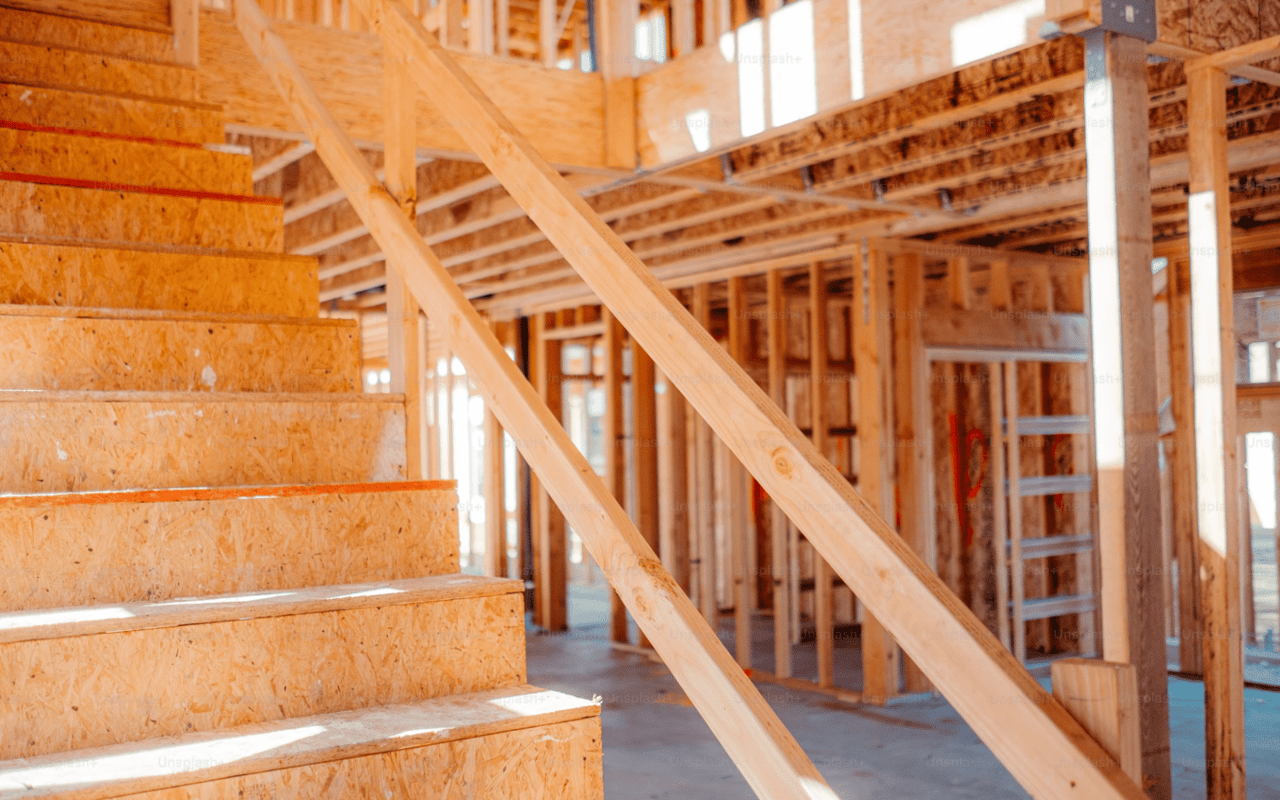
As the freezing winter months settle over the mid-Atlantic, the performance depth of a property's insulation becomes paramount. Effective insulation serves as a formidable thermal barrier against regional cold snaps, ensuring that mechanical warmth stays safely within your finished living levels. From unconditioned attics to deep perimeter crawl spaces, strategic thermal insulation boundaries minimize heat transfer loss and mitigate extreme operational strain on heating systems.
Selecting the exact right profile—whether blown cellulose, fiberglass batts, or closed-cell spray foam insulation—coupled with strict airflow sealing techniques, establishes an uncompromised thermal envelope. By optimizing insulation depths early, you elevate indoor environmental stability while executing a sound financial investment in residential resource protection.
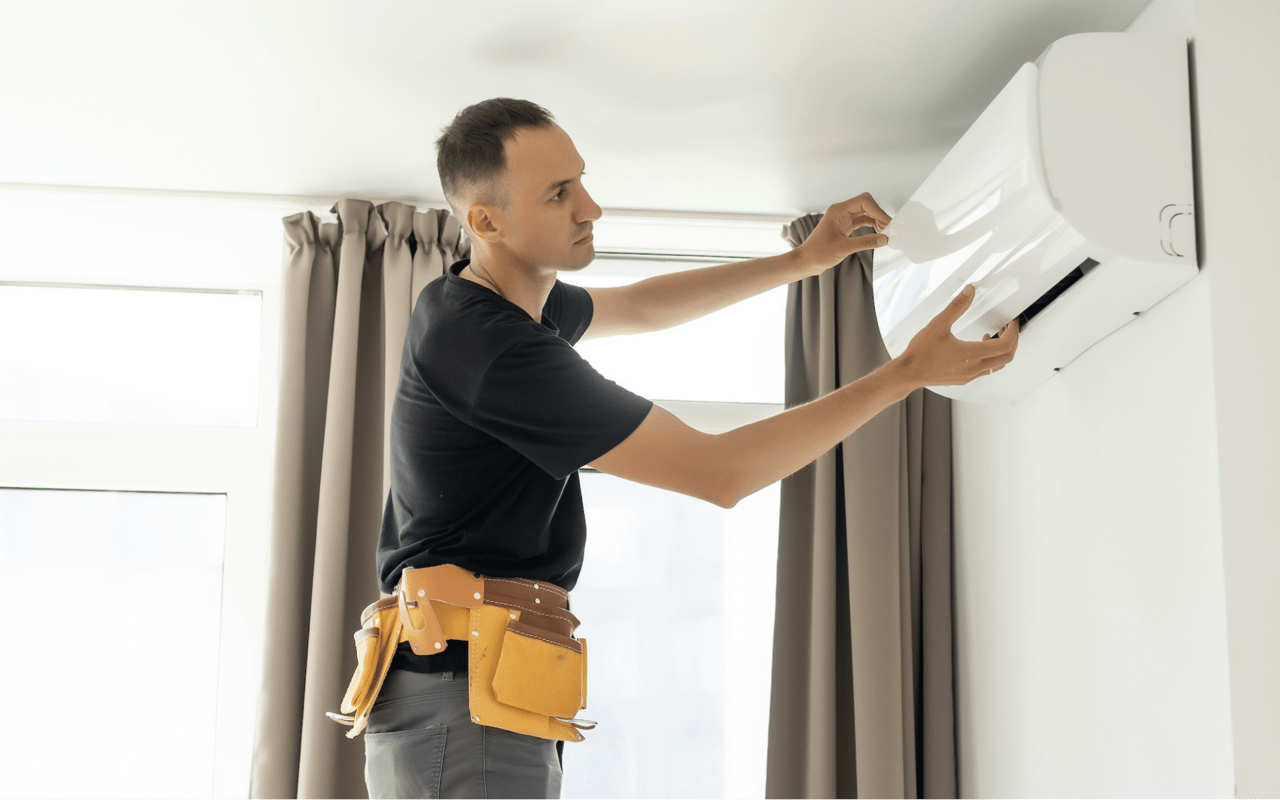
In the comprehensive operational task of winterizing a property, an un-waivable requirement is validating the functional efficiency and safety of your mechanical heating plants. Routine expert maintenance remains the absolute key to preventing untimely component failure during major sub-zero storms. Schedule a certified technician check early to confirm clean heat exchanger walls, check multi-stage burners, and verify heat pump secondary heating line operations.
Consistently change out media filters to safeguard motor airflow and support pristine indoor air quality. Thoroughly verify that supply ducts and return grilles remain unobstructed to balance system static pressure profiles. Giving your central mechanical equipment precise engineering attention ensures consistent indoor climate comfort while extending the operational lifespan of major investments.
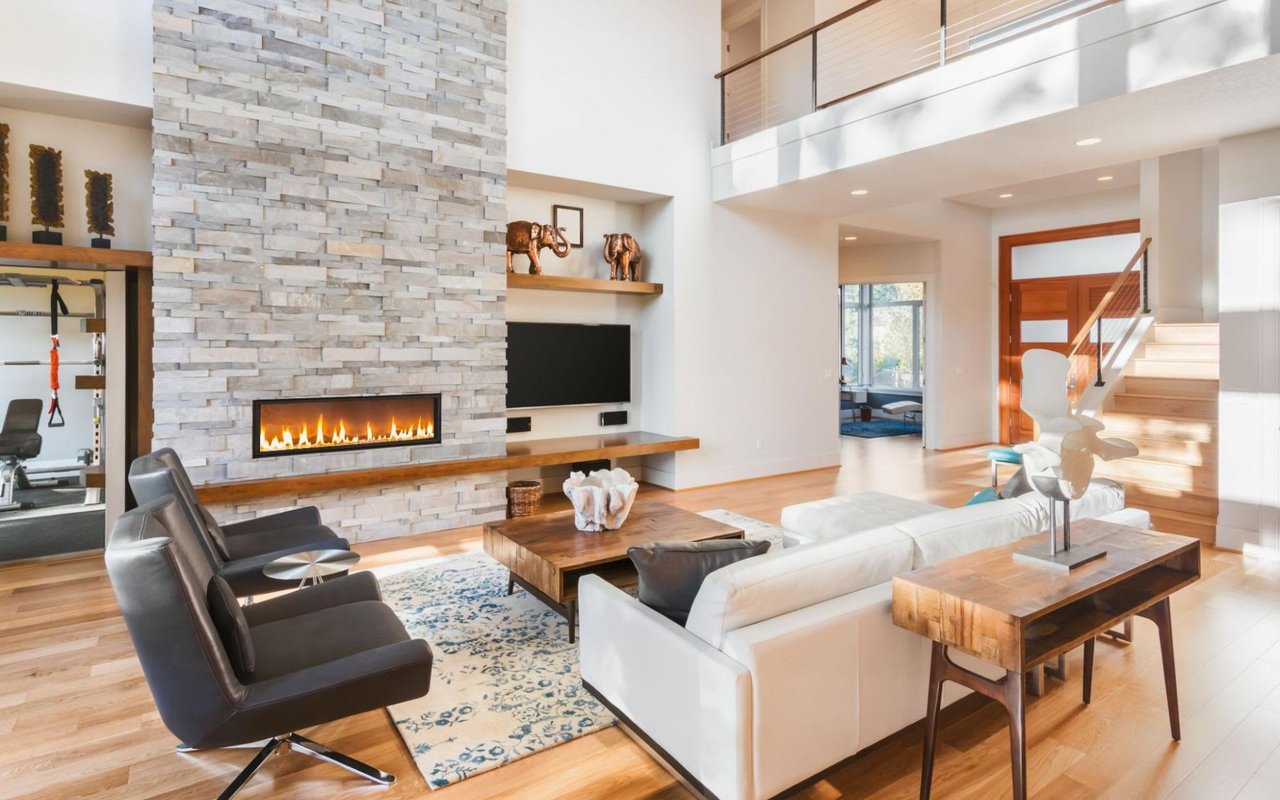
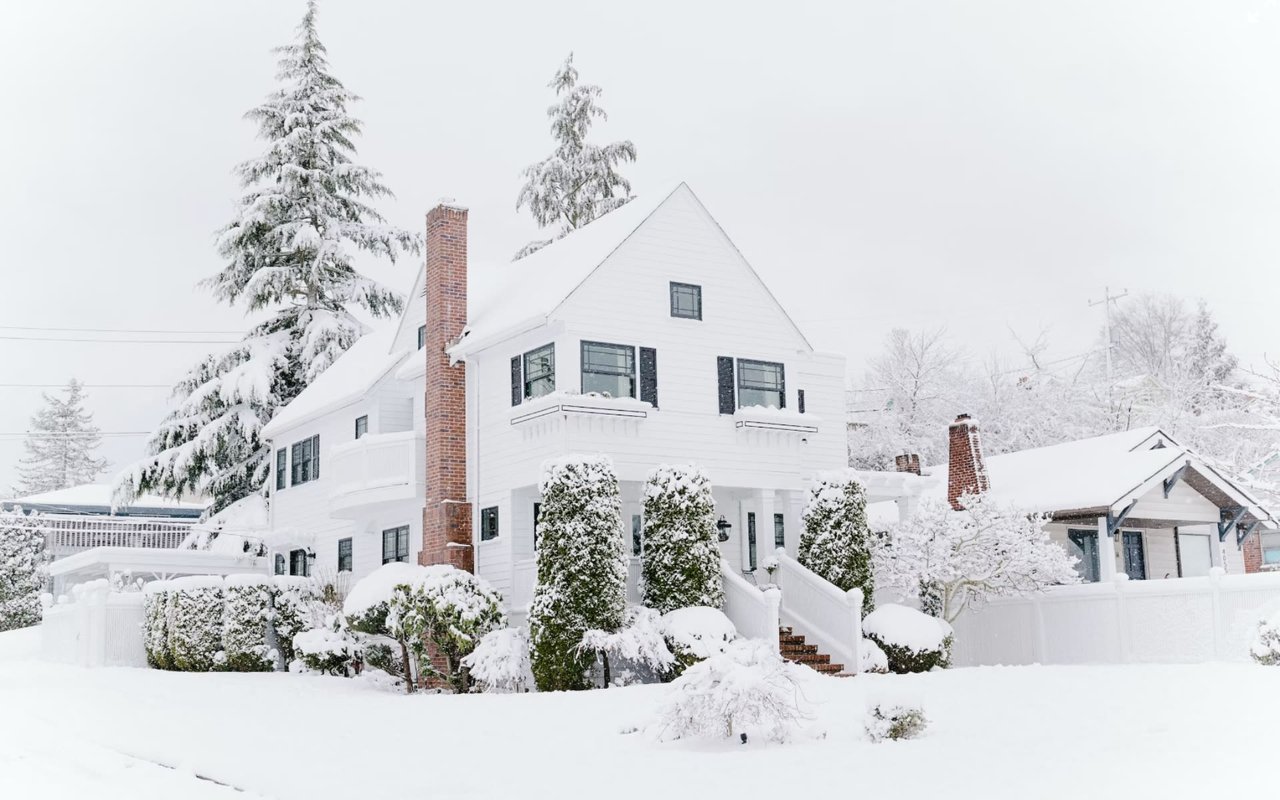
Prior to sparking the initial wood fire of the season, have the chimney flue professionally swept and cleared to extract combustible creosote layers, heavily reducing the danger of dangerous chimney fires. Ensure the throat damper assembly mechanism seals tightly to halt expensive conditional air escape when the fireplace remains unused. Check for masonry spalling or mortar joint cracks within the firebox area.
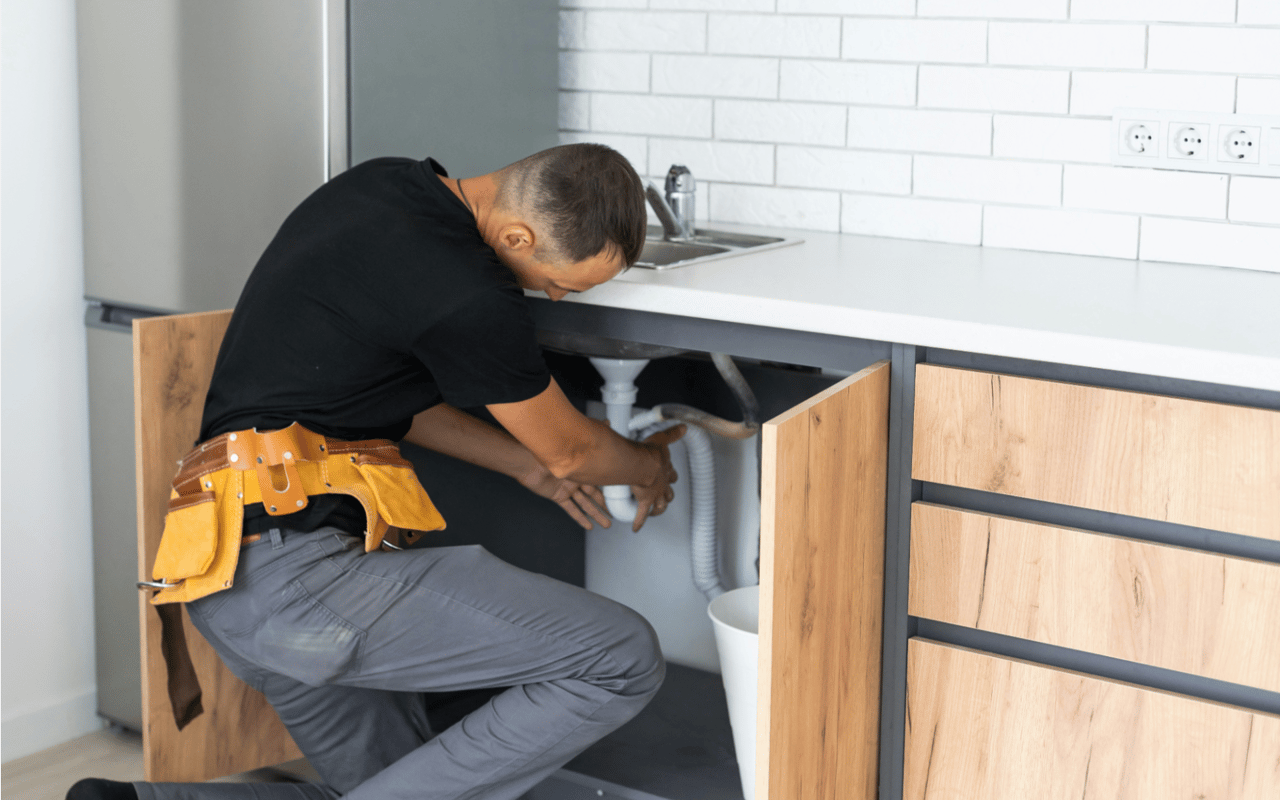
Guarding against frozen line failures is a critical aspect of home winterization to prevent sudden plumbing disasters. Wrap exposed copper or PEX lines located in unheated areas—such as sub-grade crawl spaces, garages, or exterior overhang cavities—with heavy pre-slit foam wrap or automatic heat trace cables. For periods of extreme seasonal cold, allowing isolated terminal faucets to trickle water continuously keeps internal line pressures from climbing to bursting thresholds.
Protecting an upscale property's exterior elements safeguards hardscape investments against freeze-thaw damage. Disconnect, drain, and store heavy flexible garden hoses, ensuring that interior frost-free hose bibb mechanical components drain down correctly. Clean fallen tree foliage and organic leaf blocks completely out of gutter channels and downspout collectors to stop ice dam build-up from backing up beneath your shingle lines.
Winterizing a home is an all-inclusive property defense plan that balances structural envelope adjustments with strict mechanical upkeep. By tracking the systems guidelines outlined within this matrix, you protect operational efficiency while ensuring absolute peace of mind across the entire seasonal cycle.
Susan Wisely is a top-producing Northern Virginia Realtor® with over two decades of experience guiding custom estate listings and luxury home acquisitions across McLean, Great Falls, and Arlington corridors. Her client advisory frameworks leverage rigorous mechanical and asset preservation standards to secure uncompromised transaction values.