Looking for a place that feels connected without feeling crowded? Falls Church stands out because it offers a compact, walkable setting with everyday conveniences, local events, and easy regional access. If you are thinking about buying here, it helps to understand what creates that village feel, how the housing mix works, and what tradeoffs come with buying in a high-demand market. Let’s dive in.
What gives Falls Church its village feel
Falls Church is small by design and experience. The city covers about 2.0 square miles, had about 14,685 residents as of July 2023, and sits roughly 7 miles west of Washington, D.C. That smaller footprint helps daily life feel more connected and easier to navigate.
The city’s 2025 Community Profile says Falls Church blends urban amenities with small-town charm. In the 2025 Community Survey, residents named walkability and a small-town feel among the things they like most. The same survey found that 94% of respondents rated quality of life as good or excellent.
That atmosphere is also supported by the public spaces people use every day. The city says residents place strong value on sidewalks, crosswalks, parks, trails, and streets. For a homebuyer, that matters because the local character is shaped as much by how you move around as by the homes themselves.
Why walkability matters here
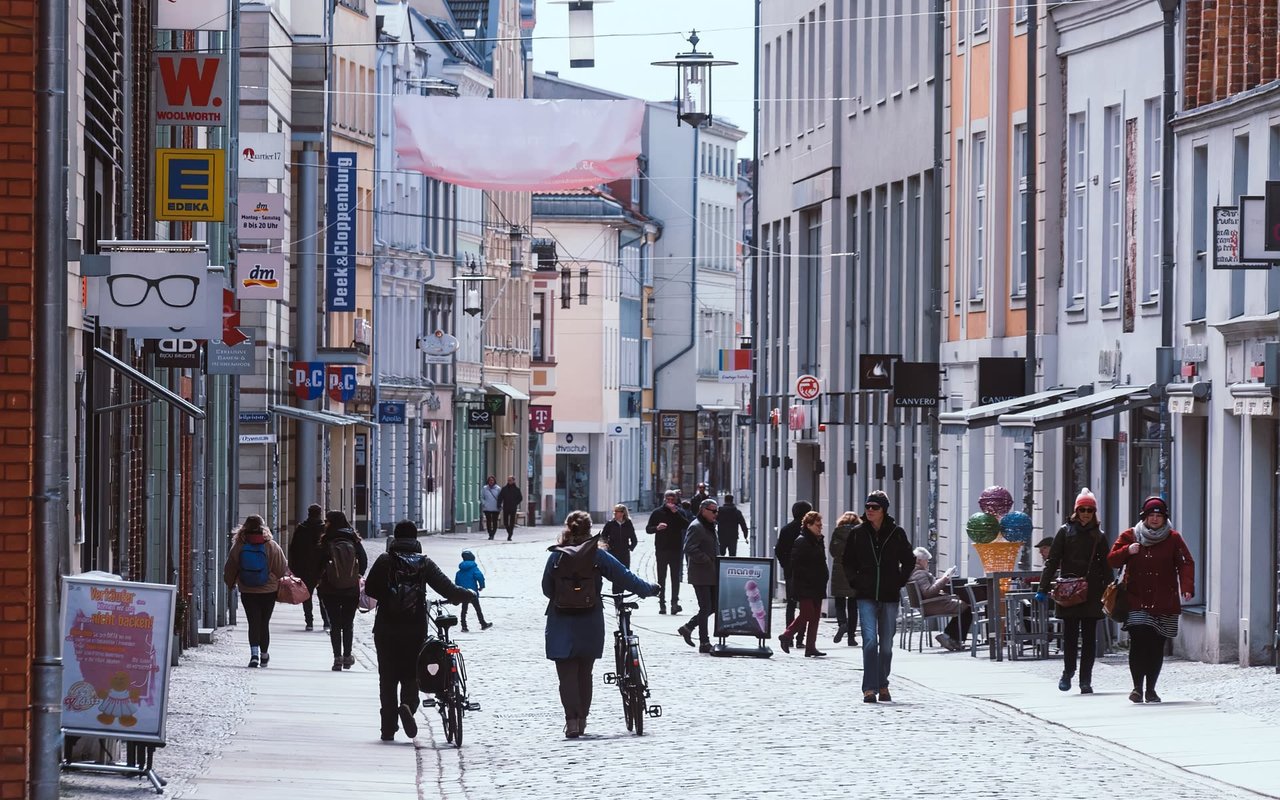
In many suburbs, you drive from one destination to the next. In Falls Church, the downtown core is compact enough that most shops, restaurants, and attractions are a 5- to 10-minute walk from free parking areas, according to the city. That gives the area a true main street feel instead of a spread-out commercial strip.
Regional access adds another layer of convenience. Falls Church is connected by nearby Metro stations, buses, the W&OD Trail, and major roads including Route 7, Route 29, Route 50, I-66, and the Dulles Toll Road. If you want a home base with access to the wider region, that combination can be a big draw.
For buyers, the practical takeaway is simple: homes in more walkable and central locations are often the most competitive. If your priority is being close to the downtown rhythm of daily life, you may need to move quickly when the right property comes up.
Daily life feels community-centered
A village feel is not only about street layout. It is also about whether people actually gather in the same places week after week. Falls Church has several civic and community anchors that reinforce that pattern.
Cherry Hill Park is described by the city as the crown jewel of the park system and the focal point for many special events. The Recreation & Parks Department runs year-round programming there and across the city, including the Memorial Day Parade & Festival, Falls Church Festival, Holiday Gift and Craft Show, and Concerts in the Park.
The farmers market is another major part of local life. It operates year-round at City Hall and features more than 50 vendors. The city profile notes that the weekly farmers market and annual festivals draw strong attendance, helping create a civic gathering place rather than just a shopping district.
Other attractions add to the city’s identity and sense of continuity. The city profile highlights Cherry Hill Farmhouse and Park, Eden Center, Mary Riley Styles Public Library, and the Tinner Hill Historic Site as notable local destinations. For buyers, these places help explain why Falls Church often feels established, active, and rooted in shared public spaces.
The housing mix is more varied than you might expect
If you picture Falls Church as only detached houses on quiet streets, the full market may surprise you. The city has 6,630 housing units, including 2,280 single-family detached homes, 633 single-family attached homes, and 3,411 multifamily apartment units. AARP livability data cited in the research shows that 54.6% of units are multifamily.
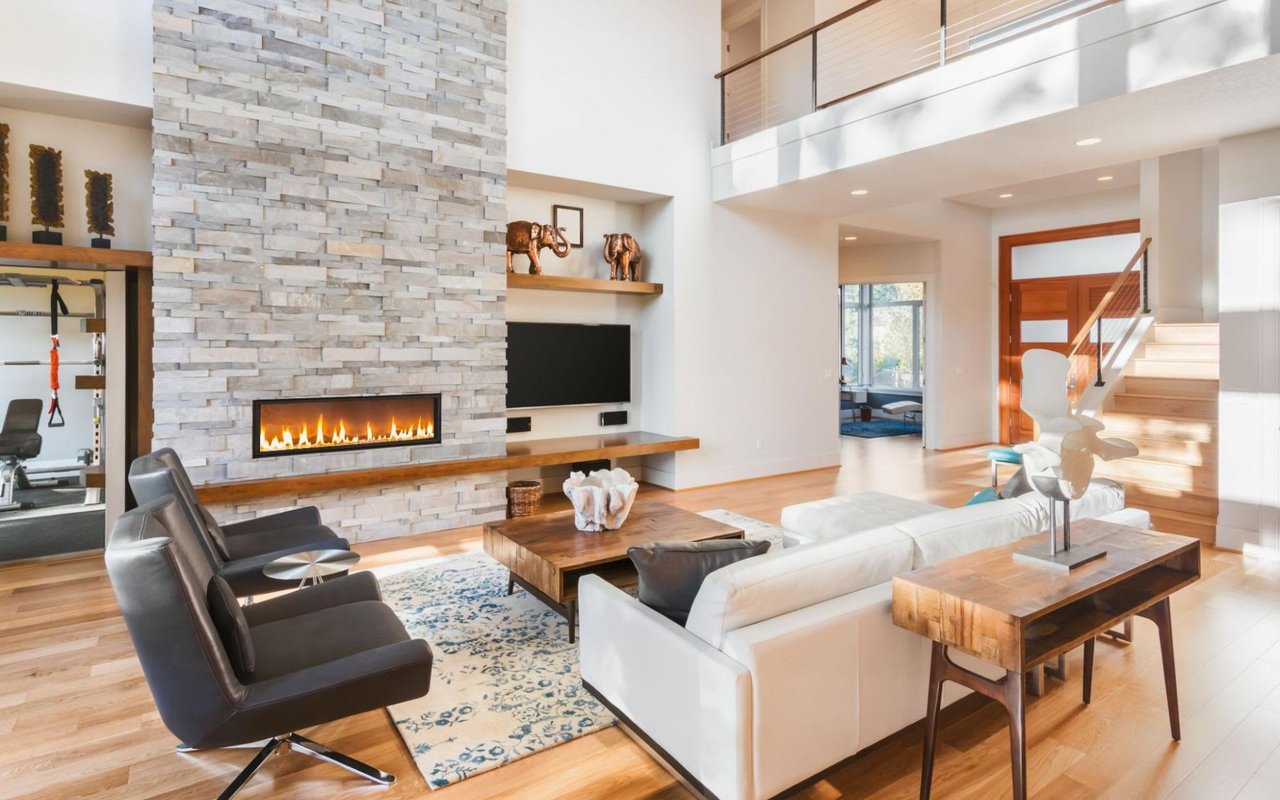
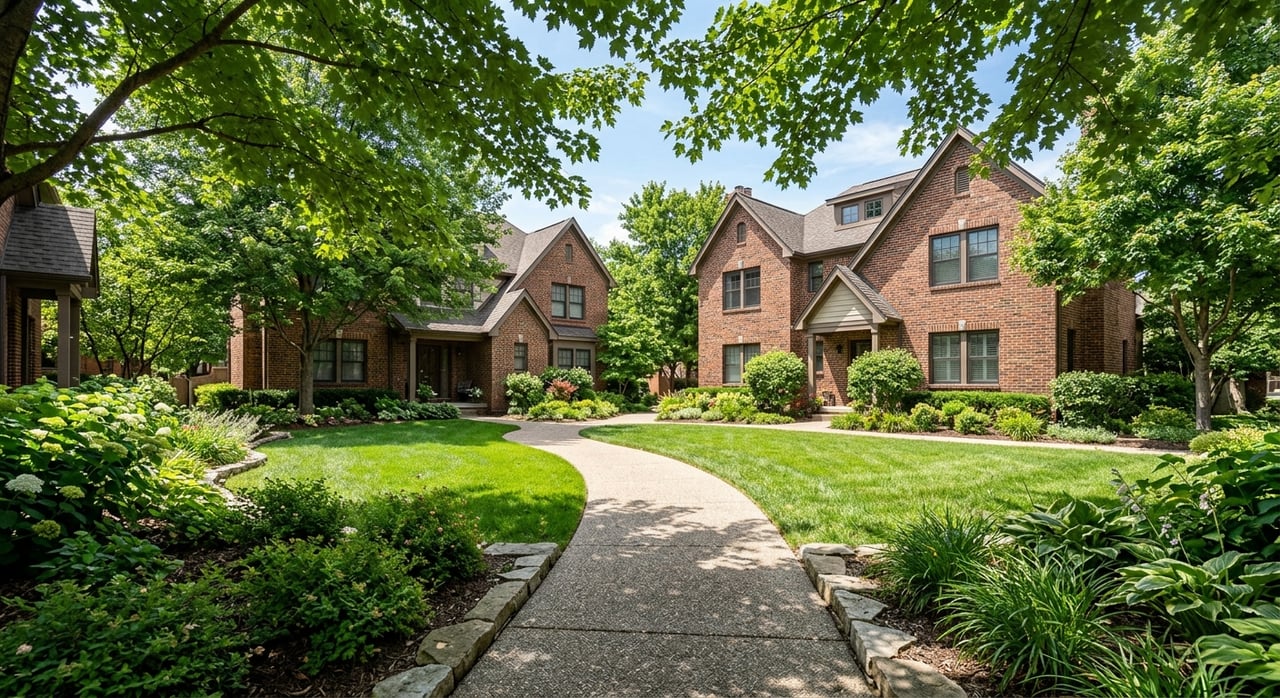
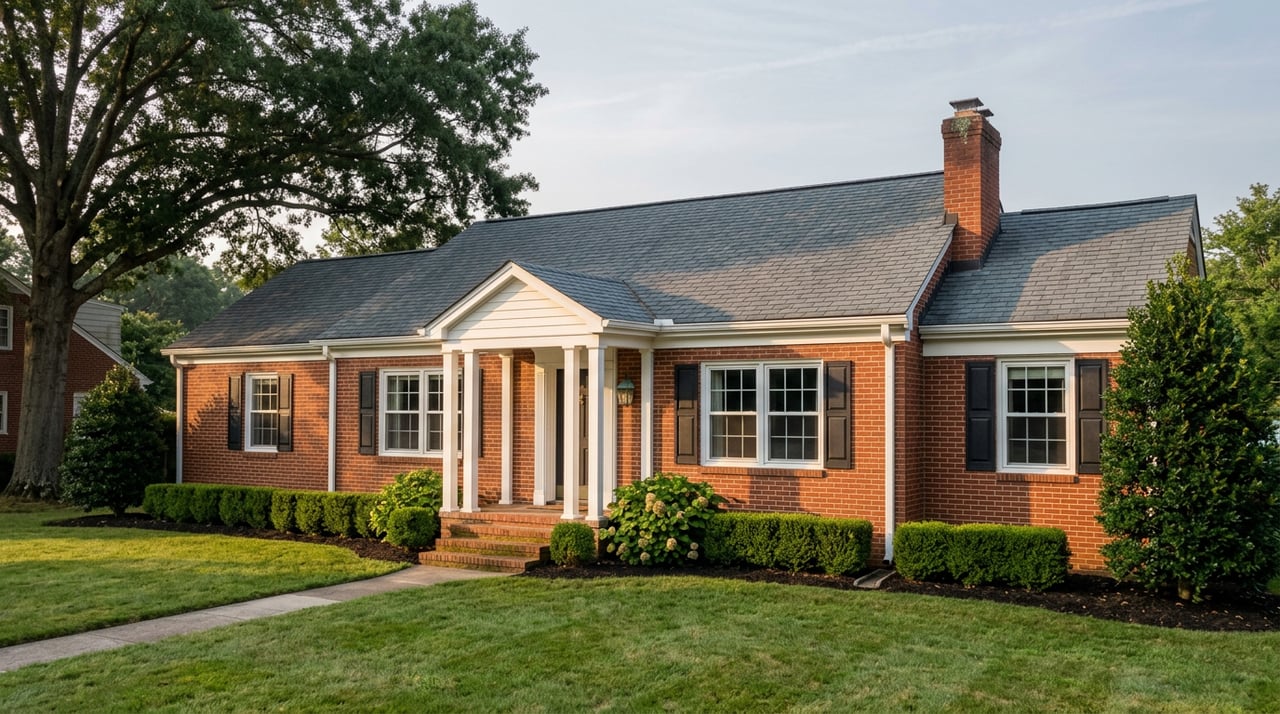
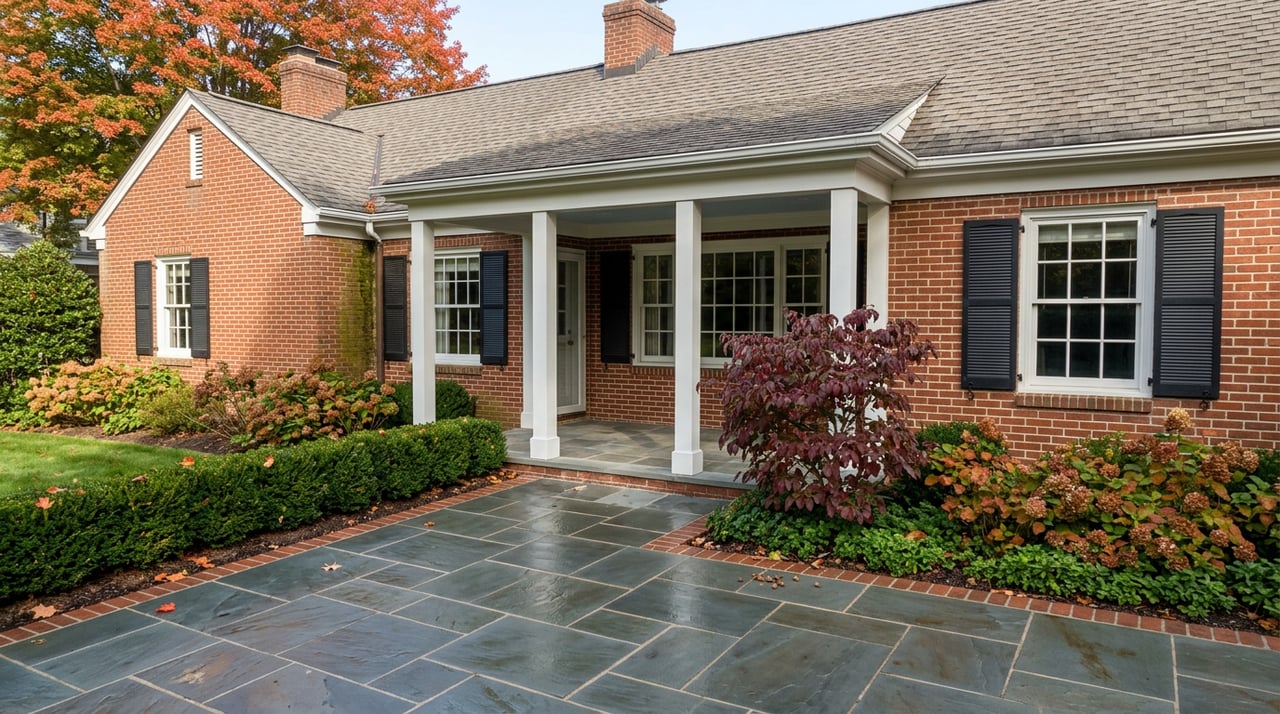
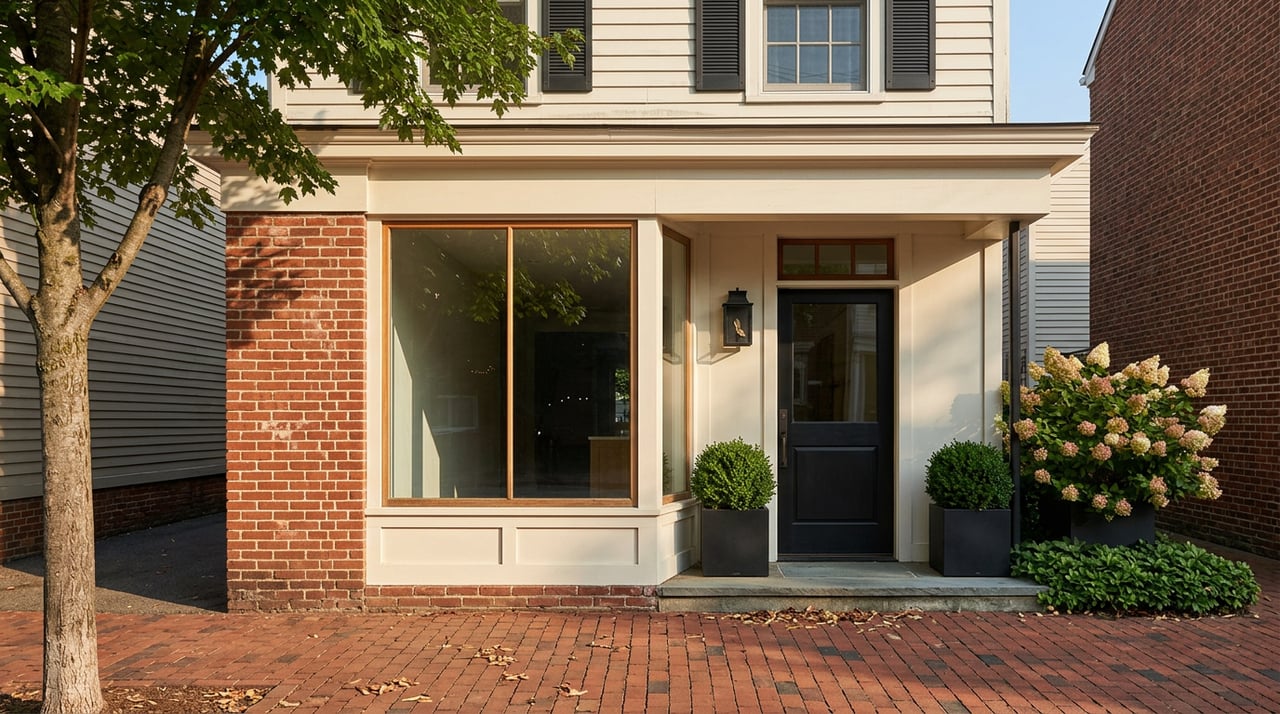
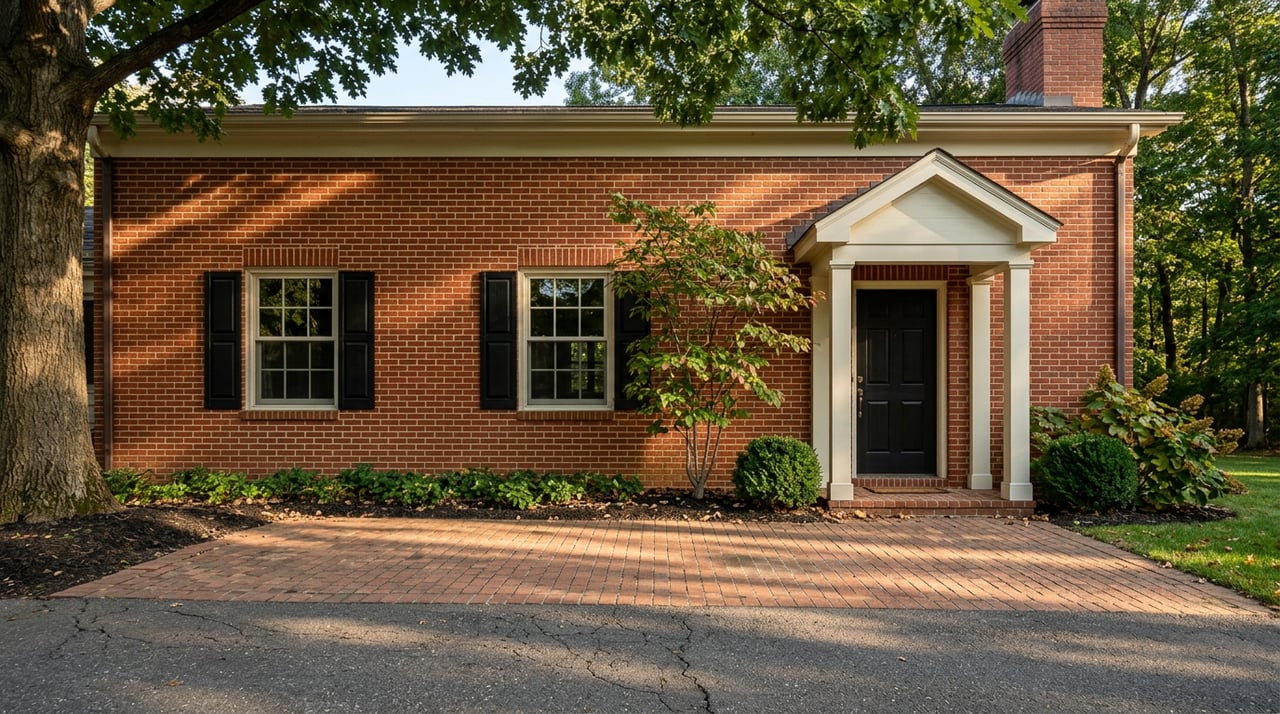
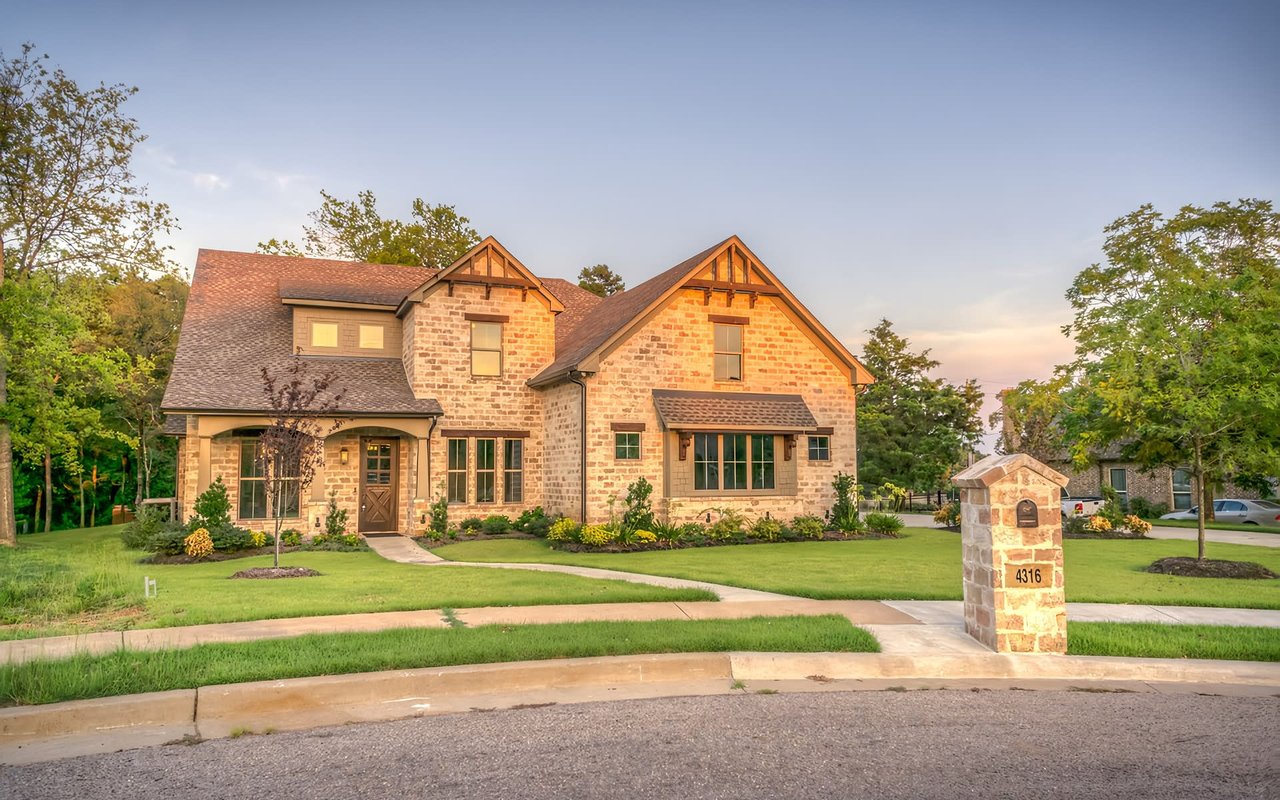
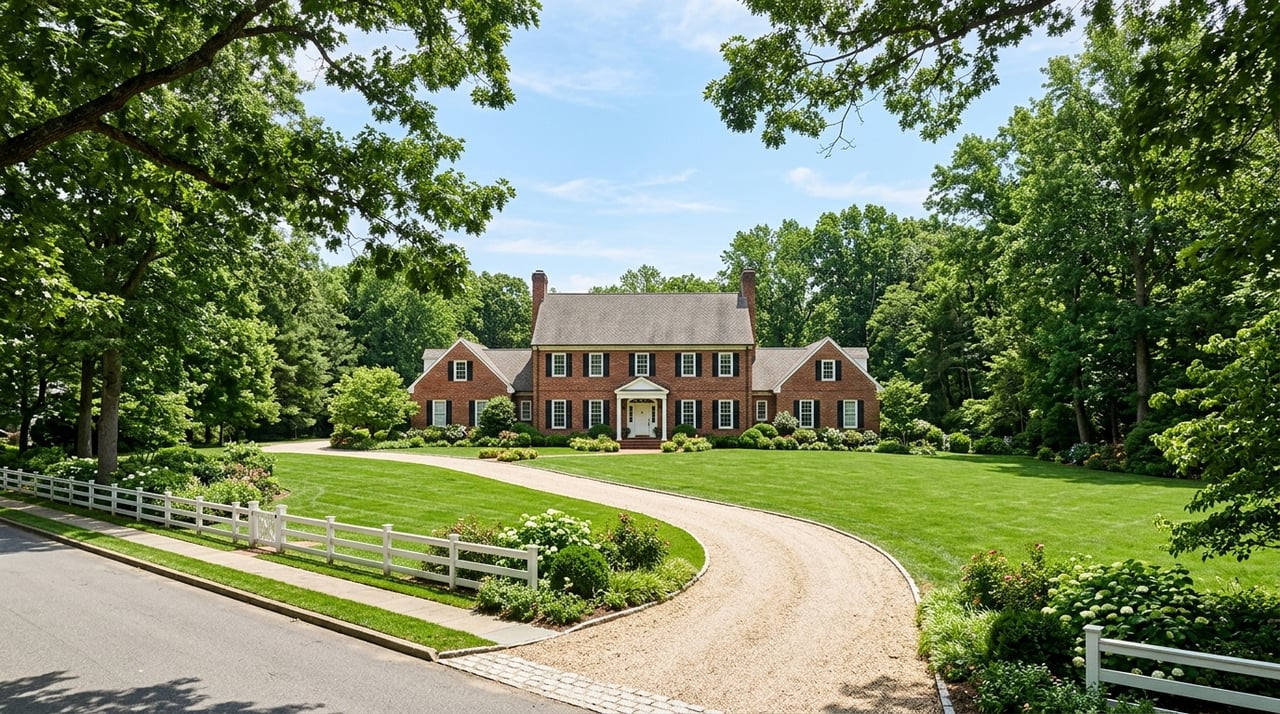
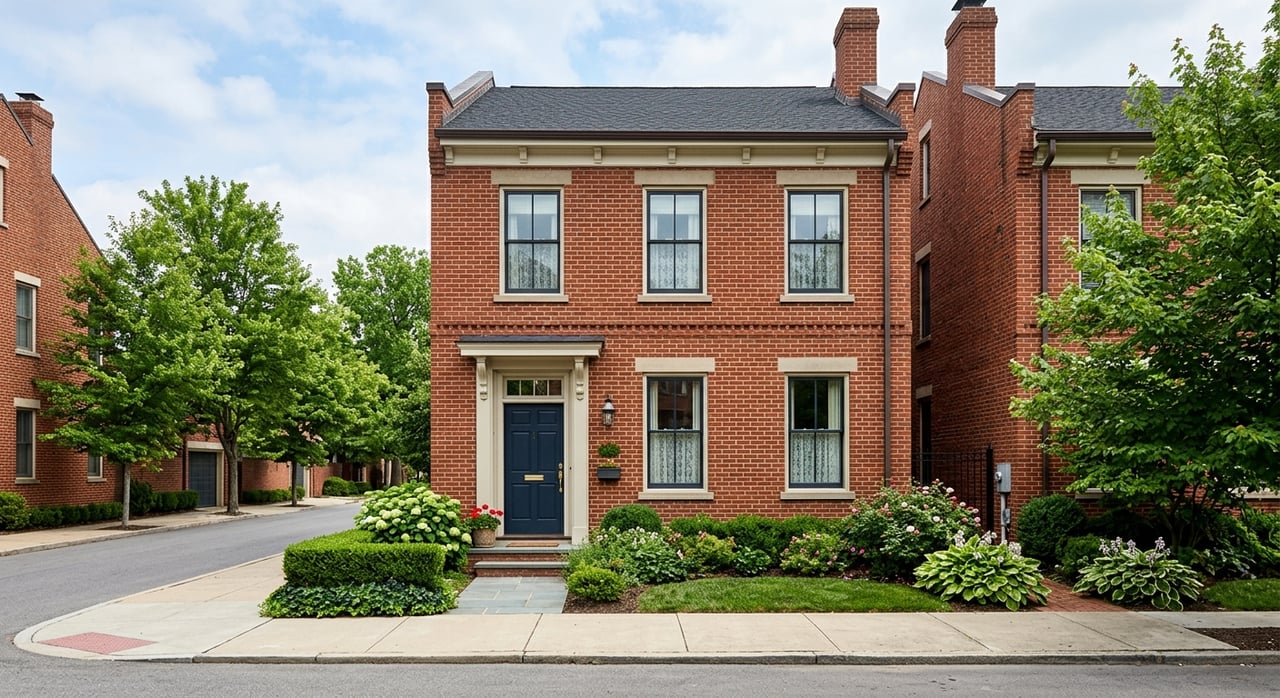
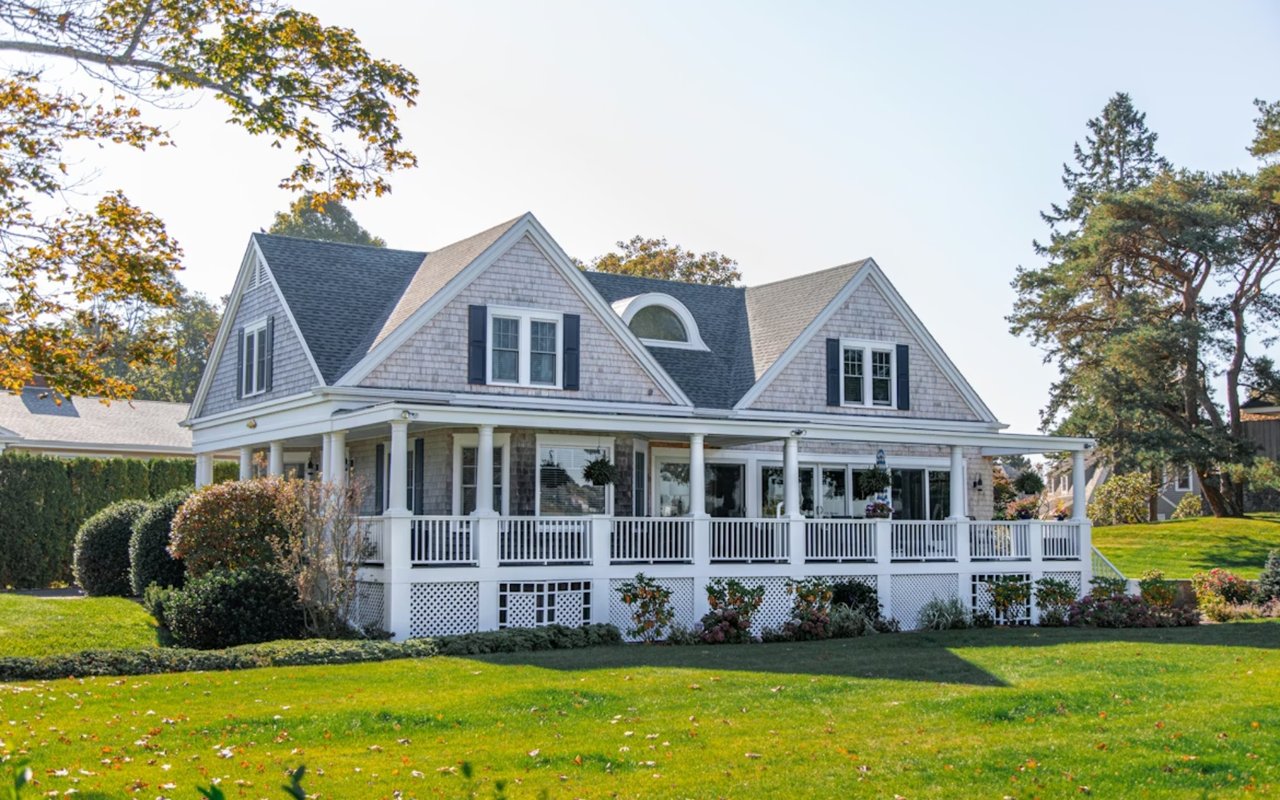
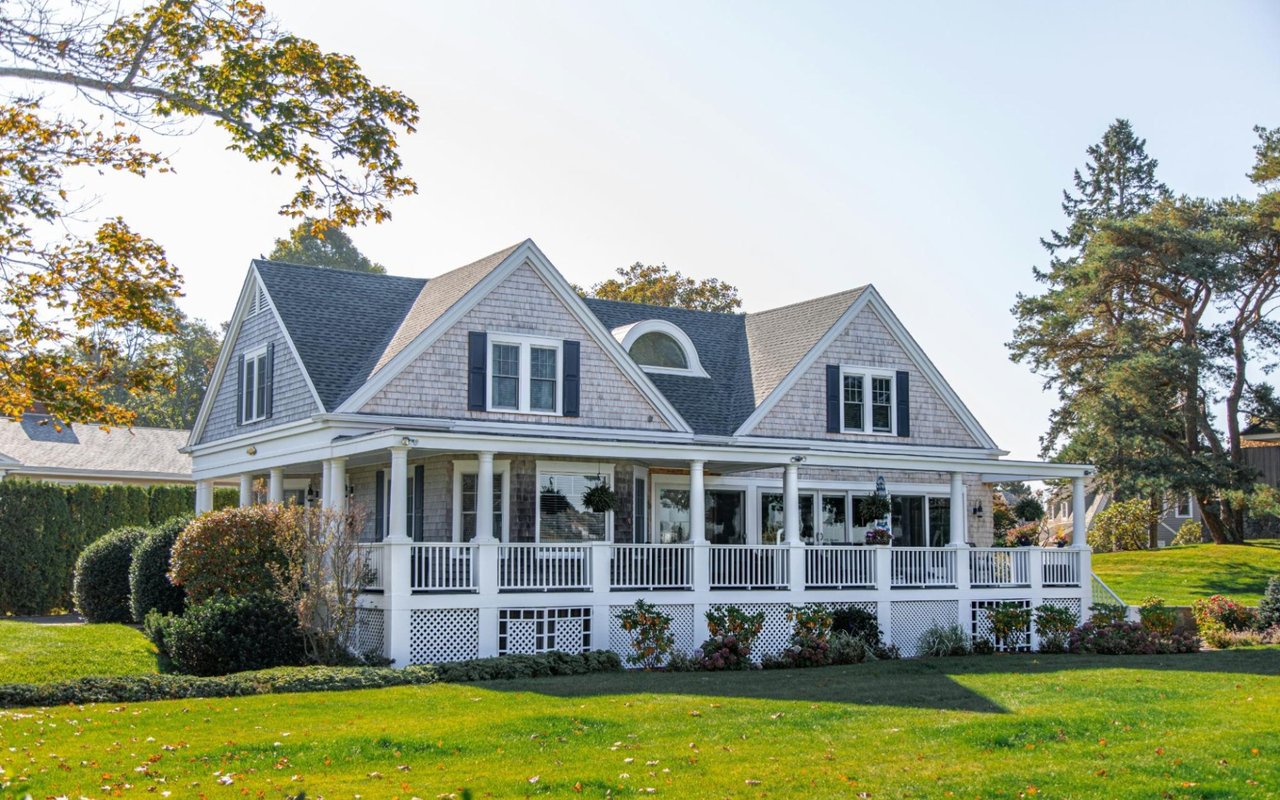
That mix matters because it creates different entry points for buyers. You will find older detached homes, attached homes, and newer multifamily options, often within a relatively small geographic area. This variety is part of what makes Falls Church appealing to buyers with different space needs and lifestyle goals.
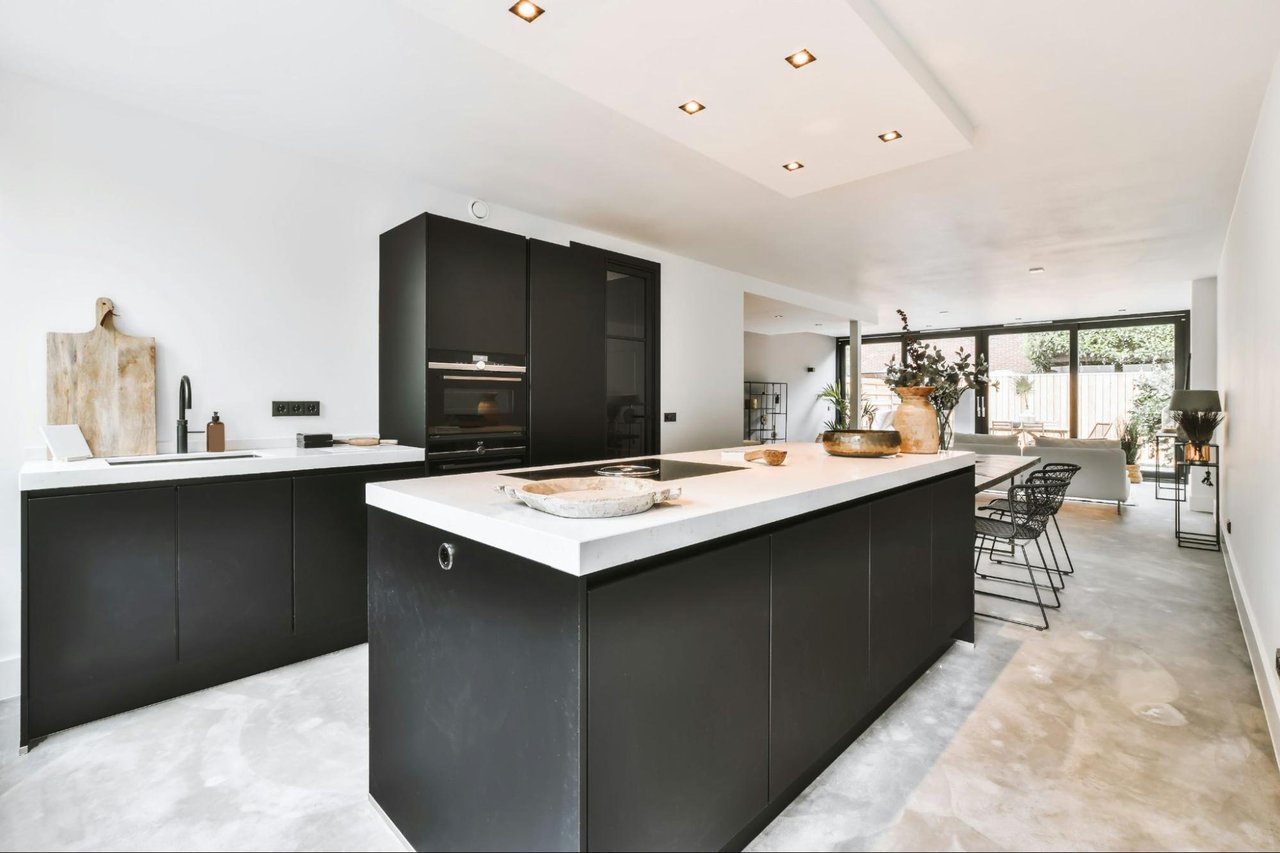
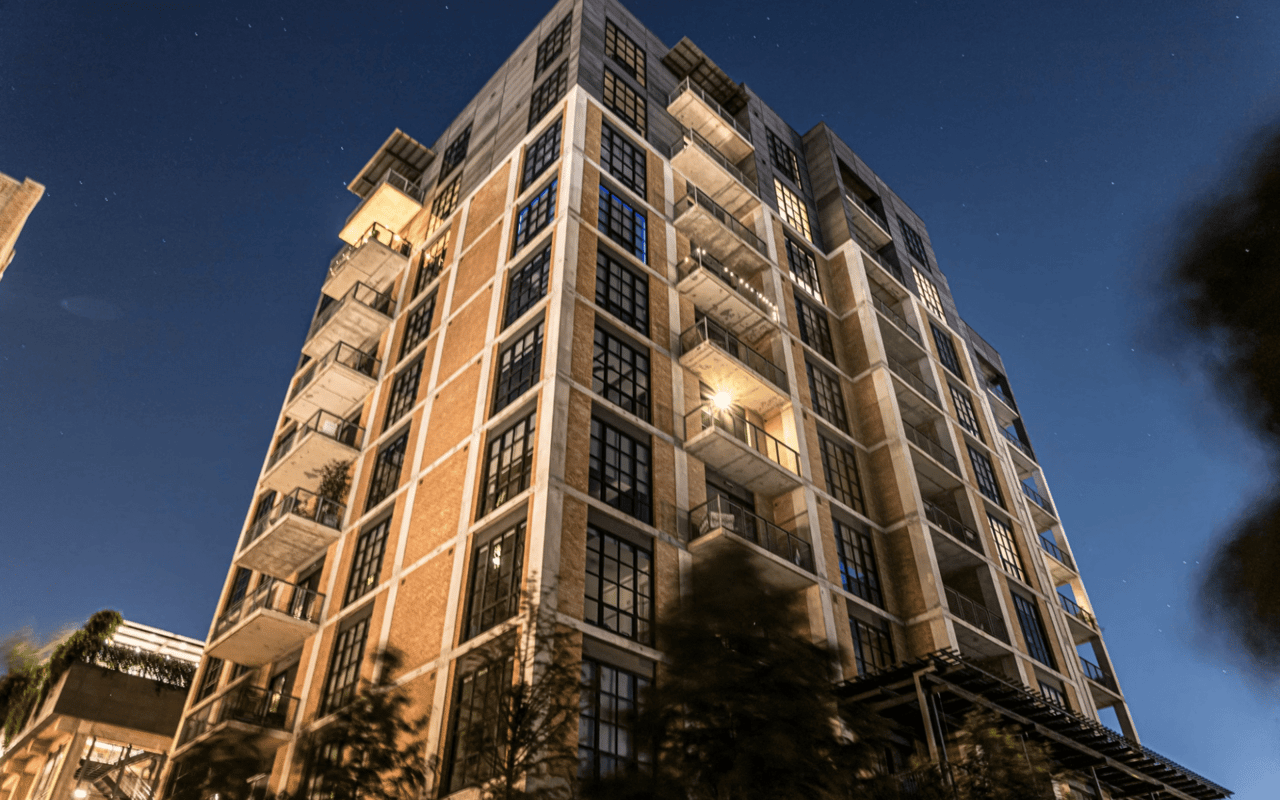
New development has also reshaped parts of the local market. The city says mixed-use projects such as Founders Row, Broad & Washington, and West Falls have added grocers, restaurants, medical and fitness facilities, a theater, and educational services. For buyers, that means newer housing options often come with convenient access to daily needs.
What to expect by price point
Falls Church is widely tracked as a high-value market, though different data sources show different numbers depending on their methodology. Recent figures in the research report include a median sale price of $905,458 from Redfin over the last three months, a median listing price of $834,900 from Realtor.com, and an average home value of $760,185 from Zillow. The city’s February 2024 affordable-housing report, using 2023 sales data, said the median sold home price rose from $938,500 to $1,005,400.
What should you do with those different figures? Treat them as confirmation of the same overall pattern: Falls Church is a premium market where pricing can move quickly depending on property type, location, and condition. The exact benchmark matters less than understanding that buyers are entering a competitive environment.
A practical shorthand from broader ZIP-level medians suggests three general brackets:
- Entry range: low-$400Ks
- Core market: mid-$700Ks to about $1M
- Upper end: about $1.29M+
Because ZIP boundaries can overlap with nearby areas, those brackets are best used as rough planning ranges, not strict city-only rules. They are still helpful when you start narrowing your budget and property type.
Competition is real
Falls Church is not just expensive. It is also fast-moving. Redfin reports homes selling in about 27.5 days with 4 offers on average, while Realtor.com reports 21 median days on market and a 101% sale-to-list ratio. Zillow reports homes going pending in about 14 days.
That pace can feel stressful if you are unprepared. In a market like this, clarity matters. You will want a realistic budget, a strong understanding of your must-haves, and a plan for how much compromise you are willing to make on size, condition, or location.
This is where working with an experienced local advisor can help you stay grounded. In competitive Northern Virginia markets, preparation often makes the difference between reacting emotionally and making a smart, timely decision.
Older homes need extra due diligence
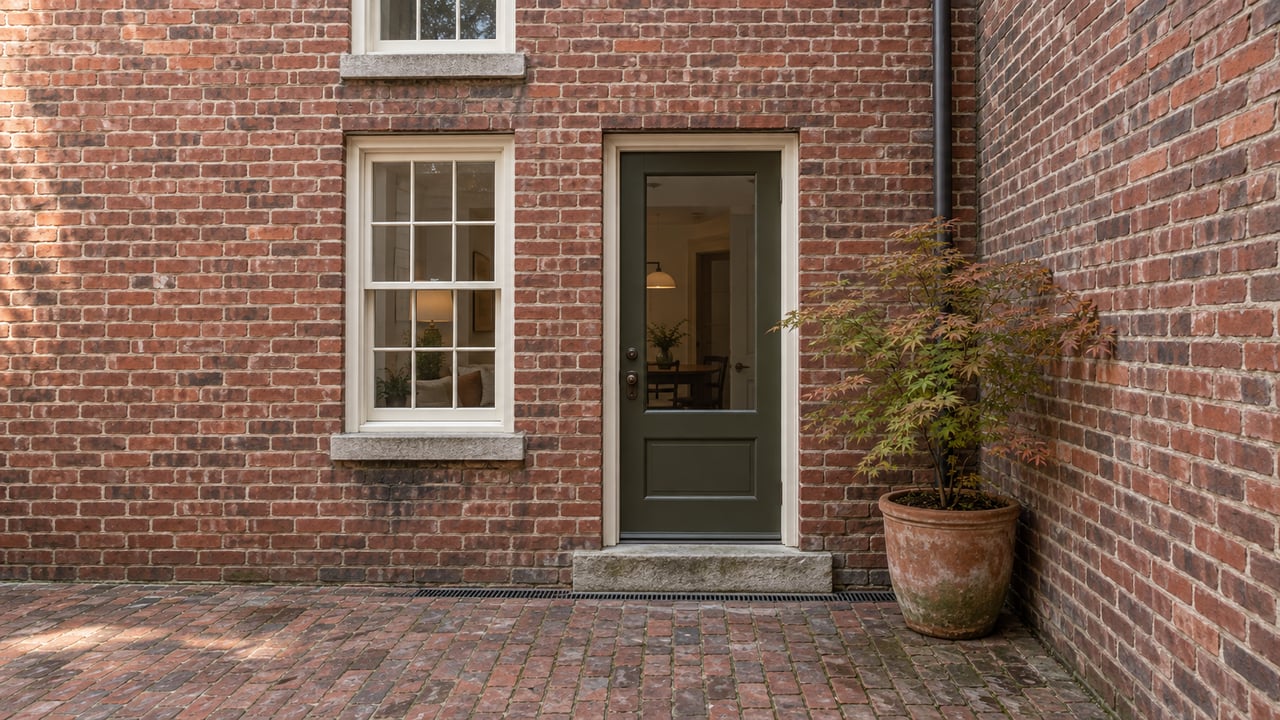
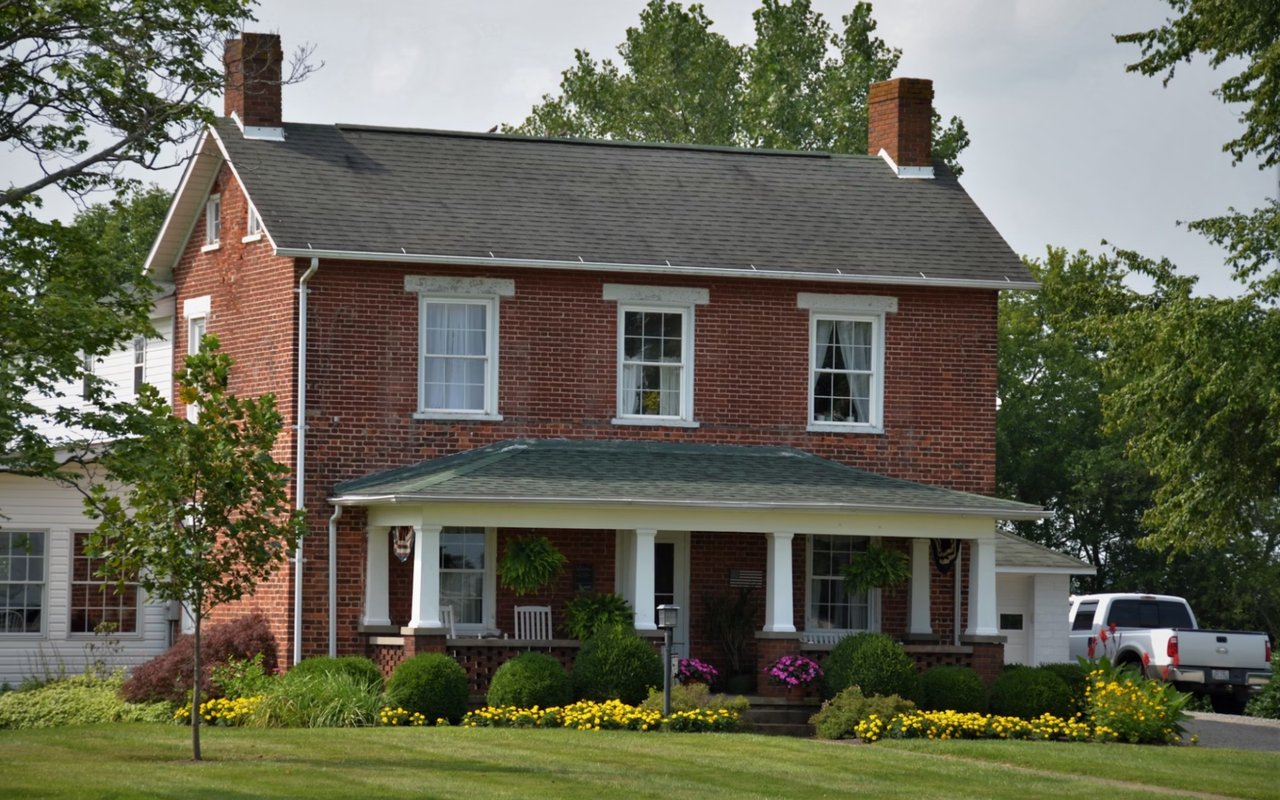
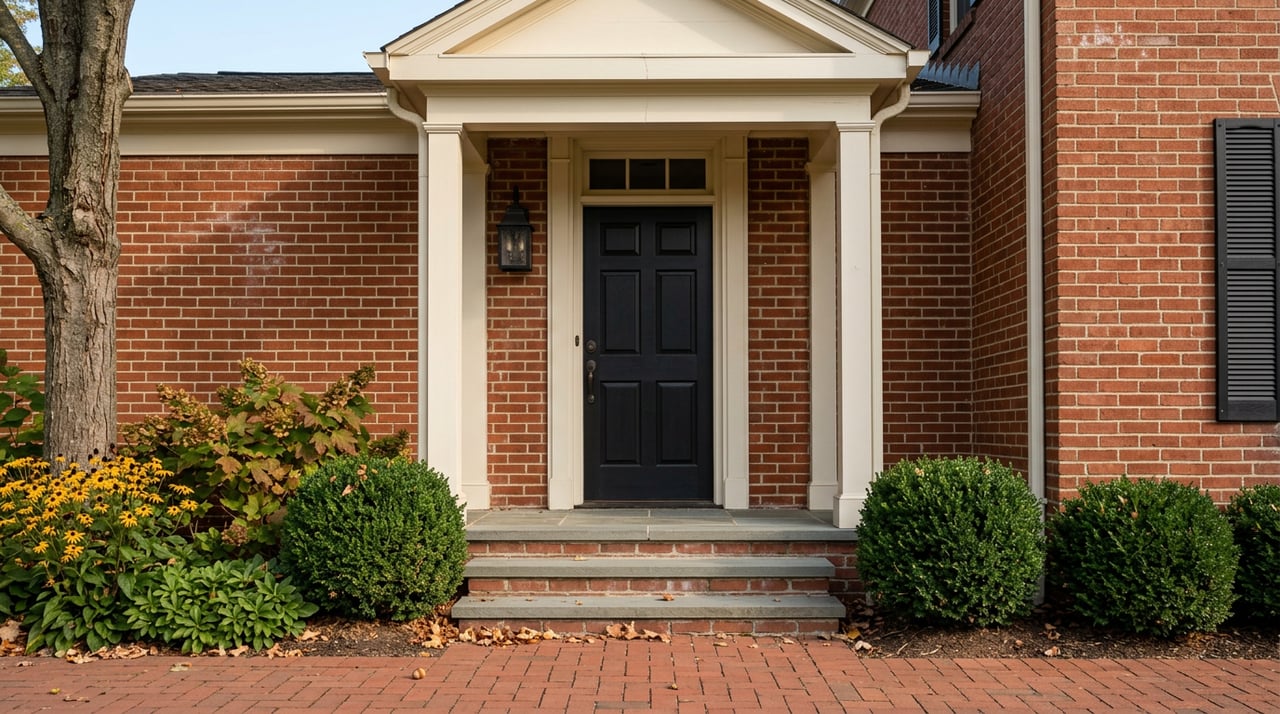
Part of Falls Church’s charm comes from its established housing stock. But older homes can come with additional review requirements that buyers should understand before making plans for renovations or additions.
The Historic Architectural Review Board, or HARB, covers the entire city as a historic district overlay. Protected residences built in or before 1910 cannot be razed or removed without HARB approval. If you are considering an older property, especially one with future renovation goals, it is wise to factor in extra due diligence on exterior changes, additions, and project timing.
That does not mean older homes are a problem. It simply means you should match the home to your goals. If you want original character and are comfortable with more planning, an older property may be a strong fit. If you prefer lower-maintenance living or newer systems, a condo, townhome, or newer mixed-use development may better suit your needs.
How to decide if Falls Church fits you
Falls Church tends to work best for buyers who value convenience, walkability, and a more connected daily rhythm. If you like the idea of local events, a compact downtown, and the ability to get around the region easily, the city has a lot to offer.
At the same time, every benefit has a tradeoff. The village feel, central location, and reinvestment across the city support strong demand, but they also contribute to higher prices and faster competition. In other words, you are often paying for both the home and the lifestyle that comes with it.
A simple way to assess fit is to ask yourself a few questions:
- Do you want a compact setting rather than a more spread-out suburb?
- Is walkability high on your list?
- Are you open to condos, townhomes, or mixed-use living if detached homes stretch your budget?
- If buying an older home, are you prepared for added renovation due diligence?
- Are you ready to act quickly when the right home appears?
If the answer to most of these is yes, Falls Church may be a strong match.
Buying wisely in a fast market
When you buy in a place with a strong identity, it helps to look beyond the listing photos. In Falls Church, the appeal comes from the full package: a compact footprint, active public spaces, year-round events, mixed housing choices, and access to the broader region. That is what gives the city its village feel.
If you are weighing your options, focus on the lifestyle you want first, then align your budget, housing type, and timing around that goal. A thoughtful plan can help you compete more confidently and choose a home that truly supports how you want to live.
If you are considering a move in Falls Church or elsewhere in Northern Virginia, Choose Wisely Group offers hands-on buyer guidance grounded in local experience, clear strategy, and calm execution.
FAQs
What makes Falls Church feel like a village to homebuyers?
- Falls Church combines a small 2.0-square-mile footprint, walkability, public gathering spaces, year-round events, and a compact downtown where many destinations are within a 5- to 10-minute walk.
How competitive is the Falls Church housing market for buyers?
- Recent market data in the research report shows homes can sell quickly, often within a few weeks, with multiple offers and sale-to-list ratios around or above list price.
What types of homes can you buy in Falls Church?
- Buyers can find a mix of single-family detached homes, attached homes, and multifamily housing, including newer options in mixed-use developments and older homes on established residential streets.
What price range should buyers expect in Falls Church?
- Falls Church is generally a high-value market, with broad planning ranges from the low-$400Ks at the entry end to the mid-$700Ks to about $1M in the core market, and about $1.29M+ at the upper end.
What should buyers know about older homes in Falls Church?
- Buyers of older properties should plan for added due diligence because the citywide historic district overlay and HARB review can affect raze, removal, and some exterior change or addition plans.
Is Falls Church a good fit if you want walkability and D.C. access?
- Falls Church may be a strong fit if you want a compact, pedestrian-oriented setting with access to nearby Metro stations, buses, major roads, and the wider Washington region.