By the Choose Wisely Group
Somewhere between the endless scroll of home tours and the pressure to keep up with every design trend, a quieter movement has taken hold. Minimalism has shifted from an aesthetic choice into a lifestyle philosophy, and more people are discovering that clearing the clutter from their homes and routines creates space for something far more valuable: clarity. If you live in McLean, VA, where well-appointed homes and high-achieving schedules often go hand in hand, minimalism can feel like an unachievable goal. But it does not have to be dramatic to be effective.
The idea that minimalism means living with bare walls and a single coffee cup is one of the most persistent myths about this lifestyle. In practice, minimalism is about intentionality. It asks you to evaluate what you own, how you spend your time, and what you actually need to feel comfortable and at ease in your own home. The result is less maintenance, less decision fatigue, and more room for the things that matter to you.
Whether you are drawn to the clean lines of a well-edited living room or simply exhausted by the mental load of managing too much stuff, this guide will walk you through how to incorporate minimalism into your everyday life in a way that is realistic, sustainable, and rewarding.
Key Takeaways
- Minimalism is about intentional living, not deprivation, and can be adapted to fit any home or lifestyle.
- Starting small with one room or one category of belongings makes the process far more manageable.
- A minimalist mindset extends beyond physical possessions to include how you structure your time and routines.
- Homes in McLean, VA, with their generous square footage and classic architecture, often benefit tremendously from a thoughtful, edited approach to decor and organization.
- Sustainable minimalism is built on habits, not one-time purges.
Start With One Room, Not the Whole House
One of the most common reasons people abandon minimalism early is that they approach it as an “all-or-nothing” overhaul. You do not need to gut your entire home in a weekend to feel the benefits. Instead, choose a single room or even a single surface to begin with, and let the results motivate you to keep going.
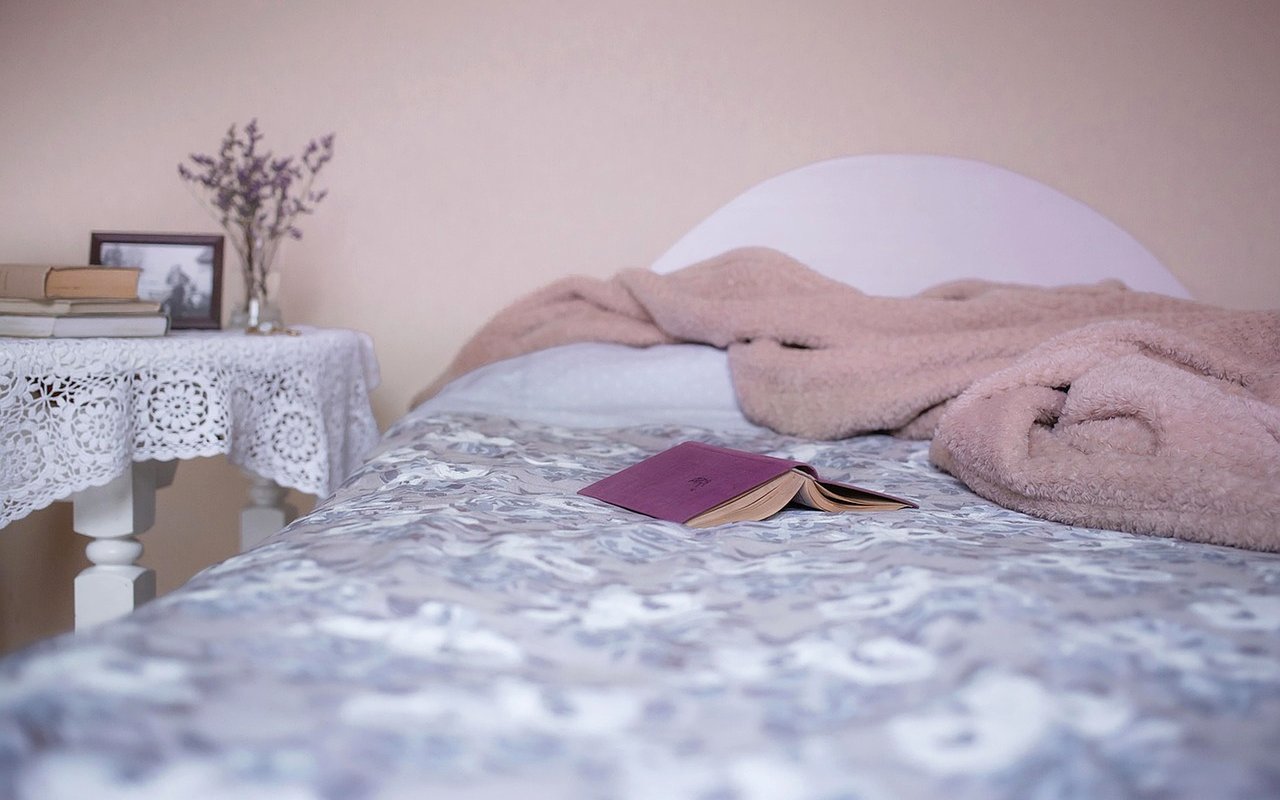
The bedroom is often a great starting point because it directly influences how you feel when you wake up and wind down. When your sleep environment is calm and uncluttered, it tends to support better rest and a quieter mind. Start by removing items that do not belong there, then evaluate what remains. Does everything in the room serve a purpose or bring you real happiness? If not, it may be time to let it go.
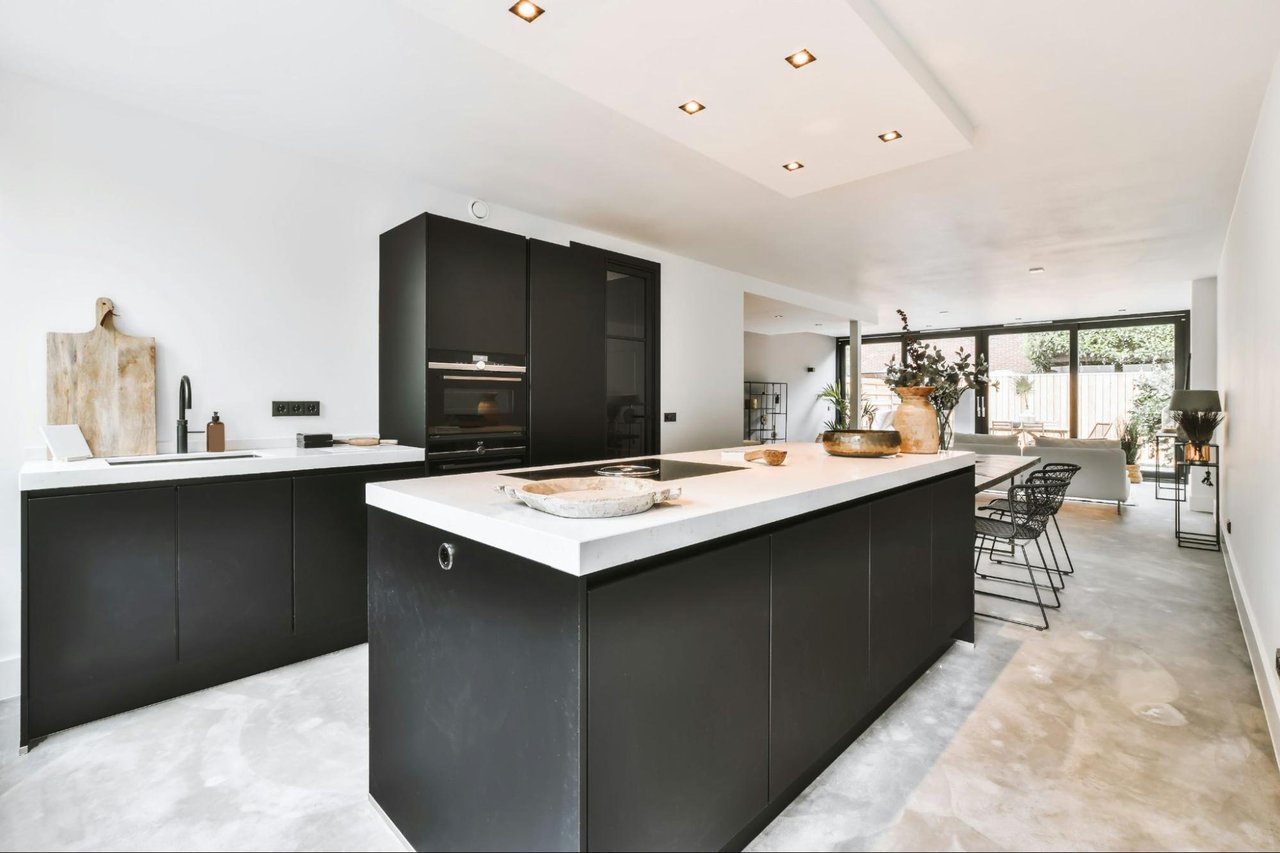
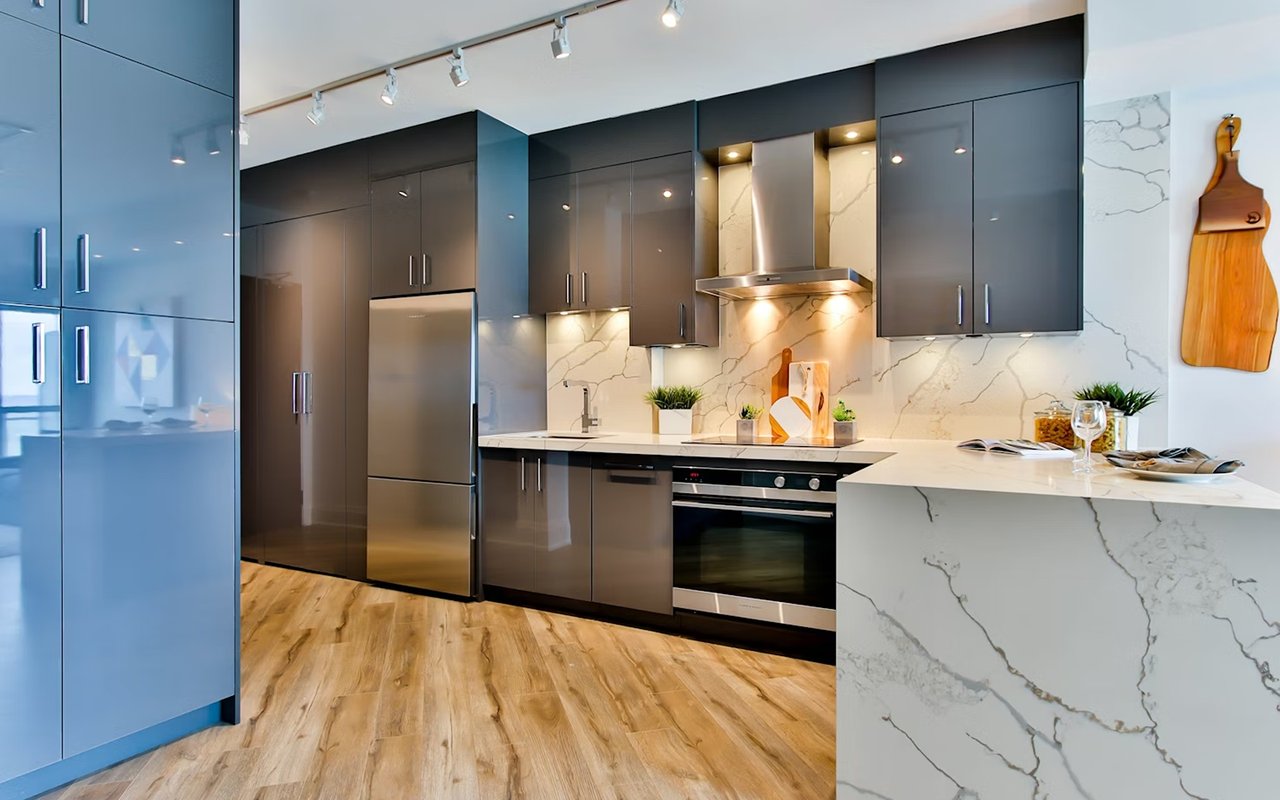
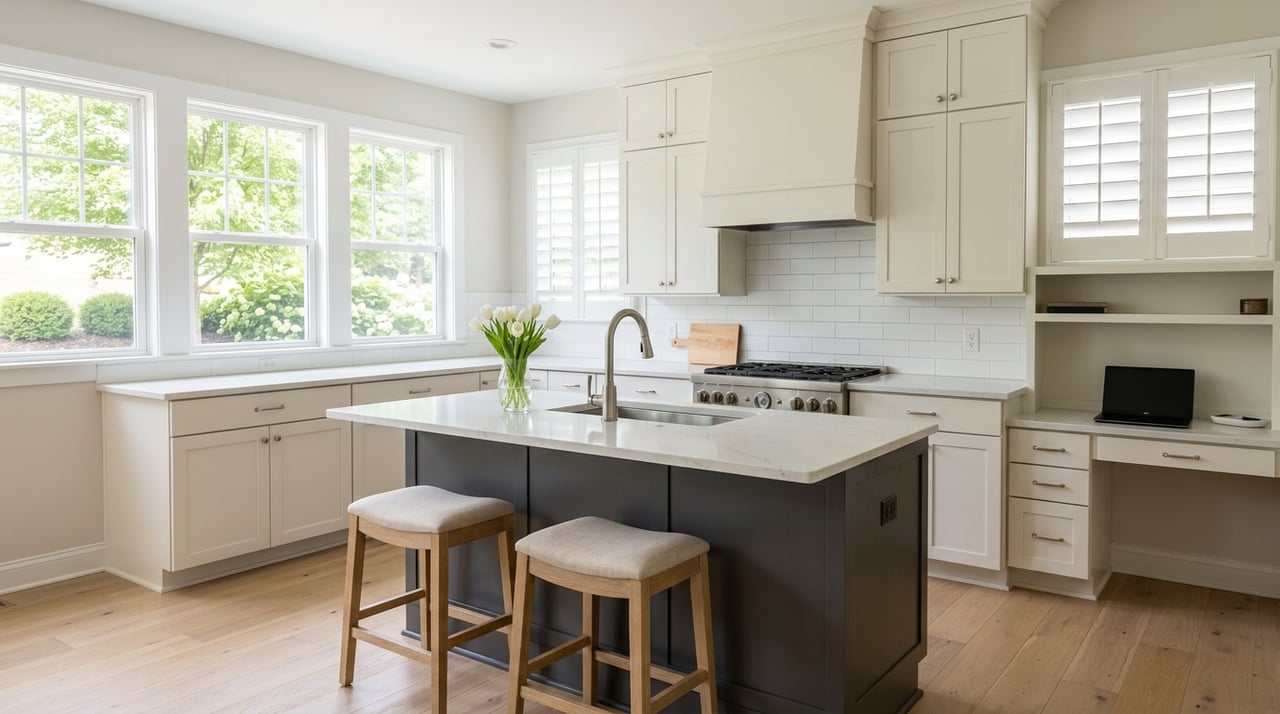
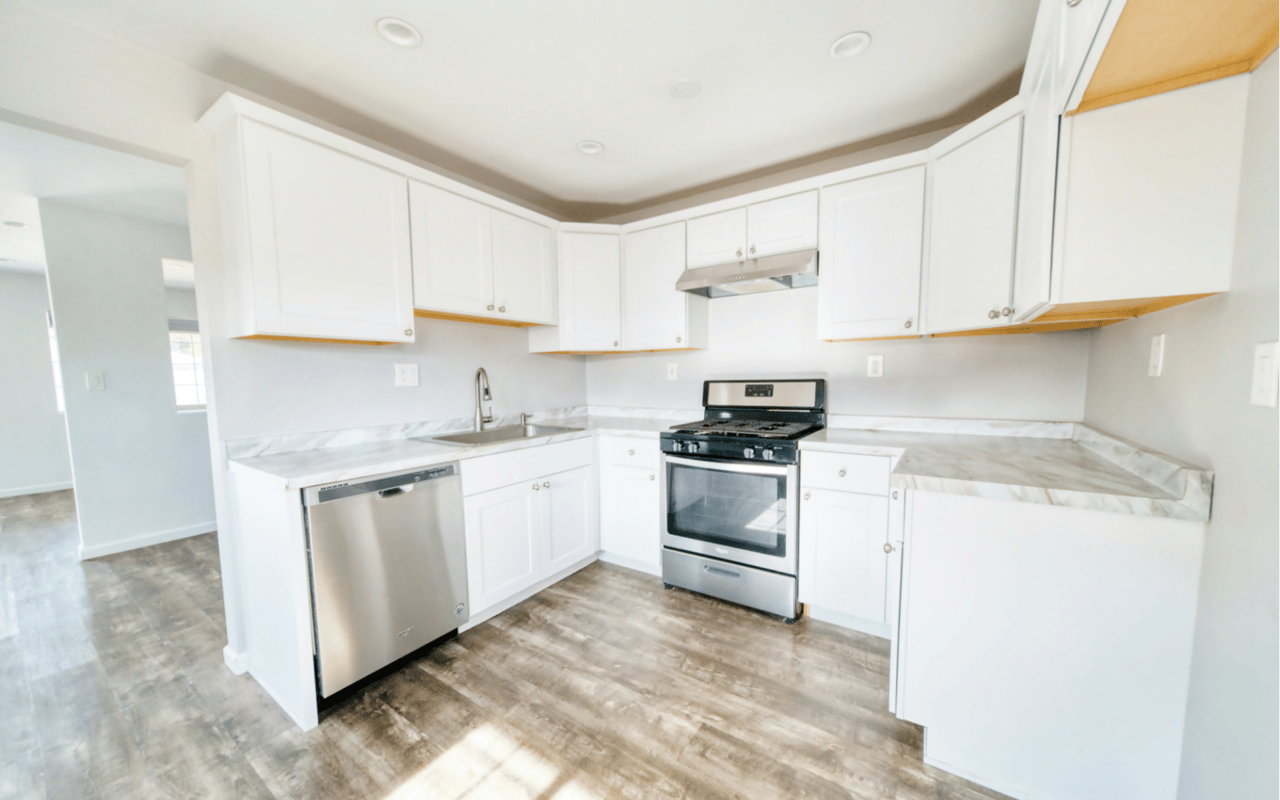
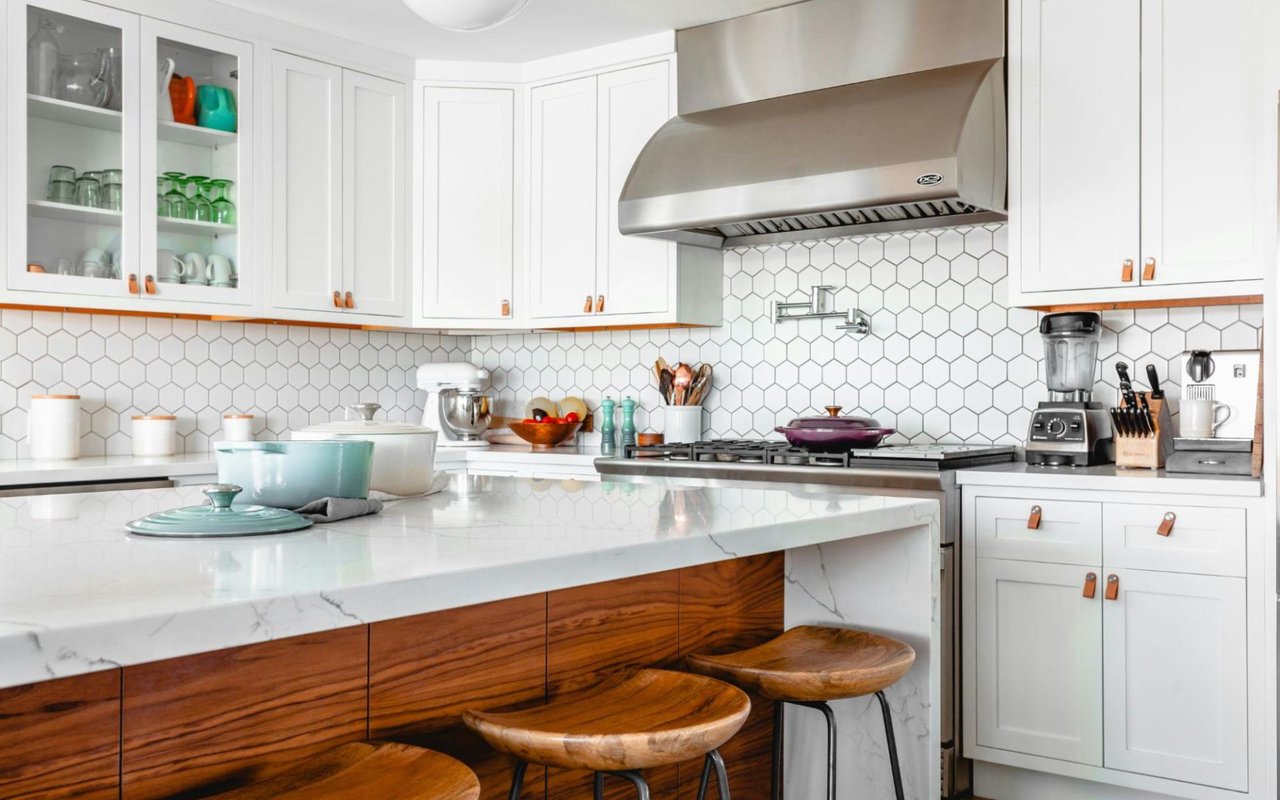
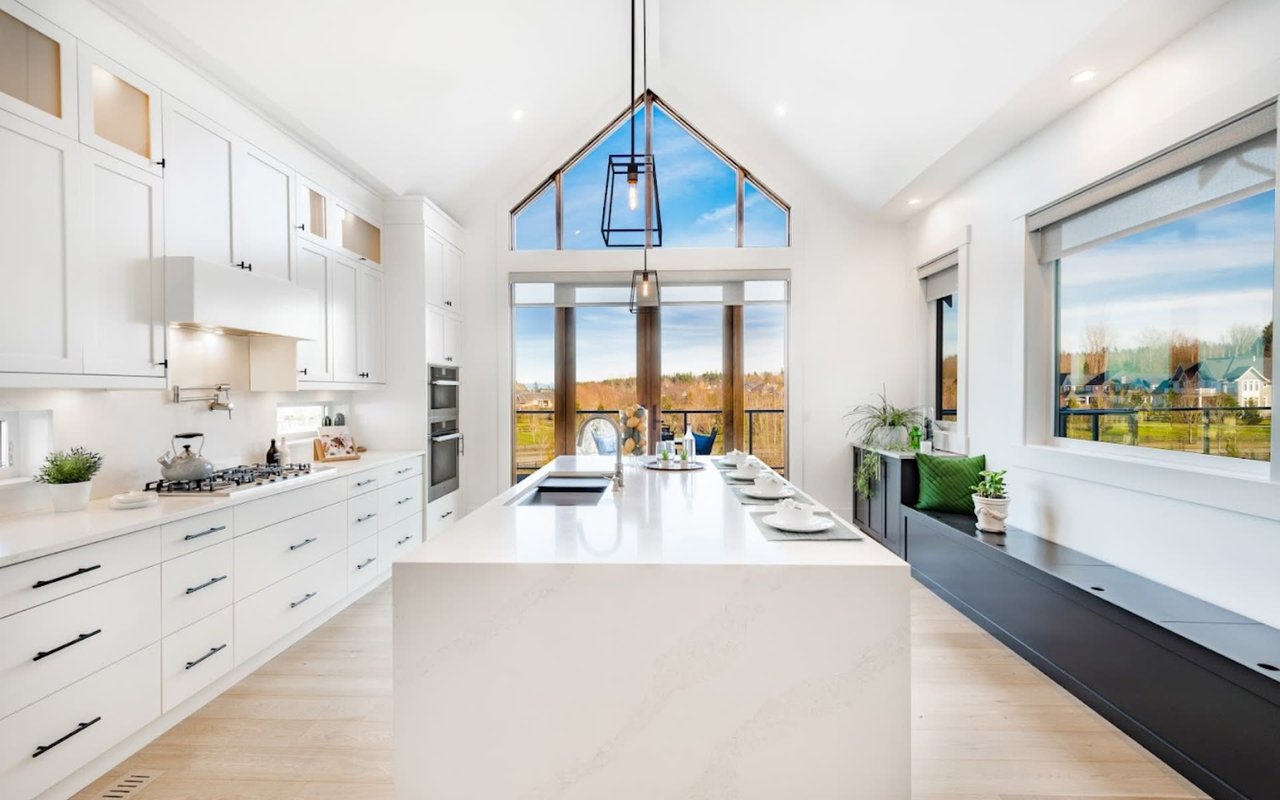
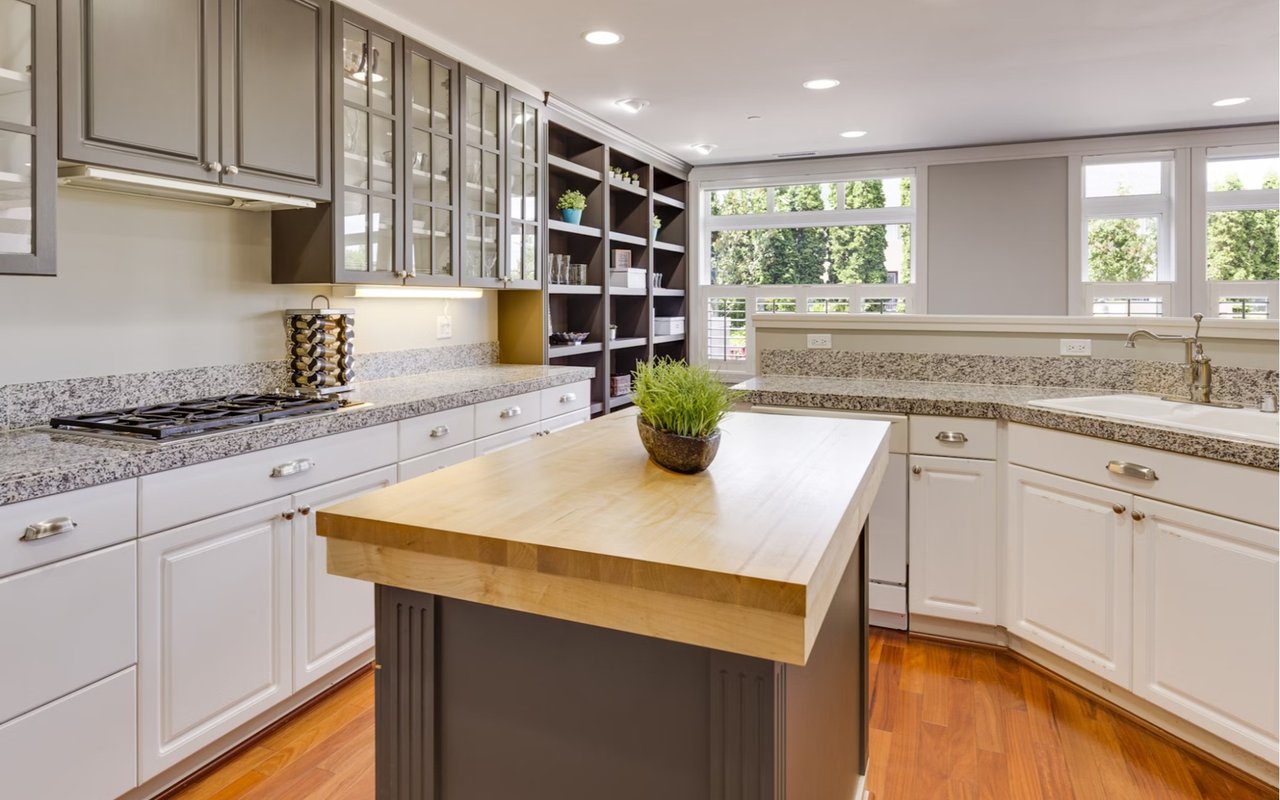
Kitchens are another high-impact area. Many households accumulate gadgets, duplicate tools, and items that seemed useful once but now occupy drawer space. Working through your kitchen with a clear eye toward what you actually cook and how you actually use the space can make daily routines faster and significantly less frustrating.
The bedroom is often a great starting point because it directly influences how you feel when you wake up and wind down. When your sleep environment is calm and uncluttered, it tends to support better rest and a quieter mind. Start by removing items that do not belong there, then evaluate what remains. Does everything in the room serve a purpose or bring you real happiness? If not, it may be time to let it go.
Kitchens are another high-impact area. Many households accumulate gadgets, duplicate tools, and items that seemed useful once but now occupy drawer space. Working through your kitchen with a clear eye toward what you actually cook and how you actually use the space can make daily routines faster and significantly less frustrating.
Where to Begin Your Edit
- Start with surfaces first, clearing countertops and tables before moving to drawers or closets.
- Focus on categories rather than rooms if the room-by-room approach feels overwhelming, such as clothing, books, or kitchen tools.
- Remove duplicates and broken items immediately, as these are the easiest decisions you will make.
- Designate a donation box or bin to collect items as you go so the process stays organized.
- Give yourself permission to take several sessions rather than one exhausting marathon.
Apply Minimalism to Your Daily Routines
Minimalism is not limited to what you own. It also applies to how you move through your day. Simplifying your routines reduces decision fatigue, which is the mental depletion that comes from making too many small choices before you even get to the ones that matter. For busy McLean residents managing demanding careers and full schedules, streamlining daily habits can feel like reclaiming hours you did not know you had lost.
A morning routine is a useful place to start. When your environment is organized and your choices are pre-made, the first hour of your day moves with considerably less friction. Laying out clothes the night before, keeping a consistent breakfast rotation, or simply knowing where everything is located can shift the entire tone of your morning.
Evening routines benefit equally from a minimalist lens. Spending ten minutes resetting your spaces before bed, such as clearing the kitchen, tidying common areas, and putting things back where they belong, means you wake up to a calm environment rather than the visual noise of yesterday's unfinished tasks.
A morning routine is a useful place to start. When your environment is organized and your choices are pre-made, the first hour of your day moves with considerably less friction. Laying out clothes the night before, keeping a consistent breakfast rotation, or simply knowing where everything is located can shift the entire tone of your morning.
Evening routines benefit equally from a minimalist lens. Spending ten minutes resetting your spaces before bed, such as clearing the kitchen, tidying common areas, and putting things back where they belong, means you wake up to a calm environment rather than the visual noise of yesterday's unfinished tasks.
Minimalist Habits Worth Building
- Prepare for the next day the night before, from your outfit to your bag to any items you need at the door.
- Limit your morning decisions by keeping breakfast options simple and consistent.
- Build a ten-minute reset into your evenings to maintain the spaces you have already edited.
- Unsubscribe from digital clutter, including email lists, notifications, and apps you no longer use.
- Practice a "one in, one out" rule so your home does not quietly accumulate items again over time.
Rethink What You Bring Into Your Home
Minimalism is easiest to maintain when you become more deliberate about what enters your home in the first place. For many households, the real challenge is not clearing out what you already have but slowing the flow of new things coming in. In a consumer culture that constantly encourages more, developing a thoughtful filter for purchases is a meaningful shift.
Before buying something, a simple pause can be surprisingly effective. Ask yourself whether you truly need it, where it will live in your home, and whether you already own something that serves the same purpose. This is not about restriction; it is about making sure that what you bring into your space earns its place there.
This approach also applies to gifts, freebies, and items that come into your home without being actively chosen. Holiday seasons and milestone events can quickly undo months of editing if you are not thoughtful about what you accept and keep. Having a clear sense of what your home needs allows you to receive generously while remaining selective about what stays.
Before buying something, a simple pause can be surprisingly effective. Ask yourself whether you truly need it, where it will live in your home, and whether you already own something that serves the same purpose. This is not about restriction; it is about making sure that what you bring into your space earns its place there.
This approach also applies to gifts, freebies, and items that come into your home without being actively chosen. Holiday seasons and milestone events can quickly undo months of editing if you are not thoughtful about what you accept and keep. Having a clear sense of what your home needs allows you to receive generously while remaining selective about what stays.
Questions to Ask Before You Buy
- Do I already own something that does the same job?
- Where will this live in my home, and do I have space for it?
- Will I still want this in six months, or is this an impulse driven by a trend?
- Does this add real value to my daily life, or does it just seem appealing in the moment?
- Am I buying this because I need it, or because I am trying to solve a problem that a purchase will not actually fix?
Design With Intention in McLean Homes
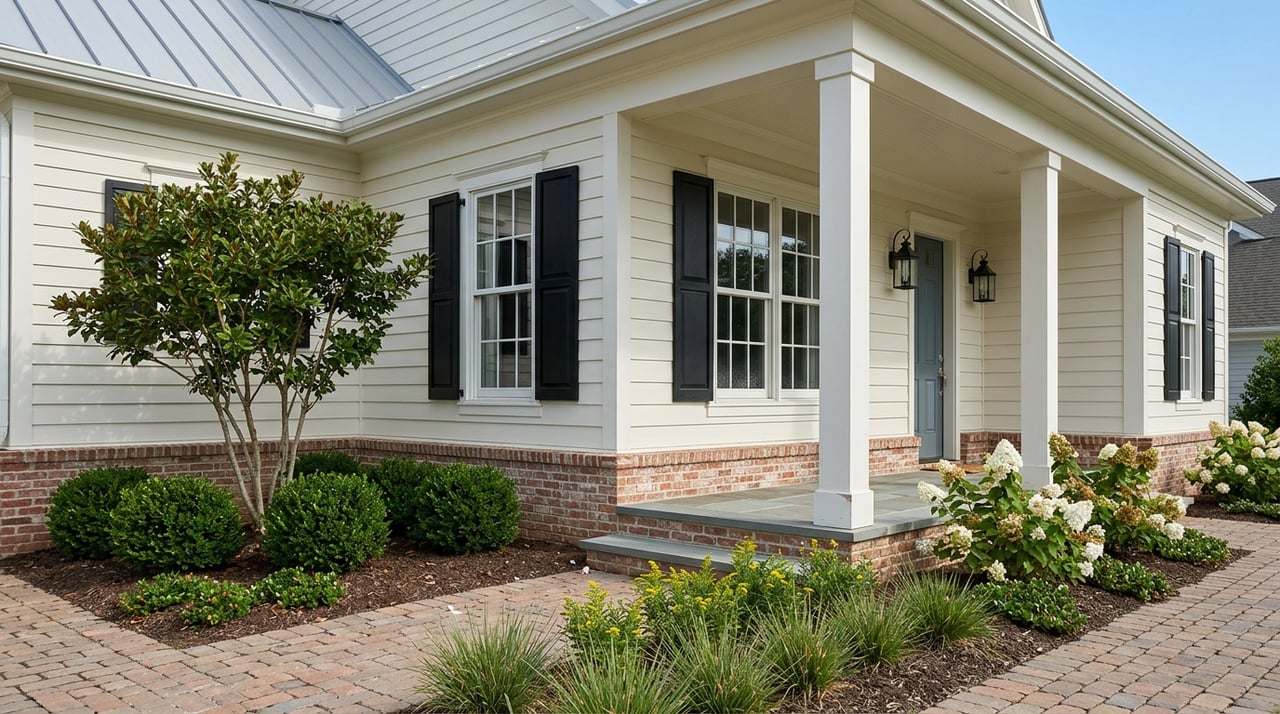
McLean, VA, is known for its well-built homes with alluring architectural elements, spacious layouts, and classic interiors that hold up beautifully over time. These qualities make McLean properties particularly well suited to a minimalist approach to design and decoration. When rooms are thoughtfully furnished rather than densely packed, the architecture itself becomes the feature.
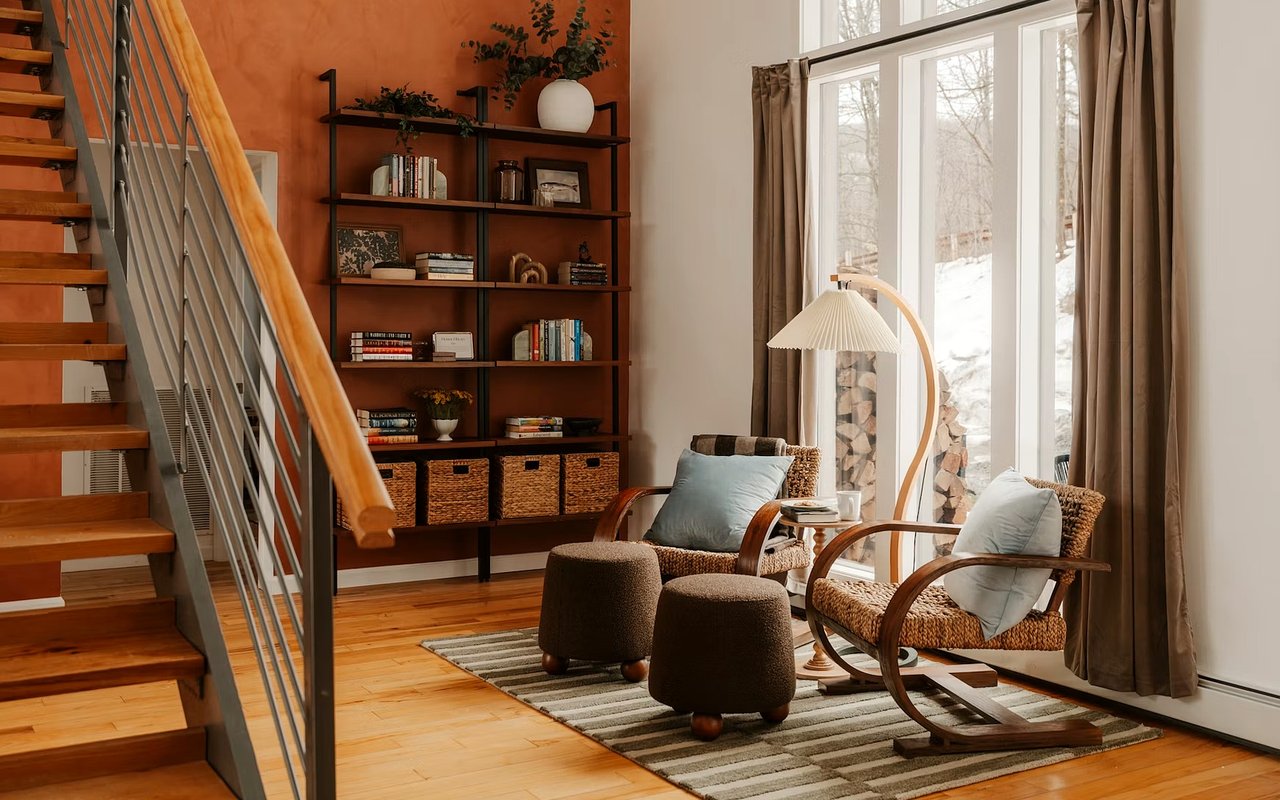
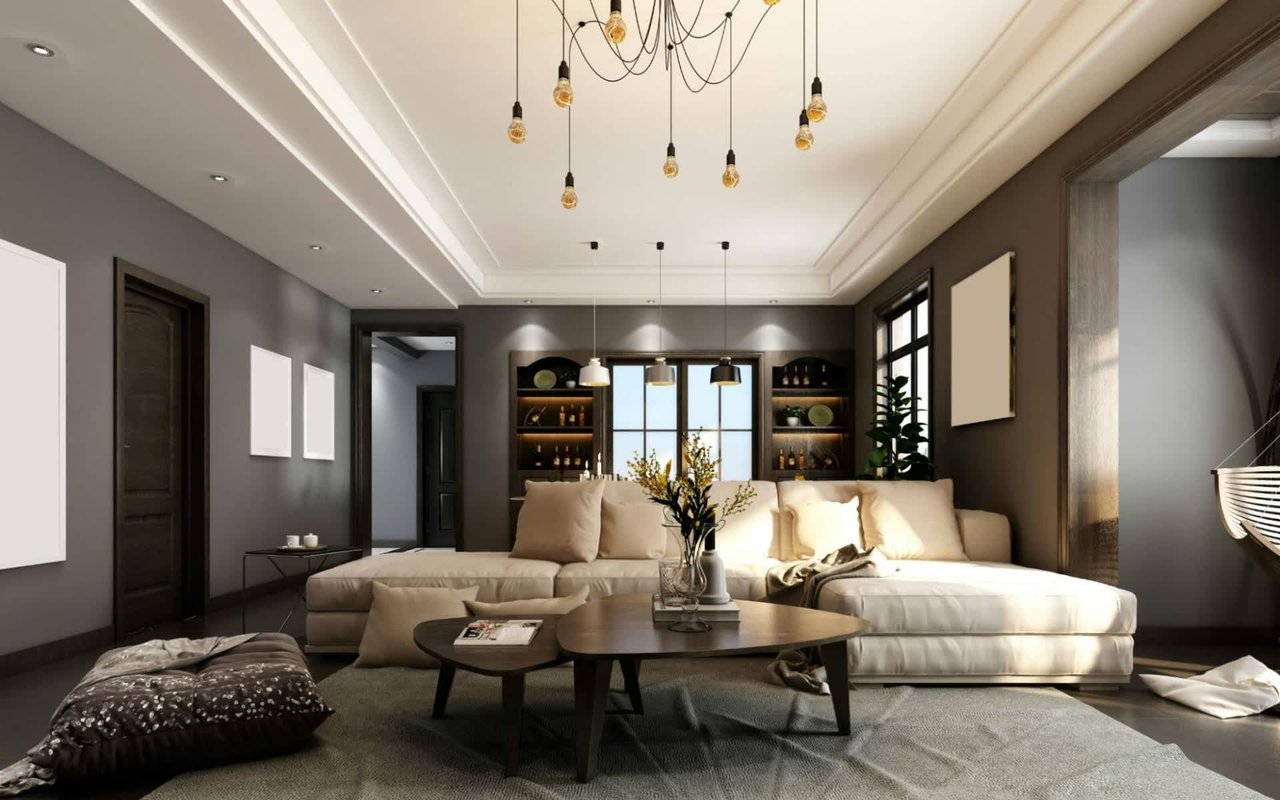
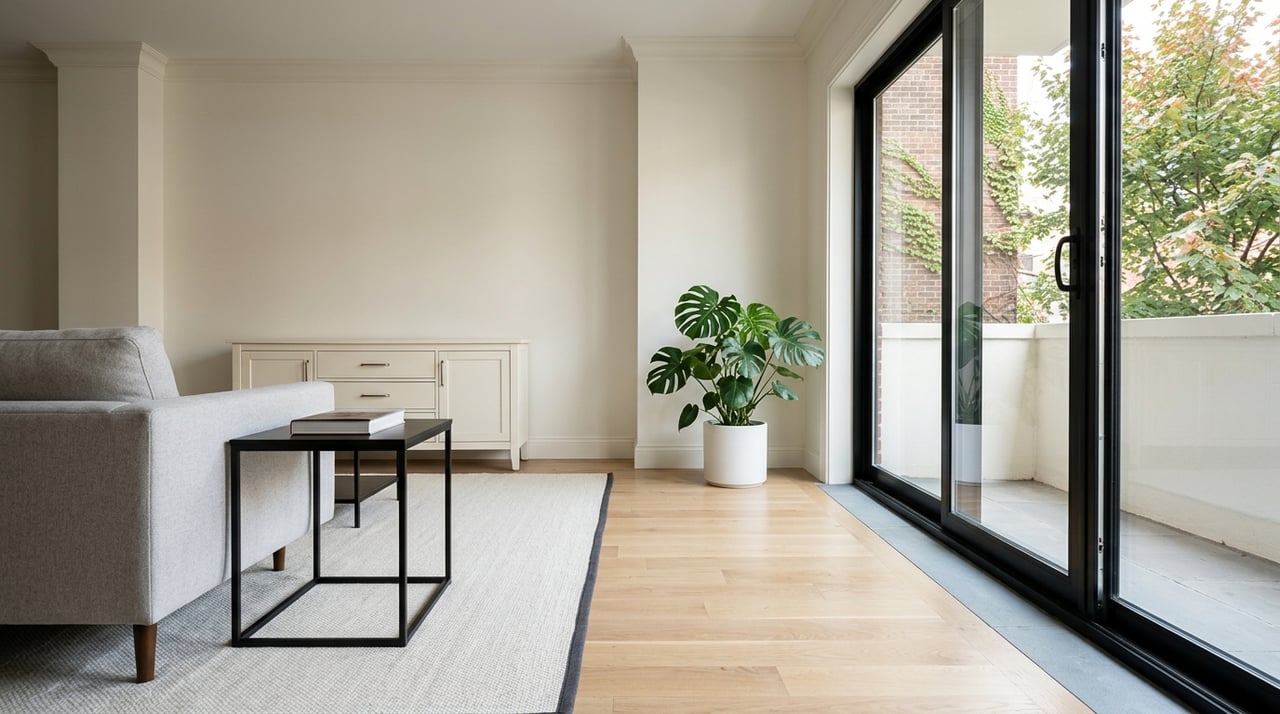
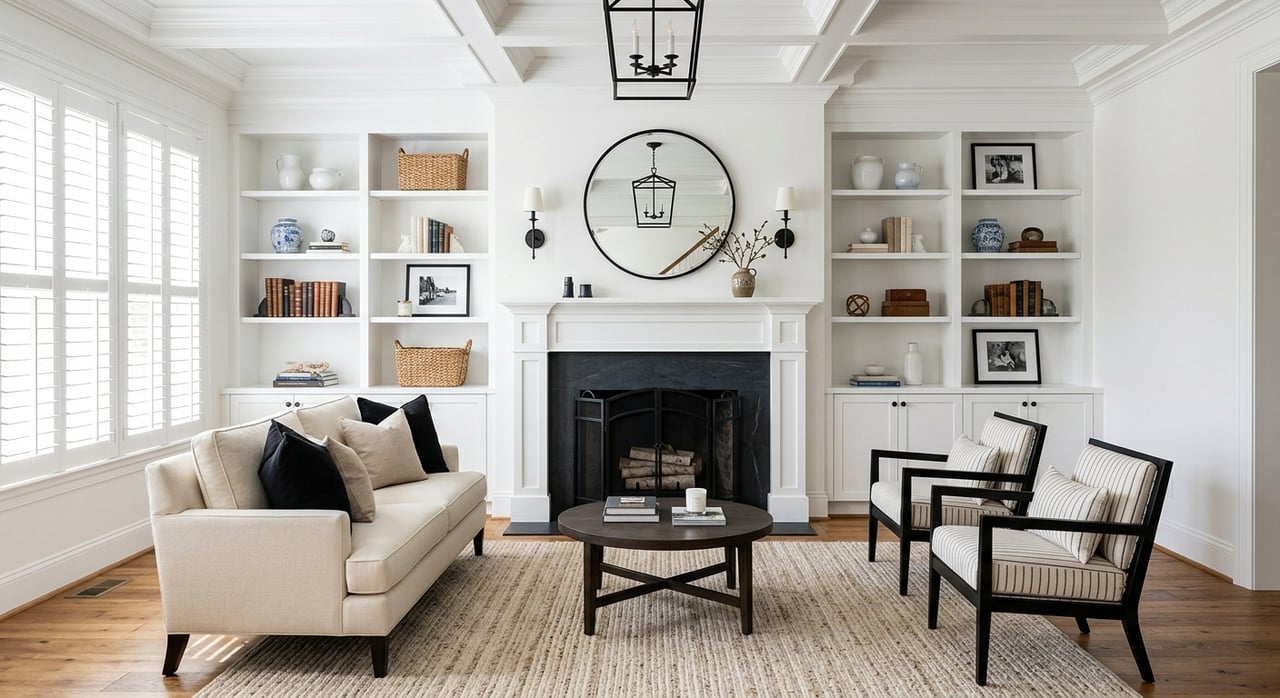
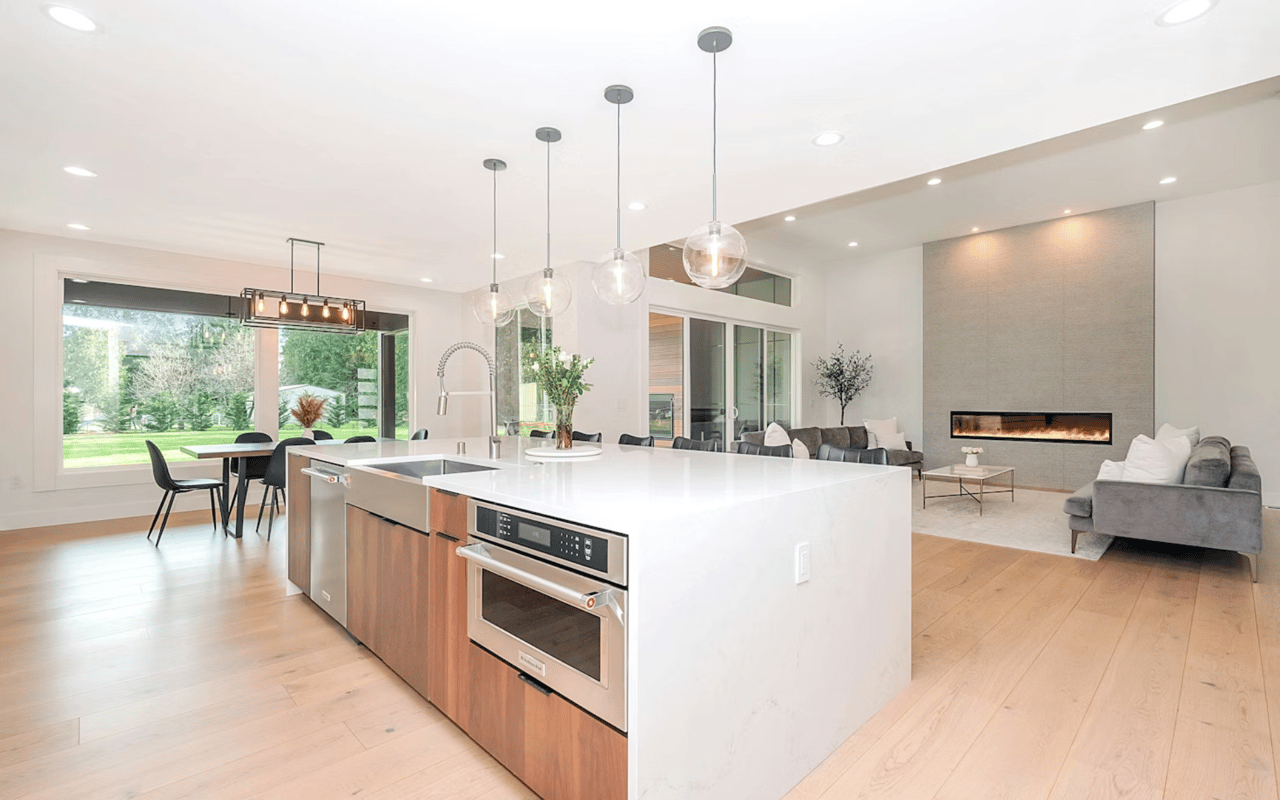
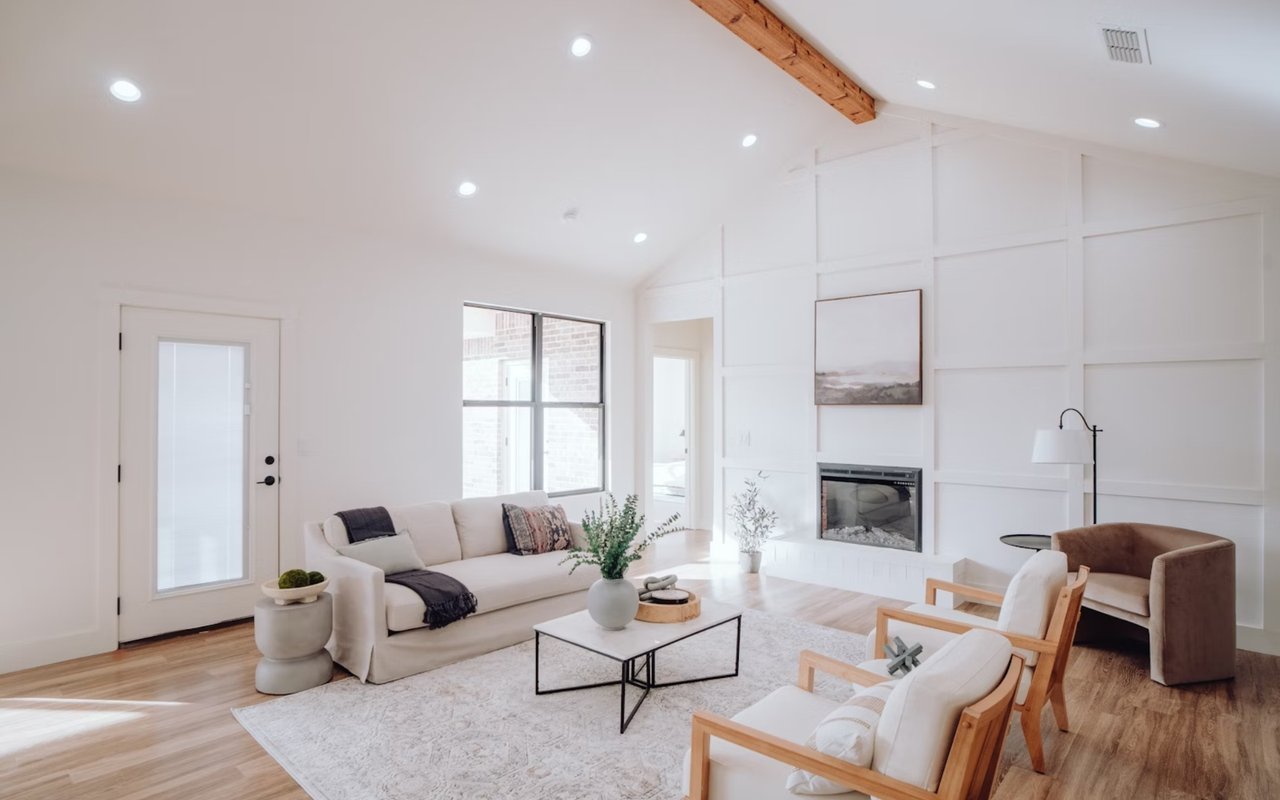
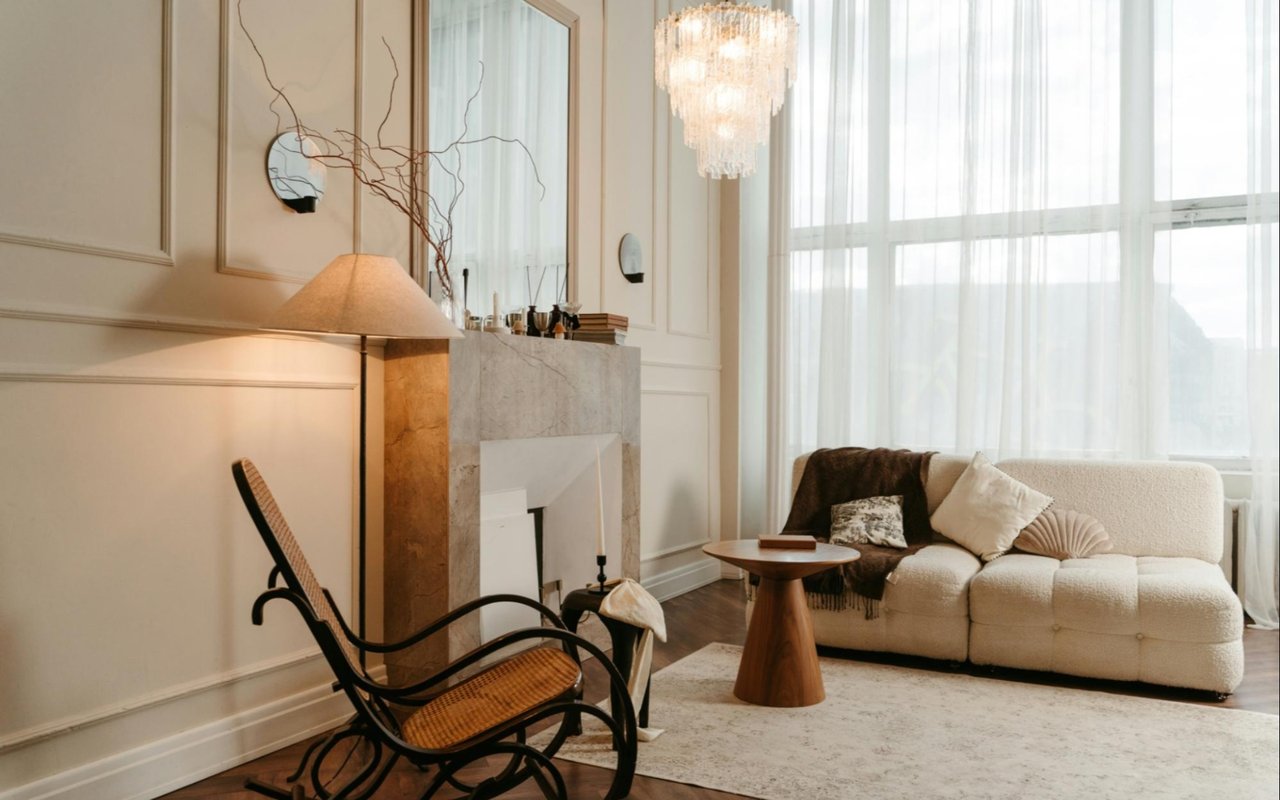
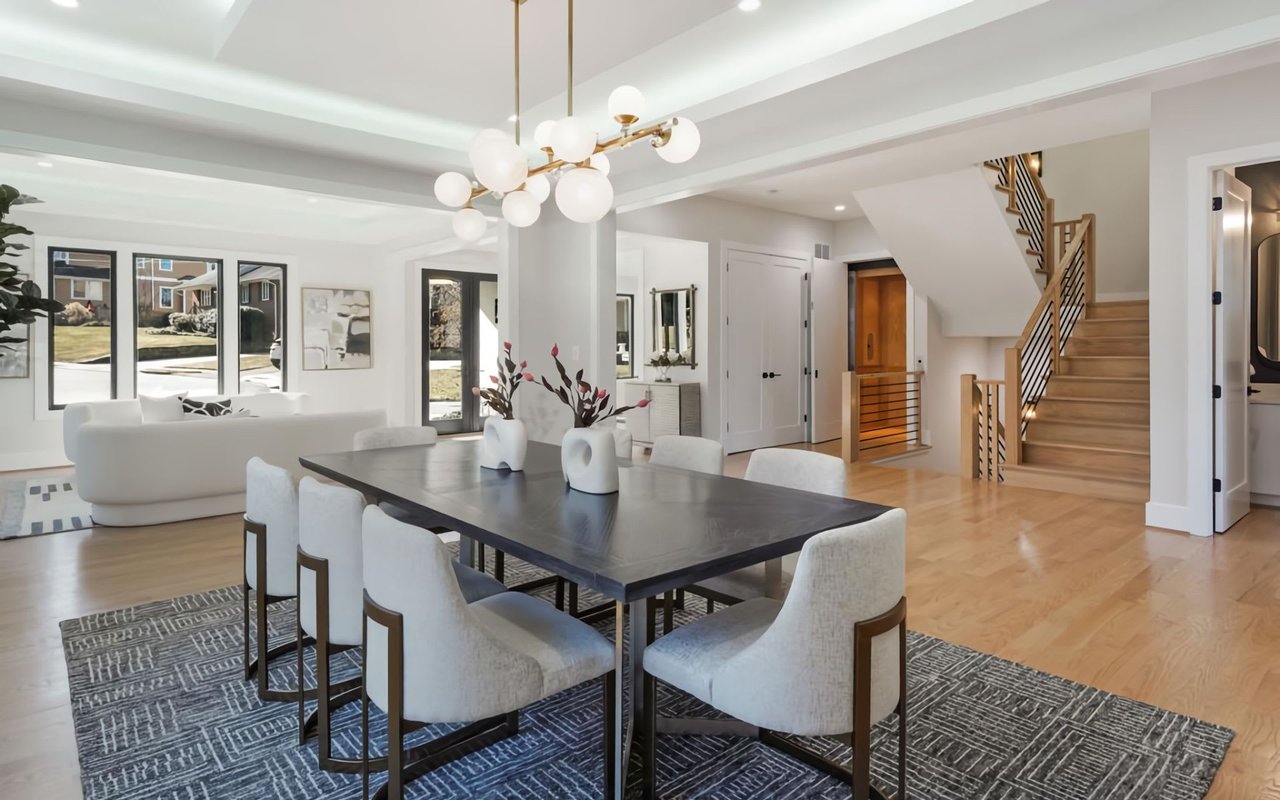
Minimalist design in a McLean home does not mean sparse or cold. It means choosing quality over quantity, investing in pieces that look right in the space, and allowing rooms to breathe. A living room with a few well-selected furnishings and clean sightlines tends to feel more elevated and more welcoming than one filled with competing patterns and objects.
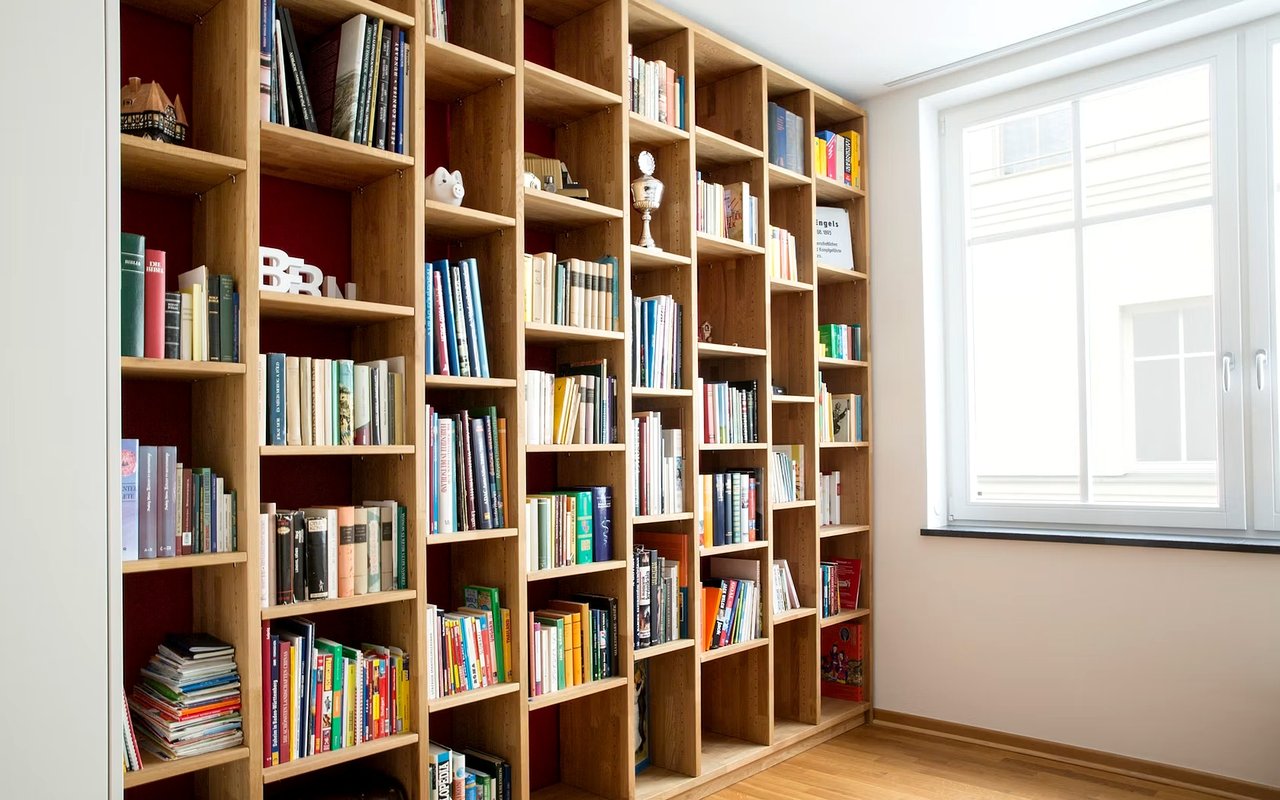
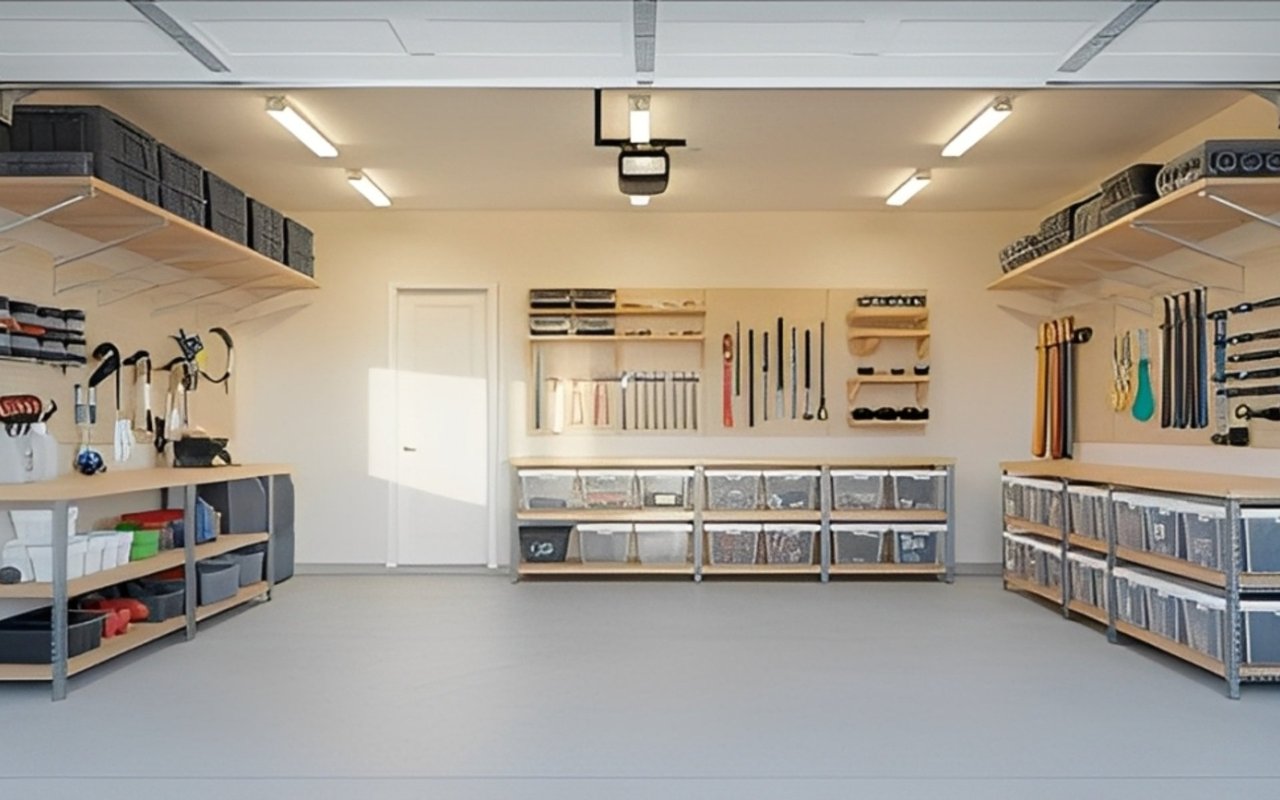
Storage is a key part of this equation. Homes with smart, built-in storage allow you to keep what you need while maintaining the visual calm of edited spaces. If your home's storage needs attention, addressing it early in the process makes sustaining minimalism much easier.
Minimalist design in a McLean home does not mean sparse or cold. It means choosing quality over quantity, investing in pieces that look right in the space, and allowing rooms to breathe. A living room with a few well-selected furnishings and clean sightlines tends to feel more elevated and more welcoming than one filled with competing patterns and objects.
Storage is a key part of this equation. Homes with smart, built-in storage allow you to keep what you need while maintaining the visual calm of edited spaces. If your home's storage needs attention, addressing it early in the process makes sustaining minimalism much easier.
Design Principles That Support Minimalism
- Choose a limited color palette and stick with it across rooms for a cohesive, calming effect.
- Invest in fewer, better-quality pieces rather than filling space with quantity.
- Leave negative space in rooms intentionally; empty wall and floor space is not wasted space.
- Keep decorative objects meaningful and carefully chosen rather than collected without purpose.
- Let natural light work for you by keeping window treatments simple and reflective surfaces strategic.
FAQs
How Do I Start Minimalism Without Feeling Overwhelmed?
Start with one drawer, one shelf, or one corner of a room. The goal is not to transform your home overnight but to build momentum through small, visible wins. Once you see the difference a single cleared surface makes, the motivation to continue tends to follow naturally.
Is Minimalism the Same as Getting Rid of Everything?
No. Minimalism is about keeping what adds real value to your life and letting go of what does not. Some people live very simply with very few possessions; others maintain full, comfortable homes and simply apply more intention to what they own and buy. There is no single correct version of this lifestyle.
Can Minimalism Work in a Large McLean Home?
Absolutely. Larger homes often benefit the most from an edited approach because there is more space to fill and more opportunity for rooms to feel unanchored or cluttered. Thoughtful minimalism in a spacious McLean home tends to highlight the architecture and features that make these properties so desirable in the first place.
The Clearer Your Home, the Clearer Your Next Move
Minimalism is ultimately about making room; room to think, to breathe, to enjoy the spaces you live in, and to focus on what actually matters to you. Whether you are preparing your McLean home for a sale, settling into a new property, or simply ready for a change in how you live day to day, the principles here apply.
If a move is part of your horizon, a well-edited, beautifully presented home is one of the best assets you can bring to the market. Buyers respond to spaces that feel calm, cared for, and easy to imagine themselves in. And if you are searching for a home that already reflects the qualities you want, our team knows this market well. Reach out to the Choose Wisely Group and let us help you find a home in McLean, VA, that fits the life you are building.
If a move is part of your horizon, a well-edited, beautifully presented home is one of the best assets you can bring to the market. Buyers respond to spaces that feel calm, cared for, and easy to imagine themselves in. And if you are searching for a home that already reflects the qualities you want, our team knows this market well. Reach out to the Choose Wisely Group and let us help you find a home in McLean, VA, that fits the life you are building.