Wondering which part of Reston will actually fit your day-to-day life, not just look good on a map? That is a smart question, because Reston is not one simple suburb. It is a planned community made up of village centers and neighborhood clusters, and each area offers a different mix of housing, access, and feel. If you are comparing options in Northern Virginia, this guide will help you understand how Reston is structured, what sets its key areas apart, and which buyer priorities tend to match each one. Let’s dive in.
How Reston Is Organized
Reston works best when you think of it as a network of neighborhoods rather than one uniform market. Fairfax County describes it as a complete community with residential, commercial, recreational, and institutional uses in close proximity. That structure comes from the Reston Master Plan, PRC zoning, and deed covenants.
The county also explains that neighborhoods were clustered around village centers. These centers were planned to provide gathering spaces, neighborhood-serving retail, personal services, office space, and civic uses. That design is a big reason why one part of Reston can feel more urban while another feels quieter and more wooded.
At the broader community level, Reston Association says the area has more than 60,000 people, 22,000-plus homes, 55-plus miles of trails, 15 pools, and 54 tennis and pickleball courts. In 2020, the Census Designated Place had 63,226 residents, a 60.6% owner-occupied rate, a median owner-occupied home value of $642,000, and a 26-minute mean commute time based on 2020 to 2024 ACS data.
Reston Town Center at a Glance
For many buyers, Reston Town Center is the easiest part of Reston to understand. Fairfax County describes it as having an urban form with Fountain Square, high-density housing, offices, and a retail component with regional draw. In practical terms, this is the area that feels most like a compact downtown environment.
This part of Reston often stands out if you want a more walkable lifestyle. WMATA says the Reston Town Center Silver Line station is a short walk to dining, shopping, entertainment, YMCA Reston, the W&OD Trail, and nearby housing options. Fairfax Connector also identifies it as a major bus point served by multiple routes.
That combination of transit and daily convenience tends to attract buyers looking for lower-maintenance living. If you want easier access to Metro and nearby amenities, this area usually rises to the top of the list quickly.
Who Town Center Often Fits Best
Reston Town Center often appeals to buyers who care most about walkability, transit access, and convenience. If you like being close to restaurants, services, and a busier mixed-use setting, this area may feel like a natural fit.
From a resale standpoint, broader buyer appeal can matter. Homes with updated condition plus strong access to transit and walkable amenities are often easier to position to Northern Virginia buyers. That is an inference from the area’s planning structure and transit network, not a guarantee of appreciation.
Lake Anne Village Center Compared
Lake Anne offers a very different experience. Fairfax County says it was Reston’s first village center, opened in 1965, and designed at a pedestrian scale with a mix of residences, offices, and retail around lakes and plazas. The county also designates it as a historic overlay district.
That planning history gives Lake Anne a distinctive identity. Buyers often notice the architecture, the water-oriented setting, and the more intimate village-center feel. Compared with more standard condo or townhome options, it can feel more specific and more character-driven.
Transit access here is different from the Town Center core. Fairfax Connector lists RIBS 1 and RIBS 3 as routes serving the Lake Anne-Hunters Woods area. Based on that route structure and the lack of direct rail service in the village-center area itself, this area relies more on bus and car access than the Town Center core.
Who Lake Anne Often Fits Best
Lake Anne can make sense if you value character, history, and a setting that feels less conventional. If a unique architectural identity matters more to you than being closest to Metro, this area may be worth a closer look.
That same uniqueness can shape resale too. A more distinctive product can stand out, but it may also appeal to a narrower buyer pool than more generic condo or townhome options. For some buyers, that tradeoff is exactly the point.
Quieter Reston Clusters Explained
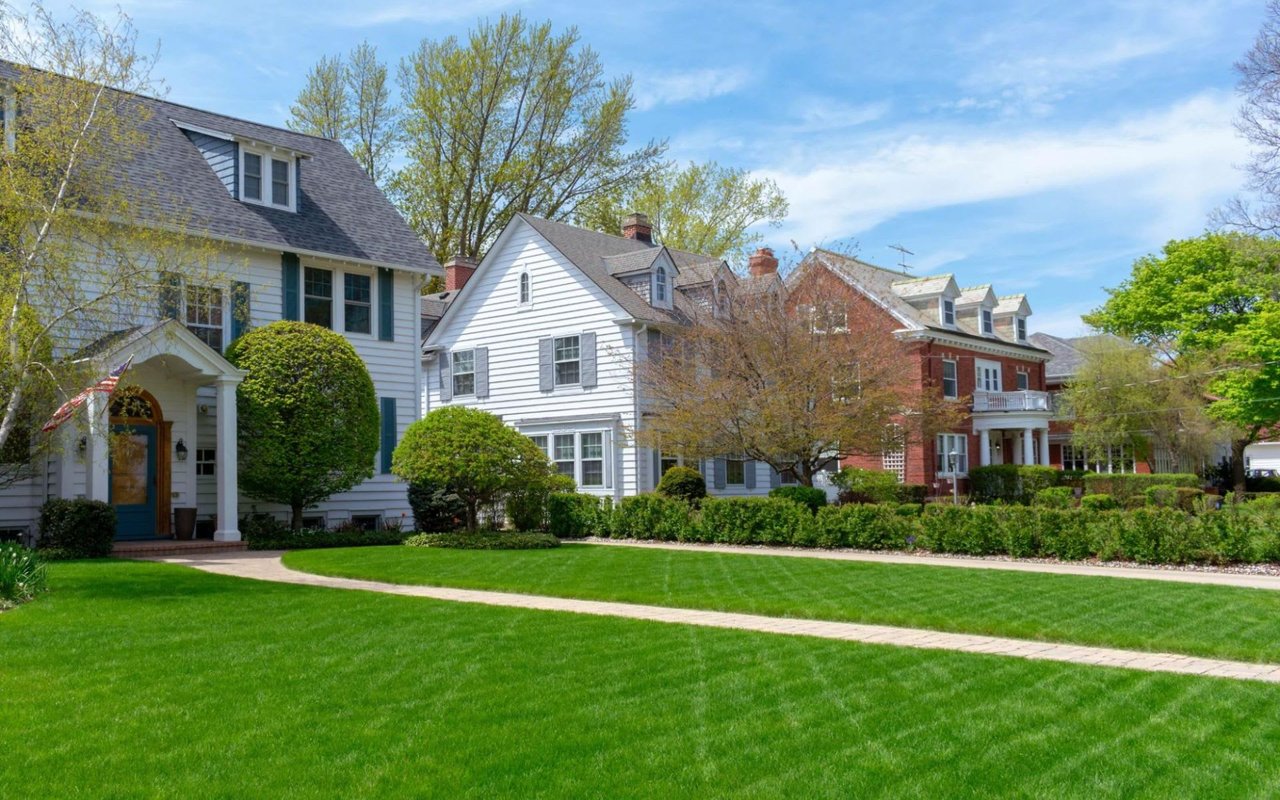
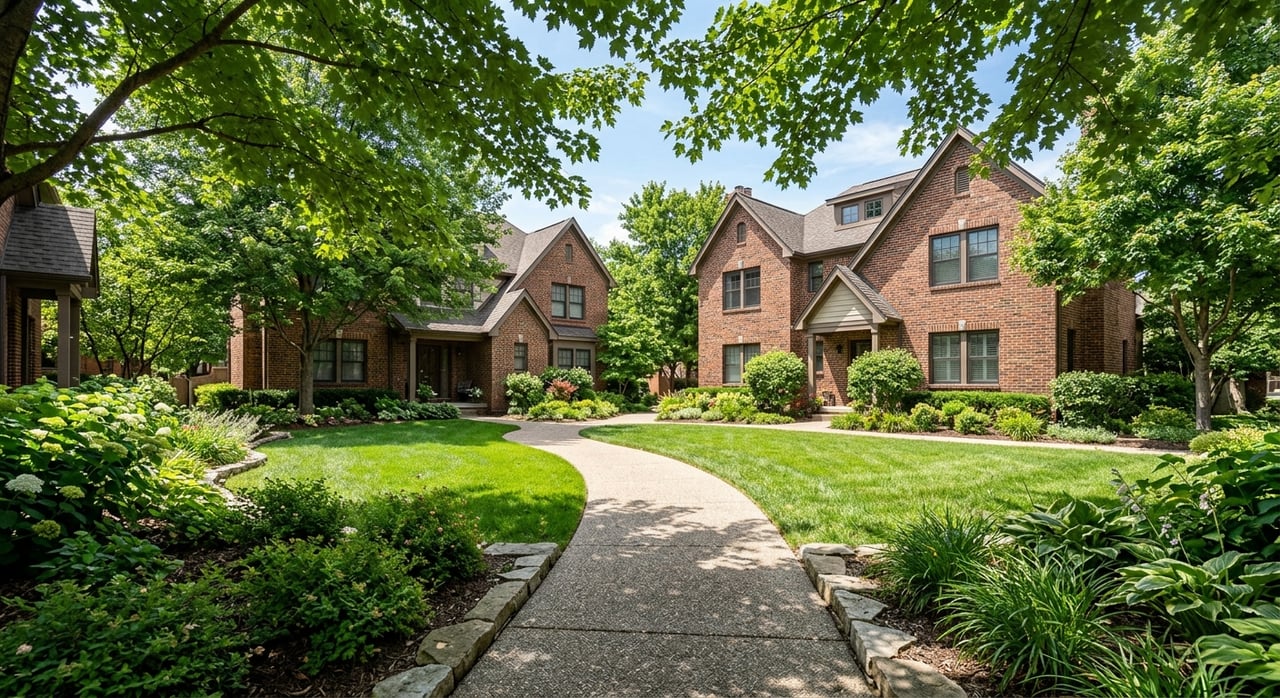
Outside the main mixed-use centers, many parts of Reston feel more residential, wooded, and buffered. Fairfax County says lower-density residential development and open-space buffers remain part of the master plan along the edges. In later plan updates, the county references apartments, condominiums, townhouses, and single-family homes across the community.
These quieter cluster neighborhoods can vary a lot. Reston Association says more than 160 sub-associations operate under community design guidelines and Design Review Board oversight. That means two nearby pockets can offer different housing styles, maintenance structures, and community rules.
For many buyers, these areas are appealing because of the trees, trails, and calmer setting. If you want more of a neighborhood feel and less of an urban one, this is often where your search gets more interesting.
Transit in the Cluster Areas
Transit access is more mixed in these neighborhoods. Some clusters are closer to the Silver Line corridor, while others depend more on Fairfax Connector circulators such as RIBS 1, RIBS 2, RIBS 4, and RIBS 5 for access to Metro and village centers.
In practical terms, car-light living may be possible in some pockets, but not all. The exact cluster matters a great deal, so this is one area where map-level research is not enough. You want to look closely at the specific location and route options tied to the home you are considering.
Who Quieter Clusters Often Fit Best
These neighborhoods often appeal to buyers who want a more residential setting, mature trees, and a sense of predictability that comes with association governance. They can be especially attractive if your priorities center on setting and home style rather than being in the middle of a mixed-use core.
Resale can depend heavily on condition, exterior upkeep, and how comfortable buyers are with association oversight. That is an inference from Reston’s covenants framework, but it is a useful one if you are comparing similar homes in different parts of the community.
Amenities That Shape Daily Life
One of Reston’s biggest advantages is that community amenities are woven into everyday living. Reston Association’s current fast facts show 55-plus miles of trails, 15 pools, and 54 tennis and pickleball courts. RA also says the trail network is integral to Reston’s unique character.
For you as a buyer, that means the lifestyle value is not limited to one building or one development. Instead, much of the appeal comes from the broader community fabric. That can be especially helpful if you want access to recreation and outdoor connectivity across the area.
Governance and What Buyers Should Know
Reston’s community structure is a meaningful part of the buying decision. Reston Association says it is a not-for-profit corporation serving a community of more than 60,000 people and is one of the largest community associations in the United States. It administers protective covenants, design guidelines, Design Review Board review, and resale disclosure documents.
That oversight can be a benefit if you value consistency and organized community standards. It can also mean you need to pay close attention to rules, disclosures, and sub-association details before you buy. If you are comparing Reston to other Northern Virginia communities, this is one of the biggest differences to understand early.
Which Reston Area Fits Your Priorities?
If you are deciding where to focus your search, it helps to start with your real priorities instead of broad labels. Here is a simple way to think about it:
- Choose Reston Town Center if you want the strongest mix of walkability, Metro access, and lower-maintenance living.
- Choose Lake Anne if you want historic character, a more intimate village-center setting, and a distinctive architectural identity.
- Choose quieter cluster neighborhoods if you want a more residential setting, more tree cover, and a location that feels buffered from the main mixed-use centers.
The best match usually comes down to how you want to live every day. Commute habits, transportation preferences, maintenance style, and comfort with association governance all matter as much as the home itself.
As you compare Reston neighborhoods, it helps to have guidance that goes beyond a quick online search. A thoughtful buyer strategy can save you time and help you focus on the pockets that best fit your goals. If you want personalized insight as you narrow your search in Northern Virginia, Choose Wisely Group is here to help.
FAQs
What makes Reston different from other Northern Virginia suburbs?
- Reston is planned as a complete community of village centers and neighborhood clusters, with residential, commercial, recreational, and institutional uses in close proximity under the Reston Master Plan.
Which Reston area is most walkable for buyers?
- Reston Town Center and Lake Anne are generally the most walkable because they were organized around mixed-use, pedestrian-scale village-center planning.
Which Reston neighborhood is best for Metro access?
- The Town Center area and the Wiehle corridor are the most Metro-oriented because of Silver Line access and Fairfax Connector connections.
What should buyers know about Reston Association rules?
- Reston Association administers protective covenants, design guidelines, Design Review Board review, and resale disclosure documents, and many neighborhoods also have sub-associations.
Are quieter Reston neighborhoods still connected to amenities?
- Yes. Reston’s broader community includes 55-plus miles of trails, 15 pools, and 54 tennis and pickleball courts, with access varying by exact location.
Is Lake Anne a good fit for buyers who want something distinctive?
- Lake Anne often appeals to buyers who value historic character, pedestrian-scale design, and a more unique setting than standard condo or townhome options.