If you’re shopping for a home in McLean, or getting ready to sell one, you’ve probably noticed something right away: there is no single “McLean look.” Instead, you’ll find a layered mix of older estate homes, classic colonials, postwar floor plans, and newer custom builds. That variety can feel exciting, but it can also make it harder to understand what you’re really looking at and what buyers tend to value. In this guide, you’ll get a clear overview of the architectural styles you’re most likely to find in McLean and what each one means for curb appeal, layout, and presentation. Let’s dive in.
McLean’s Housing Style Mix
McLean is known for stable residential development with a housing stock made up mostly of single-family detached homes. Fairfax County also notes that the area includes a mix of older and newer residential development, which helps explain why streetscapes can shift from long-established homes to more recent custom construction.
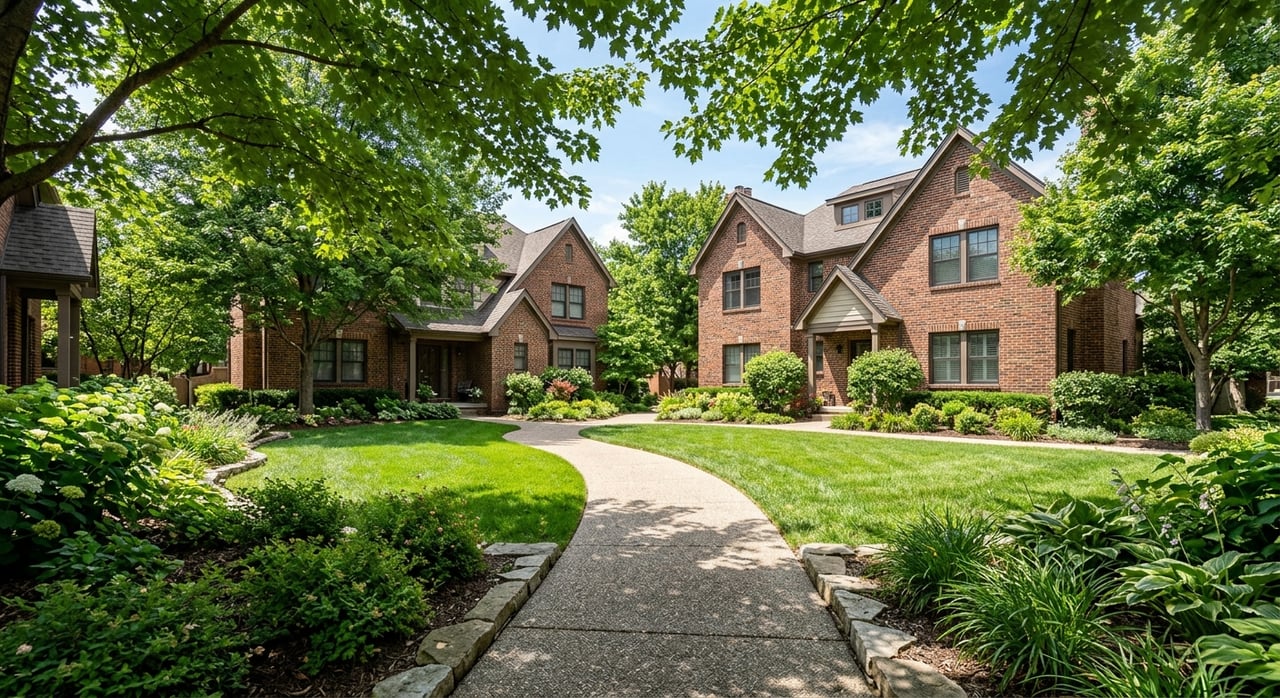
That mix is part of McLean’s appeal. You may see a traditional brick-front house on one block, a low-slung postwar home on the next, and a newer custom property nearby. For buyers, that means more choices in layout and design. For sellers, it means your home’s style should be presented clearly so it stands out for the right reasons.
Colonial Revival in McLean
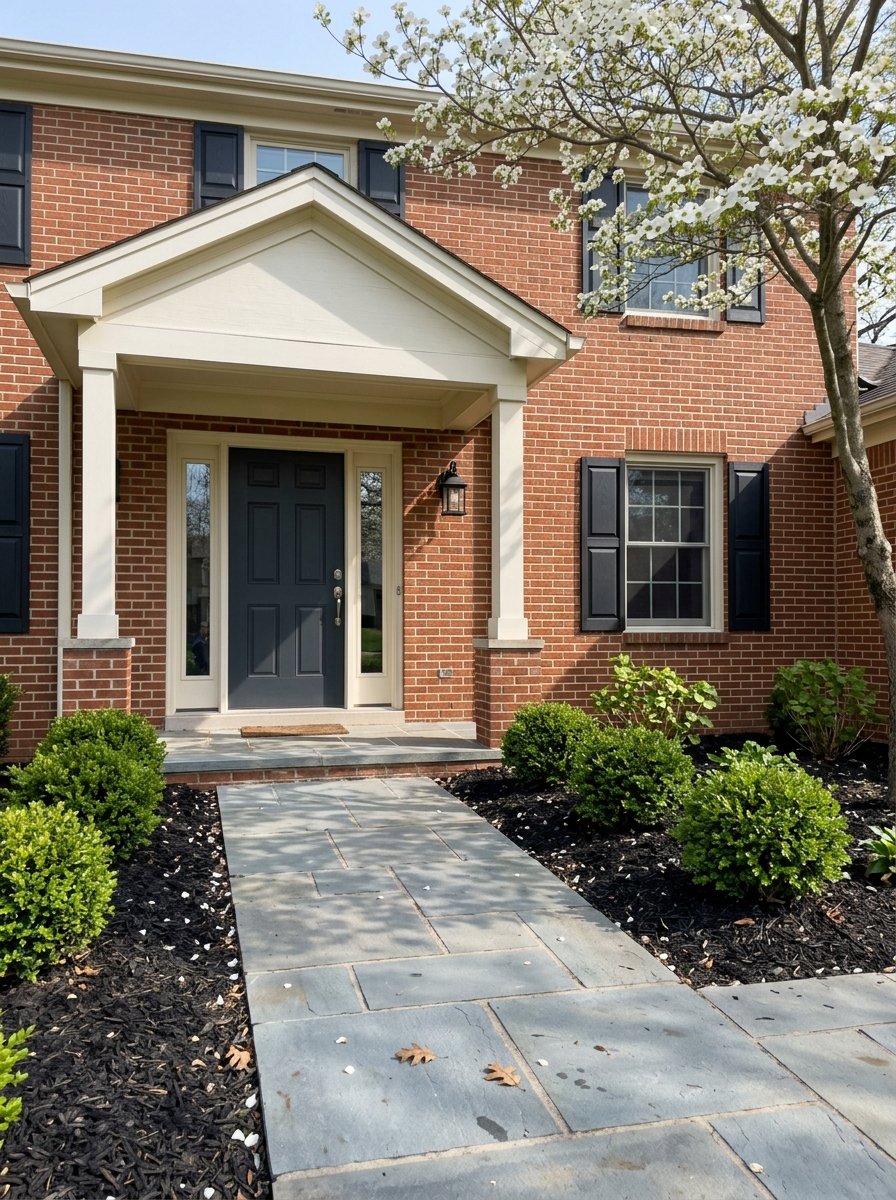
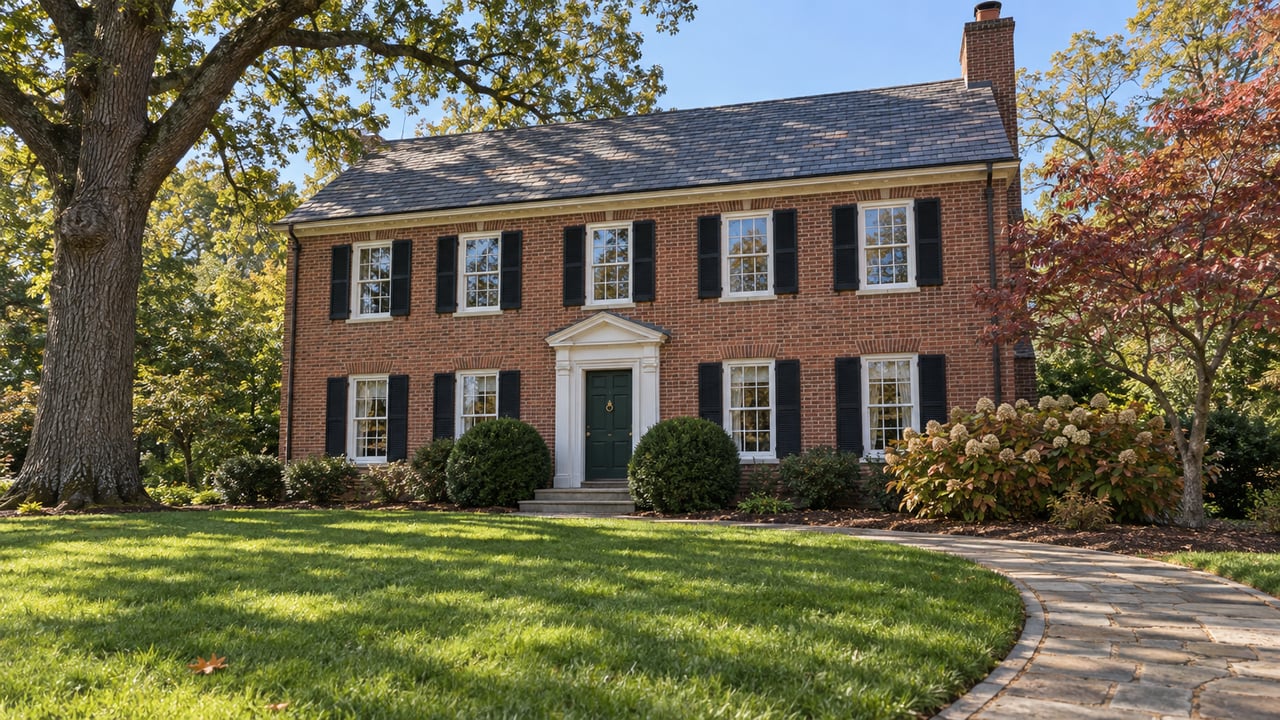
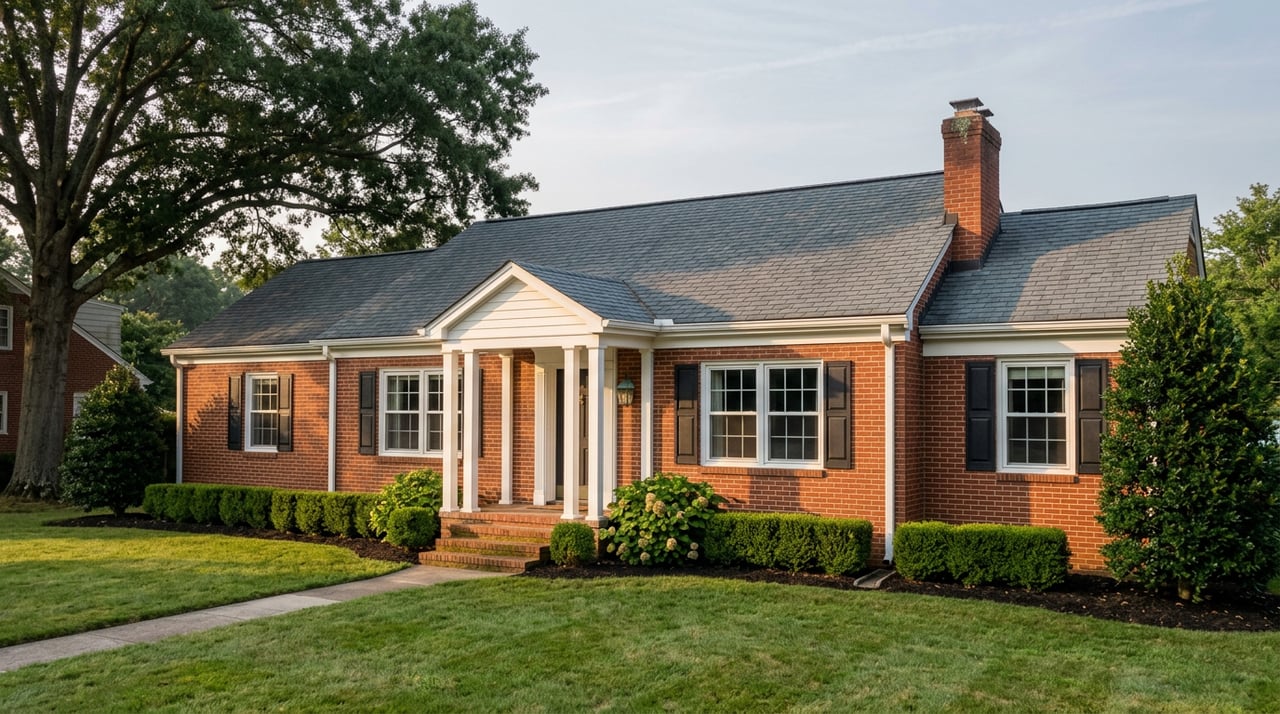
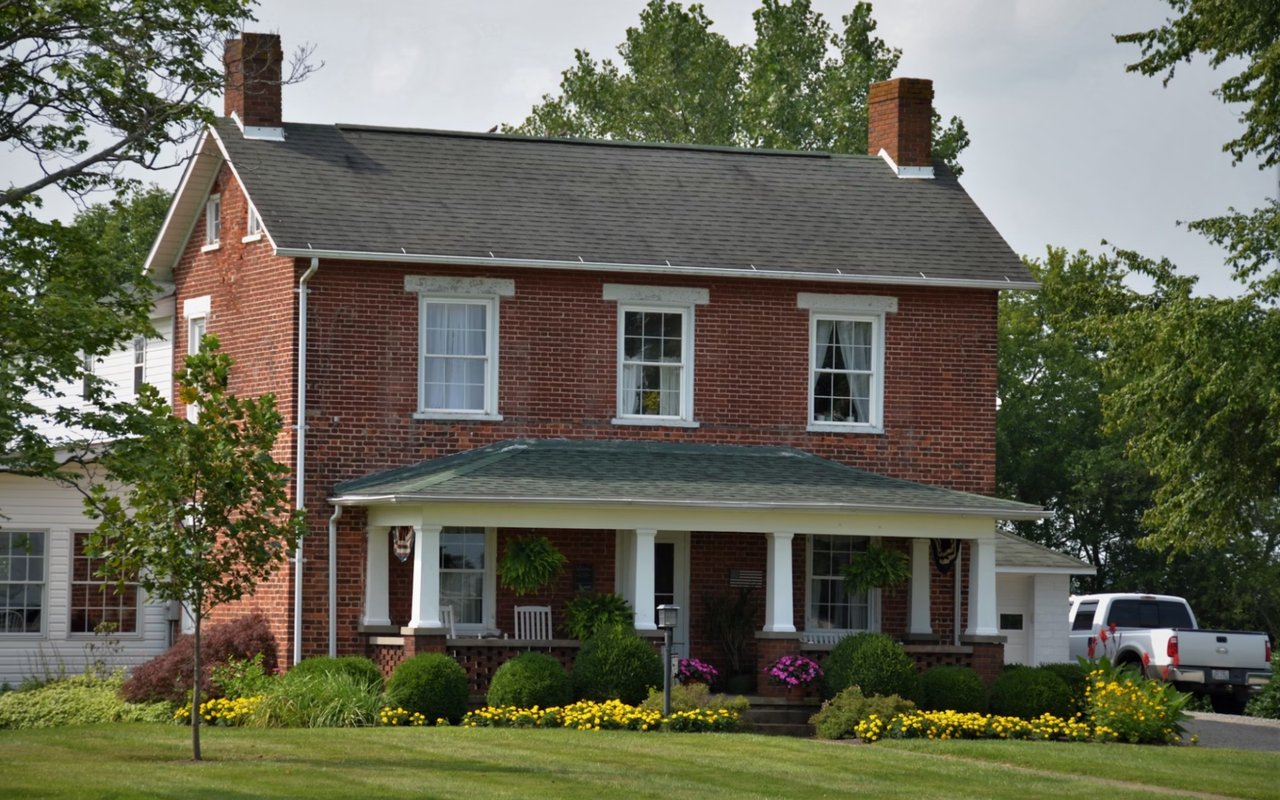
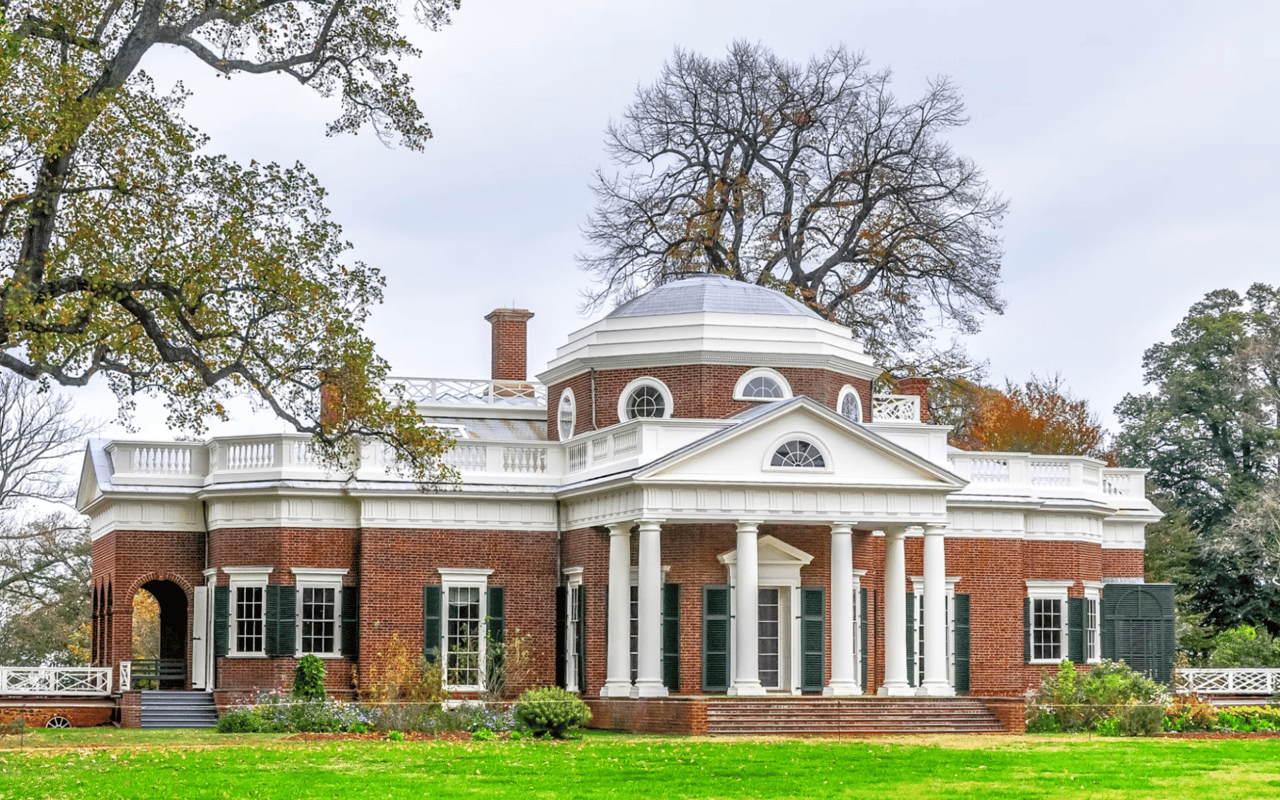
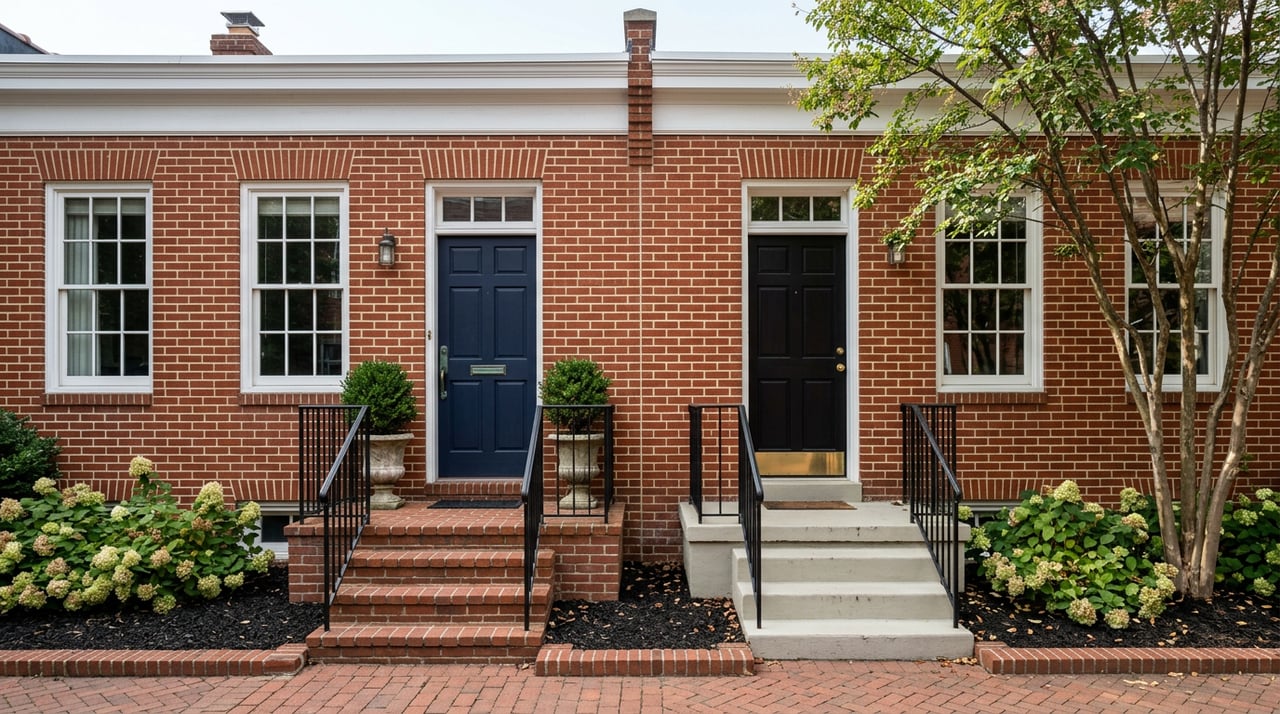
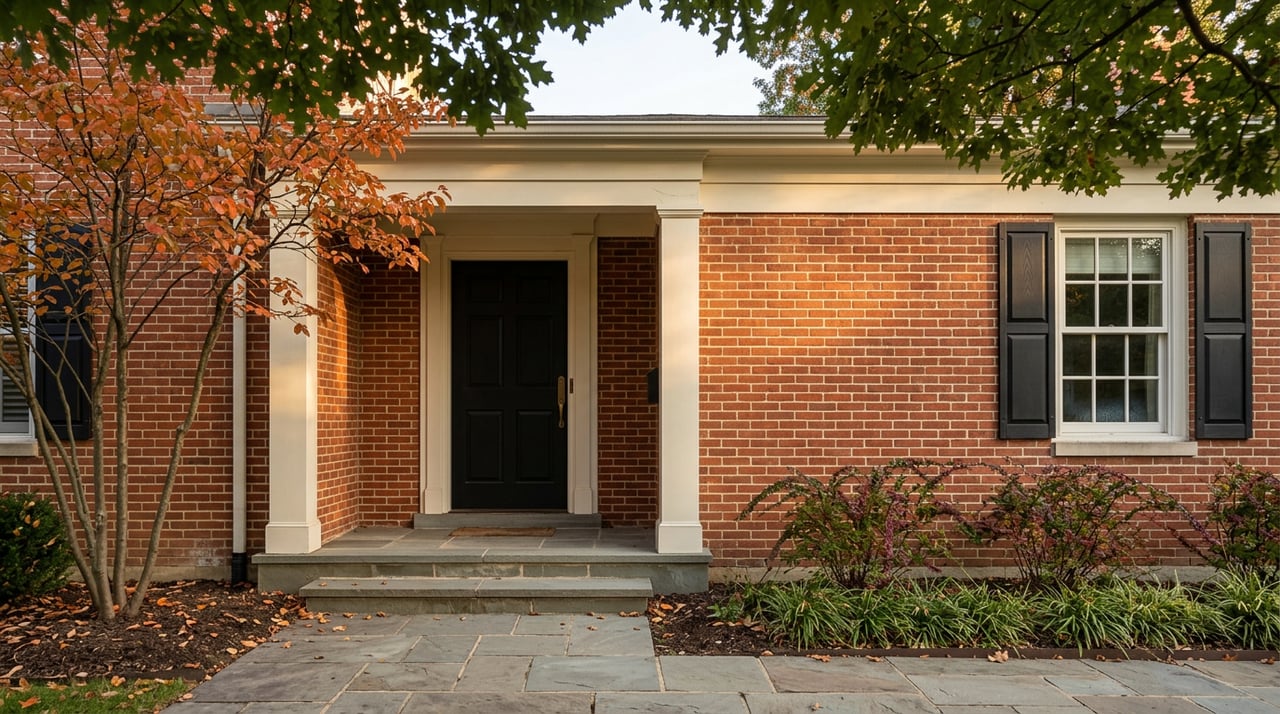
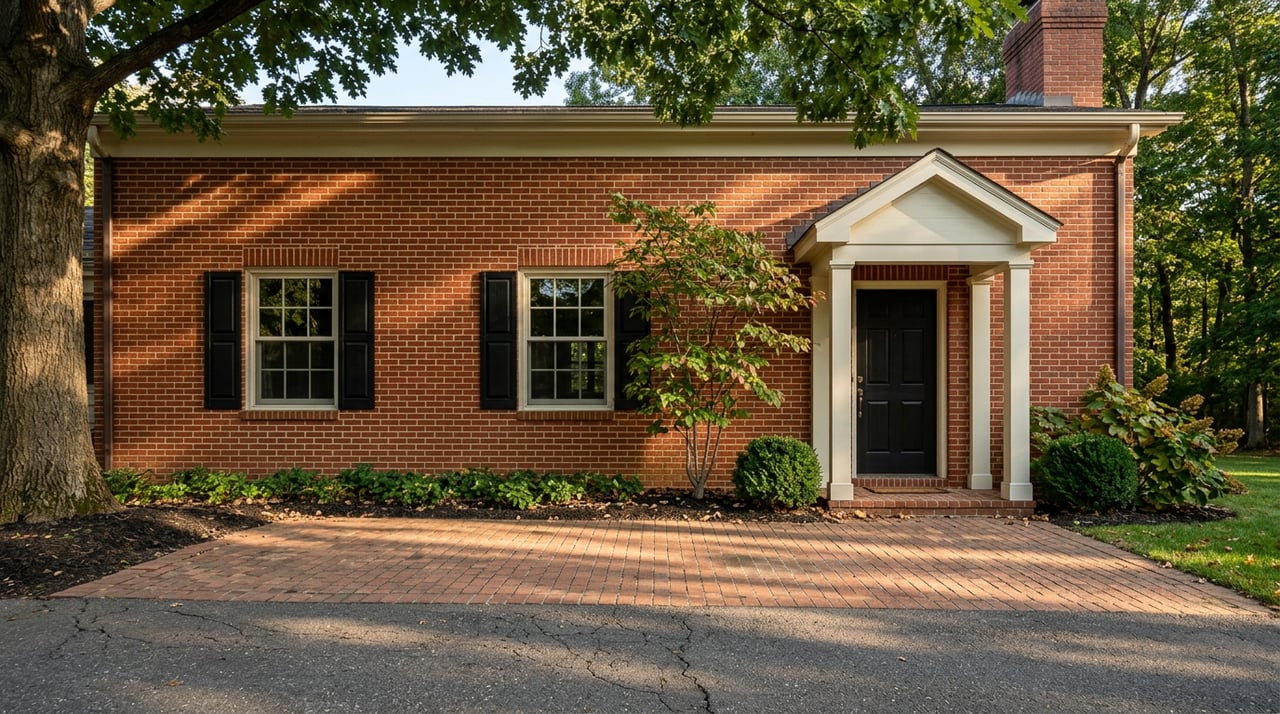
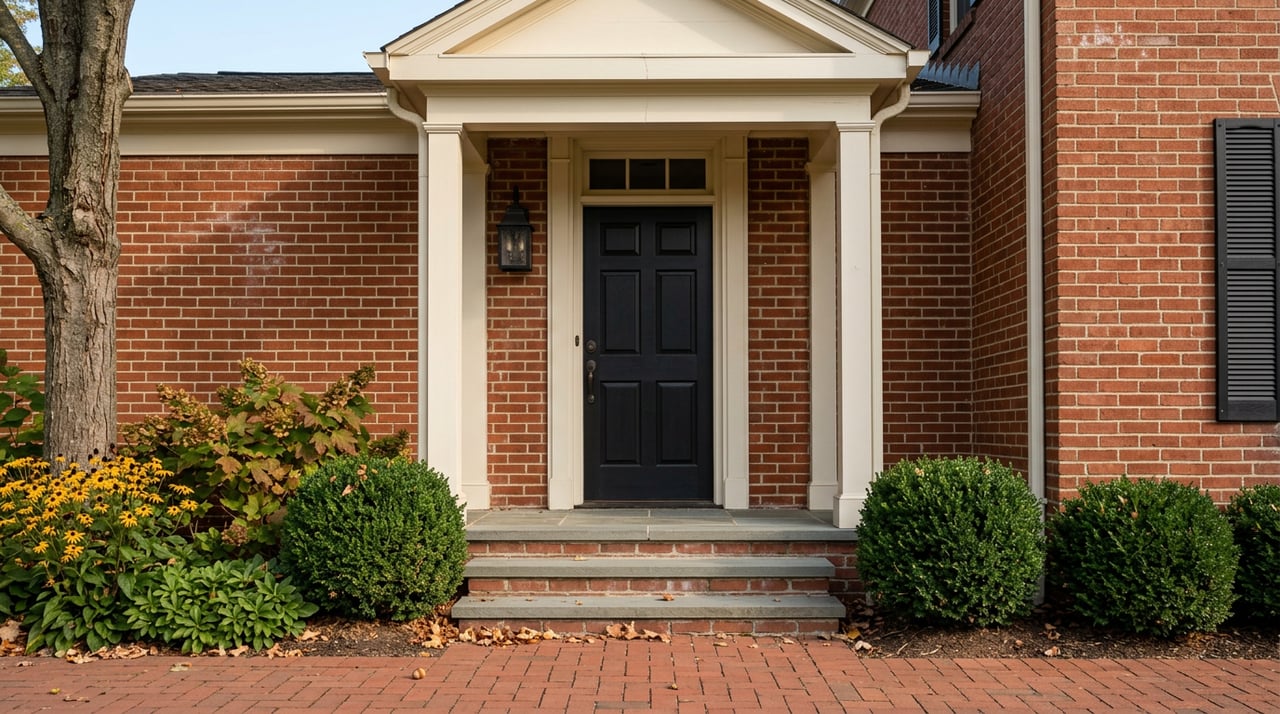
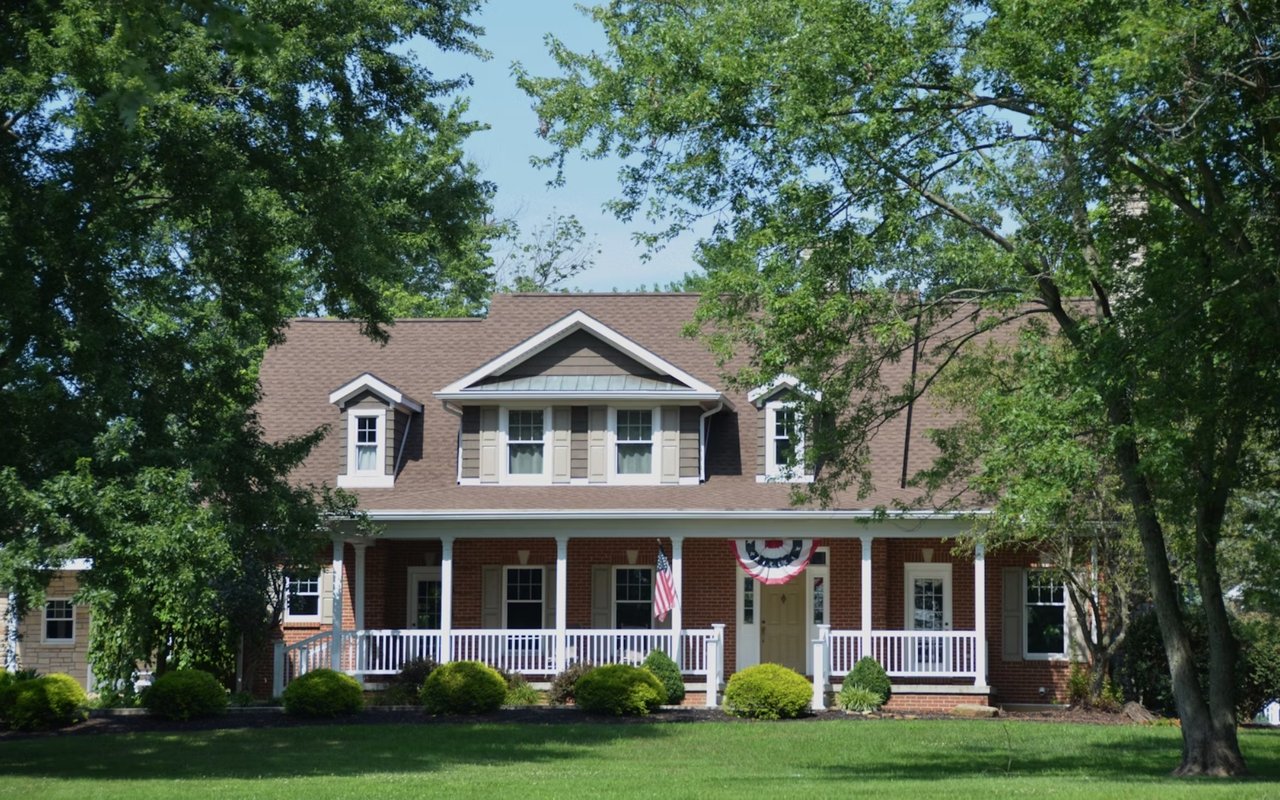
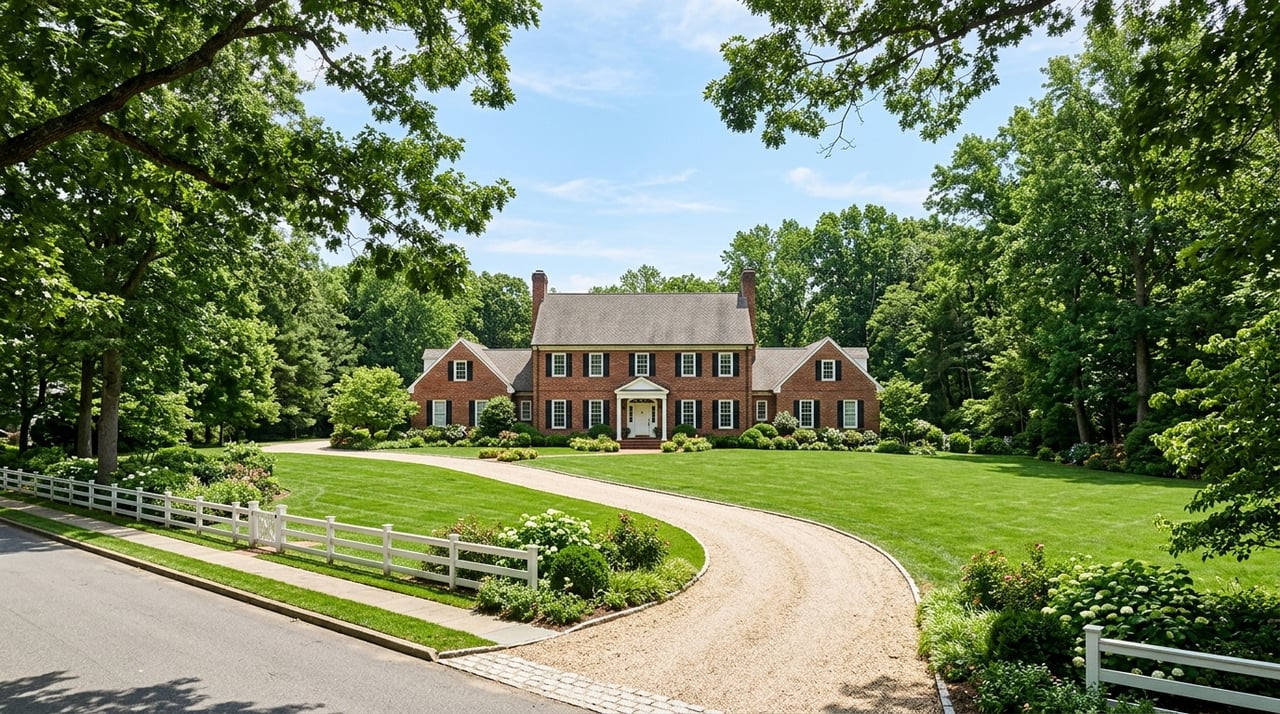
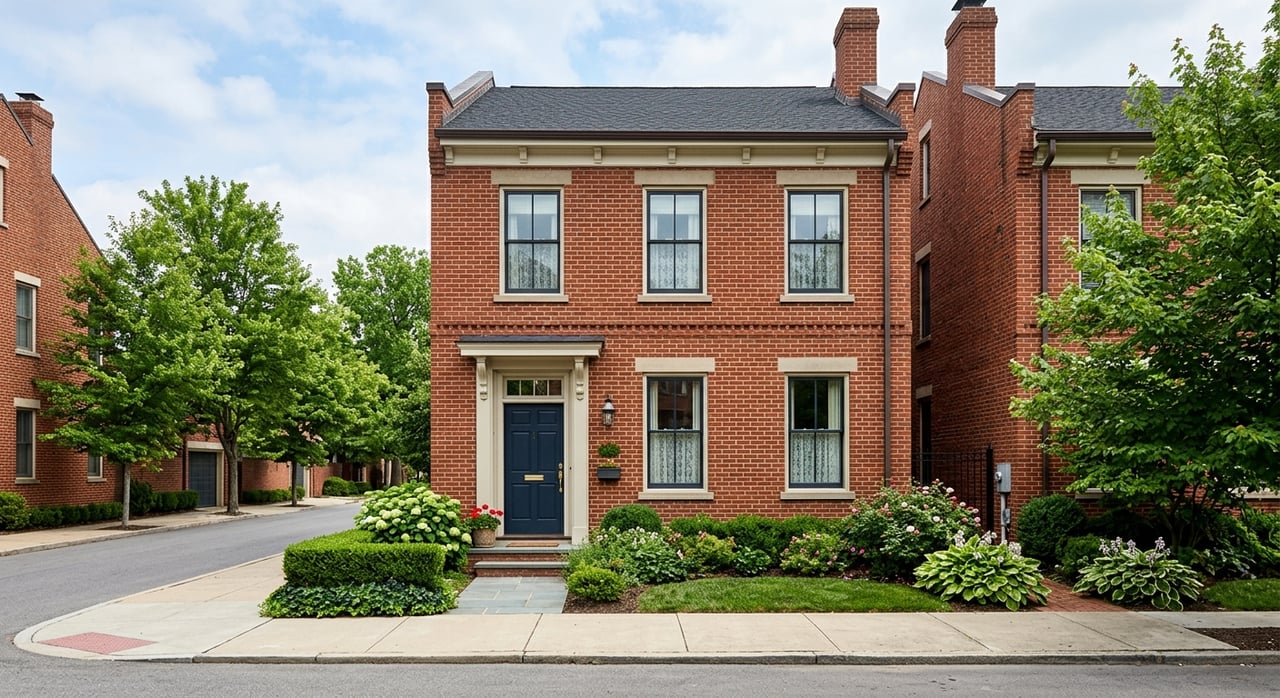
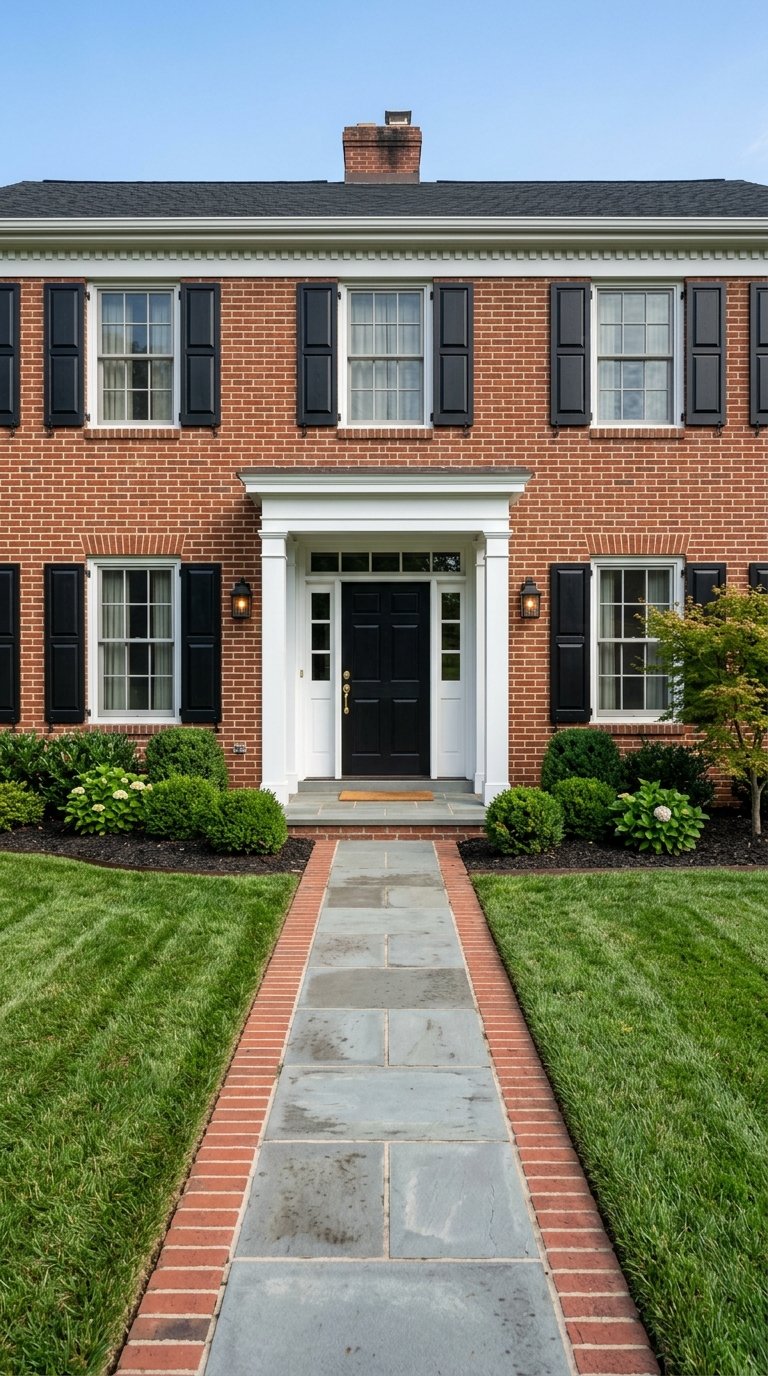
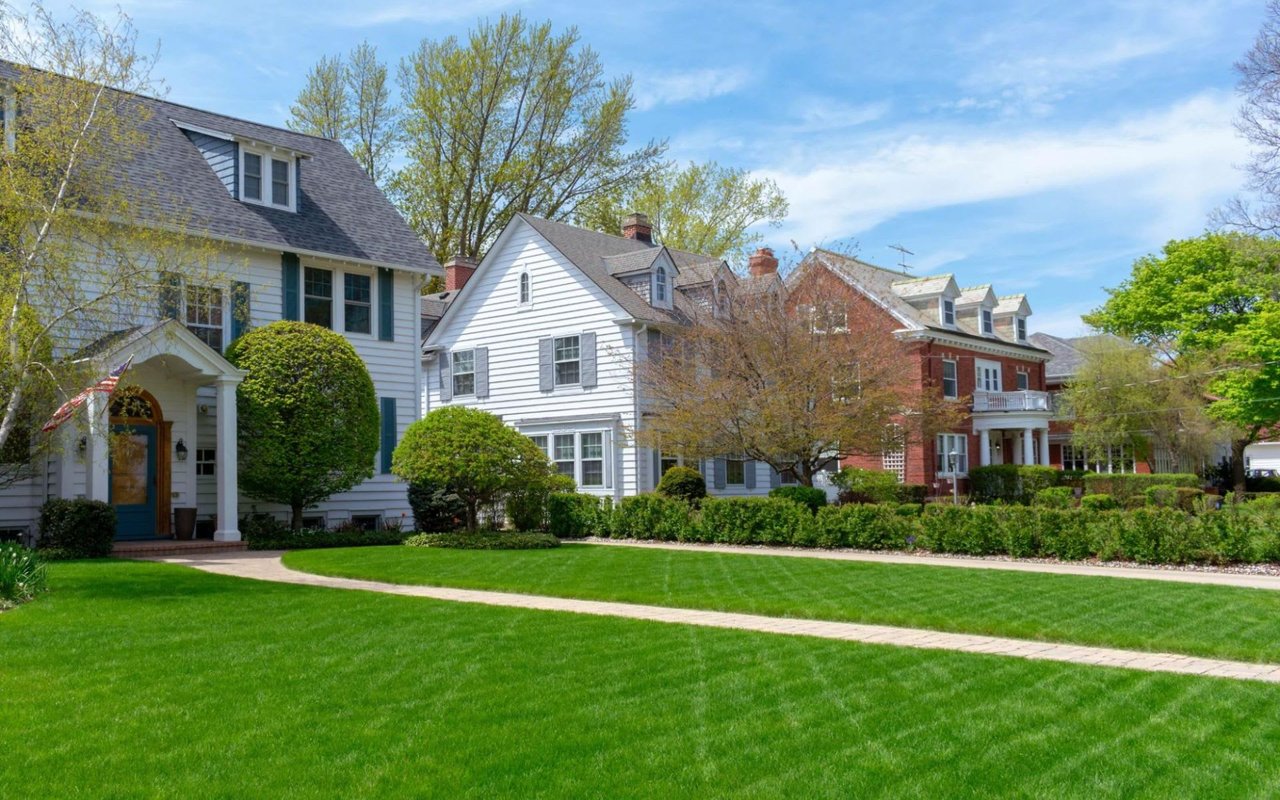
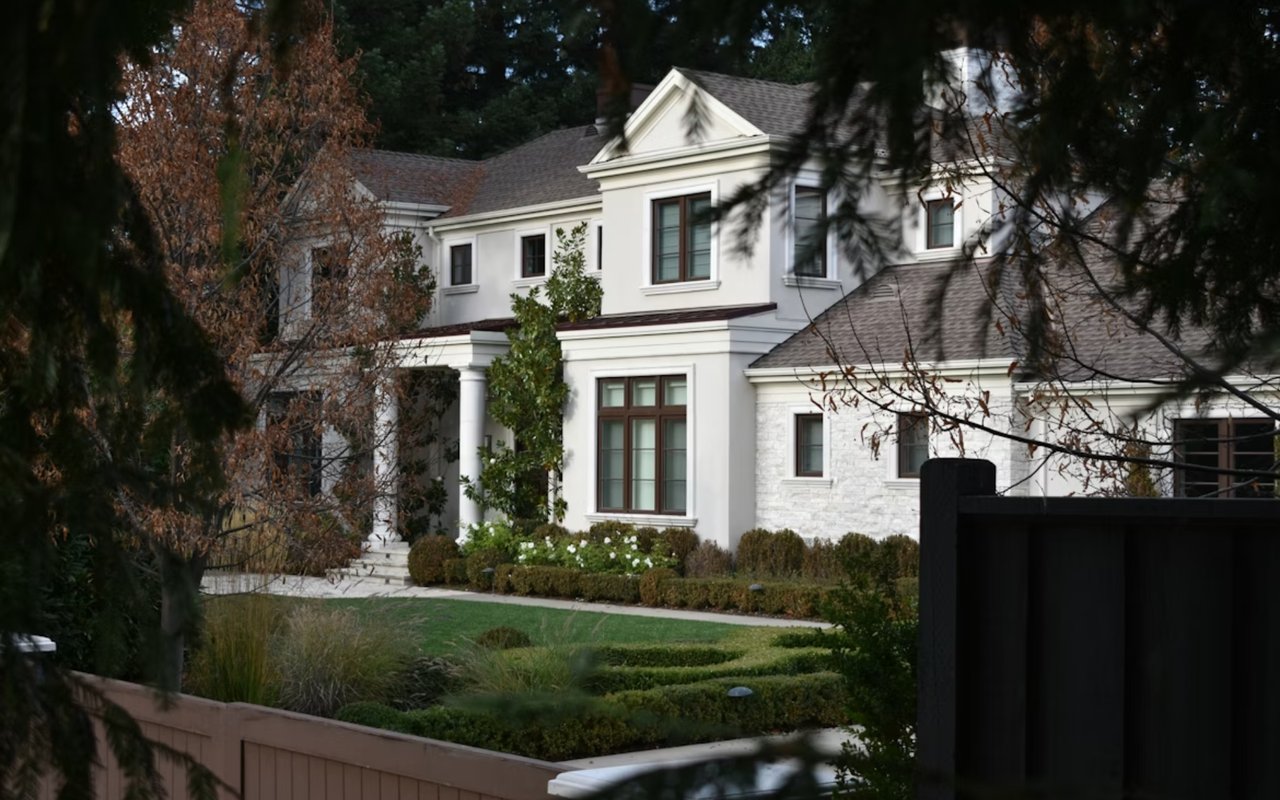
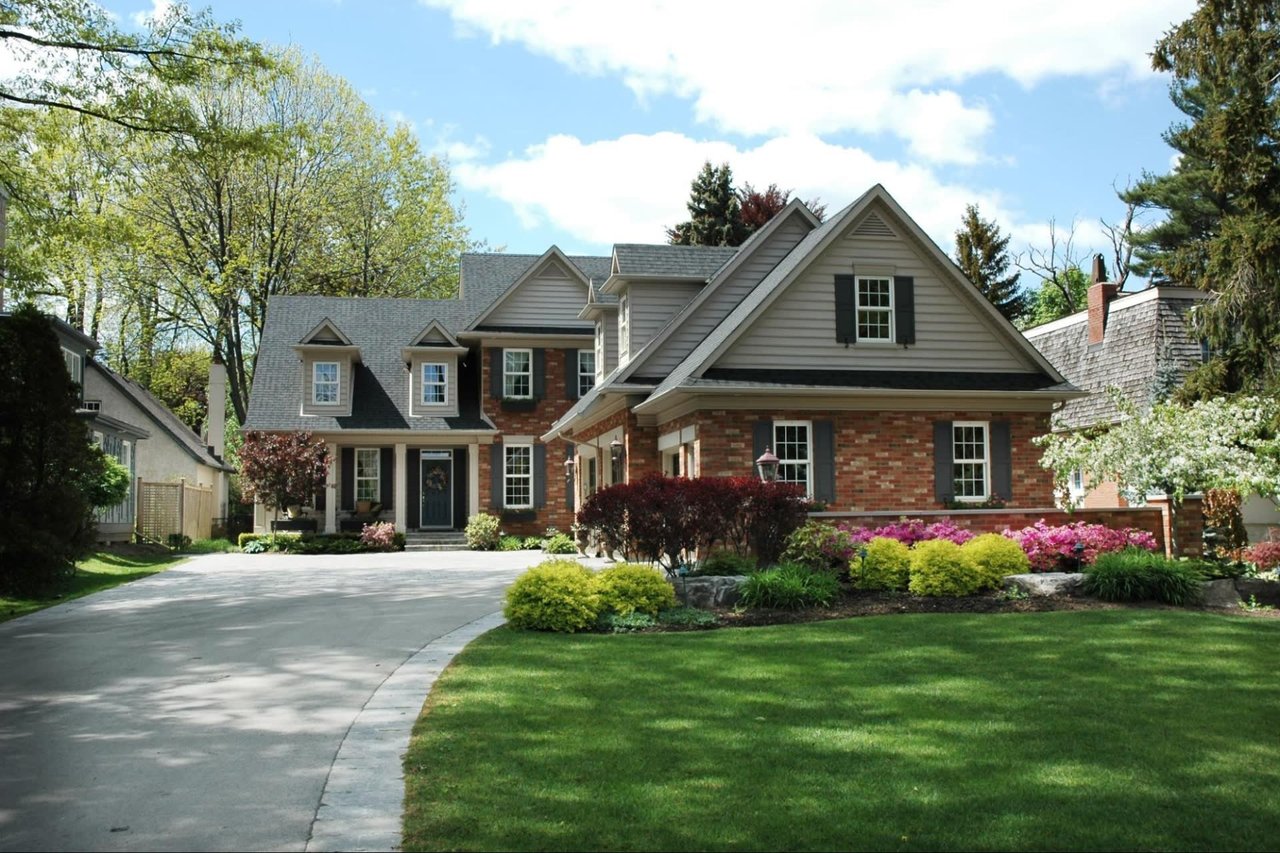
Colonial Revival is one of the most recognizable architectural styles in Virginia, and it feels especially at home in McLean. The style draws on earlier colonial-era forms and often includes a symmetrical front façade, an emphasized front door, and details like columns, pediments, fanlights, or sidelights.
You’ll also often see brick exteriors or white-painted trim, which fit naturally with the polished, timeless look many McLean buyers expect. This style tends to read as formal, balanced, and familiar, which can make it easier for buyers to picture themselves in the home.
What Buyers Notice First
With Colonial Revival homes, the exterior composition does a lot of the work. Buyers often respond to the sense of order created by matching windows, a centered entry, and a clear approach from the front walk to the foyer.
Inside, that same sense of balance usually carries into the floor plan. Staircases, living spaces, and sight lines from the entry often feel organized and easy to understand, which supports strong first impressions.
How to Present a Colonial Well
If you’re selling a Colonial Revival or suburban colonial in McLean, restraint matters. The architecture already gives you symmetry and structure, so staging should support that instead of competing with it.
A few smart presentation choices include:
- Keep the front entry clean and clearly visible
- Let the symmetry of the façade stand out
- Avoid blocking sight lines between the foyer, staircase, and main rooms
- Use landscaping and lighting to reinforce the home’s balanced look
Federal and Early Estate Homes
Some of McLean’s oldest homes tell a very different story. Rather than fitting the suburban colonial mold, these homes are better understood as Federal or vernacular estate houses tied to the area’s earlier history.
A local example is Salona, which the Virginia Department of Historic Resources describes as a Federal house with later Italianate alterations. Another is Drover’s Rest, a late-18th-century vernacular dwelling on Georgetown Pike that reflects McLean’s rural past.
Why These Homes Feel Different
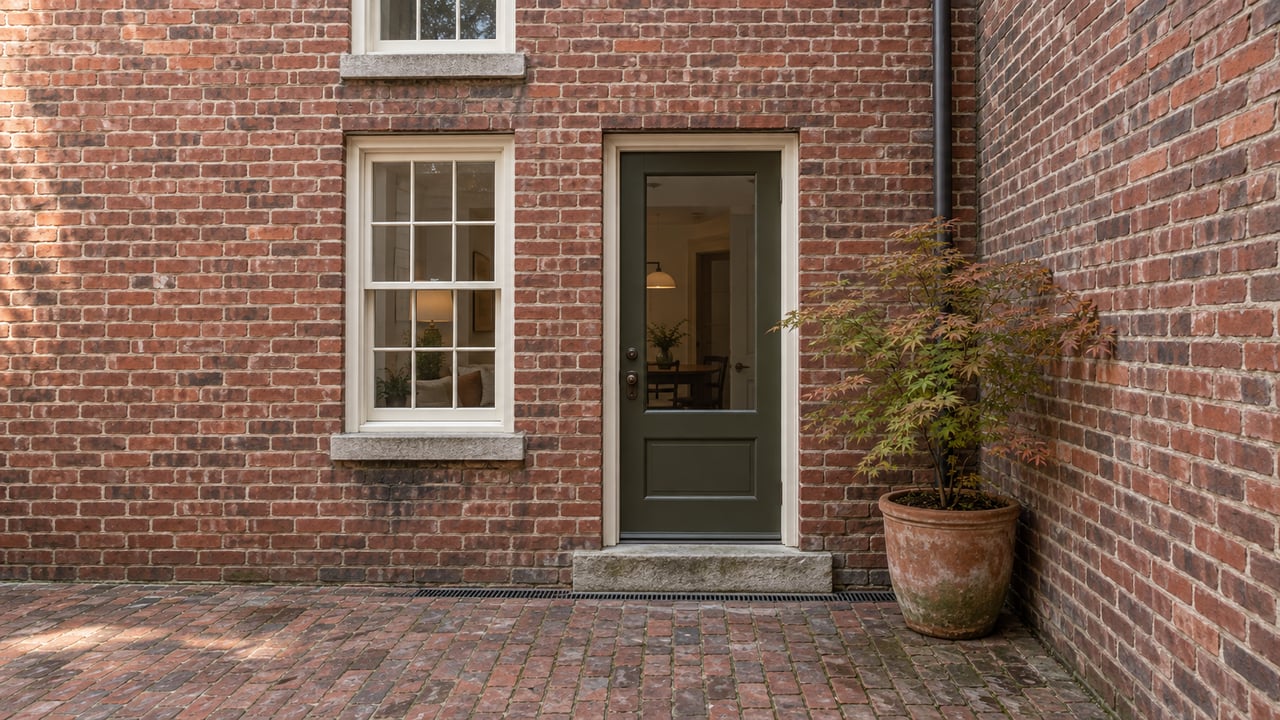
These older homes often appeal less because of size or novelty and more because of authenticity, setting, and character. Mature landscaping, historic proportions, and original architectural details can create a sense of place that newer homes cannot easily replicate.
For buyers, these properties may feel special because they connect to McLean’s earlier development story. For sellers, that usually means the goal is to preserve what makes the house distinctive while making it comfortable and functional for today’s living.
Selling a Historic-Feeling Home
When preparing one of these homes for the market, thoughtful updates are often more effective than sweeping changes. Kitchens, baths, and major systems may need improvement, but the strongest results usually come from updating without erasing the home’s proportions or character details.
If a property is on the county inventory or within a historic overlay district, Fairfax County says the Architectural Review Board reviews certain applications. That is especially important to remember if you are planning additions, exterior alterations, or other major exterior changes before listing.
Ranch, Split Level, and Split Foyer Homes
McLean’s postwar neighborhoods also include homes shaped by practical, mid-century planning. According to the Virginia residential style guide, Ranch homes are generally low, horizontally oriented, and often feature wide eaves, open interiors, picture windows, sliding glass doors, and attached garages.
Split Level homes adapt that same horizontal feeling across multiple floors, separating uses across different levels. Split Foyer and Raised Ranch forms also appear in the county’s residential record, giving buyers another layer of options beyond more formal traditional homes.
Why These Layouts Still Appeal
These homes often attract buyers who care about flexibility and function. The layouts can offer useful separation between living areas, bedrooms, recreation space, and work-from-home zones.
Many buyers also see renovation potential. Because these homes were built with practical footprints and often generous windows, updates can improve flow and light without changing the home’s core character.
Best Staging Moves for Split-Level Homes
The biggest challenge with these homes is helping buyers understand the layout quickly. Each level should feel intentional, connected, and easy to use.
When preparing this style for sale, focus on:
- Defining the purpose of each level clearly
- Improving light on the main floor where possible
- Making stair transitions feel natural and uncluttered
- Using furniture scale that supports circulation instead of crowding it
Contemporary and Custom Homes
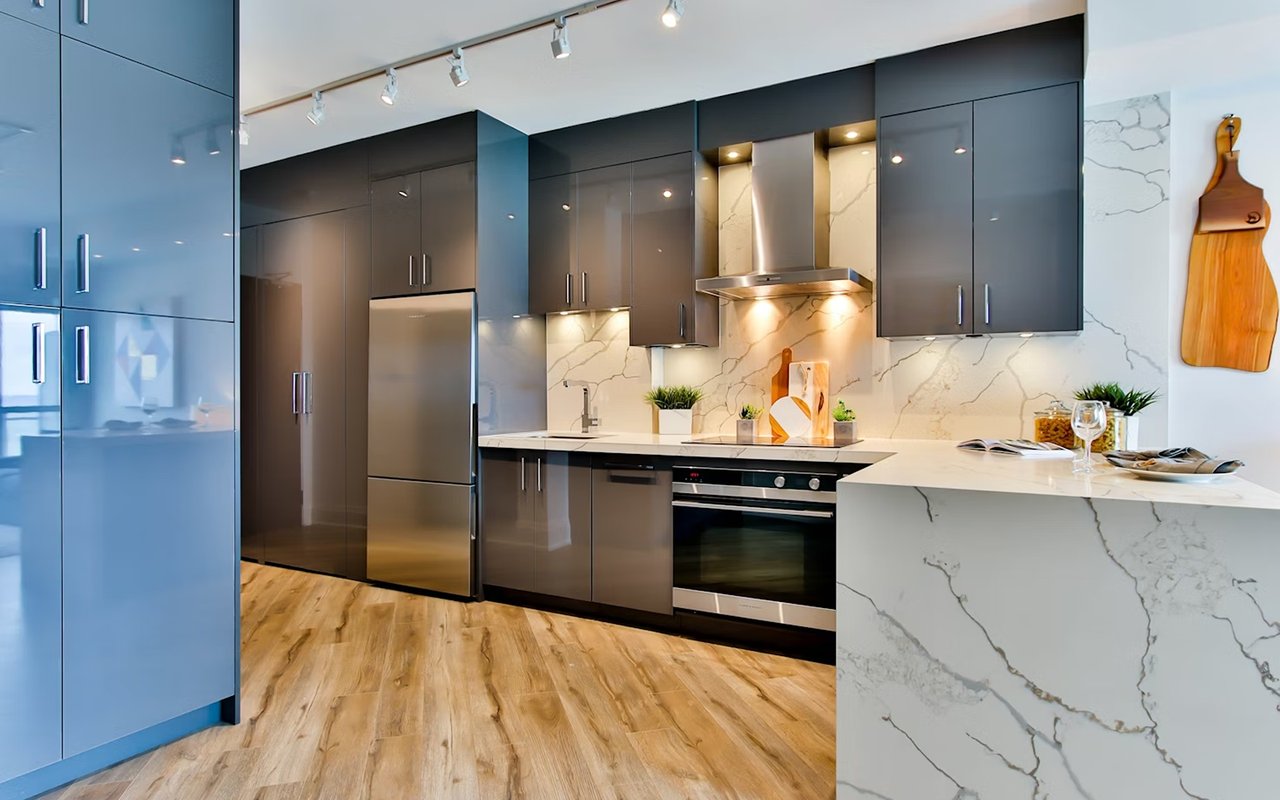
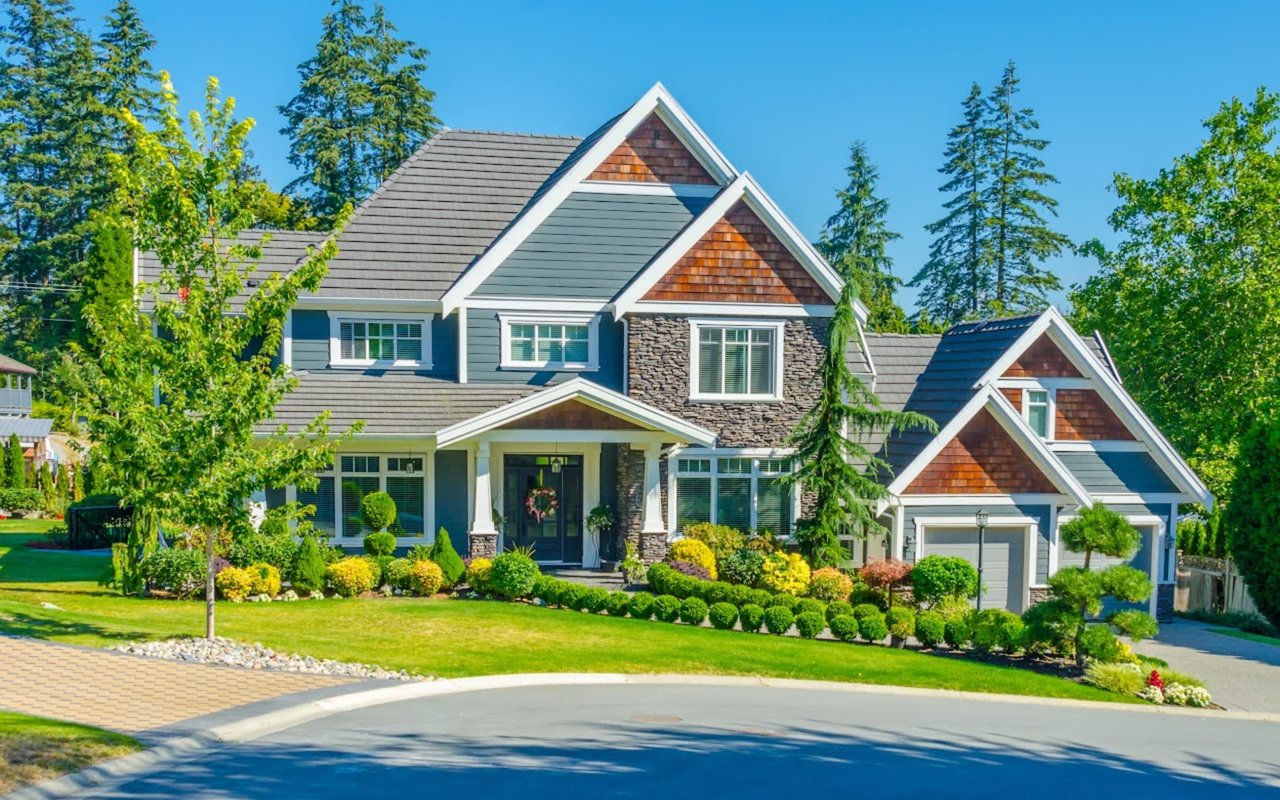
McLean also includes Contemporary, Modern Colonial, Neo-Traditional, and other postwar-to-present forms in its residential vocabulary. Fairfax County’s surveys note a custom-built housing stock, which helps explain why newer homes in McLean often do not fit neatly into one box.
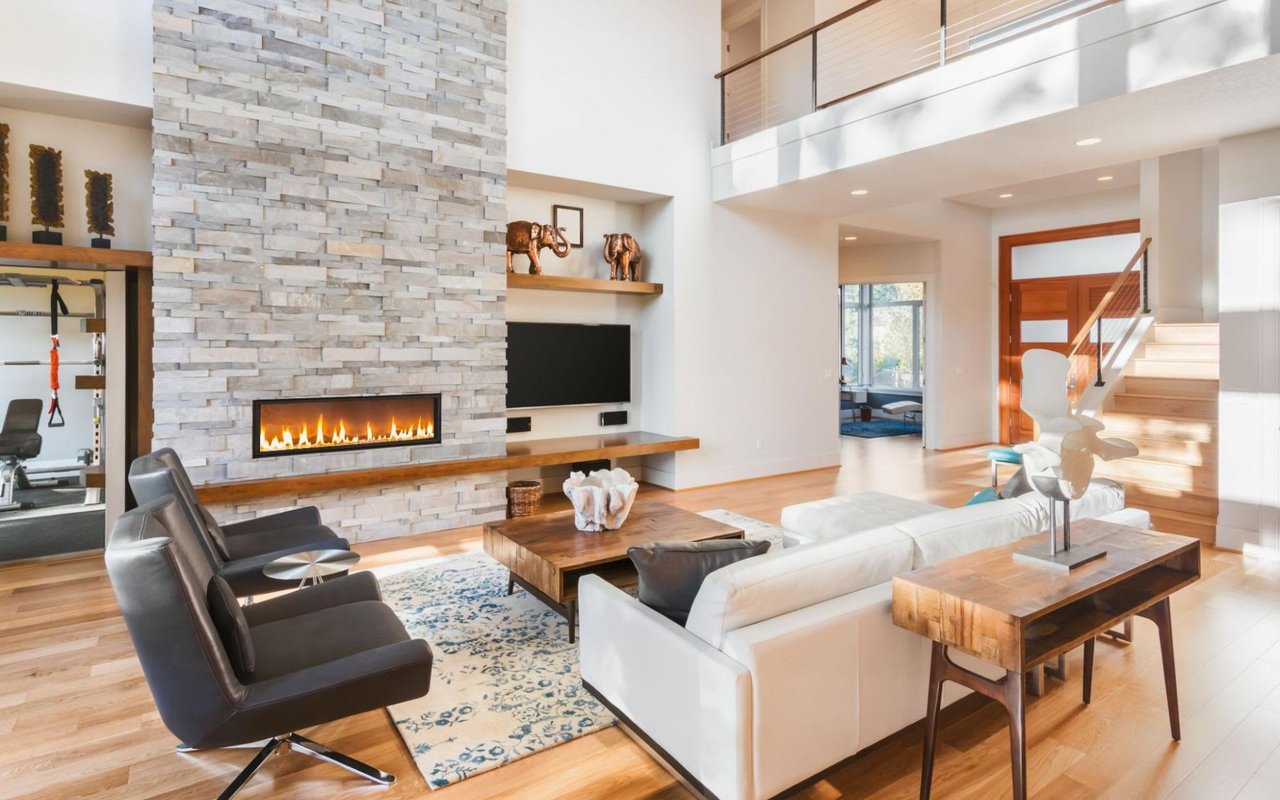
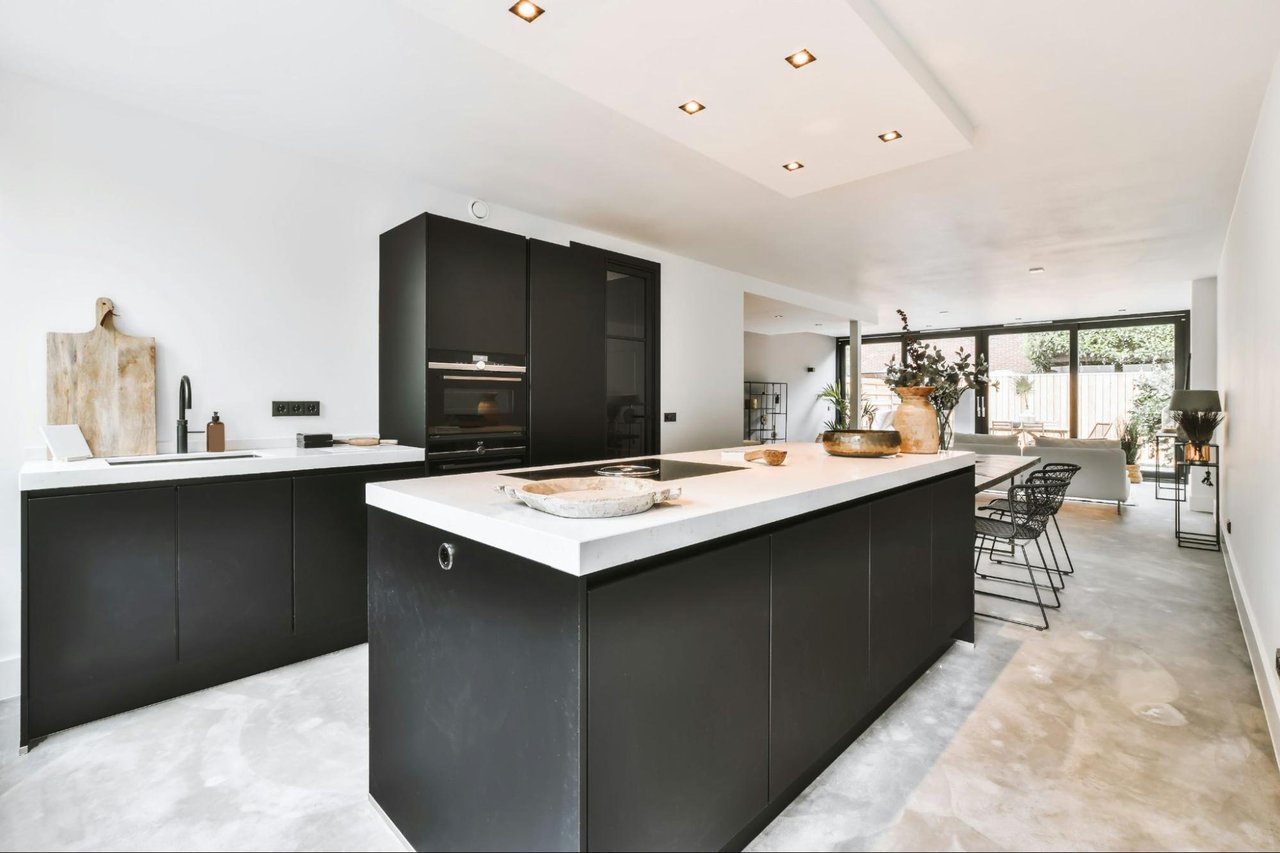
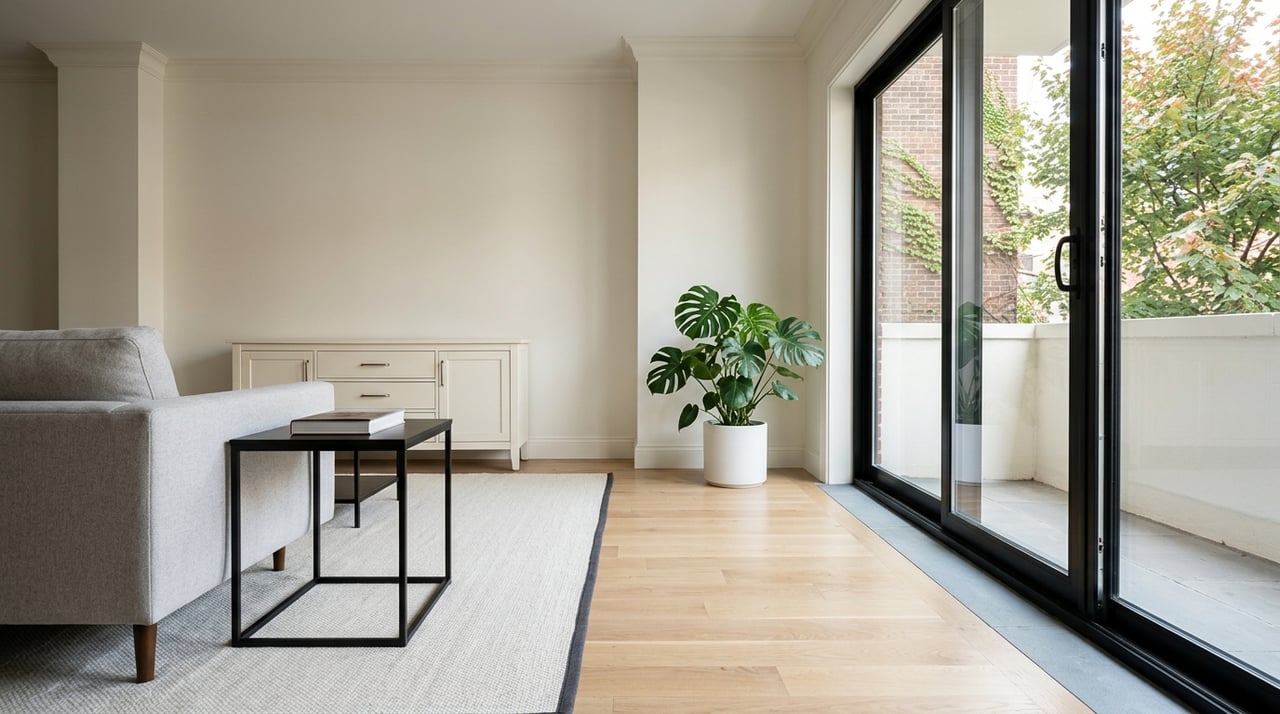
Some properties lean traditional with updated proportions, while others move toward cleaner lines, more glass, and stronger indoor-outdoor flow. Modern architecture is often associated with long, low forms, cost-effective materials like steel or concrete, and generous use of glass, including floor-to-ceiling windows in some designs.
What Sets Newer Custom Homes Apart
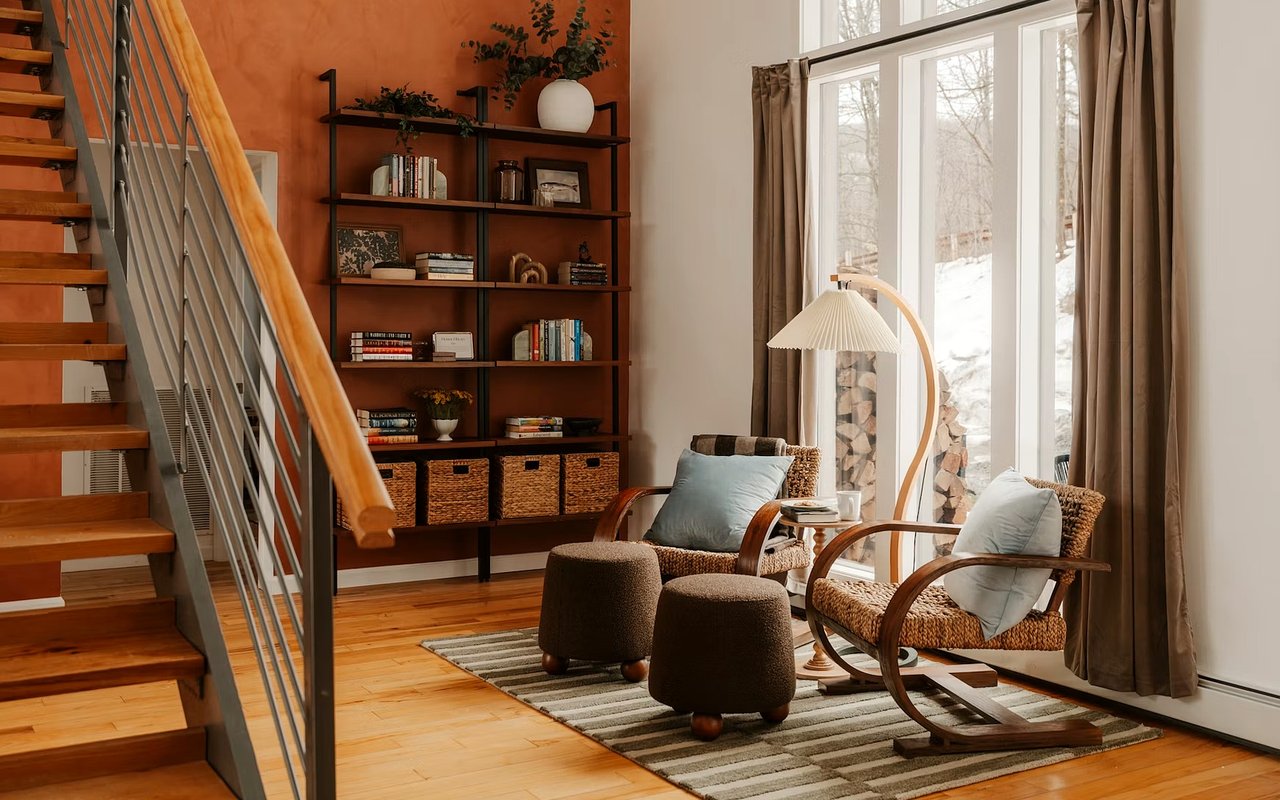
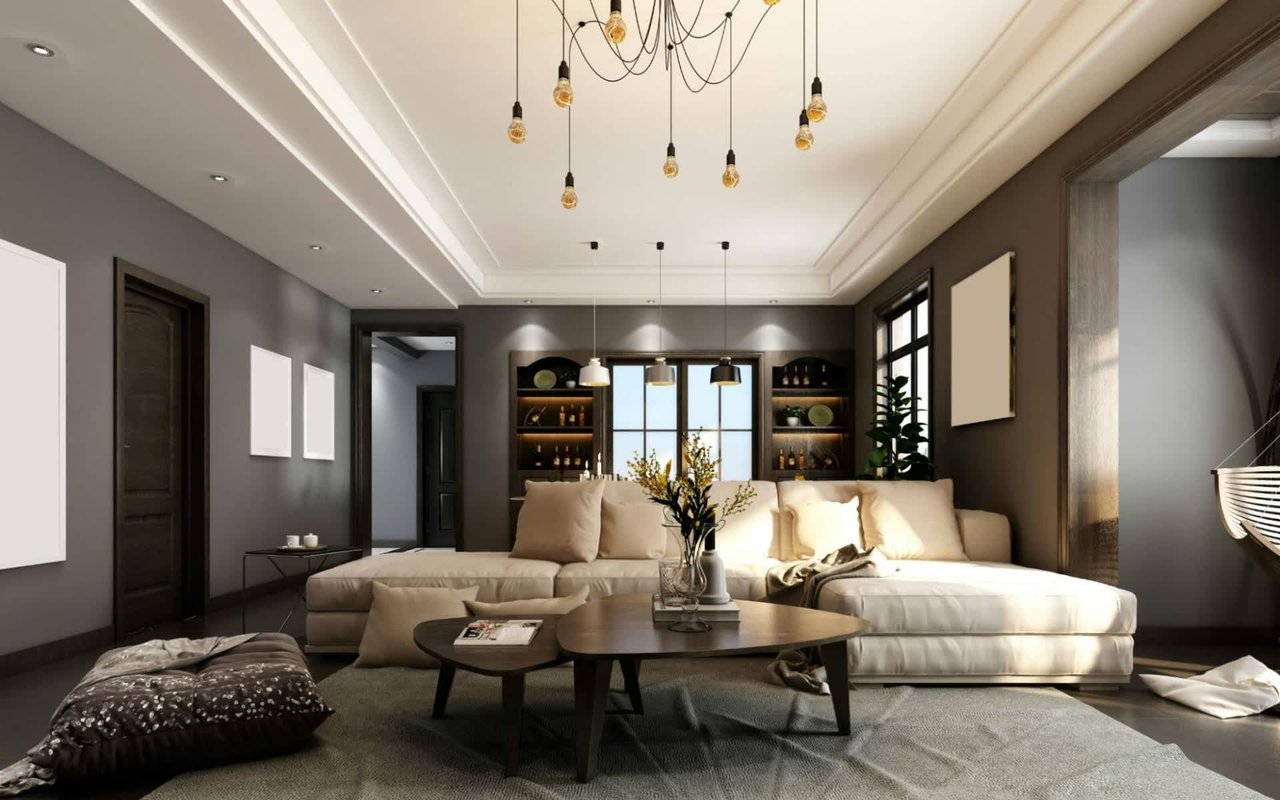
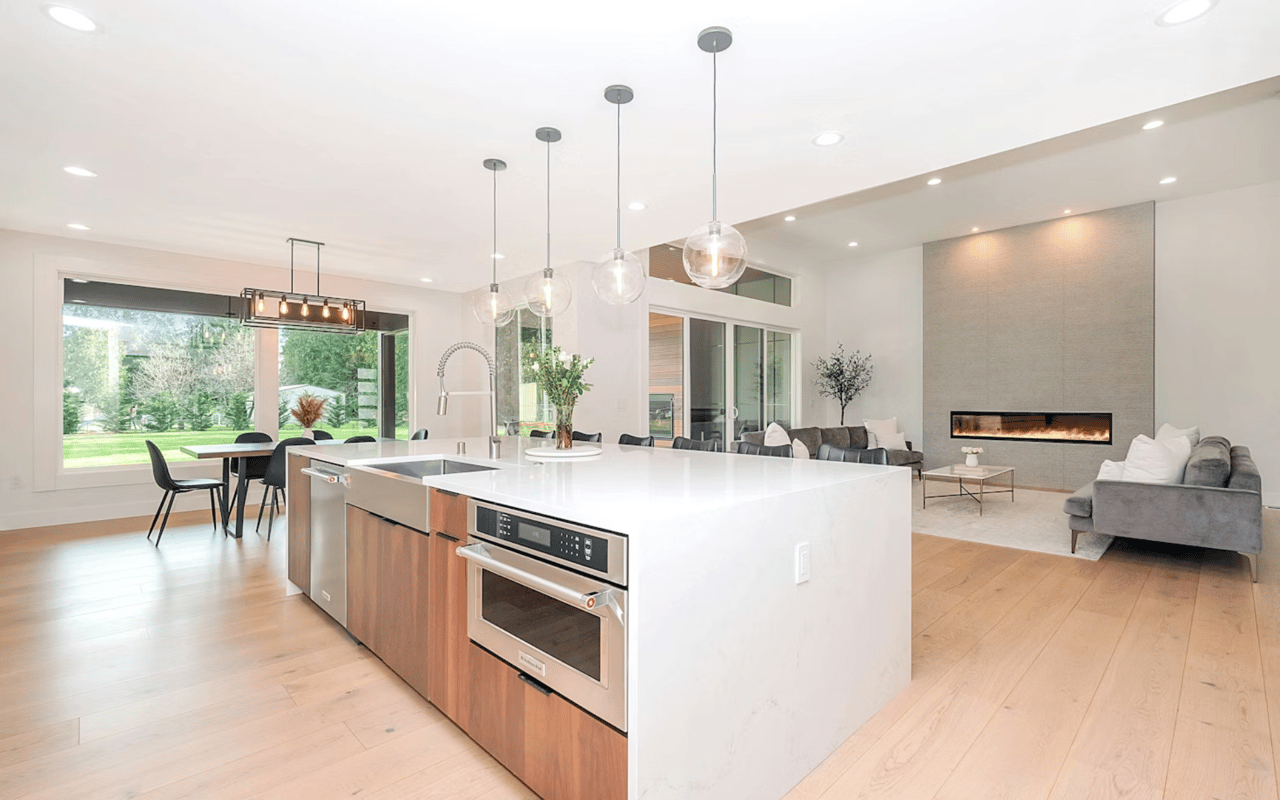
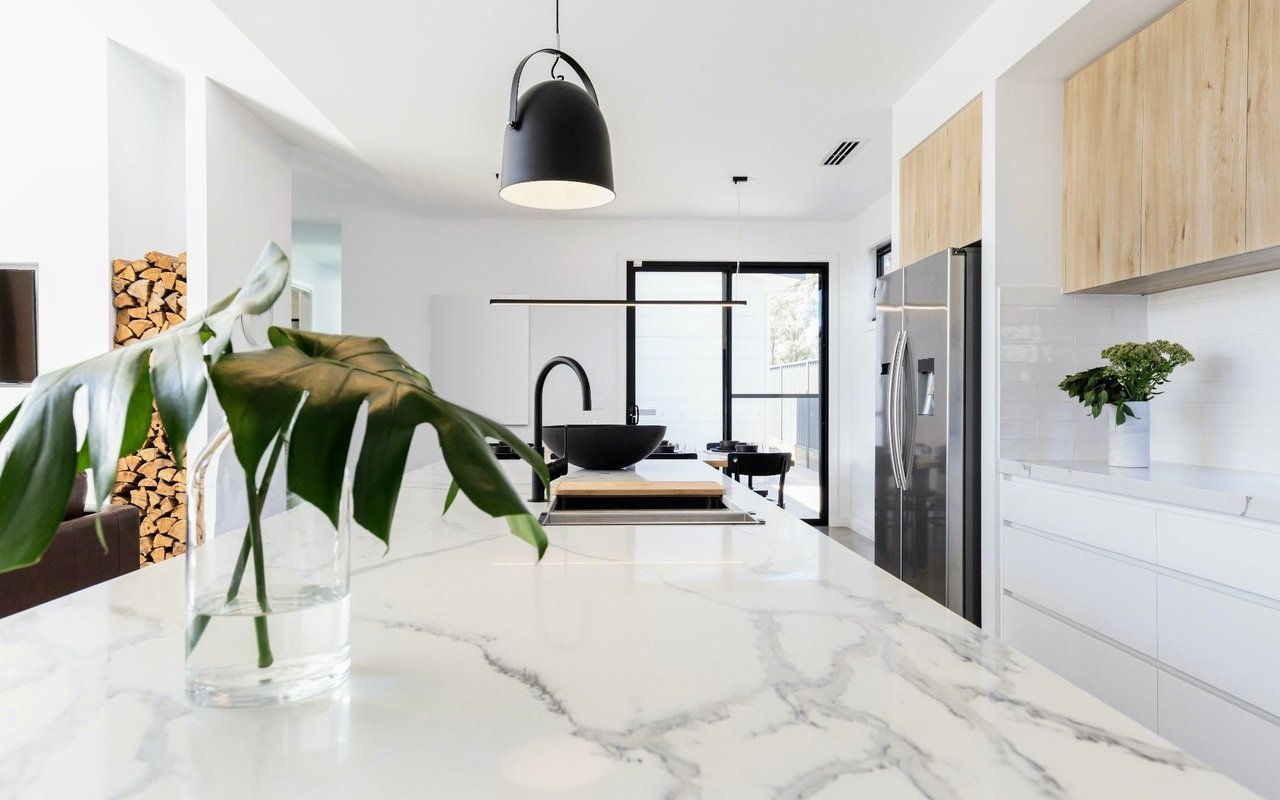
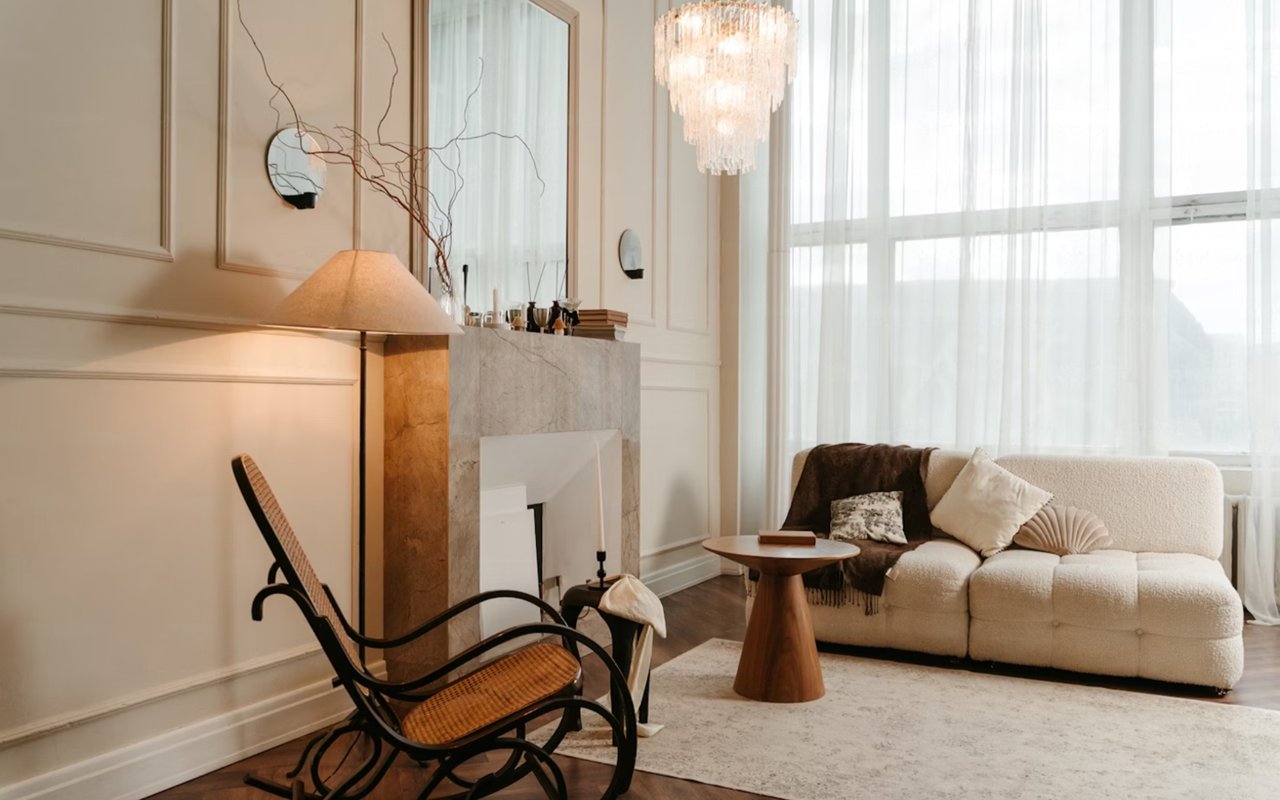
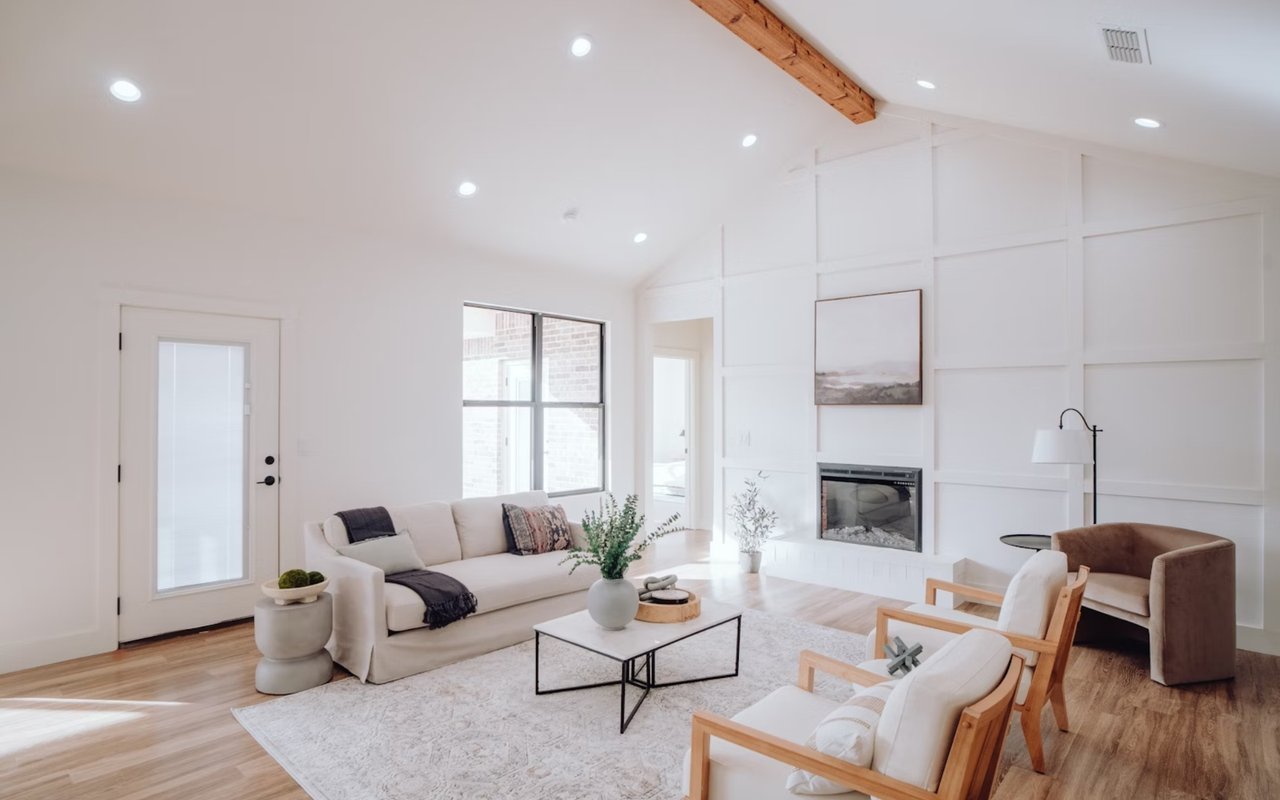
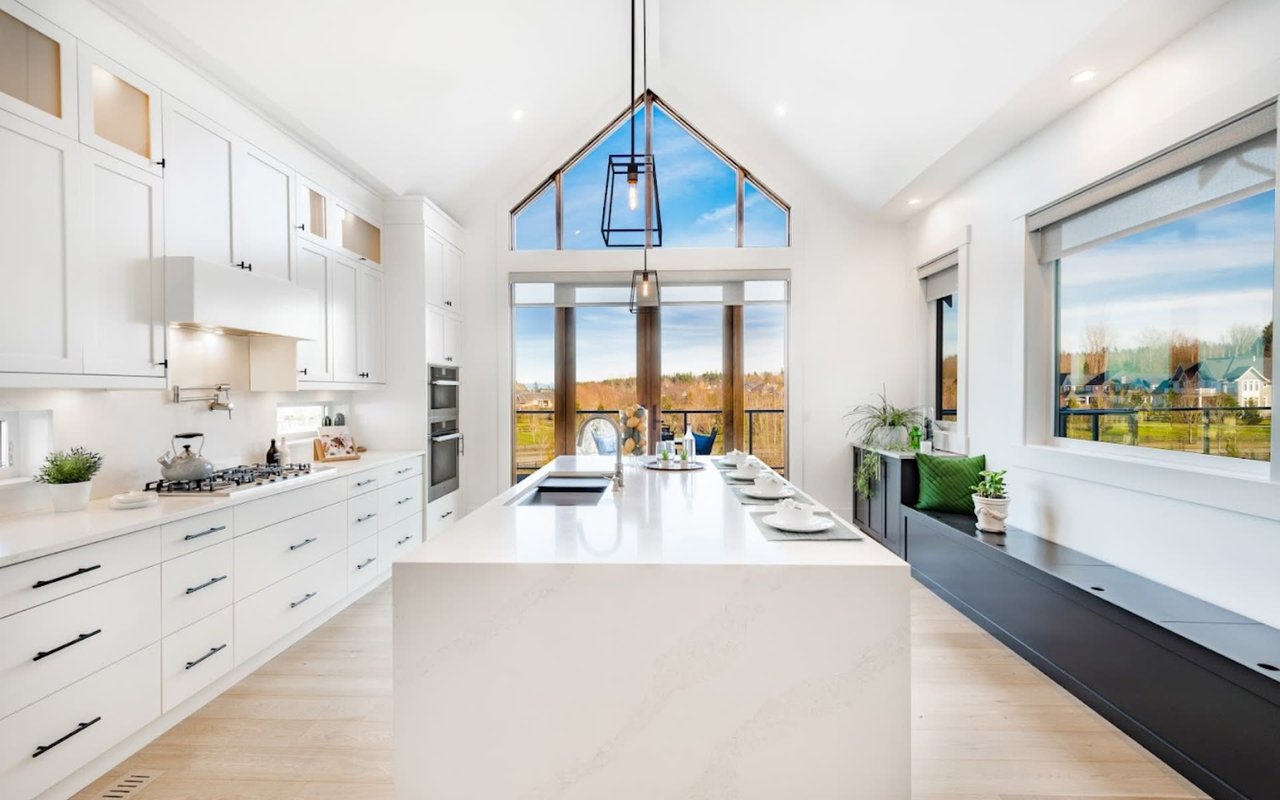
In McLean, newer custom homes often stand out through openness, ceiling height, and a stronger connection between interior and exterior spaces. Even when the exterior reads as traditional, the inside may feel more contemporary in layout and finish.
That matters because buyers tend to respond to the experience of the home as much as the label. A house that feels bright, calm, and well-planned often creates a stronger impression than one packed with features but lacking visual flow.
How to Stage Modern Spaces
Contemporary and custom homes usually benefit from a lighter touch. Too much furniture or decor can distract from the architecture itself.
A few effective strategies include:
- Reduce clutter and visual noise
- Use fewer, larger pieces instead of many small ones
- Highlight windows and natural light
- Draw attention to ceiling height and backyard or terrace transitions
Why Curb Appeal Matters in McLean
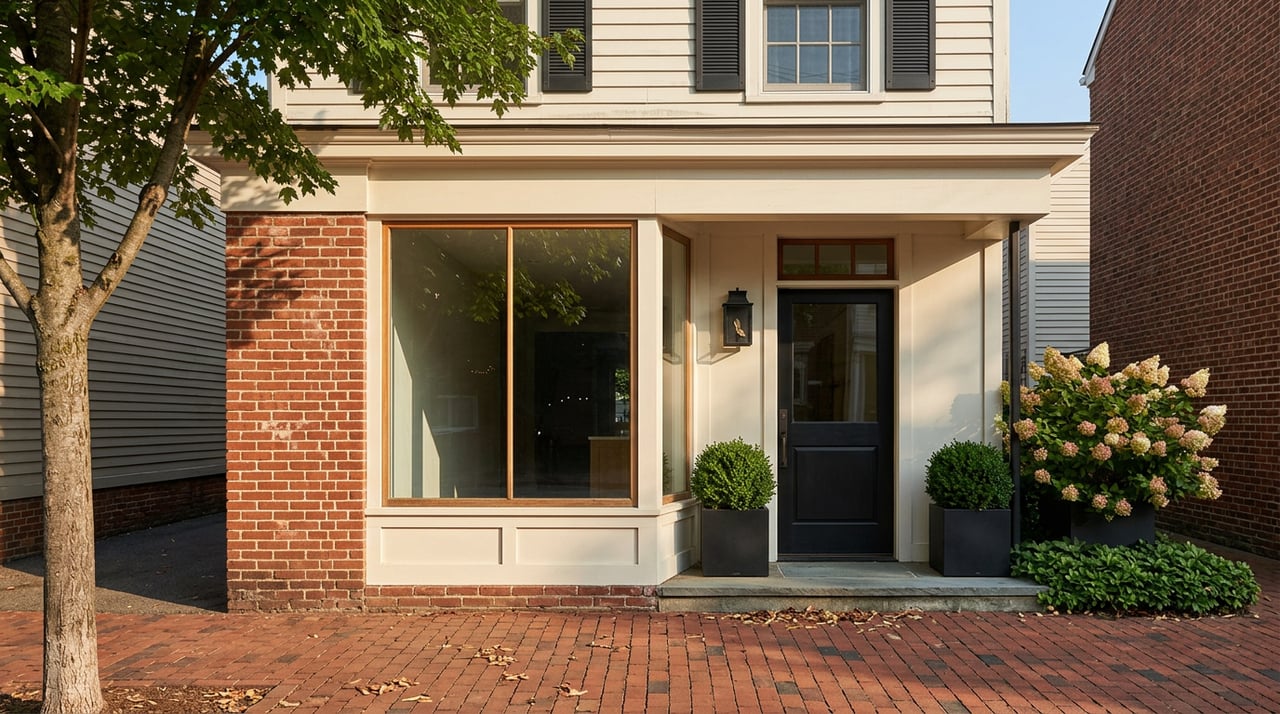
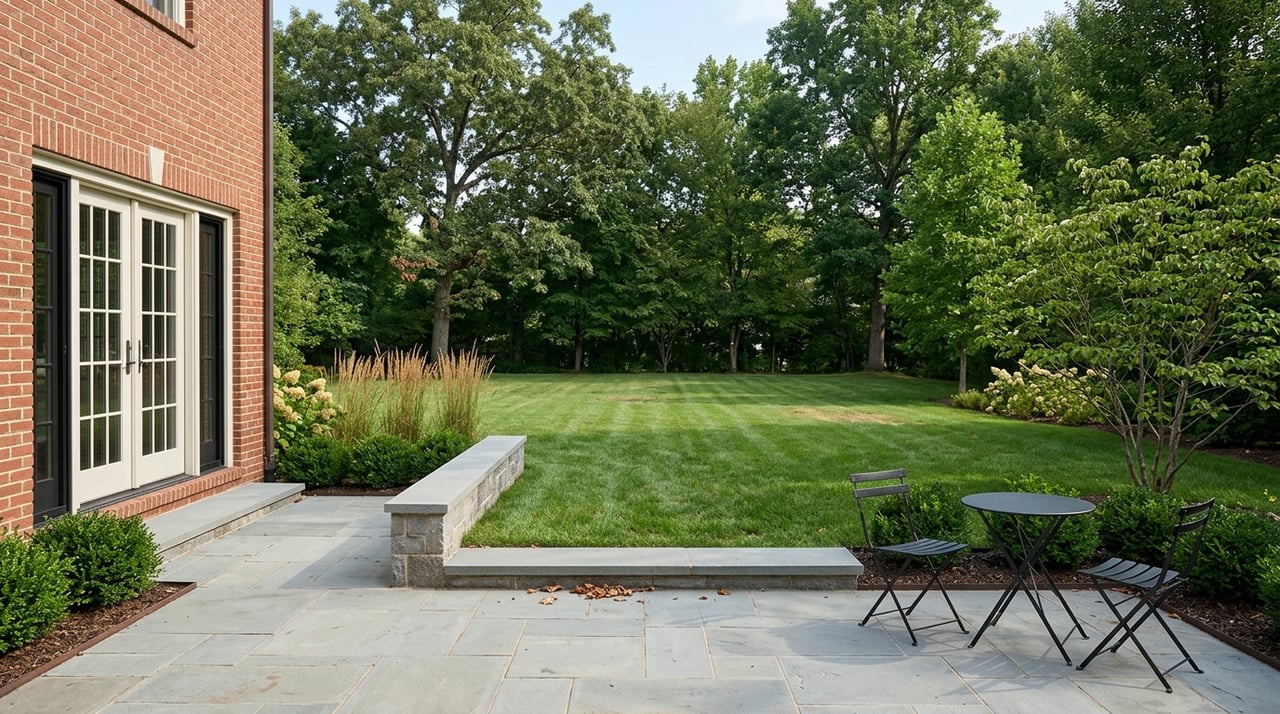
Architecture does not stop at the front door. McLean’s local design guidelines for the downtown area emphasize elements like brick sidewalks, street trees, lively public spaces, and lush landscapes. While those guidelines are not a rulebook for every home, they reflect a broader local preference for attractive, well-kept exterior presentation.
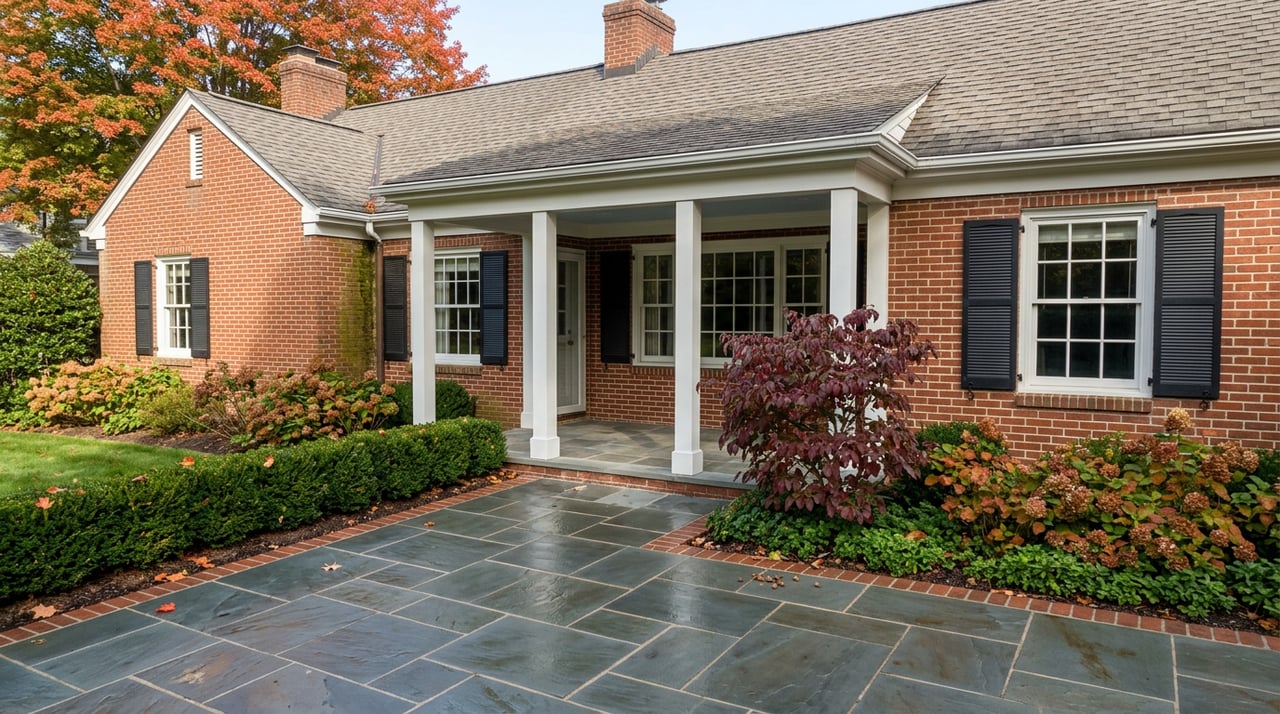
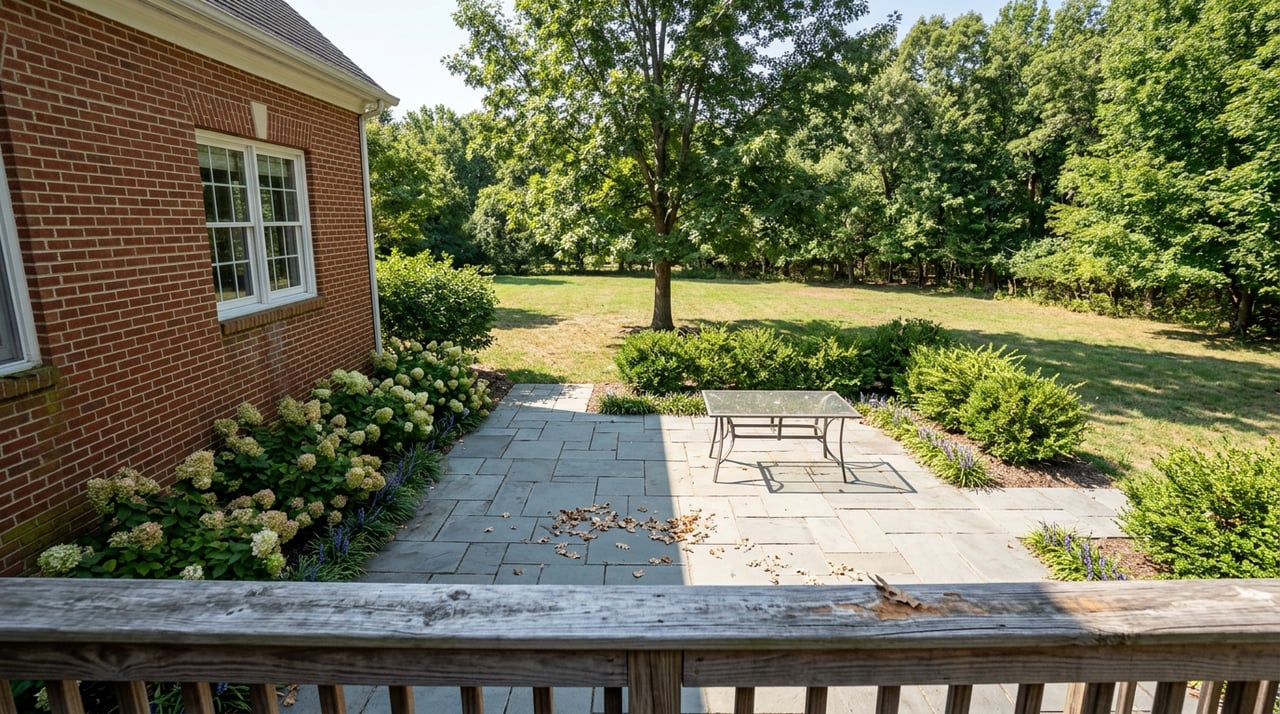
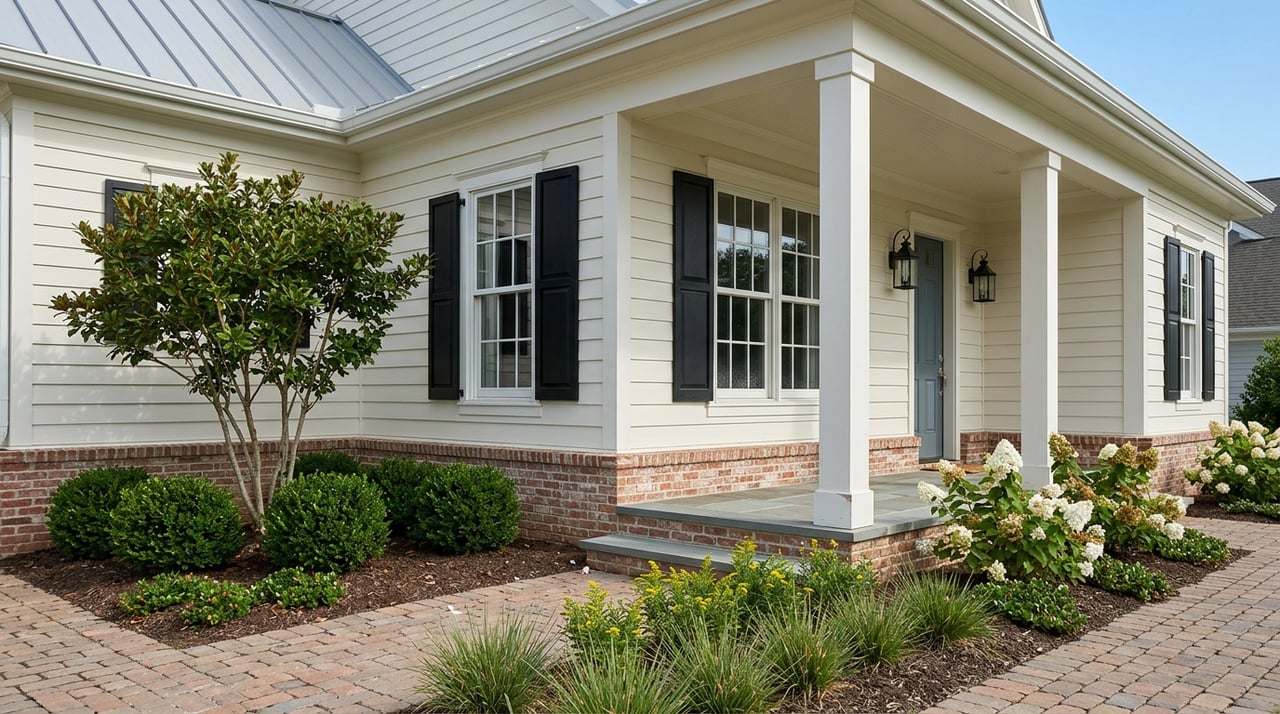
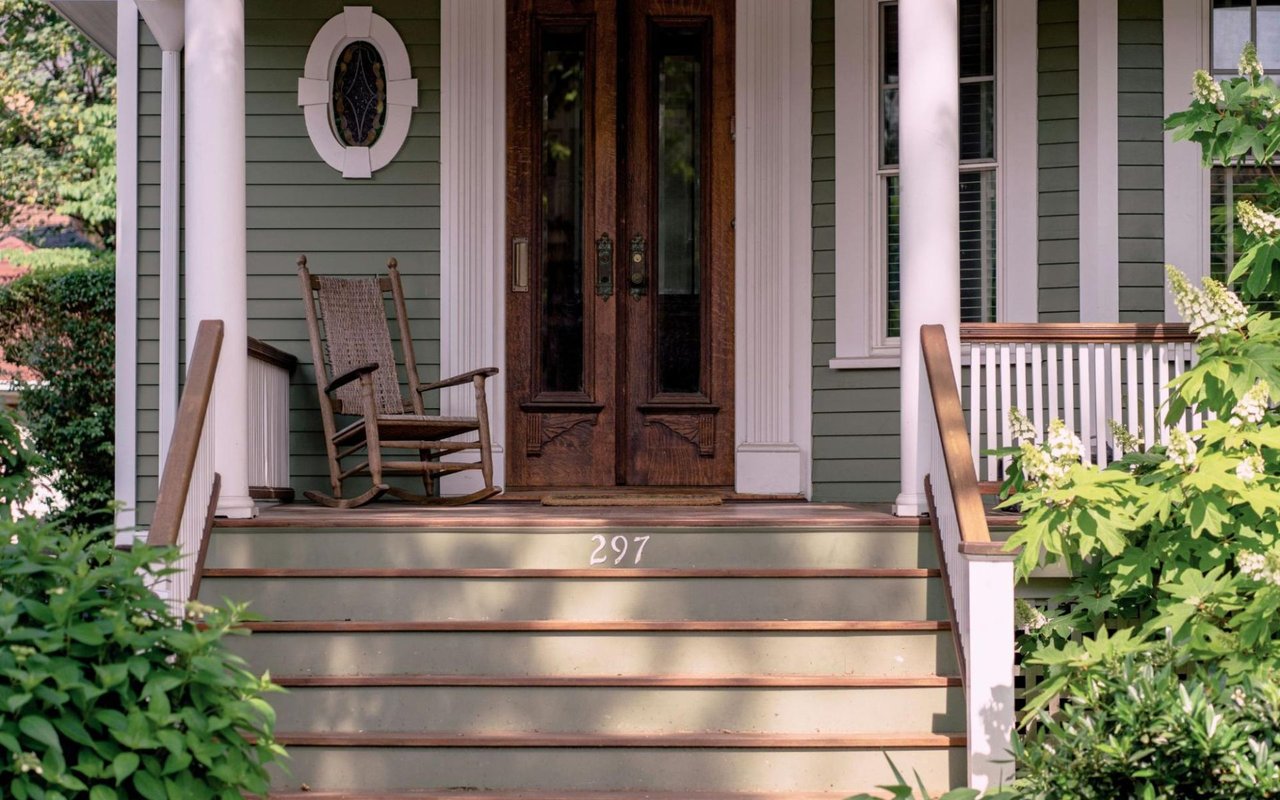
That makes your front walk, lighting, landscaping, and entry details especially important. Buyers often form their first opinion within seconds, and in a place like McLean, exterior presentation should feel intentional from the curb all the way to the foyer.
Matching Presentation to the Style
One of the smartest things you can do before listing is make your home’s style obvious right away. Traditional homes usually benefit from symmetry, balance, and a calm visual rhythm. Mid-century and split-level homes need clear circulation and strong light. Contemporary homes need simplicity so the architecture can lead.
This is where a preparation-first approach can make a real difference. When your staging, repairs, and exterior updates are tied to the actual architecture of the home, the result feels more cohesive and more market-ready.
In McLean, where old and new homes often share the same neighborhood, thoughtful preparation helps buyers understand what makes your property special. That is often the difference between a home that simply gets listed and one that makes a memorable first impression.
If you’re thinking about selling in McLean, style should shape your preparation plan from day one. The right updates, staging decisions, and vendor support can help your home show its best features without losing the character that makes it yours. To talk through what that could look like for your property, connect with Choose Wisely Group.
FAQs
What architectural styles are most common in McLean homes?
- McLean includes a mix of Colonial Revival, Federal and vernacular estate homes, Ranch, Split Level, Split Foyer, Contemporary, Modern Colonial, and other custom residential styles, with single-family detached homes as the predominant housing type.
How can I identify a Colonial Revival home in McLean?
- Colonial Revival homes often have symmetrical façades, centered front entries, and details such as columns, pediments, fanlights, sidelights, brick exteriors, or white-painted trim.
Are there historic homes in McLean, Virginia?
- Yes. Local examples include Salona, a Federal house with later Italianate alterations, and Drover’s Rest, a late-18th-century vernacular dwelling that reflects McLean’s earlier rural history.
What makes Ranch and Split Level homes different in McLean?
- Ranch homes are generally low and horizontal with open interiors and large windows, while Split Level homes divide living functions across multiple floors while keeping a similar horizontal feel.
How should I prepare a McLean home for sale based on its style?
- The best approach is to highlight the features that define the style, such as symmetry in traditional homes, circulation and light in split-level homes, or clean lines and windows in contemporary homes, while also improving exterior presentation.
Do historic review rules affect some McLean properties?
- Yes. If a property is on the county inventory or in a historic overlay district, Fairfax County says the Architectural Review Board reviews certain applications, especially for additions, exterior alterations, and demolition-sensitive work.