Choosing between a Georgetown rowhouse and a Georgetown condo is not just about style. It is about how you want to live, what kind of upkeep you want to manage, and how comfortable you are with shared rules versus direct control. If you are weighing character, convenience, budget, and long-term fit in one of DC’s most established neighborhoods, this guide will help you compare the tradeoffs clearly. Let’s dive in.
Why This Choice Matters in Georgetown
Georgetown is unlike many other DC neighborhoods because history plays a big role in what you can buy and what you can change. The Georgetown Historic District was created in 1950, making it Washington’s first historic district and one of the earliest in the country.
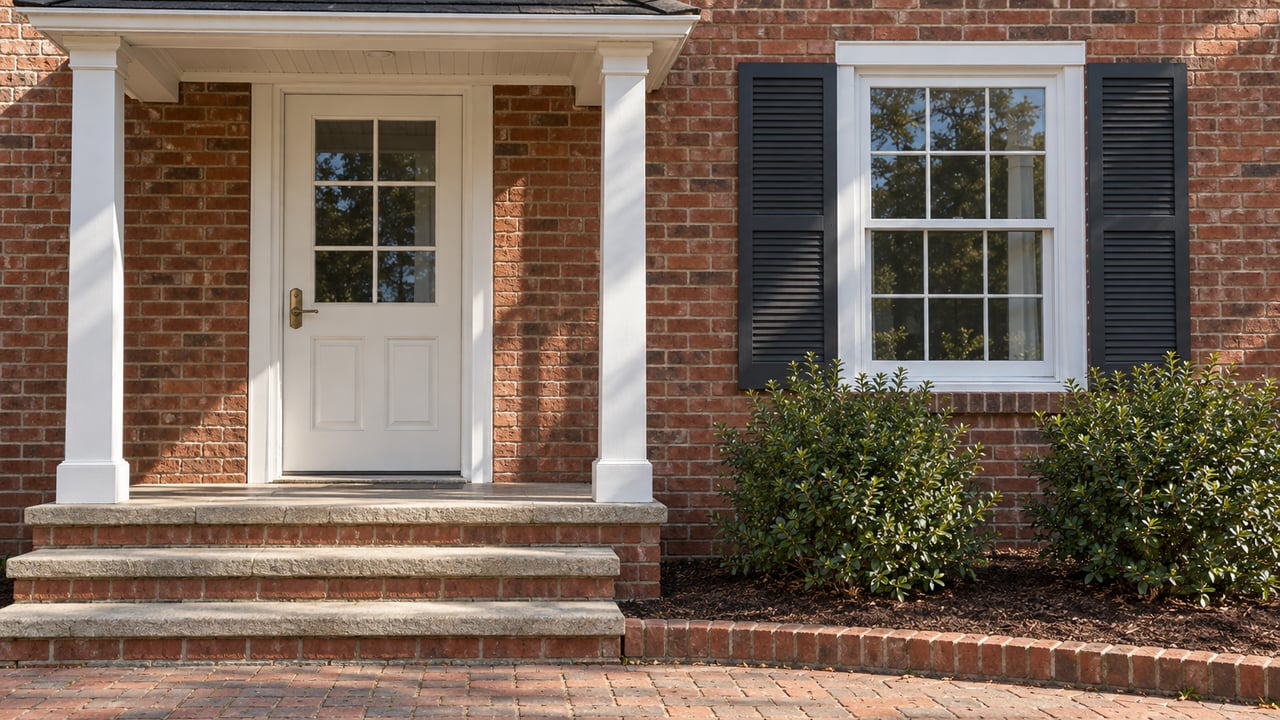
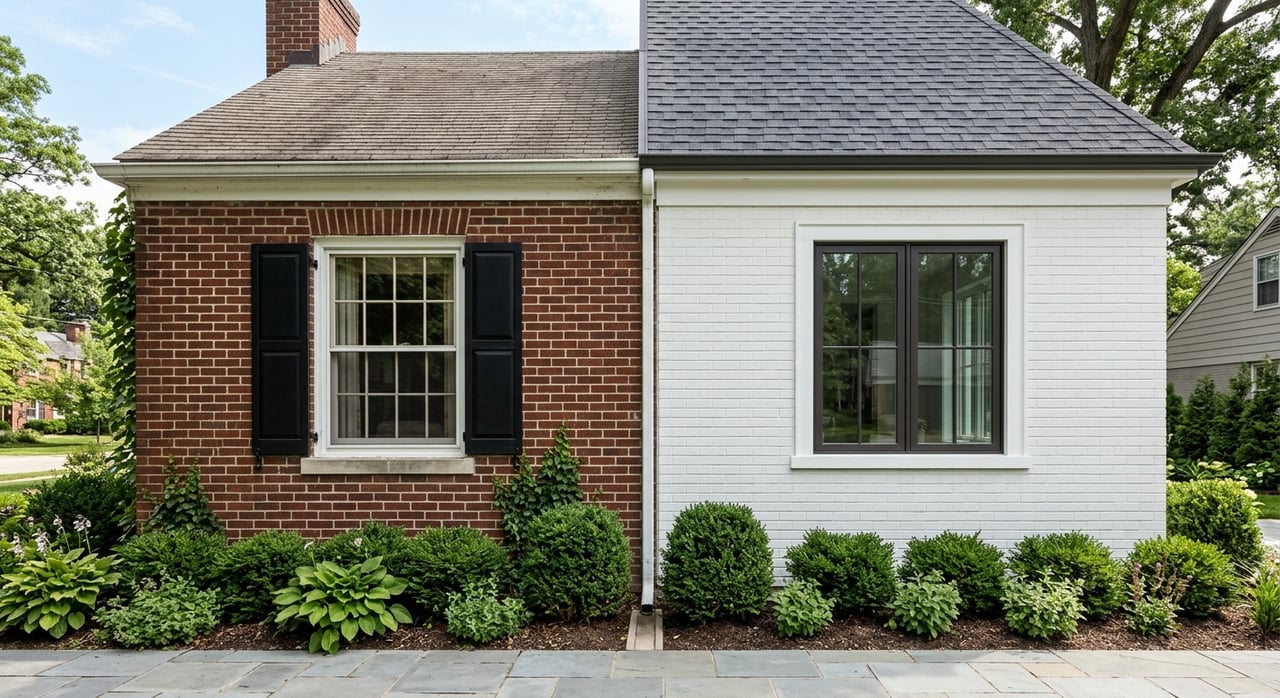
That status shapes daily ownership in practical ways. Exterior work in Georgetown often follows a separate review path under the Old Georgetown Act, with review focused on features such as windows, doors, roofs, porches, basement entrances, and roof decks or additions.
The market also gives this comparison real weight. Recent Redfin data places Georgetown’s median sale price at about $1.524 million, with homes selling in around 41 days and at roughly 99% of list price. Georgetown is also considered fairly walkable, with a Walk Score of 85.
Georgetown Rowhouses at a Glance
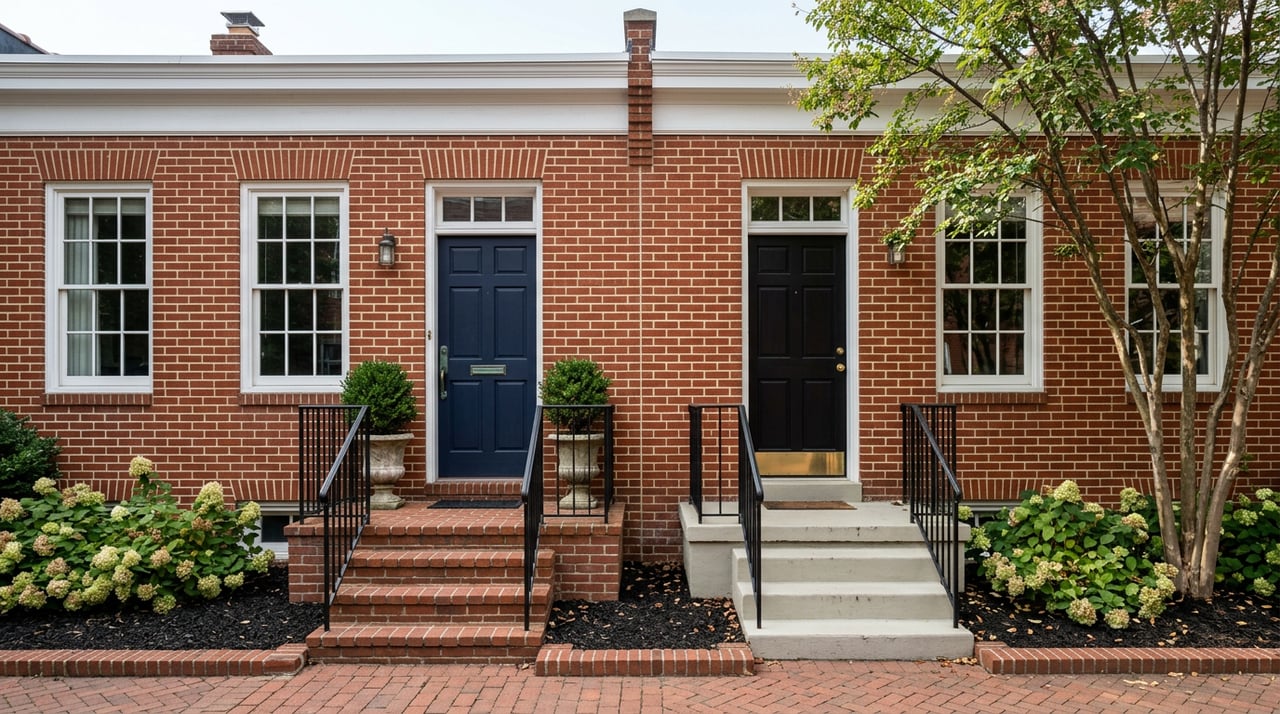
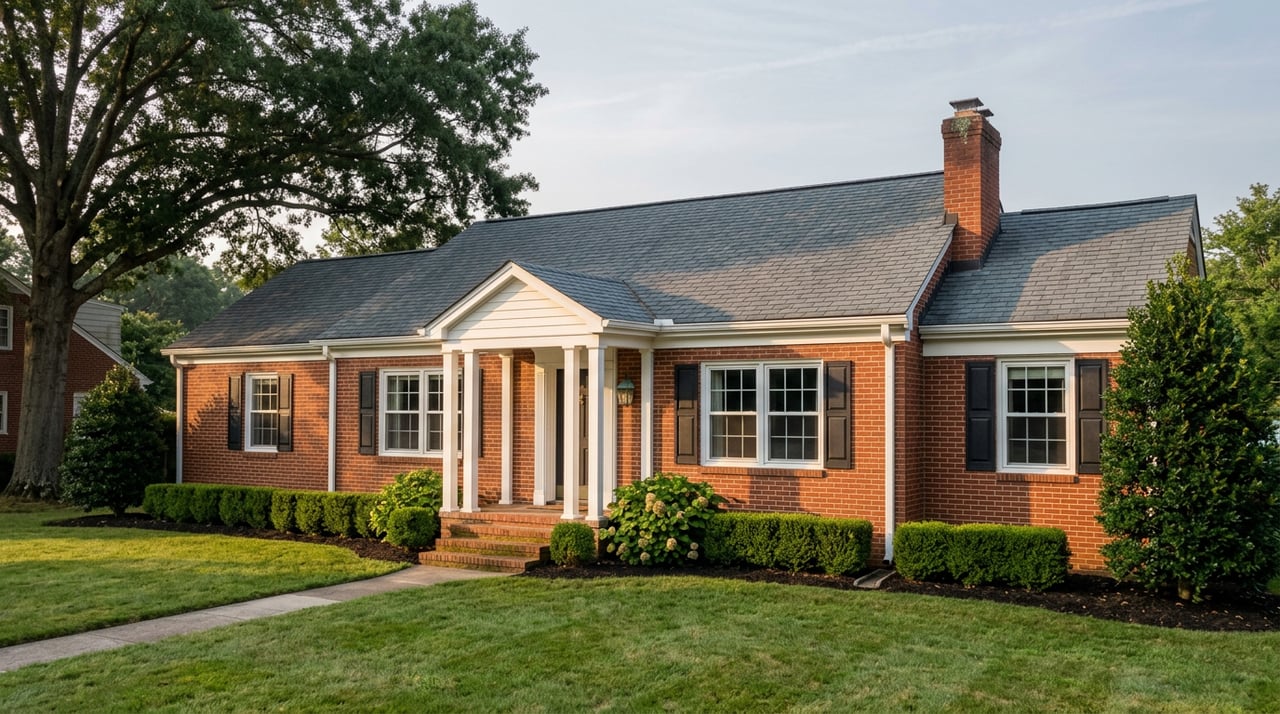
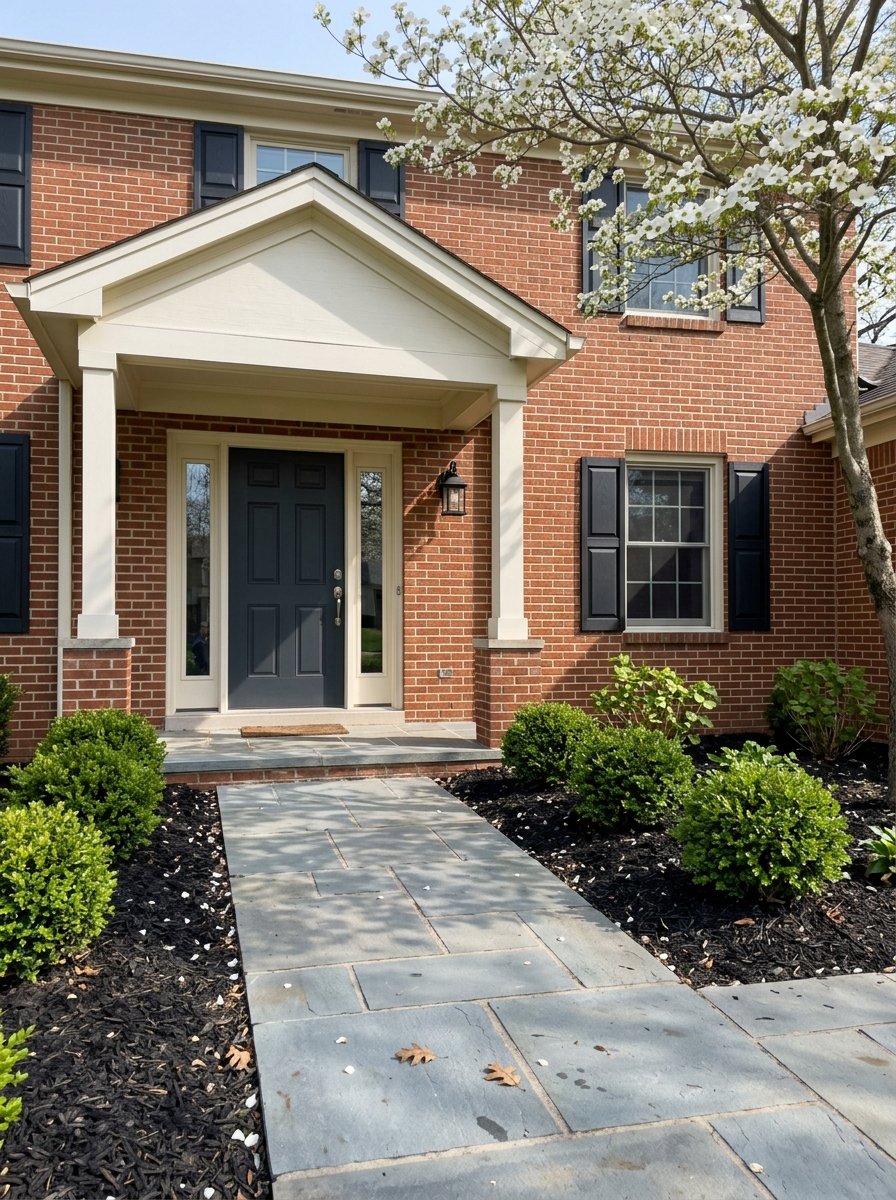
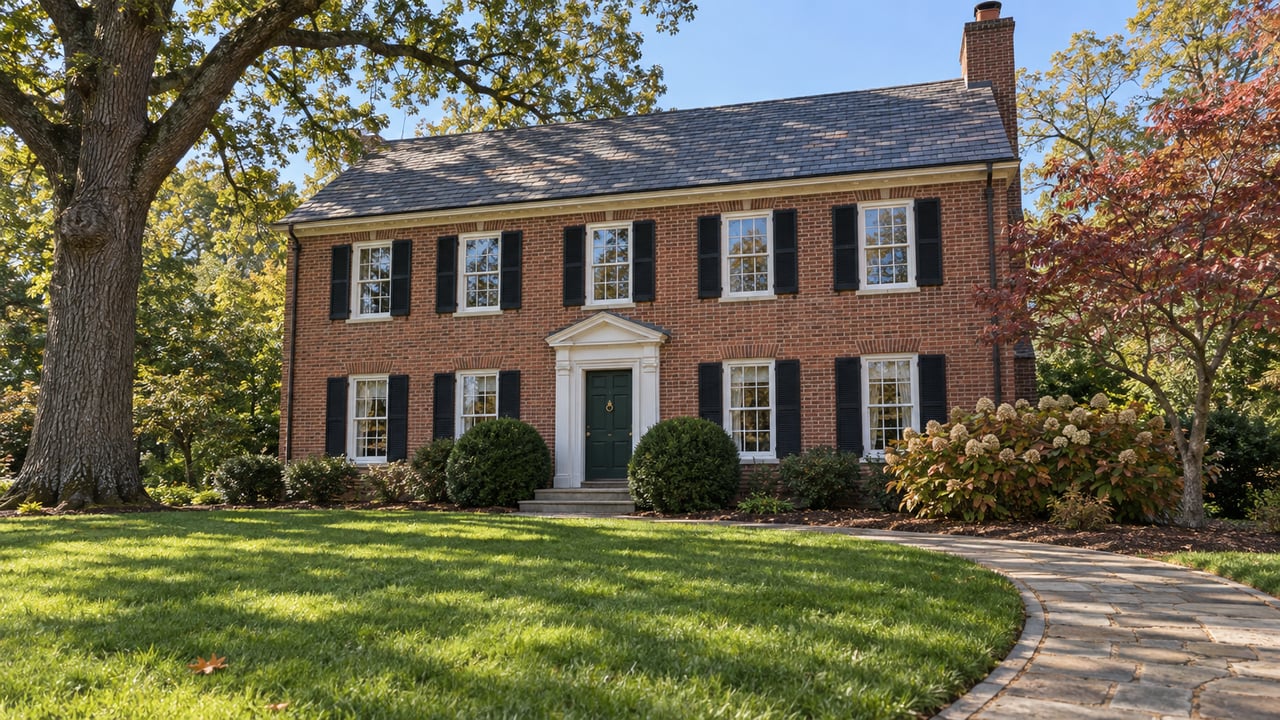
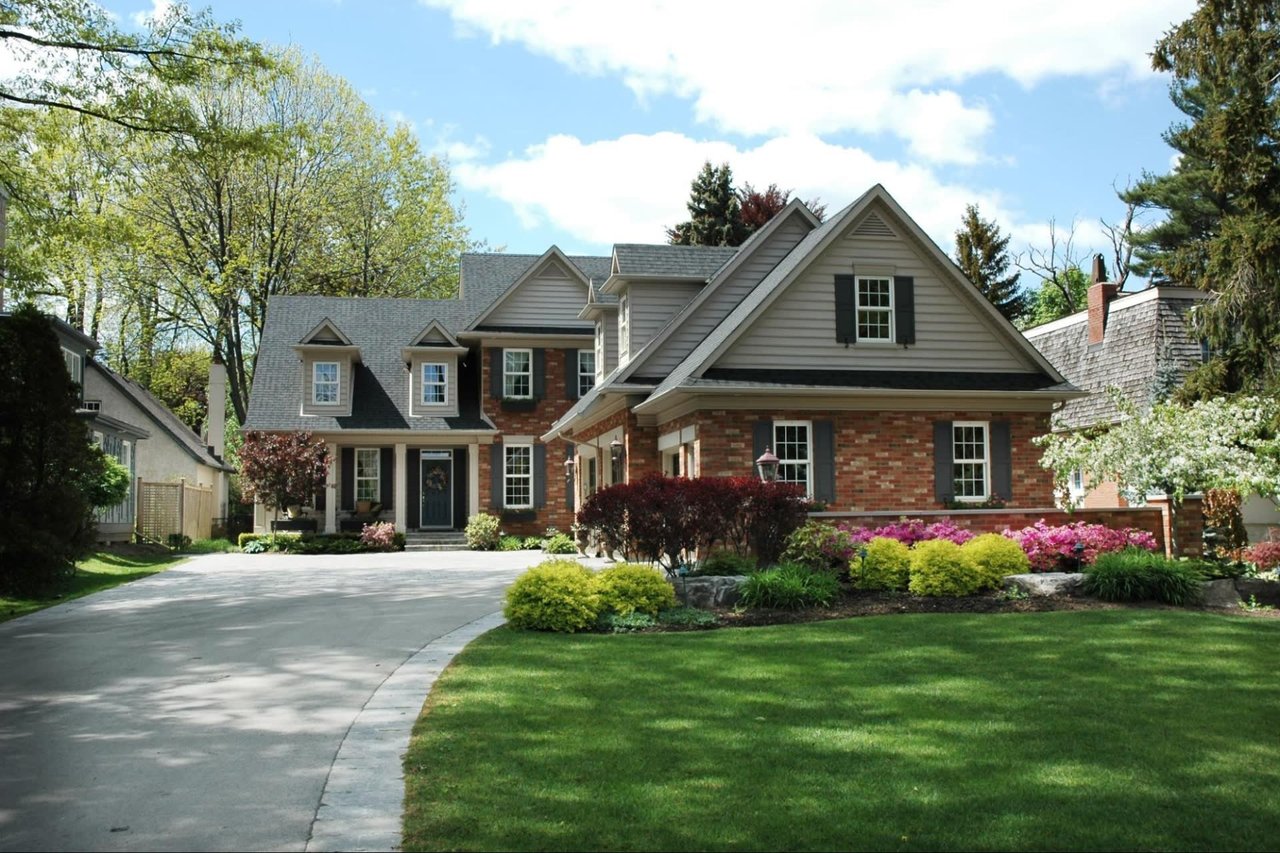
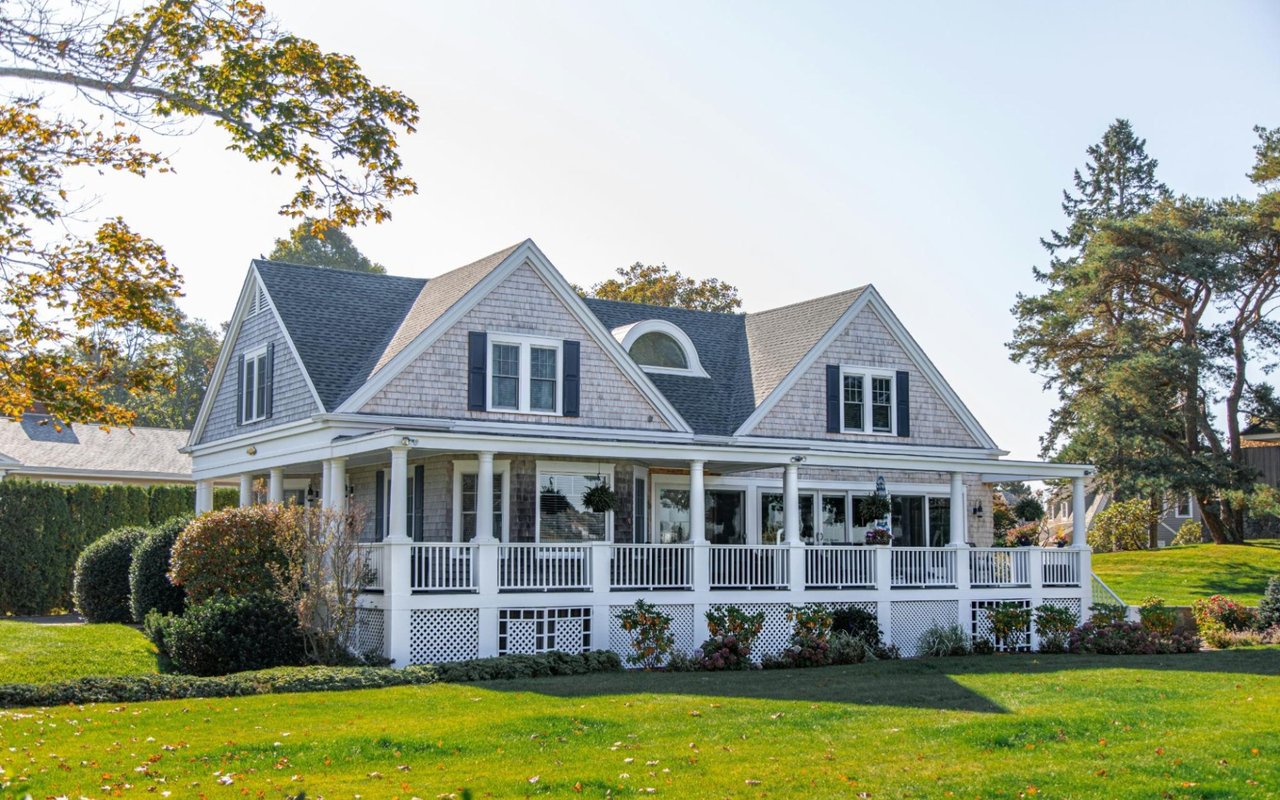
Rowhouses are often the more house-like option in Georgetown. You typically get multi-level living, direct street presence, and a layout that can feel more private and spacious than a typical condo floor plan.
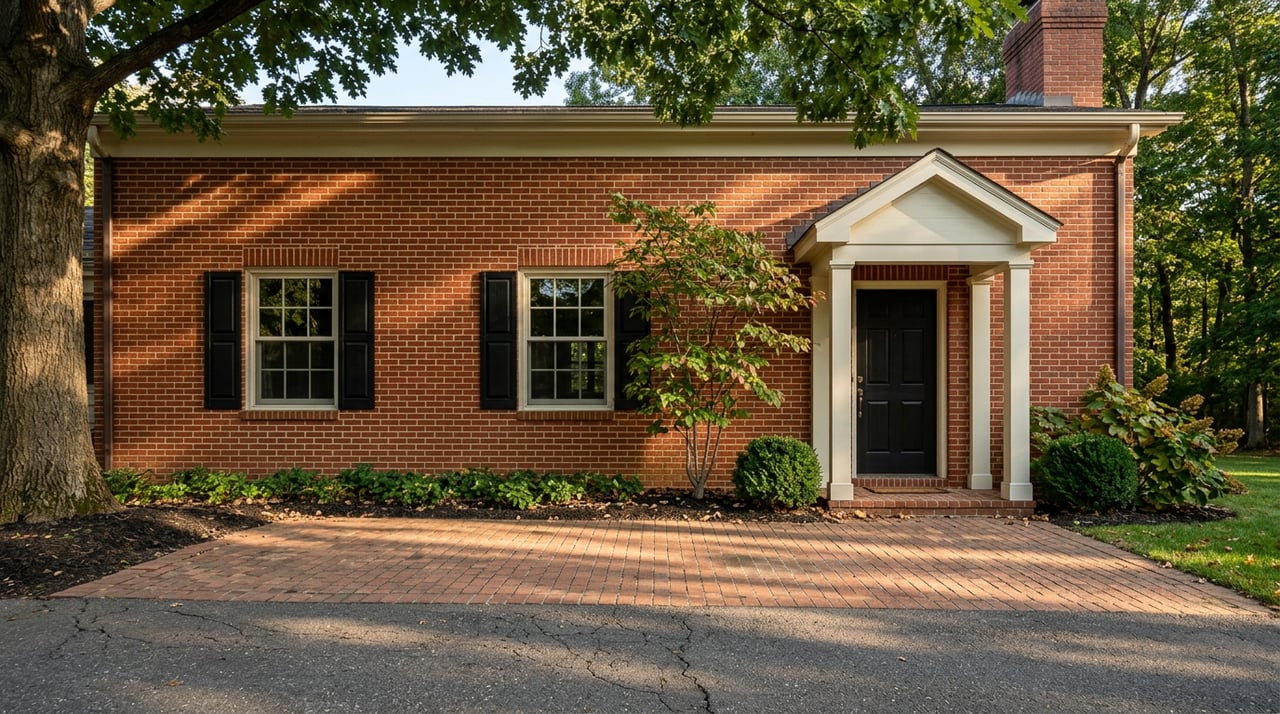
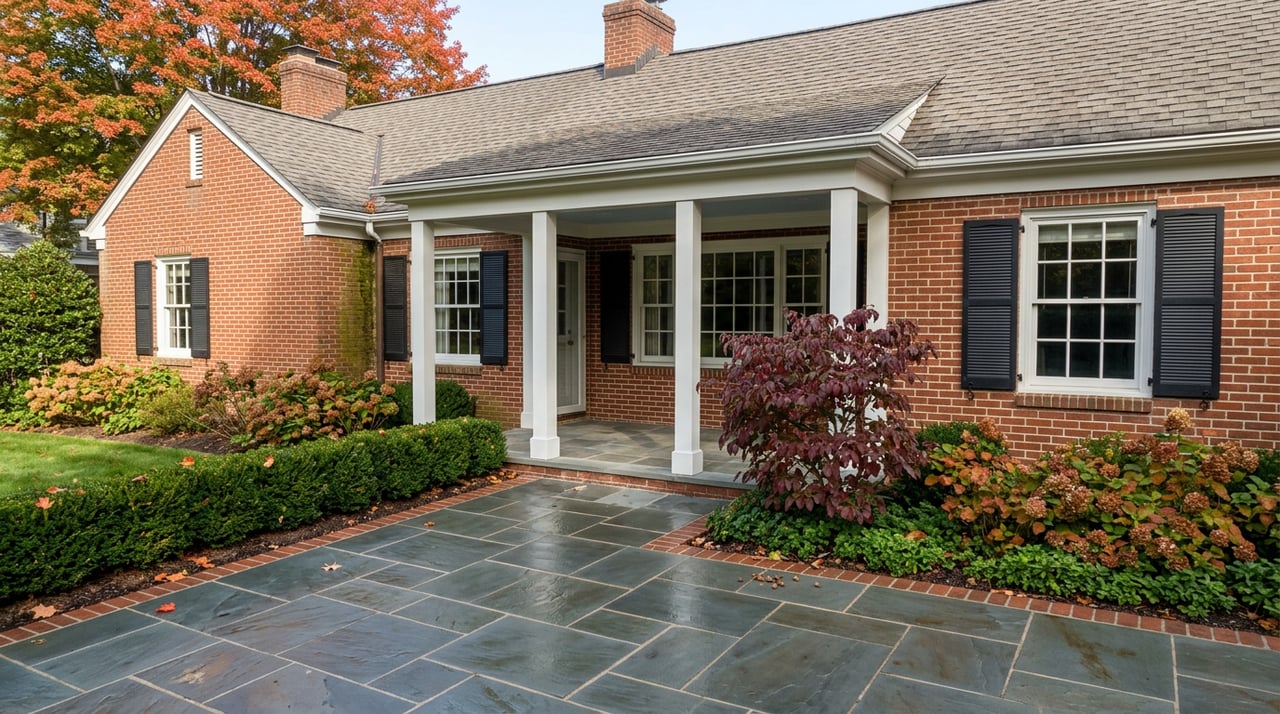
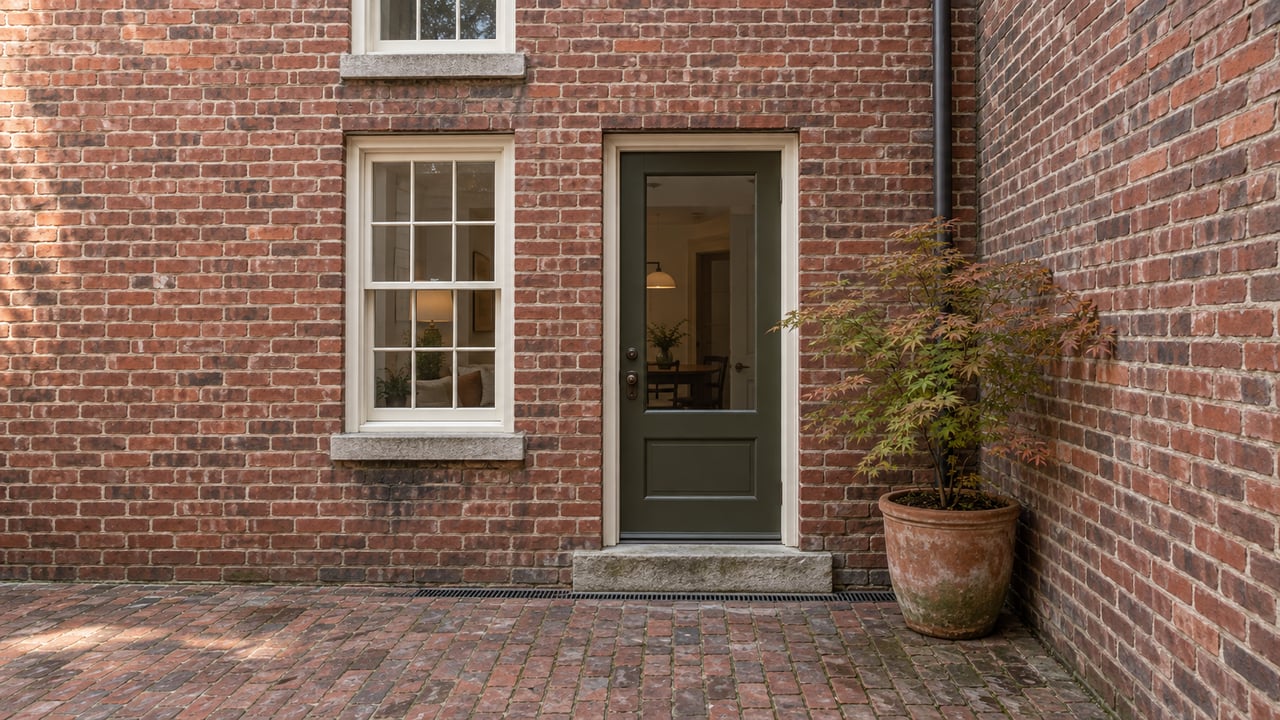
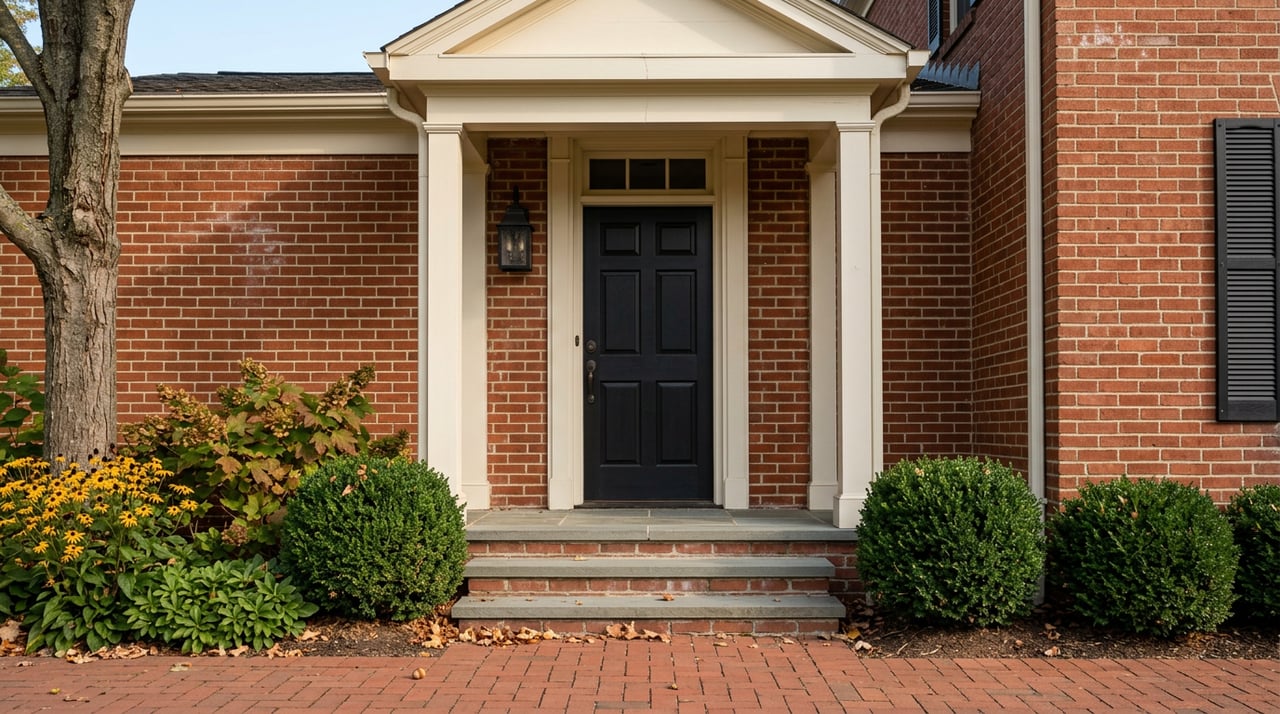
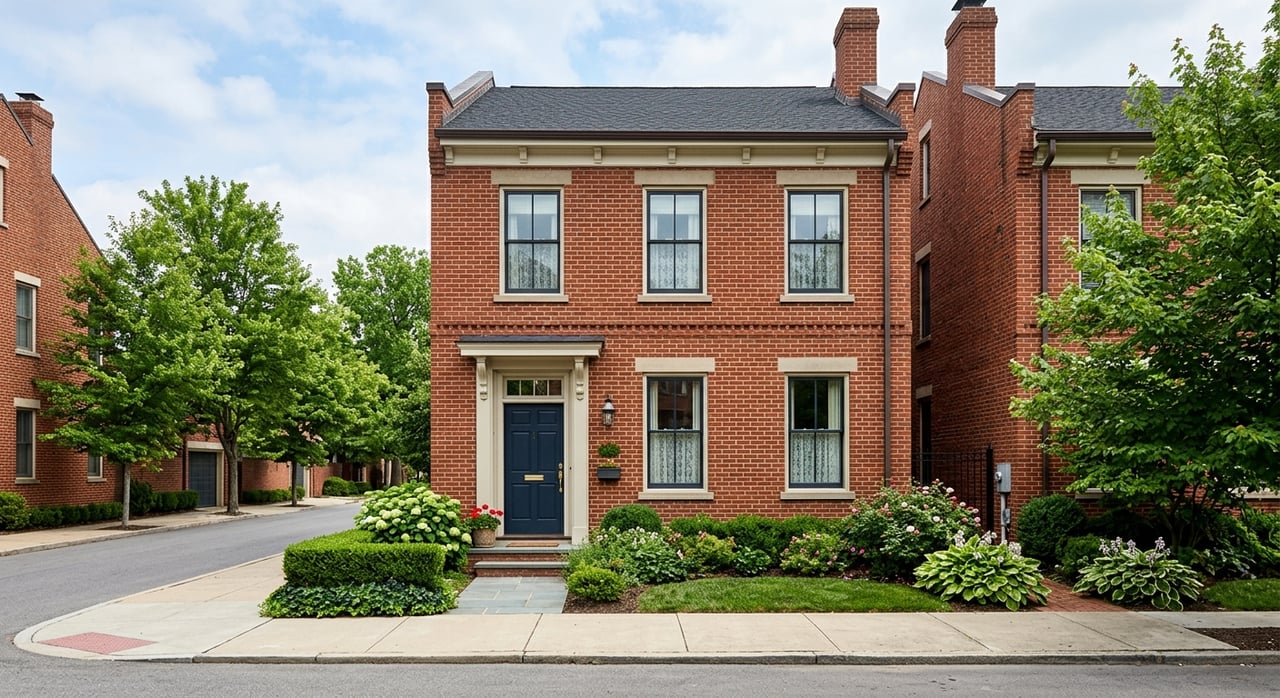
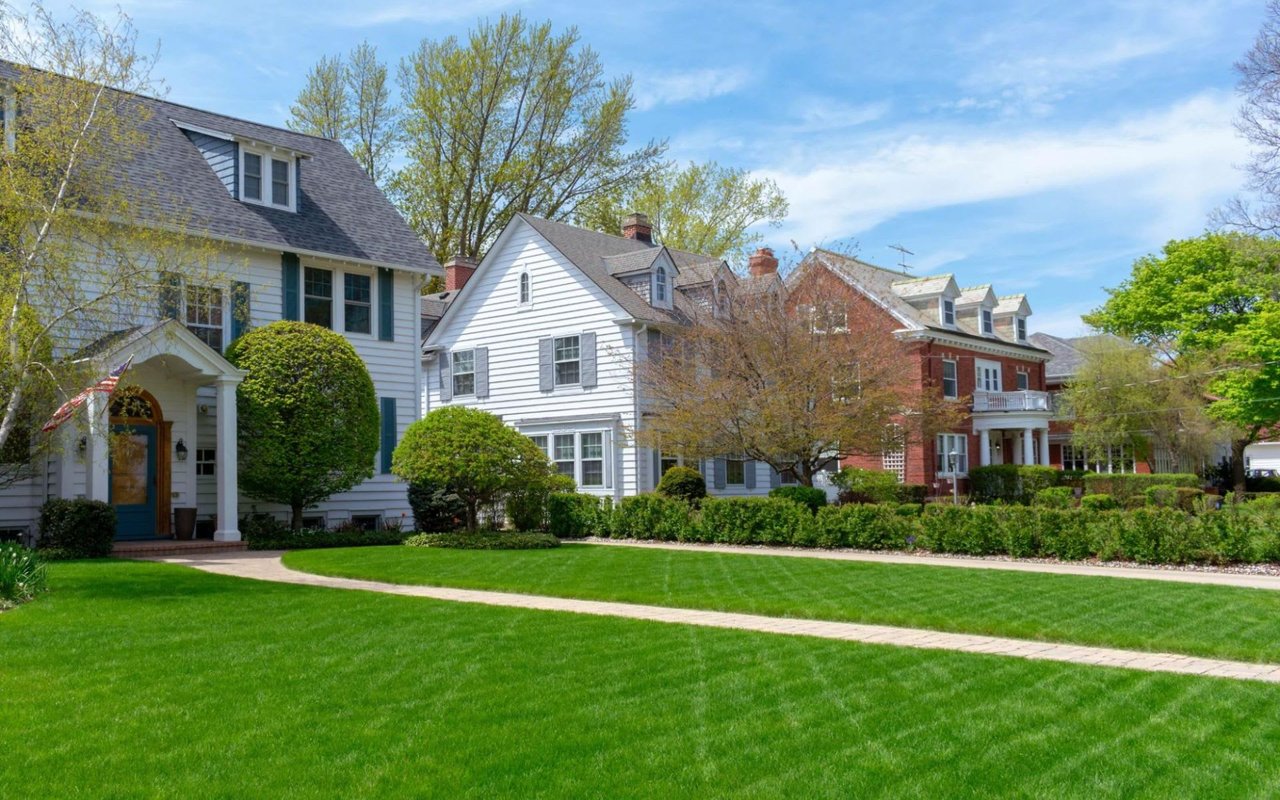
Georgetown’s historic building stock includes some of the city’s oldest residences, with structures built in stone, brick, and wood. That architectural character is a major draw if you want a home with original detail, a strong sense of place, and a classic Georgetown feel.
Price is part of the story too. Georgetown attached homes averaged about $1.898 million year to date in 2025, which gives you a useful benchmark when comparing rowhouses with condos.
What Buyers Often Like About Rowhouses
If you are drawn to more space and more control, a rowhouse can be appealing. Common advantages include:
- More square footage across multiple levels
- A more traditional house-like layout
- Greater direct control over your own interior and exterior spaces
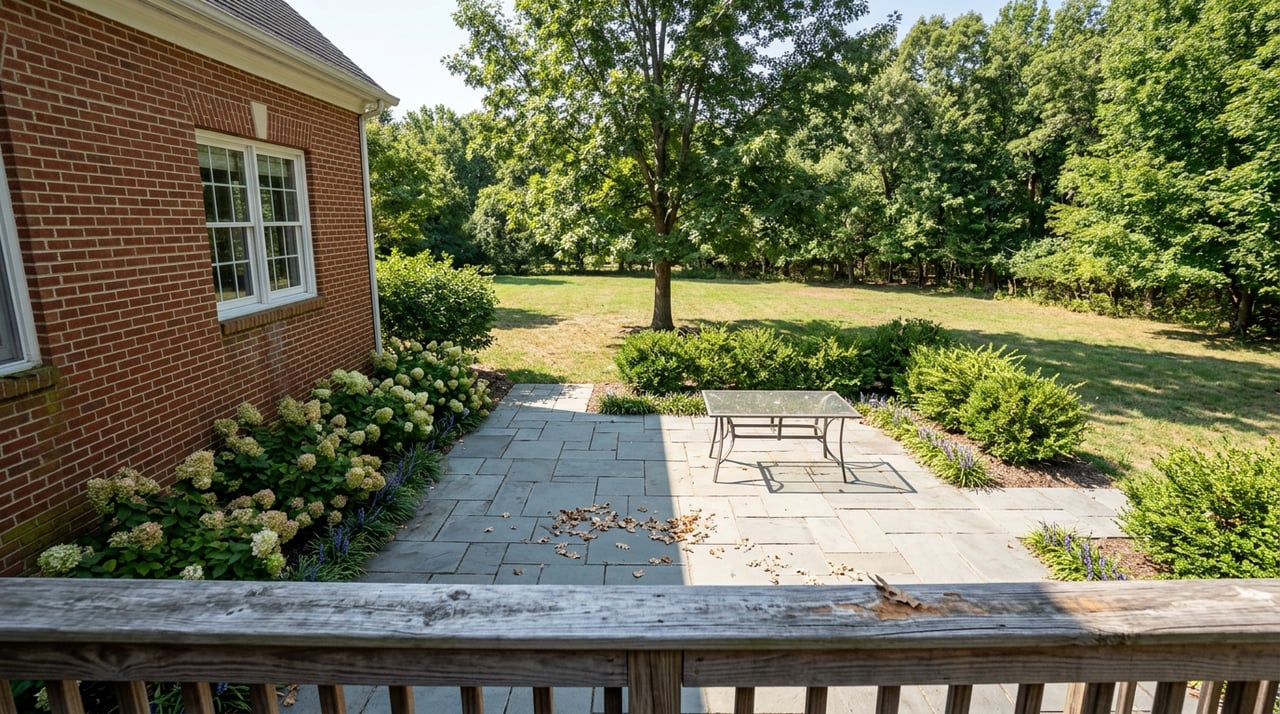
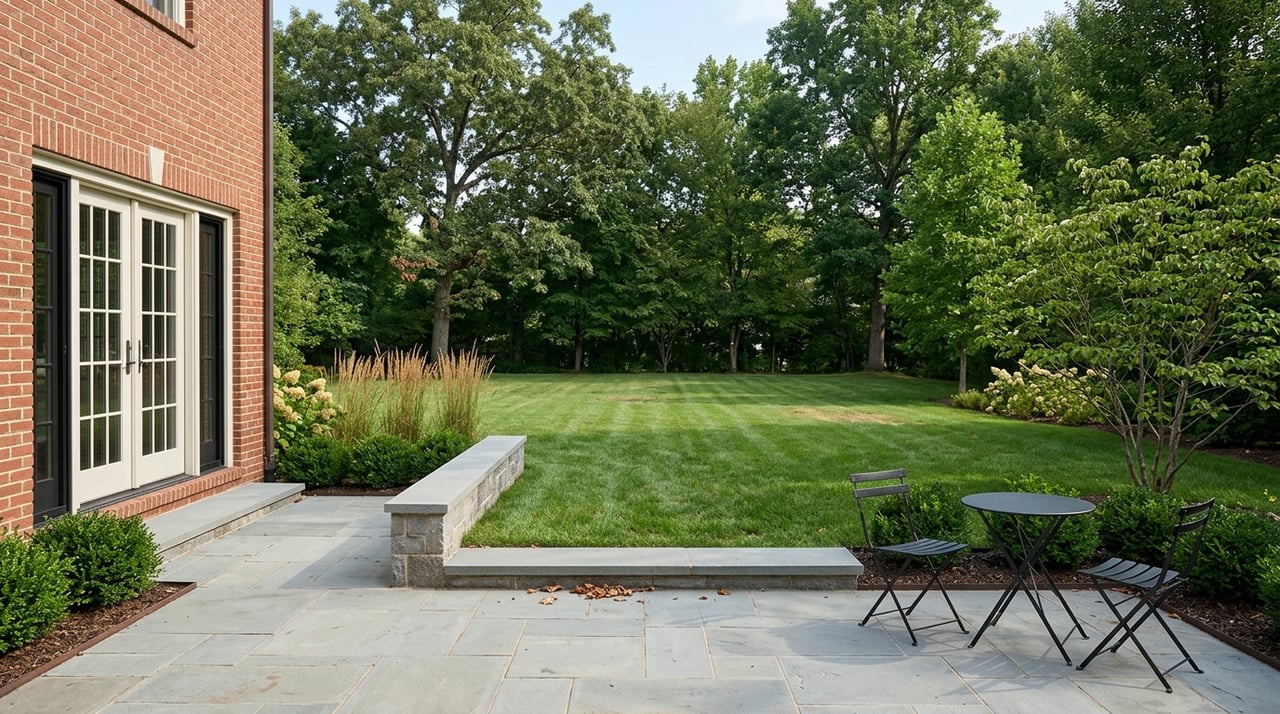
- Potential for private outdoor space
- Strong historic character and curb appeal
For some buyers, that street-facing presence matters. A rowhouse can feel more personal and more rooted, especially if you value having your own front door, a distinct facade, and outdoor space that is not shared with other residents.
Rowhouse Tradeoffs to Consider
The same features that make rowhouses appealing also create more responsibility. When you own a rowhouse, you are usually taking on more of the building envelope, which can include roof, masonry, doors, windows, and exterior upkeep.
In Georgetown, that matters even more because exterior changes can trigger review. If you hope to replace windows, update a door, modify a porch, create a roof deck, or adjust a basement entrance, you should expect an added layer of process compared with a non-historic area.
That does not make a rowhouse a bad choice. It simply means your budget, timeline, and renovation plans should account for Georgetown’s preservation framework from the start.
Georgetown Condos at a Glance
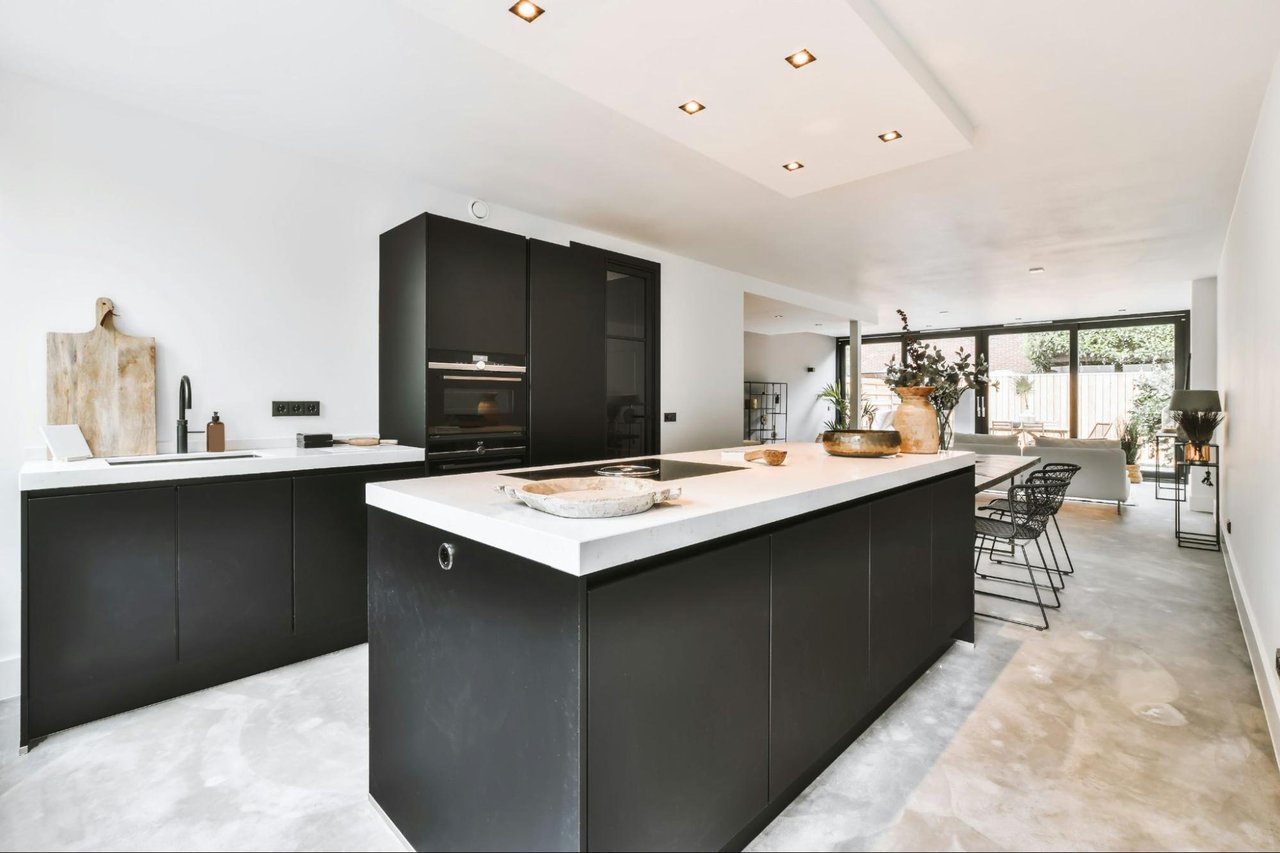
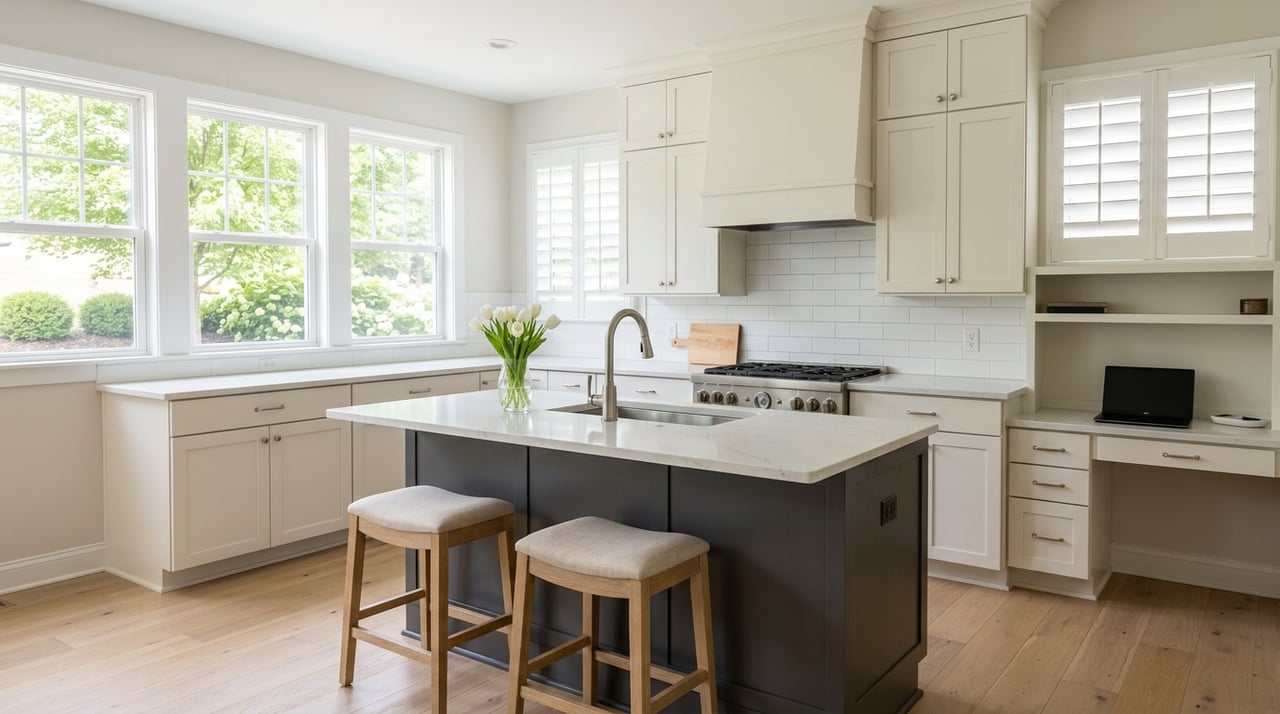
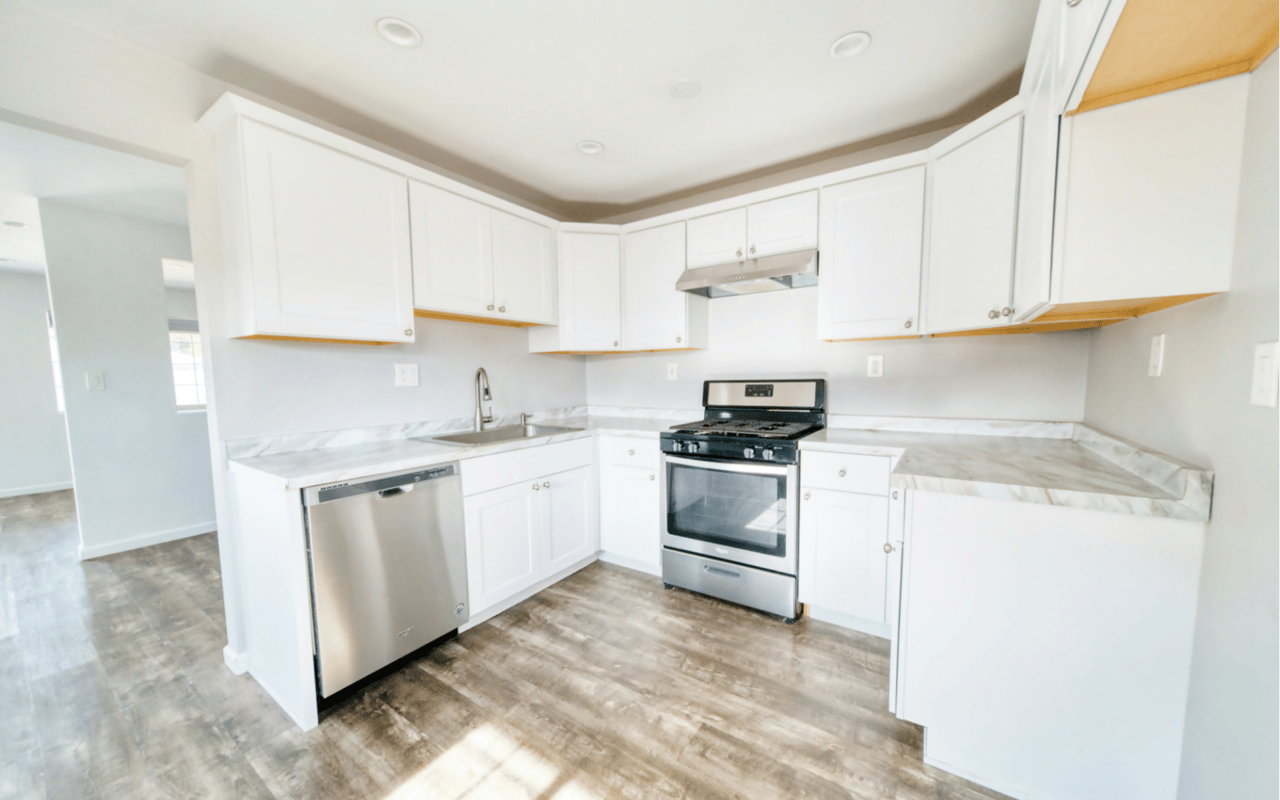
Condos offer a different kind of value. In Georgetown, they often appeal to buyers who want lower-maintenance living, building services, and a more lock-and-leave lifestyle.
Under DC law, condo ownership means you own your unit while common elements are shared by all owners. Associations adopt budgets, collect assessments, hire or discharge management, and regulate the use, maintenance, repair, replacement, or modification of common elements.
That shared structure is the reason many buyers see condos as simpler day to day. Instead of managing every exterior issue on your own, many building-related responsibilities are handled through the association, though monthly dues and building rules become part of ownership.
What Buyers Often Like About Condos
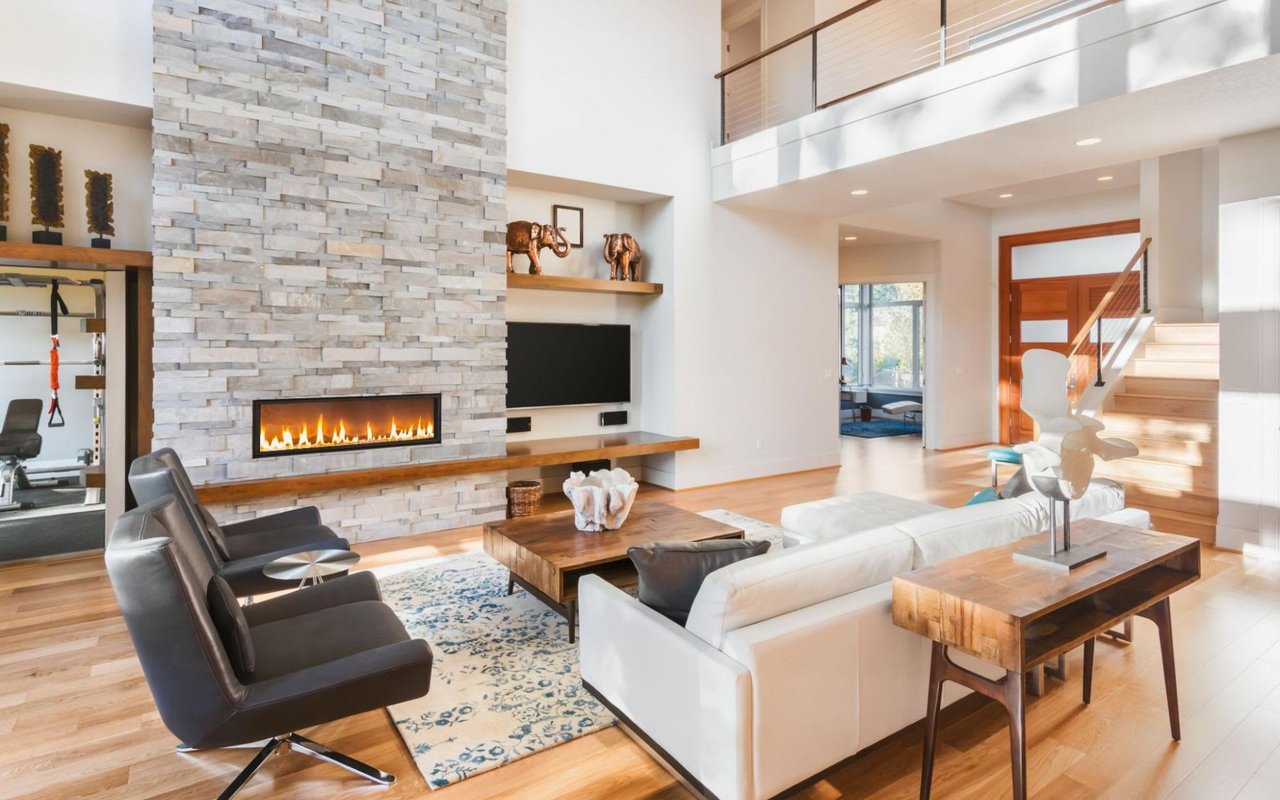
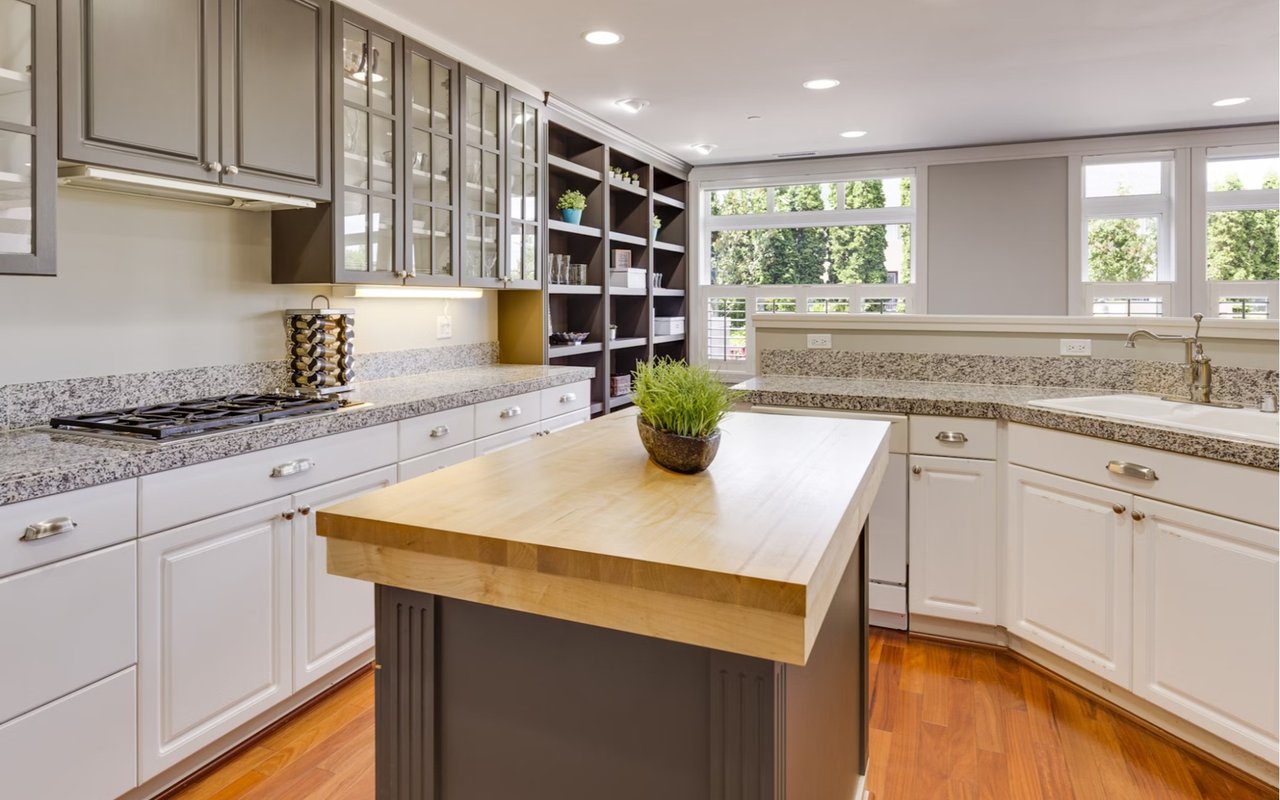
Georgetown condos can offer a broad mix of price points, layouts, and amenities. Current listings range from smaller one-bedroom homes to larger luxury residences, and some buildings include features that would be difficult to replicate in a rowhouse.
Depending on the building, condo features may include:
- Concierge or doorman service
- On-site maintenance
- Rooftop terraces or pools
- Fitness centers
- Garage parking
- Bike storage
- Package lockers
- Utilities included in condo fees in some cases
This can be especially attractive if you travel often, want fewer maintenance tasks, or prefer a building with staffed services. For buyers downsizing from a larger home, that simplicity can be a meaningful lifestyle upgrade.
Condo Tradeoffs to Consider
Convenience comes with structure. Condo ownership usually means monthly dues, shared decision-making, and less direct control over common areas and building-wide policies.
You will also want to read the condo documents carefully. Budget, assessments, rules, parking, utility coverage, and renovation policies can vary from one building to another, so it is important not to assume that every Georgetown condo works the same way.
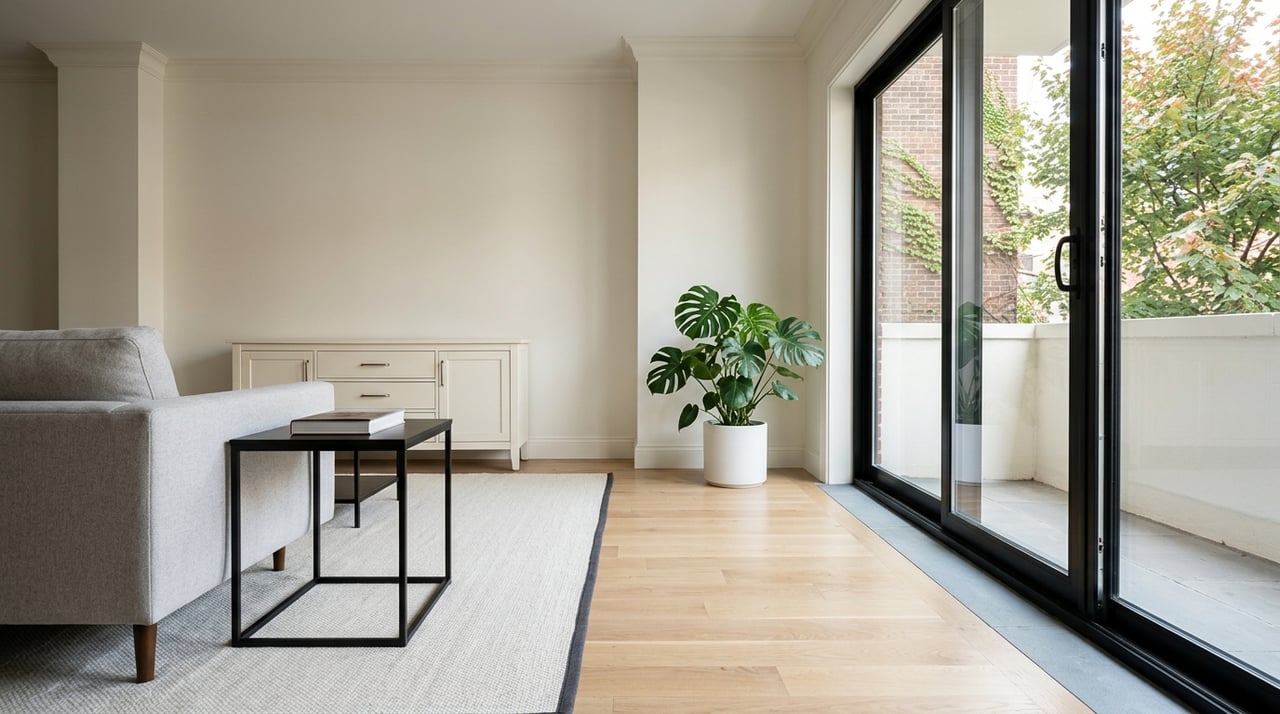
Outdoor space can be another difference. In a condo, a terrace may be private, limited-use, or shared, depending on the building and unit. That is worth confirming early if outdoor living is high on your list.
Georgetown Prices: Rowhouse vs. Condo
Price comparison in Georgetown is rarely simple because the housing stock is so varied. Still, the available data creates a useful framework.
The neighborhood median sale price is about $1.524 million. Attached homes averaged about $1.898 million year to date in 2025, while Redfin’s condo page shows 26 condos for sale at a median listing price of about $800,000.
That gap helps explain why condos often attract buyers seeking a Georgetown address at a lower entry point than a rowhouse. At the same time, Georgetown’s condo market reaches well into the luxury tier, so lower maintenance does not always mean lower-end.
A Practical Budget Lens
When you compare options, look beyond the asking price. A clearer comparison includes:
- Purchase price
- Monthly condo dues, if applicable
- Utilities, and whether any are included in dues
- Parking costs or availability
- Expected maintenance and repair exposure
- Possible renovation costs and review requirements
A rowhouse may offer more space and more private control, but your ownership costs may be less predictable if major exterior work comes up. A condo may look more affordable at first glance, but monthly dues can change the total monthly picture.
Lifestyle Fit: Which One Matches You?
The best choice often comes down to your priorities rather than a universal right answer. Georgetown rowhouses and condos can both be great options, but they serve different lifestyles well.
A Rowhouse May Fit You Better If
You may lean toward a rowhouse if you want:
- More square footage
- A multi-level home layout
- Direct street access
- More private outdoor space potential
- Greater control over your home environment
- Historic character as a top priority
This option often suits buyers who are comfortable planning for maintenance and who see value in having more say over the property, even with Georgetown’s preservation review requirements.
A Condo May Fit You Better If
You may prefer a condo if you want:
- Lower day-to-day maintenance
- Building amenities or services
- A more lock-and-leave lifestyle
- A lower Georgetown entry price in some cases
- Shared management of common elements
This can be a smart fit if convenience is a major goal. It can also work well if you want Georgetown access without taking on the full responsibilities that come with a historic rowhouse.
Historic Review Matters More for Rowhouses
In many neighborhoods, renovation is mostly a budget and design question. In Georgetown, it is also a process question.
DC guidance notes that review can apply to exterior architectural features, height, appearance, color, and texture of exterior materials. Georgetown guidance also highlights recurring review topics such as windows, doors, roofs, porches, basement entrances and windows, plus roof decks or additions.
For rowhouse buyers, that means it is wise to think ahead before purchase. If your vision depends on exterior changes, the review path should be part of your decision-making, not an afterthought.
Condos can be simpler on this front, especially when many exterior decisions are managed at the building level. Even so, interior renovation rules and building approvals can still vary by association.
How to Compare Two Properties More Clearly
If you are touring both a rowhouse and a condo in Georgetown, it helps to compare them through the same lens. Focus on the details that affect your daily life, monthly costs, and future flexibility.
Ask yourself:
- How much maintenance do you want to handle directly?
- Is private outdoor space important to you?
- Do you want building amenities or would you rather have more interior space?
- Are monthly dues acceptable if they reduce hands-on responsibility?
- Do you expect to renovate, and if so, what approvals might be required?
- Is parking included, available separately, or not part of the property?
The right answer is often the one that aligns best with how you actually live, not just what looks best online.
If you are deciding between the two, it helps to look at the whole ownership picture with a calm, practical eye. That means balancing character, convenience, cost, and future plans so you can choose the Georgetown home that fits you best today and still feels right down the road. If you want thoughtful guidance as you compare options in the DC area, Choose Wisely Group is here to help.
FAQs
What is the main difference between a Georgetown rowhouse and a Georgetown condo?
- A Georgetown rowhouse usually offers more space, more direct control, and more owner responsibility, while a Georgetown condo usually offers lower-maintenance living, shared governance, and potential building amenities.
What do Georgetown condo dues usually cover?
- Condo dues vary by building, but under DC’s condo structure, associations manage common elements and collect assessments for shared expenses; in some Georgetown listings, utilities are also included in the condo fee.
What exterior work in Georgetown may require review?
- Georgetown guidance points to items such as windows, doors, roofs, porches, basement entrances and windows, and roof decks or additions as common preservation review topics.
Are Georgetown rowhouses more expensive than Georgetown condos?
- Often, yes. Current data shows Georgetown attached homes averaging about $1.898 million year to date in 2025, while Georgetown condos have a median listing price around $800,000, though luxury condos can be much higher.
Is outdoor space more private with a Georgetown rowhouse or condo?
- A rowhouse often offers more potential for private outdoor space, while condo outdoor areas may be private, limited-use, or shared depending on the building and unit.
Is a Georgetown condo better for a lock-and-leave lifestyle?
- For many buyers, yes. Condos often appeal to people who want less direct exterior maintenance and more convenience, especially when the building offers services such as concierge, maintenance, or package handling.