Wondering how to choose the right Arlington neighborhood? You are not alone. Arlington can change quickly from one area to the next, and that can feel exciting and overwhelming at the same time. The good news is that once you focus on how you want to live each day, the search gets much clearer. Let’s dive in.
Why Arlington Feels So Different
Arlington is not one uniform suburb. According to Arlington County, it includes more than 60 neighborhoods, four primary planning corridors, and 12 urban villages, each with its own development pattern and transportation access.
That is a big reason why one part of Arlington may feel dense and transit-focused, while another feels quieter and more residential. Arlington is also often thought of in north and south sections, generally divided by Arlington Boulevard, which helps explain the shift in look and pace from area to area.
Countywide, Arlington’s 2025 population estimate was 243,931. The owner-occupied housing rate was 41.3%, the median value of owner-occupied homes was $895,000, the median household income was $142,114, and the mean commute time was 26.2 minutes. Those numbers give you a useful starting point, but your best neighborhood match usually comes down to lifestyle more than statistics.
Start With Your Daily Routine
If you are relocating or moving within Arlington, try not to search for the single “best” neighborhood. A better question is: which neighborhood best fits your commute pattern, preferred housing type, and day-to-day rhythm?
For most buyers, the decision becomes easier when you compare neighborhoods through three lenses:
- Commute and transit access
- Housing style and scale
- Lifestyle and neighborhood energy
When you define those priorities first, your shortlist gets much more manageable.
Focus On Commute First
For many Arlington buyers, commute is the clearest filter. If you want the shortest possible Metro-based commute, the first places to study are Rosslyn, Courthouse, Clarendon, Ballston, and Virginia Square.
Rosslyn is the first stop in Virginia for the Orange, Silver, and Blue lines. Courthouse, Clarendon, Ballston, and Virginia Square are served by the Orange and Silver lines, making this corridor especially useful if direct rail access is high on your list.
Metro-Oriented Options
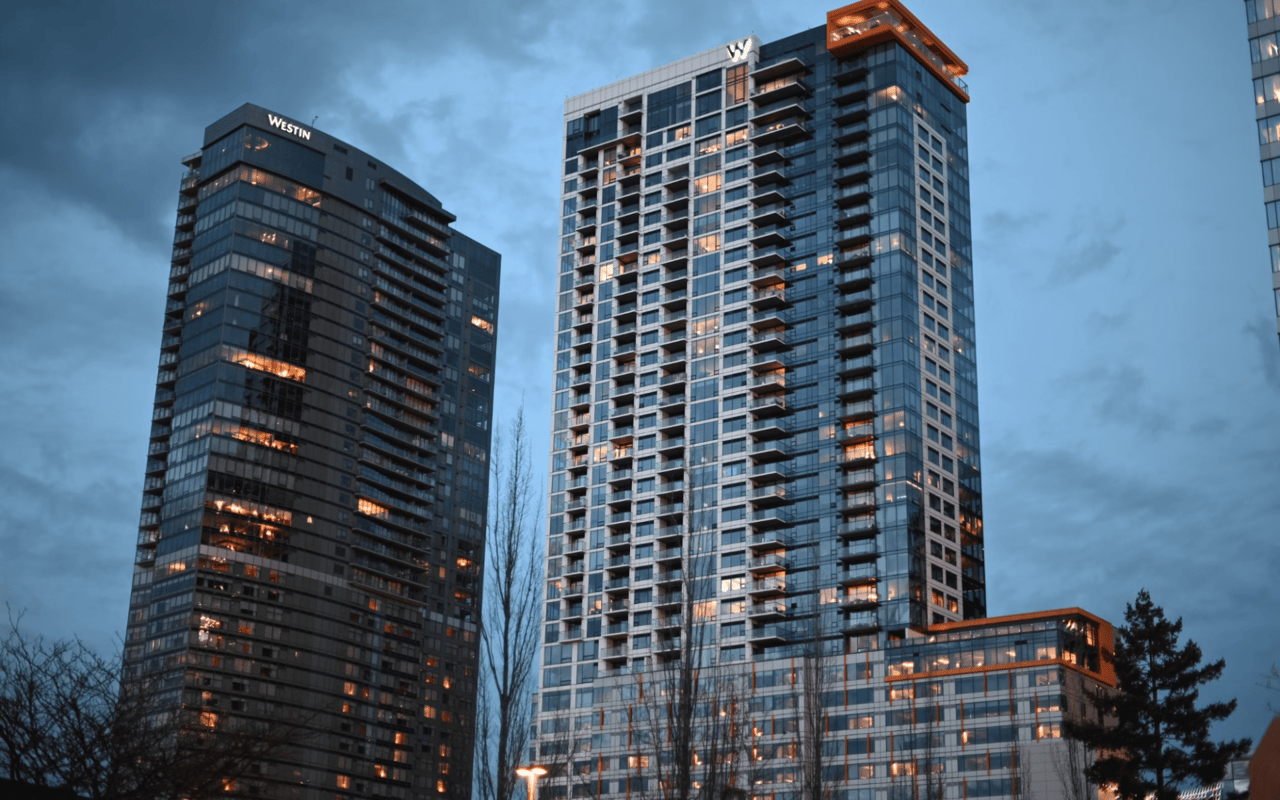
Rosslyn is Arlington’s skyline-heavy gateway, with office towers, high-rise apartments and condos, and smaller buildings mixed in. If you want quick access to rail and a more urban setting, Rosslyn often rises to the top.
Courthouse blends county government, residential space, offices, and dining. It can appeal to buyers who want convenience and an active setting without stepping fully into a high-rise business district feel.
Clarendon is known for walkability, restaurants, businesses, public art, open space, and tree-lined streets. If you want a lively neighborhood with Metro access and a strong street scene, Clarendon is a natural starting point.
Ballston was envisioned by the County as a “new downtown.” Today, it includes a broad mix of commercial, office, and residential properties, along with direct access to I-66 and Glebe Road.
Virginia Square offers a different rhythm along the same corridor. It brings together arts, residential areas, college campuses, businesses, parks, and the Virginia Square-GMU Metro station.
Consider Airport And Job-Center Access
If your routine depends on quick airport access or proximity to major employment centers, Pentagon City and Crystal City deserve close attention. Both are served by the Yellow and Blue lines.
Pentagon City combines housing, shopping, and dining in an inside-the-Beltway location. The Metro station also has direct access to Fashion Centre at Pentagon City, which adds another layer of convenience for some buyers.
Crystal City offers Potomac views, office and residential buildings, underground shops, Restaurant Row, and access to the Pentagon and National Airport. If you want a redevelopment-oriented setting with strong transportation connections, this pocket can make a lot of sense.
Match The Housing Style You Want
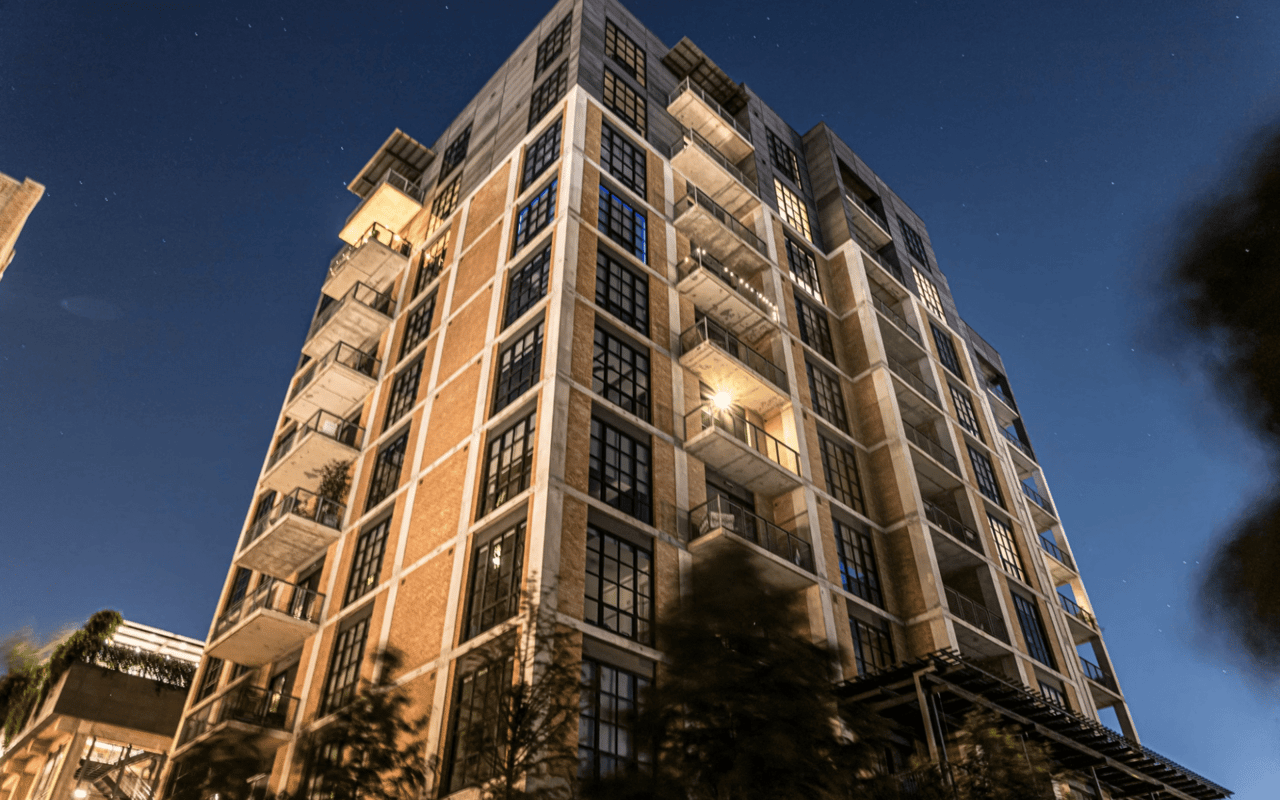
Arlington offers much more than one housing type. Some neighborhoods center on towers and newer mixed-use buildings, while others feature townhomes, garden apartments, duplexes, or single-family homes.
That matters because the right neighborhood is not just about price or commute. It is also about whether you feel more at home in a high-rise, a townhome community, or a lower-rise area with older neighborhood fabric.
For High-Rise And Mixed-Use Living
Rosslyn, Ballston, Pentagon City, and Crystal City are strong places to start if you want a more vertical, mixed-use environment. These areas tend to attract buyers who value convenience, transportation, and a more urban pattern of living.
If you like the idea of stepping out for dining, errands, or Metro access without relying as much on a car, this category may fit you well.
For Mixed Housing And Main Street Energy
Columbia Pike and Shirlington are good options when you want neighborhood activity without living in a rail-station core. They offer a different kind of convenience and character.
Arlington County describes Columbia Pike as Arlington’s “Main Street.” It is known for its blend of housing, local shops, and culturally diverse restaurants, and in April 2026 the County celebrated the completion of major reconstruction and infrastructure upgrades along the 3-mile corridor.
Shirlington is more lifestyle- and arts-oriented. It includes townhouse communities, high-rise apartments, a pedestrian promenade, cafes, shops, parks, a dog park, a cinema, a library, and bus access through Shirlington Bus Station.
For Lower-Rise And Residential Streets
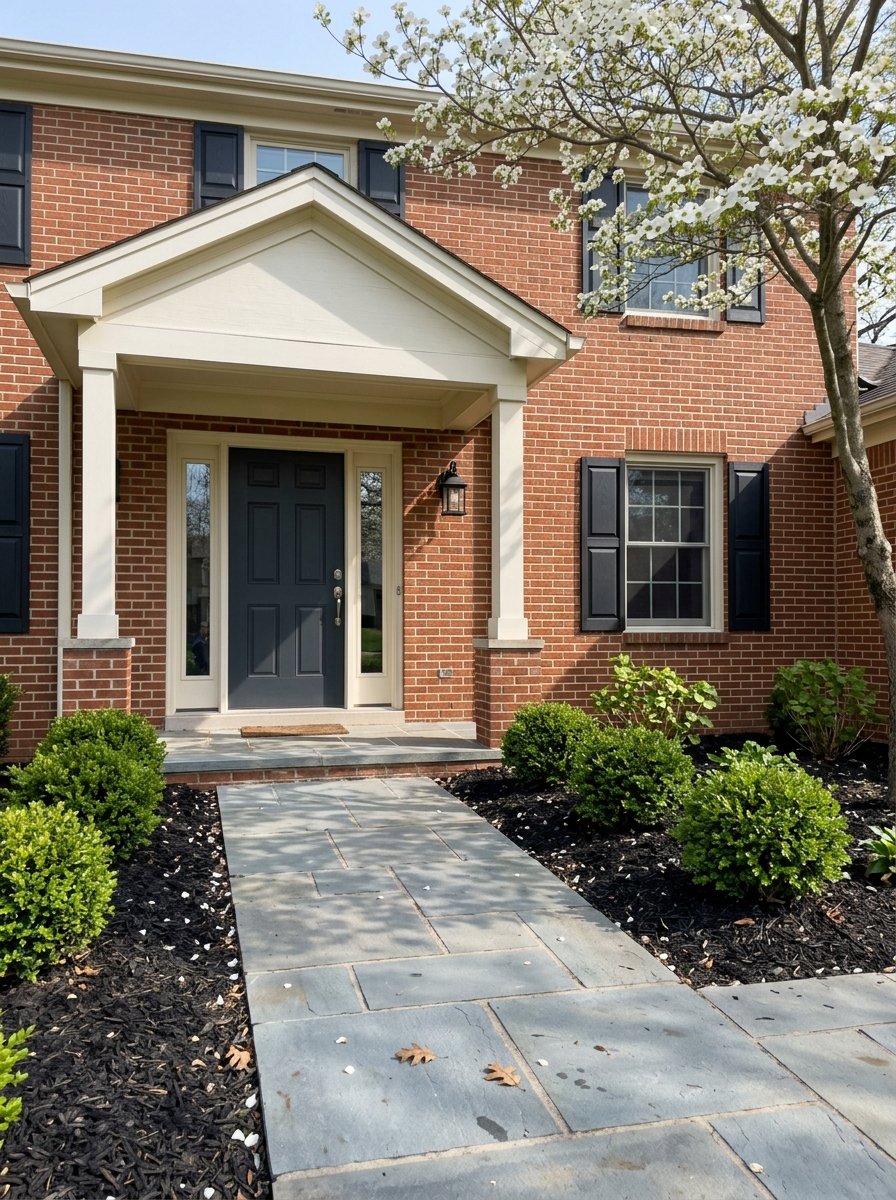
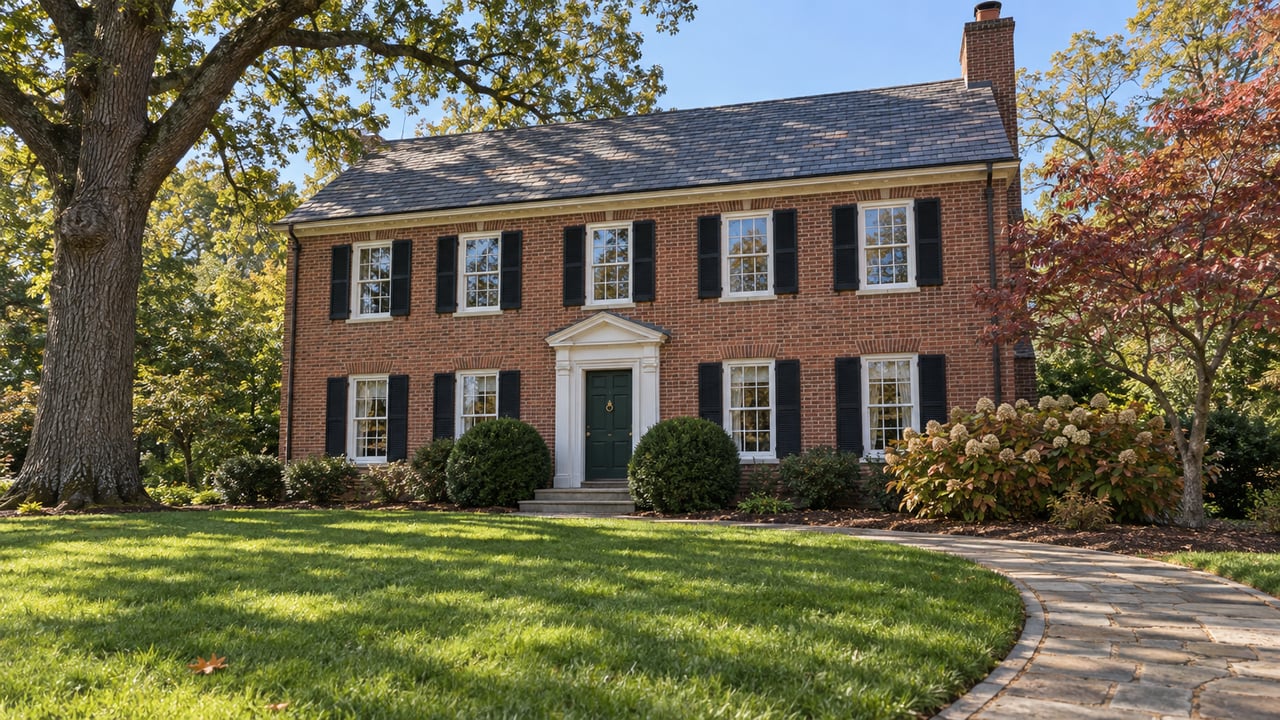
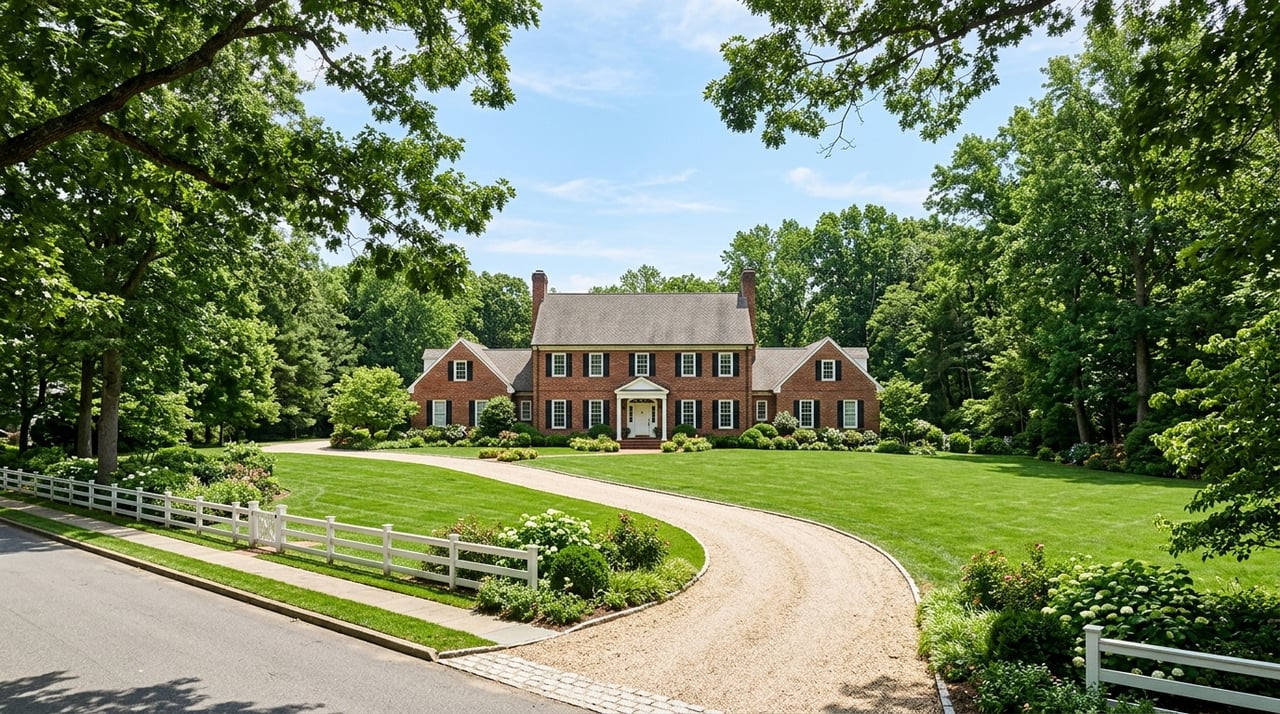
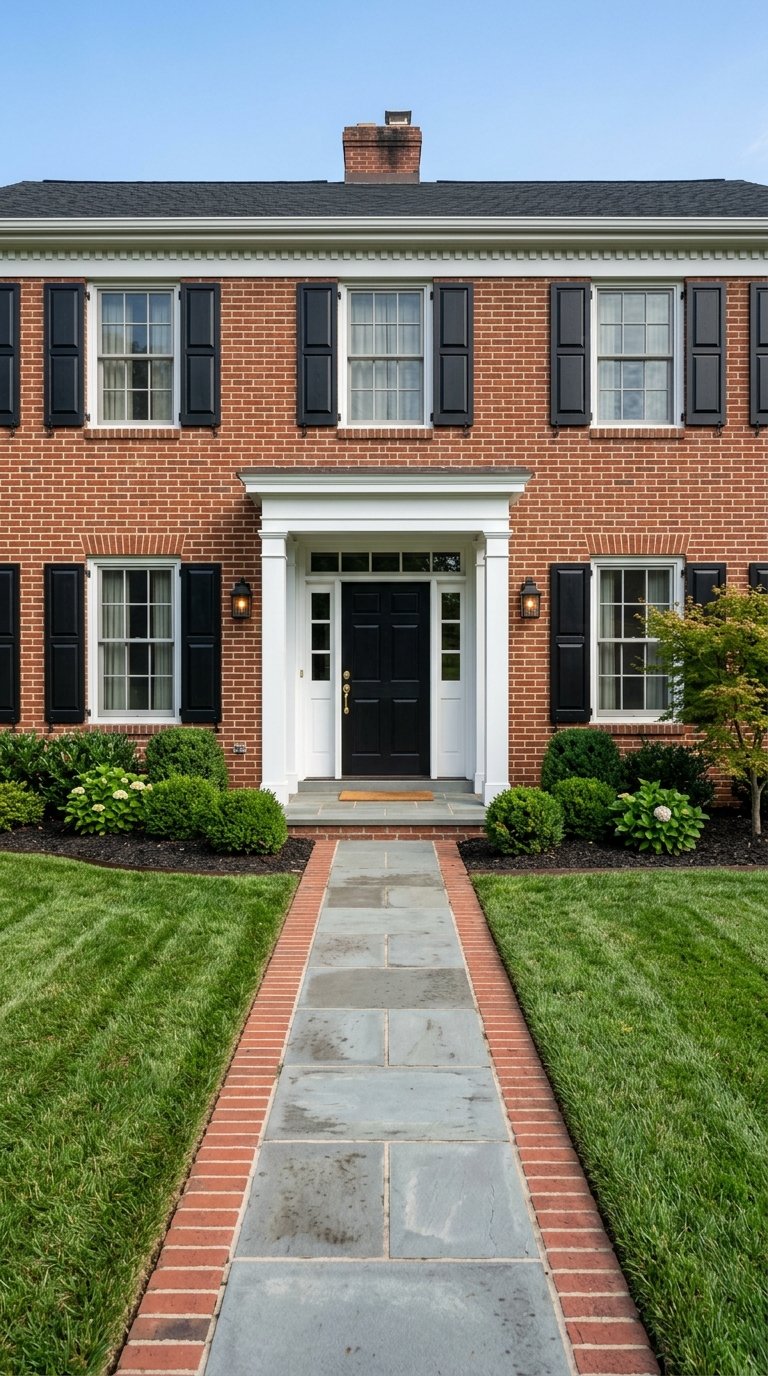
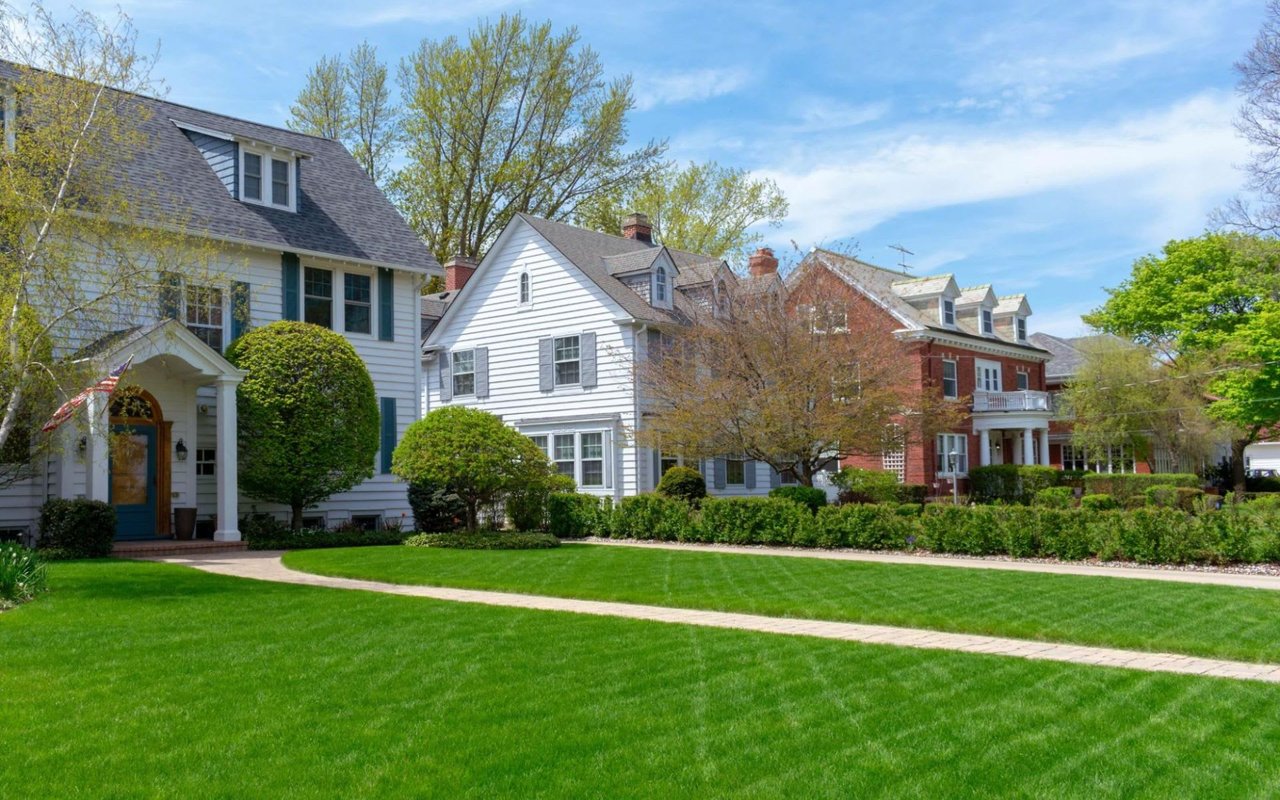
If you prefer mature trees, quieter streets, and fewer tower-scale buildings, look at Cherrydale, Westover, Lyon Park, Colonial Village, and Buckingham. These areas can be especially appealing if you want a more residential street pattern while staying connected to Arlington’s urban core.
Cherrydale is centered on Five Points and includes a commercial revitalization district along Langston Boulevard. Westover is a planned community with historic garden apartments that are part of the County’s preservation inventory.
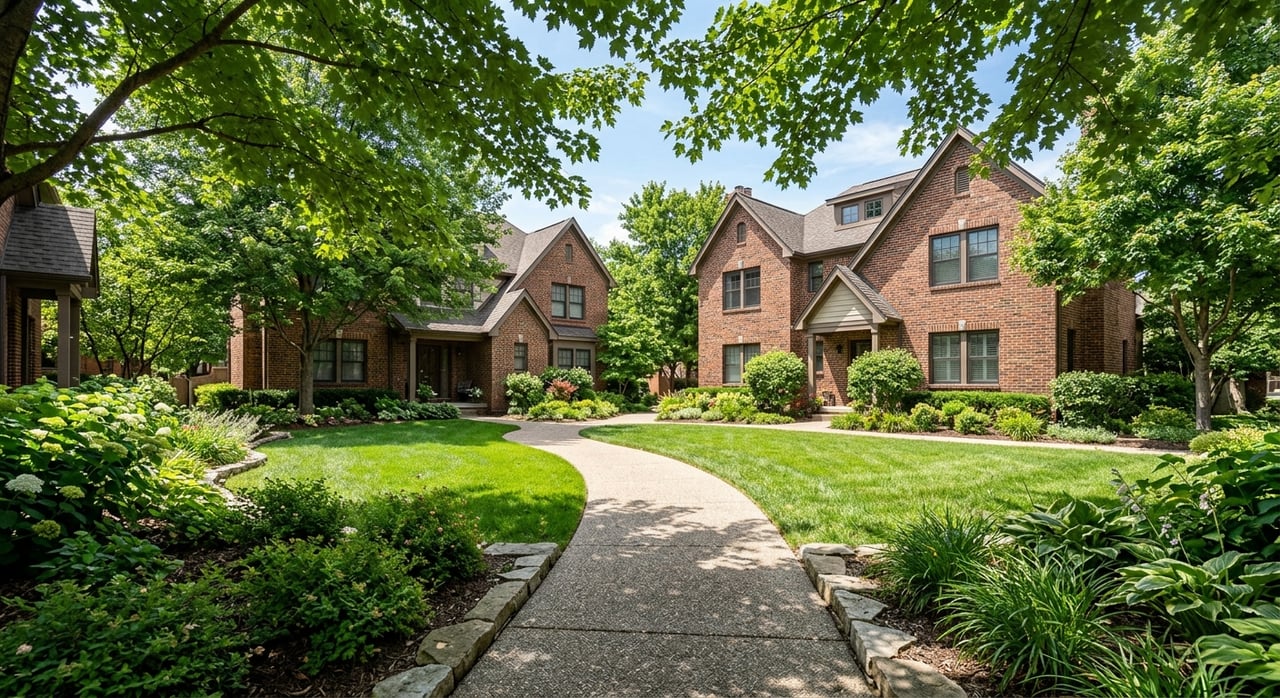
Lyon Park, established in 1919, is largely made up of single-family homes, with some duplexes, apartments, and a small commercial area. Colonial Village near Courthouse Metro and Buckingham Village in Ballston are notable for low-density garden-apartment living with landscaped courtyards and internal paths.
Think About Neighborhood Rhythm
One of the best ways to narrow your search is to picture an ordinary Tuesday, not just a weekend showing. Ask yourself how you want the area to feel when you leave for work, come home, or spend a free afternoon nearby.
Some buyers want constant movement and easy access to restaurants, retail, and transit. Others want a calmer pace, more traditional housing forms, and streets that feel less intense.
If You Want Activity And Walkability
Clarendon, Ballston, Pentagon City, and parts of Crystal City may fit best if you want more motion around you. These neighborhoods are often strong matches for buyers who prioritize convenience and an active daily environment.
If You Want Arts And Culture Nearby
Virginia Square and Shirlington stand out here. Virginia Square combines educational, arts, business, and park uses, while Shirlington is known for theater, dining, and pedestrian-friendly public space.
If You Want A Calmer Residential Feel
Cherrydale, Westover, Lyon Park, Colonial Village, and Buckingham are often good starting points. They offer a different rhythm from Arlington’s tallest and busiest corridors.
A Simple Arlington Shortlist
If you want to quickly narrow your options, use this framework:
- Shortest Metro commute: Rosslyn, Courthouse, Clarendon, Ballston, Virginia Square
- Yellow/Blue lines and airport access: Pentagon City, Crystal City
- Main street feel and mixed housing: Columbia Pike, Shirlington
- Quieter streets and lower-rise living: Cherrydale, Westover, Lyon Park, Colonial Village, Buckingham
- Arts, culture, or park-adjacent feel: Virginia Square, Shirlington
This kind of shortlist is often more useful than trying to tour every Arlington neighborhood at once.
How To Make The Final Decision
Once you have a short list, compare your top choices in person if possible. Pay attention to street feel, building scale, how close daily errands are, and how the commute would actually work for you.
It also helps to stay open-minded about tradeoffs. A neighborhood with the fastest commute may not offer the housing style you want most, while a quieter residential pocket may mean giving up immediate rail access.
The goal is not to find a universally perfect neighborhood. The goal is to find the Arlington neighborhood that fits your routine, priorities, and comfort level best.
If you are planning a move to Arlington, having a local guide can make the process much easier. At Choose Wisely Group, you can get thoughtful, hands-on support to help you compare neighborhoods, weigh tradeoffs, and move forward with confidence.
FAQs
What is the best Arlington neighborhood for a Metro commute?
- If Metro access is your top priority, start with Rosslyn, Courthouse, Clarendon, Ballston, and Virginia Square because they are closely tied to Orange, Silver, and Blue line access depending on the station.
Which Arlington neighborhoods are best for airport access?
- Pentagon City and Crystal City are strong starting points if you want Yellow and Blue line service and convenient access to National Airport.
Which Arlington neighborhoods feel more residential?
- Cherrydale, Westover, Lyon Park, Colonial Village, and Buckingham tend to be good options if you prefer lower-rise housing, mature neighborhood fabric, and fewer tower-scale buildings.
Is Columbia Pike a good place to start in Arlington?
- Columbia Pike can be a smart starting point if you want a mix of housing types, local businesses, and main street energy rather than a neighborhood centered on a Metro station.
How many neighborhoods are in Arlington, Virginia?
- Arlington County says it has more than 60 neighborhoods, which is one reason the area can feel so different from one pocket to the next.