By the Choose Wisely Group
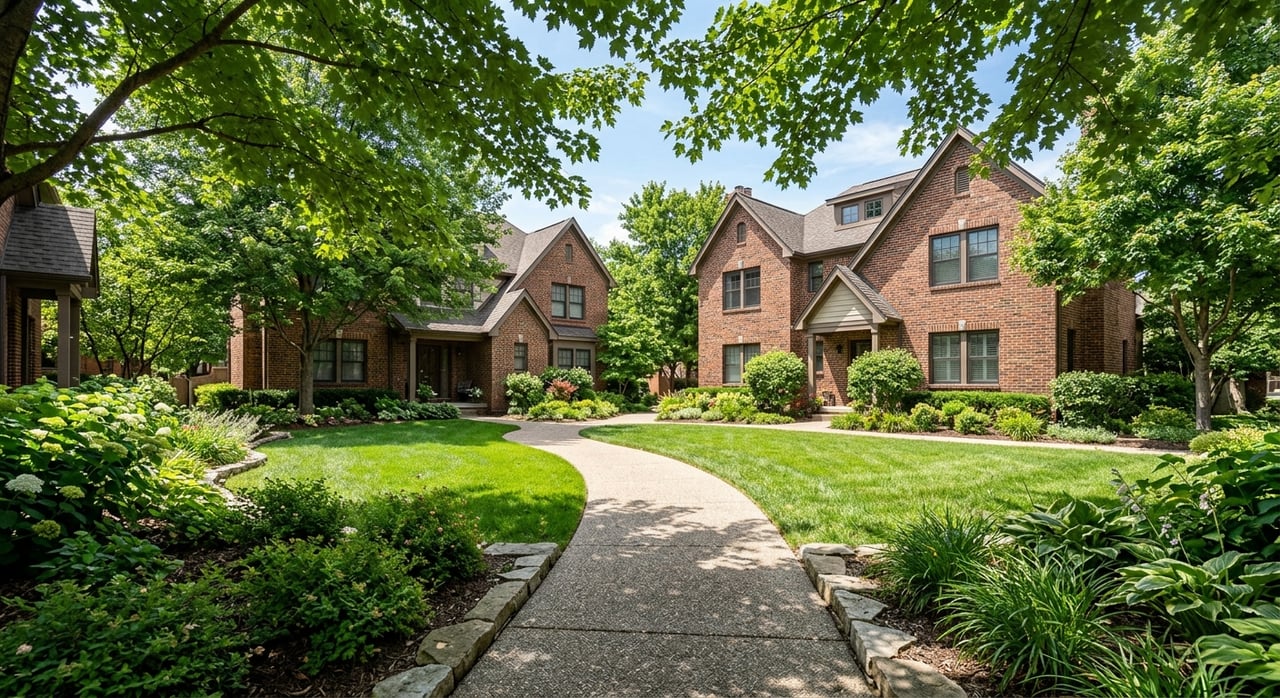
If you've been staring at your backyard and wondering what to do with that patch of grass or daydreaming about stepping outside to snip fresh herbs for dinner, you're not alone. Across McLean, homeowners are discovering that gardening is one of the most rewarding ways to connect with the land they call home. Whether you have a sprawling yard or a compact patio, starting a garden is more achievable than you might think, and the payoff goes far beyond produce.
McLean's combination of rich, clay-heavy soil, humid summers, and mild spring and fall seasons creates a surprisingly hospitable environment for home gardening. That said, every beginner faces the same challenge: where to start. The options can feel overwhelming, from choosing the right plants to deciding between raised beds and in-ground plots. This guide breaks it all down so you can move from curious to confident without wasting time, money, or enthusiasm.
Whether your goal is a vegetable garden, a pollinator-friendly flower bed, or a manageable herb patch near your kitchen door, the steps that follow will help you build something you're proud of.
Key Takeaways
- McLean's climate and soil conditions are well-suited for home vegetable gardens, perennial flowers, and herb patches, with the right preparation.
- Starting small with a raised bed or a few containers is the best approach for first-time gardeners who want early success without being overwhelmed.
- Understanding your yard's sun exposure and drainage is essential before choosing what to plant.
- A little planning in late winter and early spring sets the foundation for a productive growing season from May through October.
Understanding McLean's Growing Conditions
Before you buy a single seed packet, it helps to understand what you're working with. McLean primarily sits in USDA Hardiness Zone 7b. That's mild enough for a wide variety of vegetables, herbs, and perennials but warm enough in summer to create real heat stress if plants aren't positioned thoughtfully.
The soil in much of Fairfax County, including McLean, leans clay-heavy. Clay soil holds moisture well, which can be a benefit during dry stretches, but it also compacts easily and drains slowly, which spells trouble for root vegetables and anything prone to root rot. Before planting in-ground, you'll likely need to amend your soil with compost, aged manure, or a commercial soil conditioner to improve drainage and aeration. Raised beds are an excellent workaround for this challenge because they allow you to fill them with a custom soil blend from the start.
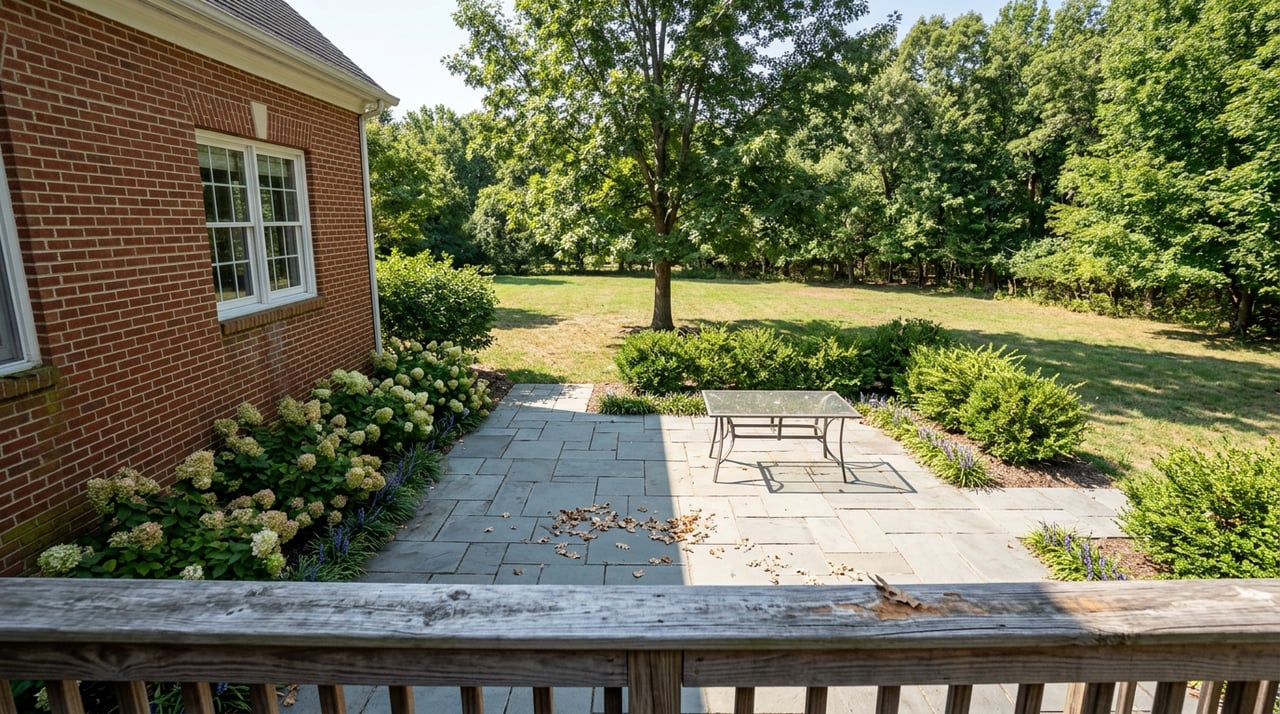
The sun is the other variable that shapes everything else. Most vegetables and herbs need a minimum of six hours of direct sunlight per day, and eight to ten hours produces the best yields. Spend a few days observing your yard at different times — morning, midday, and late afternoon — to map out where the light falls and where shade lingers. A patch that looks bright in the morning may be blocked by a fence or tree by noon.
The soil in much of Fairfax County, including McLean, leans clay-heavy. Clay soil holds moisture well, which can be a benefit during dry stretches, but it also compacts easily and drains slowly, which spells trouble for root vegetables and anything prone to root rot. Before planting in-ground, you'll likely need to amend your soil with compost, aged manure, or a commercial soil conditioner to improve drainage and aeration. Raised beds are an excellent workaround for this challenge because they allow you to fill them with a custom soil blend from the start.
The sun is the other variable that shapes everything else. Most vegetables and herbs need a minimum of six hours of direct sunlight per day, and eight to ten hours produces the best yields. Spend a few days observing your yard at different times — morning, midday, and late afternoon — to map out where the light falls and where shade lingers. A patch that looks bright in the morning may be blocked by a fence or tree by noon.
What To Assess Before You Plant
- Sun exposure throughout the day, tracking which areas receive at least six hours of direct light.
- Soil drainage, which is tested by digging a small hole, filling it with water, and observing how quickly it drains.
- Proximity to a water source, since consistent watering is one of the biggest factors in garden success.
- Existing tree roots or underground utilities that could interfere with in-ground planting.
- Deer and wildlife traffic in your area, since McLean's wooded corridors mean deer browsing is a real consideration.
Choosing the Right Garden Type for Your Space
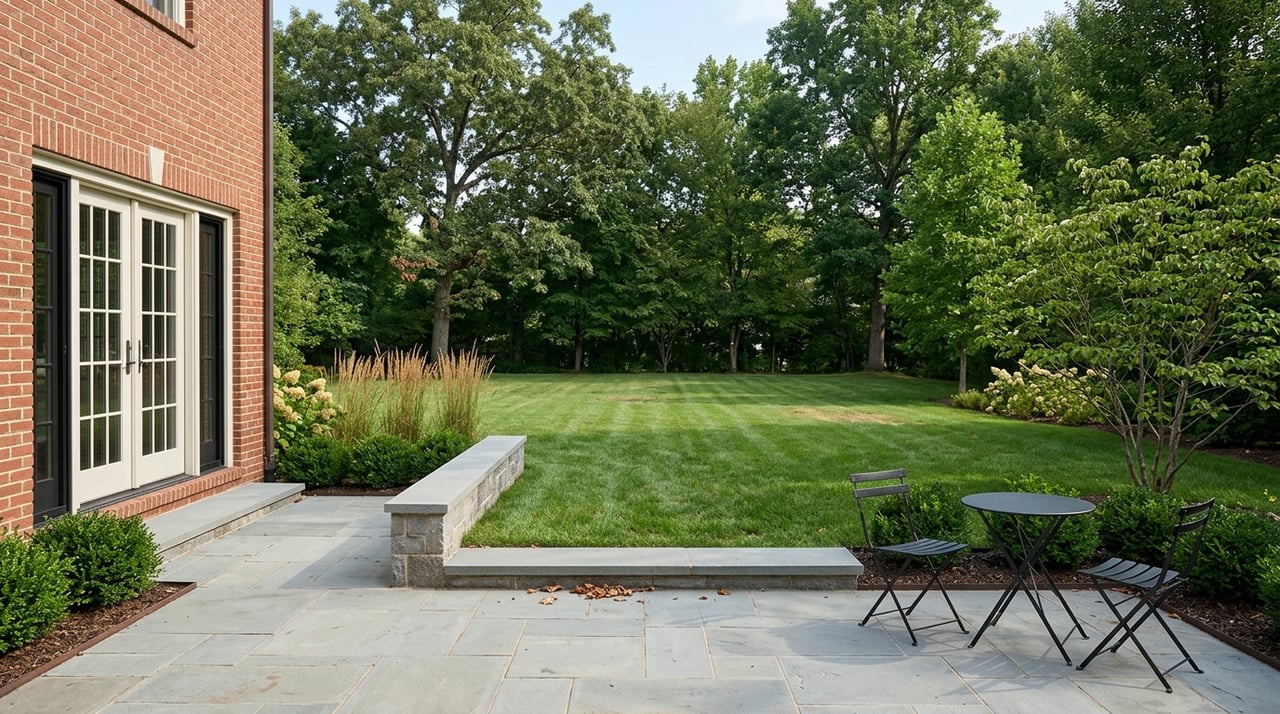
One of the best decisions a new gardener can make is to match the garden format to their space, lifestyle, and goals. McLean’s properties vary widely in lot size, tree coverage, and outdoor square footage, so there's no one-size-fits-all answer.
Raised beds are the most popular starting point for beginners in suburban areas, and for good reason. They give you complete control over soil quality, warm up faster in spring, and keep weeds more manageable than an in-ground plot. A single 4-by-8-foot raised bed is enough to grow a meaningful amount of tomatoes, lettuce, herbs, and cucumbers over a full season. Many homeowners in McLean start with one raised bed and add more once they catch the gardening bug.
Container gardening is an excellent option if you're working with a patio, deck, or limited yard space. Large containers in the 10- to 20-gallon range can support tomatoes, peppers, herbs, and even compact bush beans. Containers require more frequent watering than in-ground or raised bed gardens, but they offer the flexibility to move plants if sun patterns shift across the season.
Raised beds are the most popular starting point for beginners in suburban areas, and for good reason. They give you complete control over soil quality, warm up faster in spring, and keep weeds more manageable than an in-ground plot. A single 4-by-8-foot raised bed is enough to grow a meaningful amount of tomatoes, lettuce, herbs, and cucumbers over a full season. Many homeowners in McLean start with one raised bed and add more once they catch the gardening bug.
Container gardening is an excellent option if you're working with a patio, deck, or limited yard space. Large containers in the 10- to 20-gallon range can support tomatoes, peppers, herbs, and even compact bush beans. Containers require more frequent watering than in-ground or raised bed gardens, but they offer the flexibility to move plants if sun patterns shift across the season.
Popular Garden Formats for McLean Homeowners
- Raised beds with custom soil mixes, ideal for vegetables and herbs in yards with clay-heavy native soil.
- In-ground planting after soil amendment, best for larger perennial gardens or dedicated vegetable plots with good drainage.
- Container gardens on patios or decks, which are particularly useful for herbs, compact tomatoes, and seasonal flowers.
- Pollinator gardens featuring native Virginia plants, such as coneflowers, black-eyed Susans, and Virginia bluebells.
- Herb gardens near the kitchen entrance, making fresh herbs accessible for everyday cooking.
Setting Up for Success: Tools, Water, and Soil
The difference between a struggling garden and a thriving one often comes down to preparation. Beginners sometimes underestimate the importance of soil quality, consistent watering, and having the right basic tools before the growing season starts. Investing a little time and money up front pays dividends all season long.
For tools, you don't need a full shed's worth of equipment to get started. A hand trowel, a garden fork or hoe, a watering wand with a gentle spray head, and a pair of durable gloves are enough to manage a small raised bed or container garden. As your garden grows, you may want to add a larger watering can, a garden kneeler, and stakes or cages for tomatoes and climbing plants.
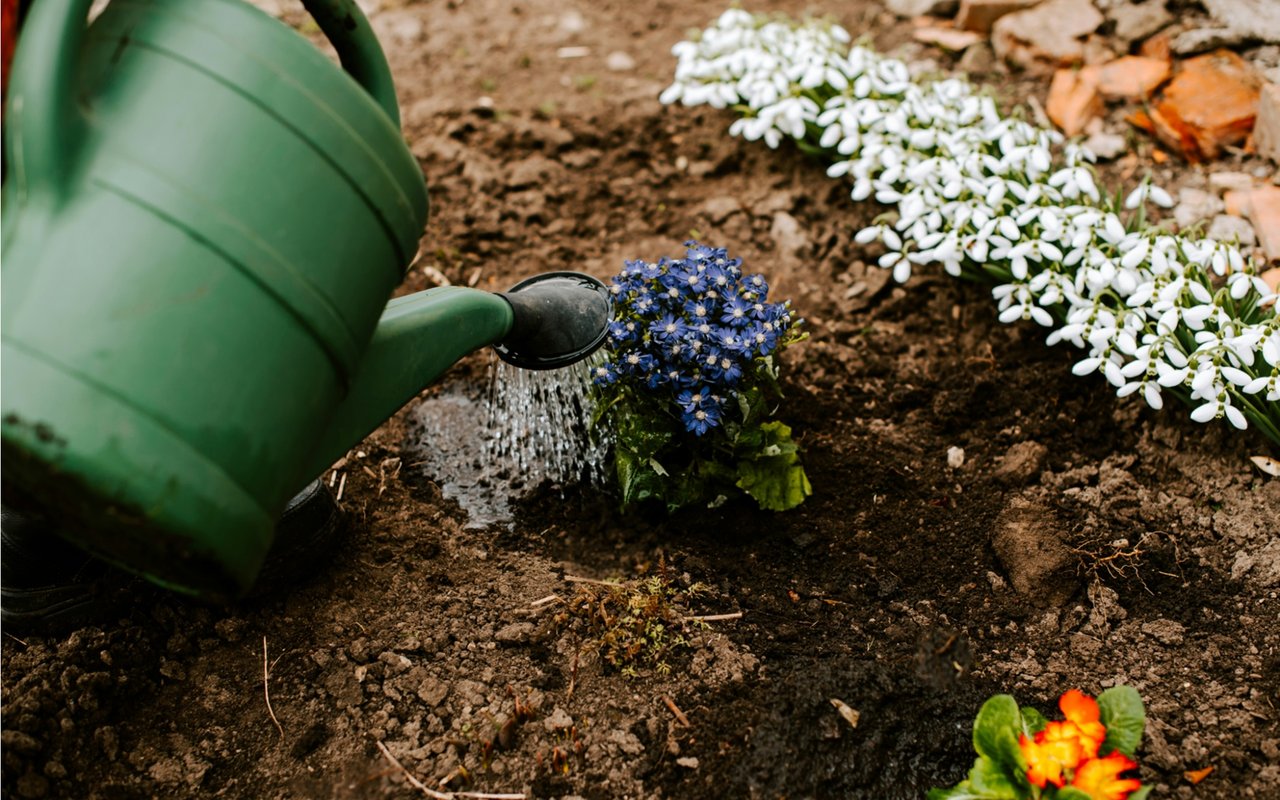
Watering is the task most new gardeners underestimate. Most vegetable gardens need about one inch of water per week, either from rainfall or supplemental watering. Drip irrigation systems or soaker hoses are worth considering even for small beds because they deliver water directly to roots, reduce evaporation, and save time. During McLean's hot July and August stretches, you may need to water deeply every two to three days for warm-season crops.
For tools, you don't need a full shed's worth of equipment to get started. A hand trowel, a garden fork or hoe, a watering wand with a gentle spray head, and a pair of durable gloves are enough to manage a small raised bed or container garden. As your garden grows, you may want to add a larger watering can, a garden kneeler, and stakes or cages for tomatoes and climbing plants.
Watering is the task most new gardeners underestimate. Most vegetable gardens need about one inch of water per week, either from rainfall or supplemental watering. Drip irrigation systems or soaker hoses are worth considering even for small beds because they deliver water directly to roots, reduce evaporation, and save time. During McLean's hot July and August stretches, you may need to water deeply every two to three days for warm-season crops.
Essentials for Your First Garden Season
- Compost or a quality garden soil blend for raised beds, amended generously before planting.
- Mulch to retain soil moisture, regulate temperature, and suppress weeds between plants.
- A basic fertilizer schedule, since most vegetables benefit from a balanced fertilizer at planting and again mid-season.
- Plant cages or stakes for tomatoes, peppers, and cucumbers, which need support as they grow.
- A rain gauge to track how much natural precipitation your garden is receiving each week.
FAQs
When Is the Best Time To Start a Garden in McLean, VA?
The ideal time to begin planning and preparing your garden is late winter, around February or early March. You can start cool-season crops outdoors as early as March, while warm-season vegetables like tomatoes and peppers should go into the ground after mid-April once frost risk has passed. Starting your seeds indoors 6 to 8 weeks before your outdoor planting date gives transplants a head start.
Do I Need a Big Yard To Have a Productive Garden in McLean?
Not at all. Many productive home gardens in McLean are built in compact spaces using raised beds, containers, or vertical growing techniques. A single 4-by-8-foot raised bed can produce a significant harvest of tomatoes, lettuce, herbs, and more. Even a sunny deck or patio is enough space for a meaningful container garden.
Is McLean's Soil Good for Vegetable Gardening?
McLean's native soil tends to be clay-heavy, which means it holds water but can become compacted and drain slowly. Most gardeners in the area benefit from amending in-ground beds with compost or opting for raised beds filled with a custom-blended growing mix. Doing a soil test gives you a clear picture of your soil's pH and nutrient levels before you plant.
Your Garden Is Closer Than You Think
McLean is a wonderful place to put down roots, both literally and figuratively. The mild climate, the generous growing season, and the strong sense of community among local homeowners make it an ideal environment for getting started with a home garden.
When you're ready to explore what McLean real estate has to offer, our team is here to help you find a home with the outdoor space, sun exposure, and square footage to make your gardening goals a reality. Connect with us at the Choose Wisely Group to start the conversation.
When you're ready to explore what McLean real estate has to offer, our team is here to help you find a home with the outdoor space, sun exposure, and square footage to make your gardening goals a reality. Connect with us at the Choose Wisely Group to start the conversation.