By the Choose Wisely Group
When you list a luxury home, buyers are not only evaluating square footage. They are responding to how a space feels the moment they step inside. A home can measure well over 6,000 square feet and still feel closed off, while a thoughtfully staged property with a smaller footprint can feel expansive, calm, and full of possibility. The difference usually comes down to light, flow, and the way each room invites you to move through it.
Buyers in the luxury market have refined expectations, and they notice everything. They register how the entry sets the tone, whether the sight lines carry across the room, and how easily they can picture themselves living there. Your goal as a seller is to remove anything that interrupts that experience so that the home reads as open, polished, and effortless.
The good news is that making your home feel more spacious and inviting rarely requires a renovation. It usually comes down to editing, arranging, and highlighting what is already there. Below, you will find practical, high-impact strategies that help your property present at its best and help buyers connect with it right away.
Key Takeaways
- Open sight lines and clear pathways make rooms read as larger without changing the footprint.
- Natural light is one of the best tools for creating a sense of openness and warmth.
- Editing furniture and personal items helps buyers focus on the space rather than the contents.
- A cohesive, neutral palette allows rooms to flow together and feel calm.
- Staging outdoor areas extends the sense of living space and adds perceived value.
Let Natural Light Lead the Way
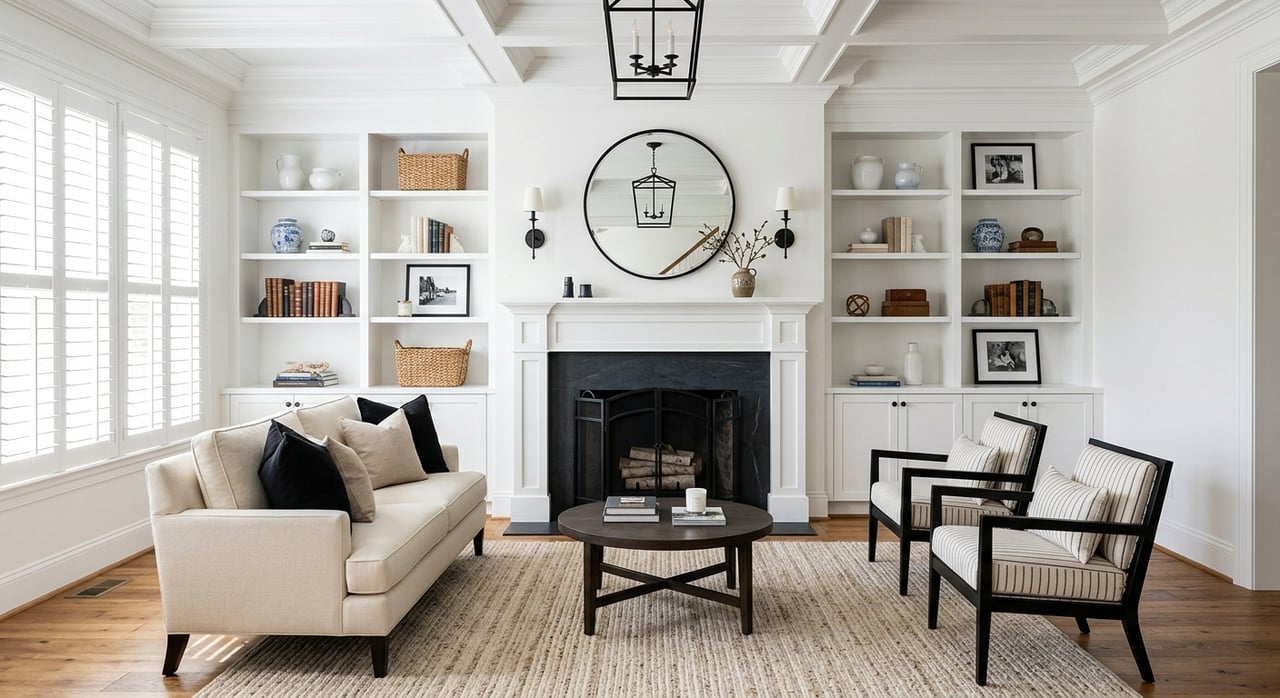
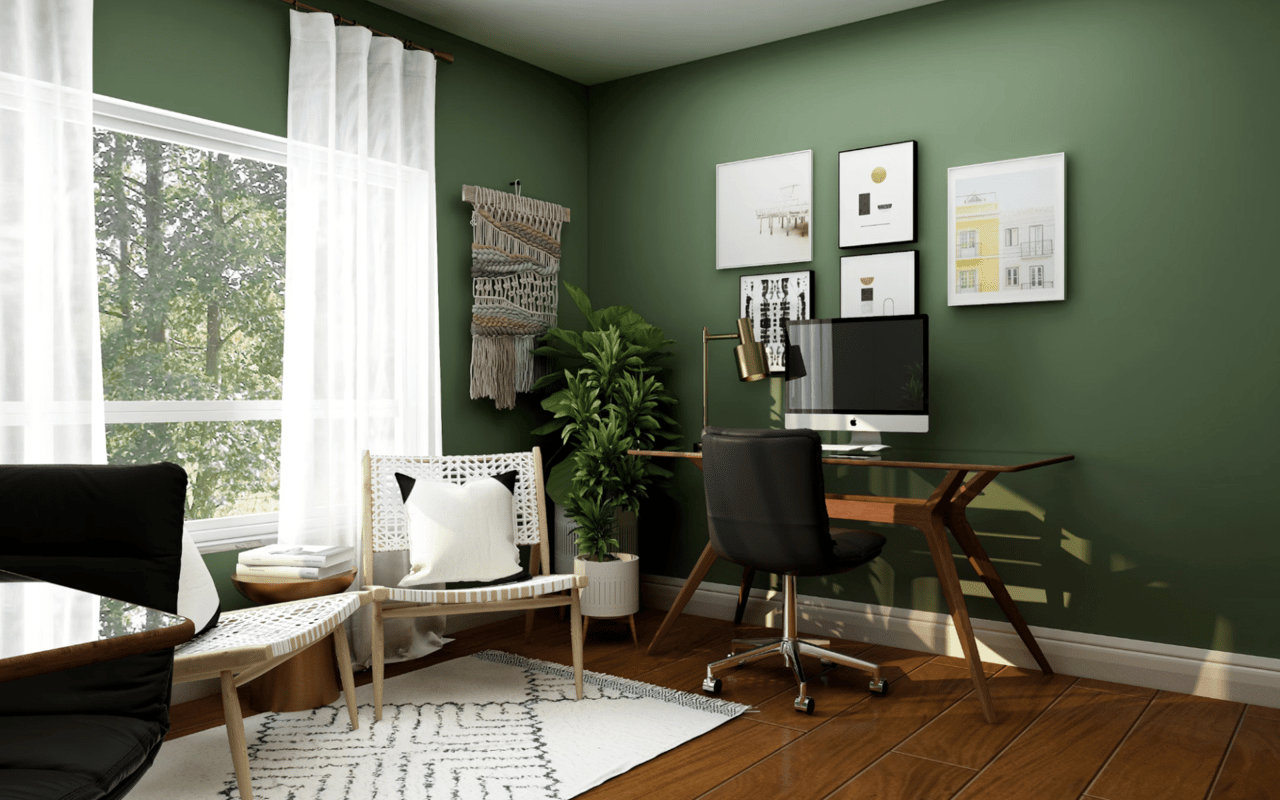
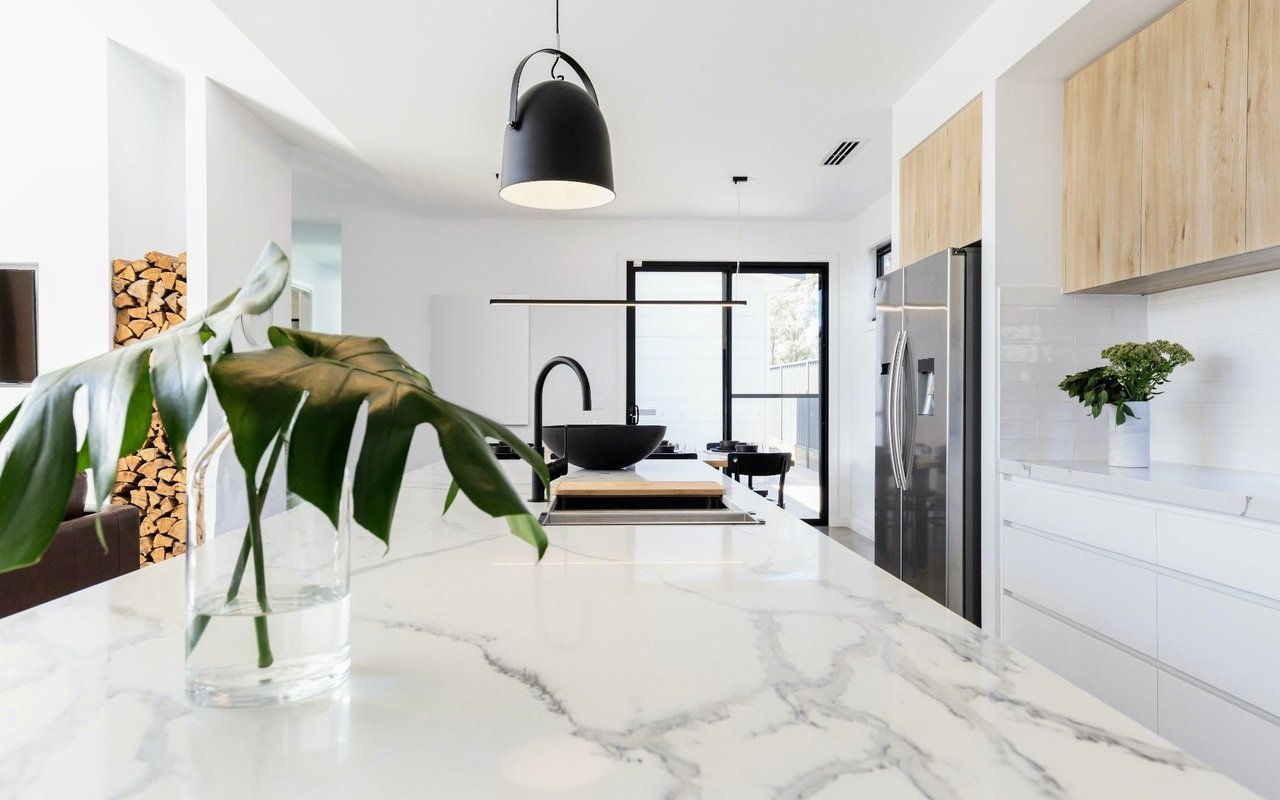
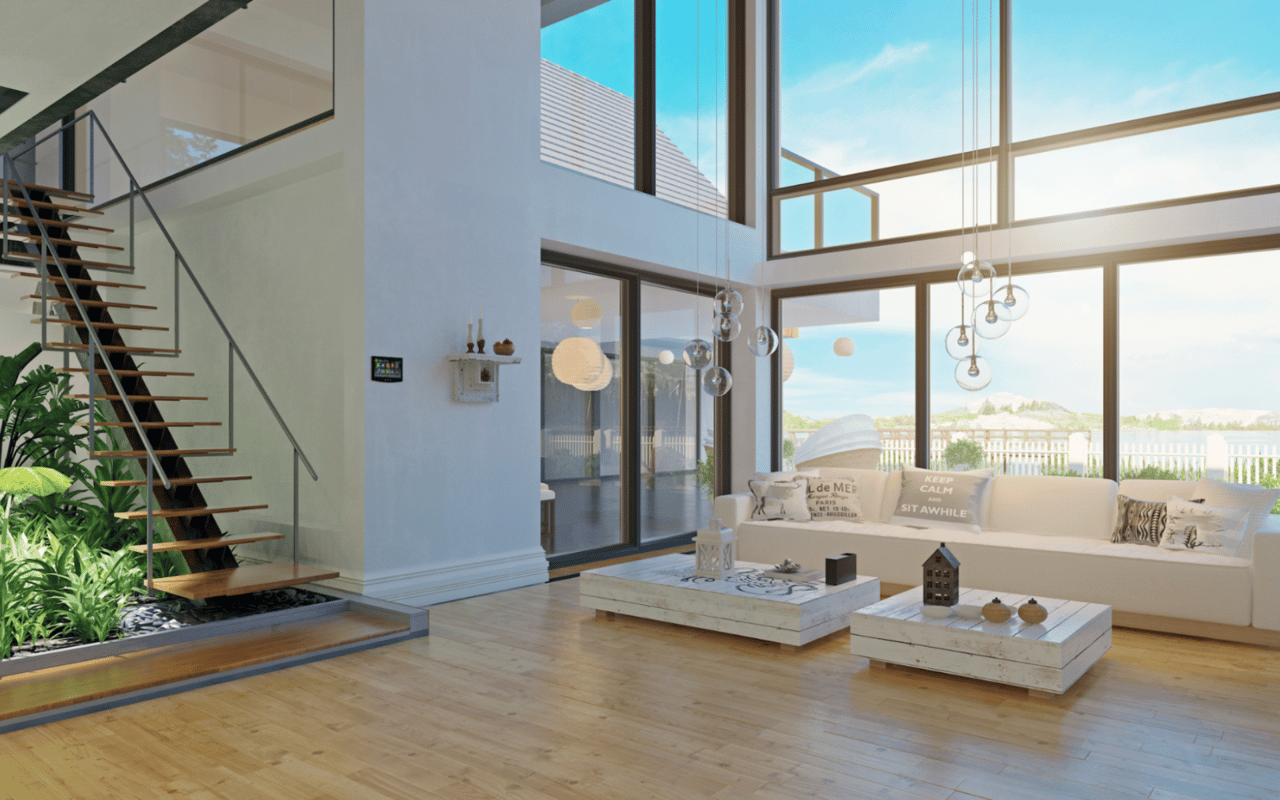
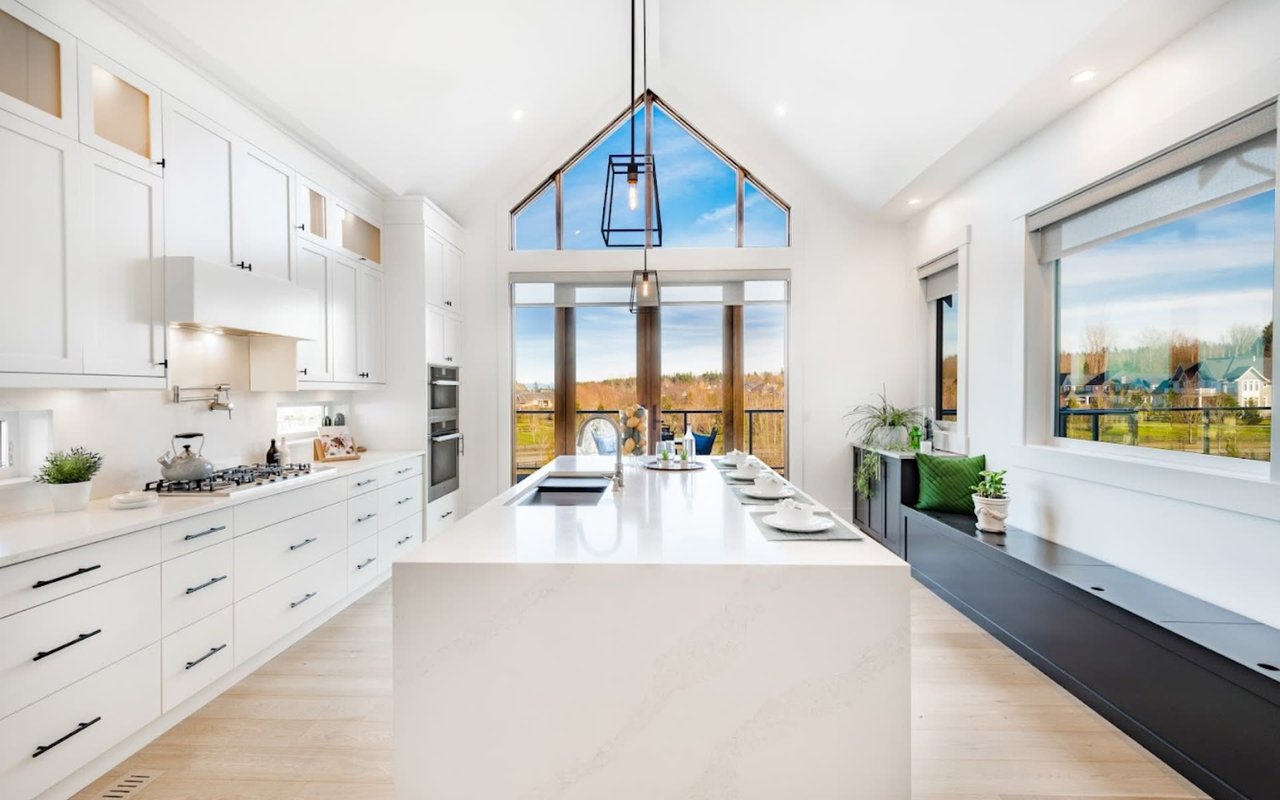
Light is the fastest way to make any room feel larger and more welcoming. Bright, well-lit spaces feel open and airy, while dim rooms feel smaller and heavier than they actually are.
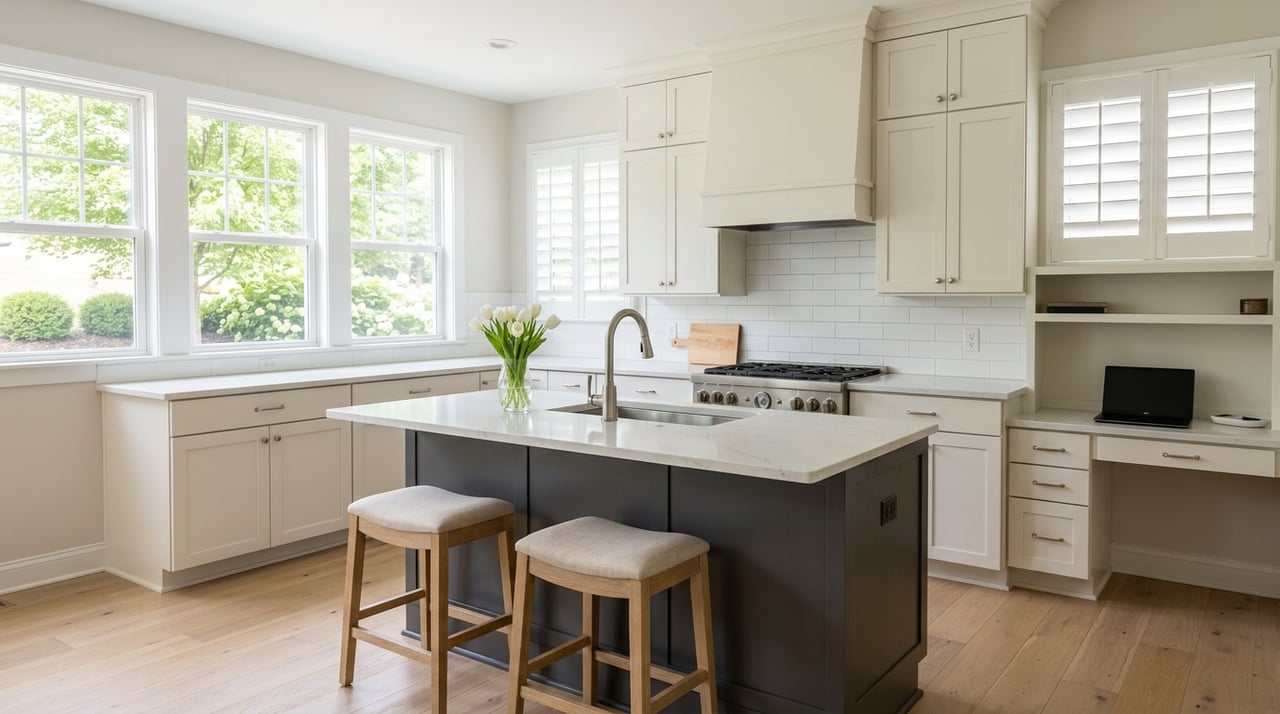
Before any showing, open every window covering, clean the glass until it is spotless, and let the daylight do the work. Buyers consistently respond to homes that feel sunny and fresh, and luxury buyers in particular associate abundant light with quality construction and thoughtful design.
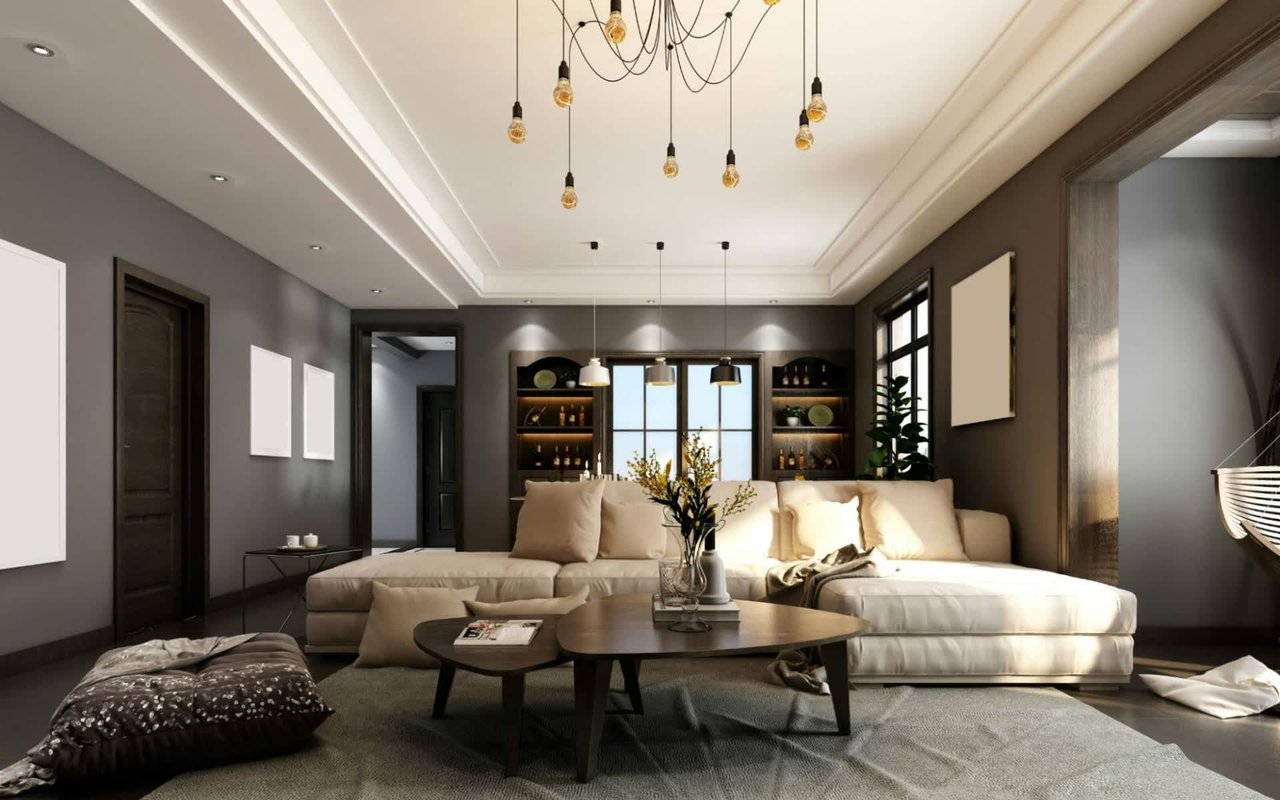
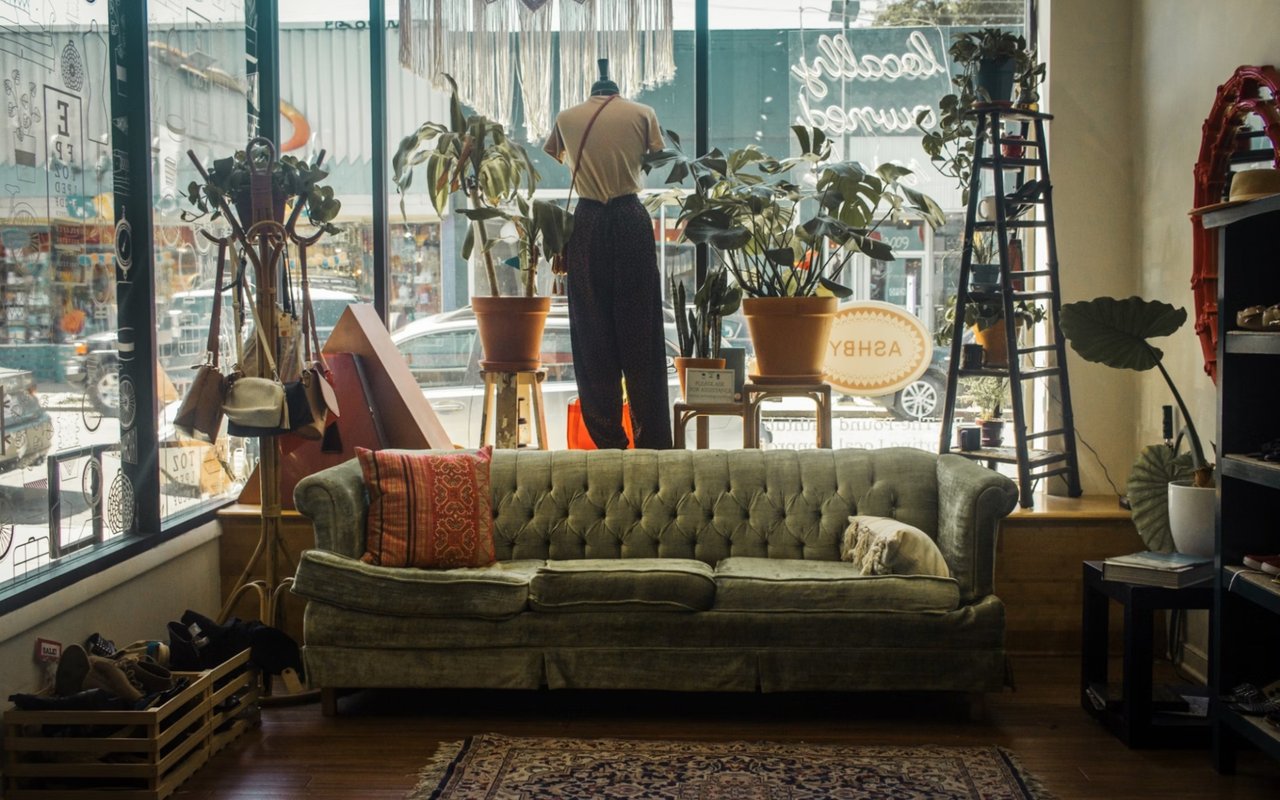
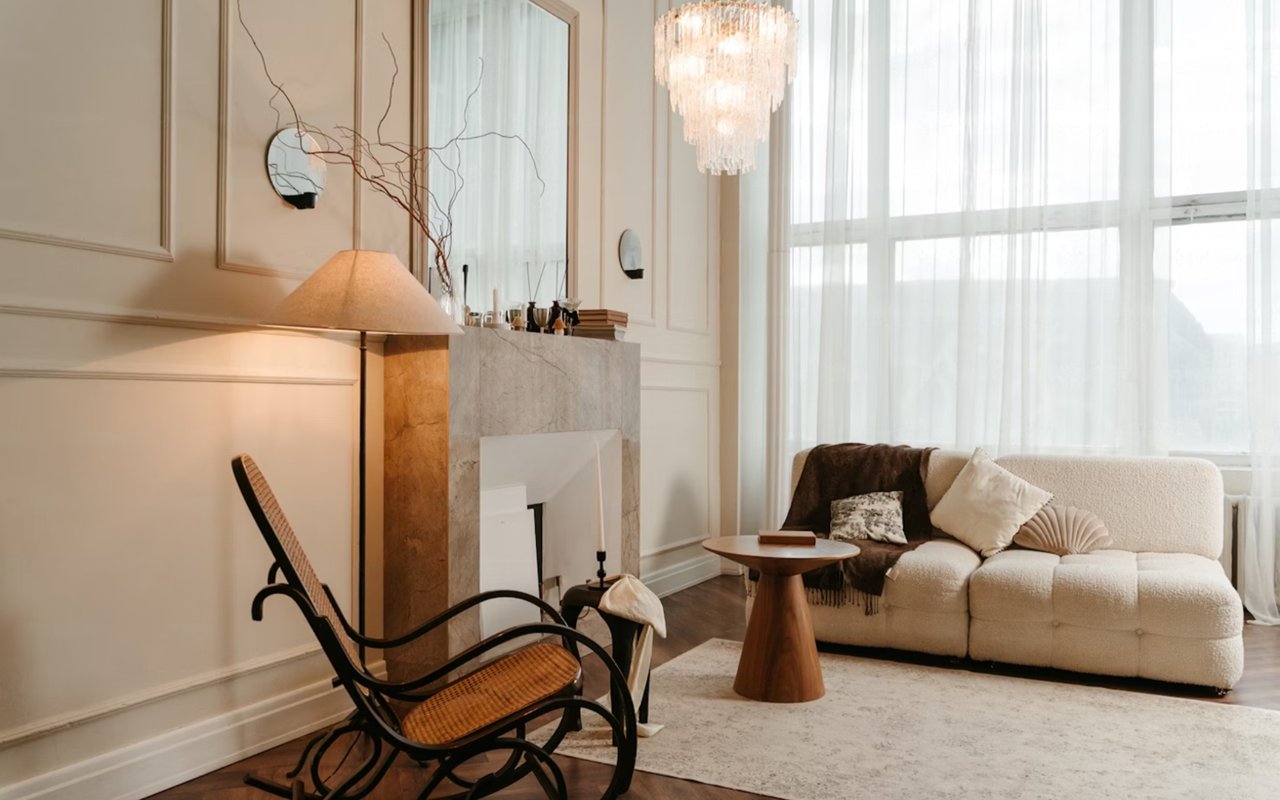
If certain rooms receive limited daylight, layer your lighting so that no corner feels dark. A combination of overhead fixtures, table lamps, and accent lighting creates depth and warmth. Mirrors are another quiet powerhouse; placing one across from a window nearly doubles the light in a room and adds a sense of dimension. Replace any dated or dim bulbs with warm, consistent lighting throughout, so the home feels intentional from room to room.
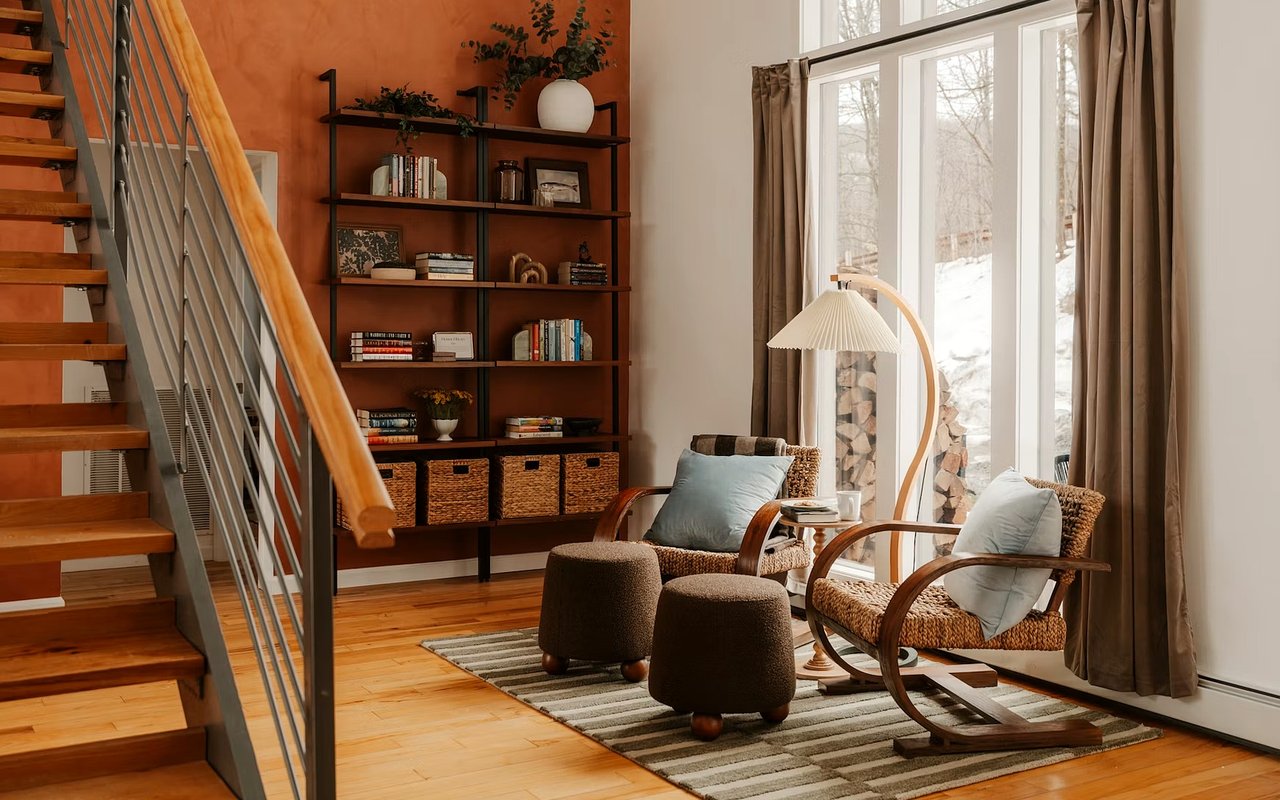
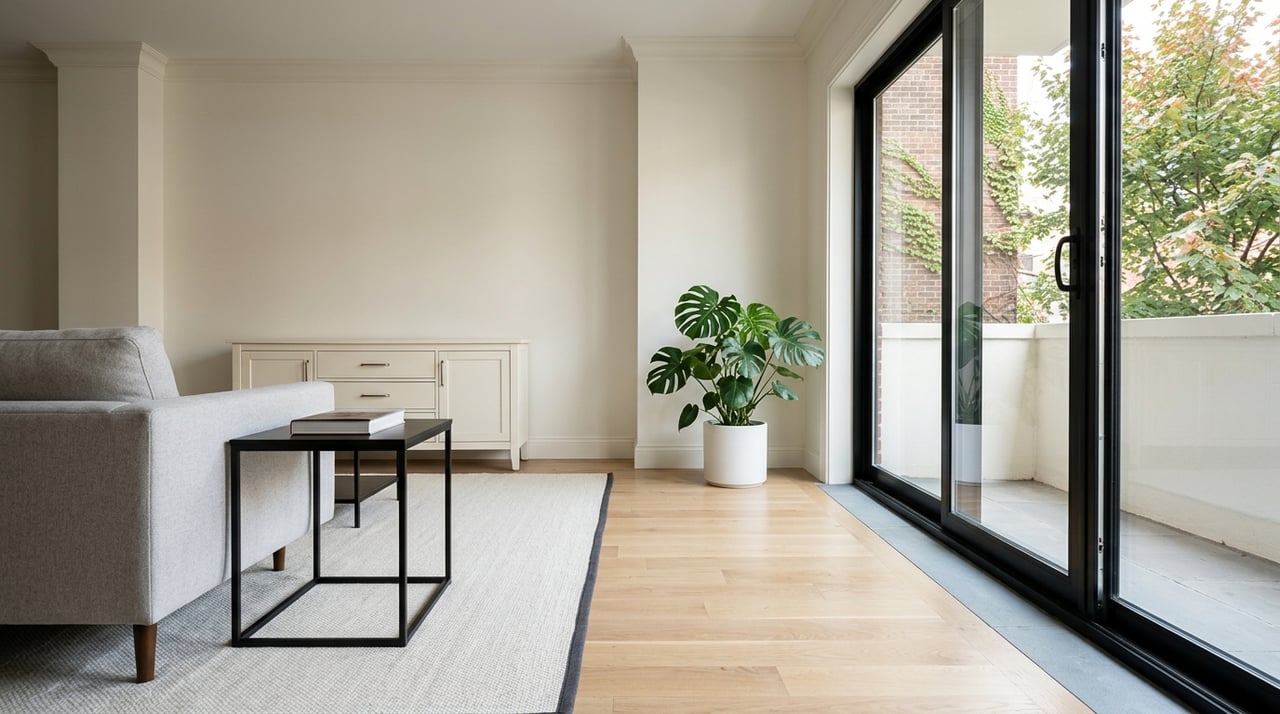
Window treatments matter as well. Heavy drapery can shrink a room and block light, while streamlined panels or simple shades keep the focus on the view and the architecture. When you frame the windows rather than smother them, you highlight one of the most valuable features of a luxury home, which is the connection between the interior and the world outside.
What to Prioritize for Light
- Clean all windows inside and out, so daylight enters without any haze or streaking.
- Position the mirrors to reflect the windows and brighten up interior rooms.
- Swap heavy drapery for lighter treatments that frame rather than cover the glass.
- Replace mismatched bulbs with a warm, uniform tone across the home.
Open Up Sight Lines and Improve the Flow
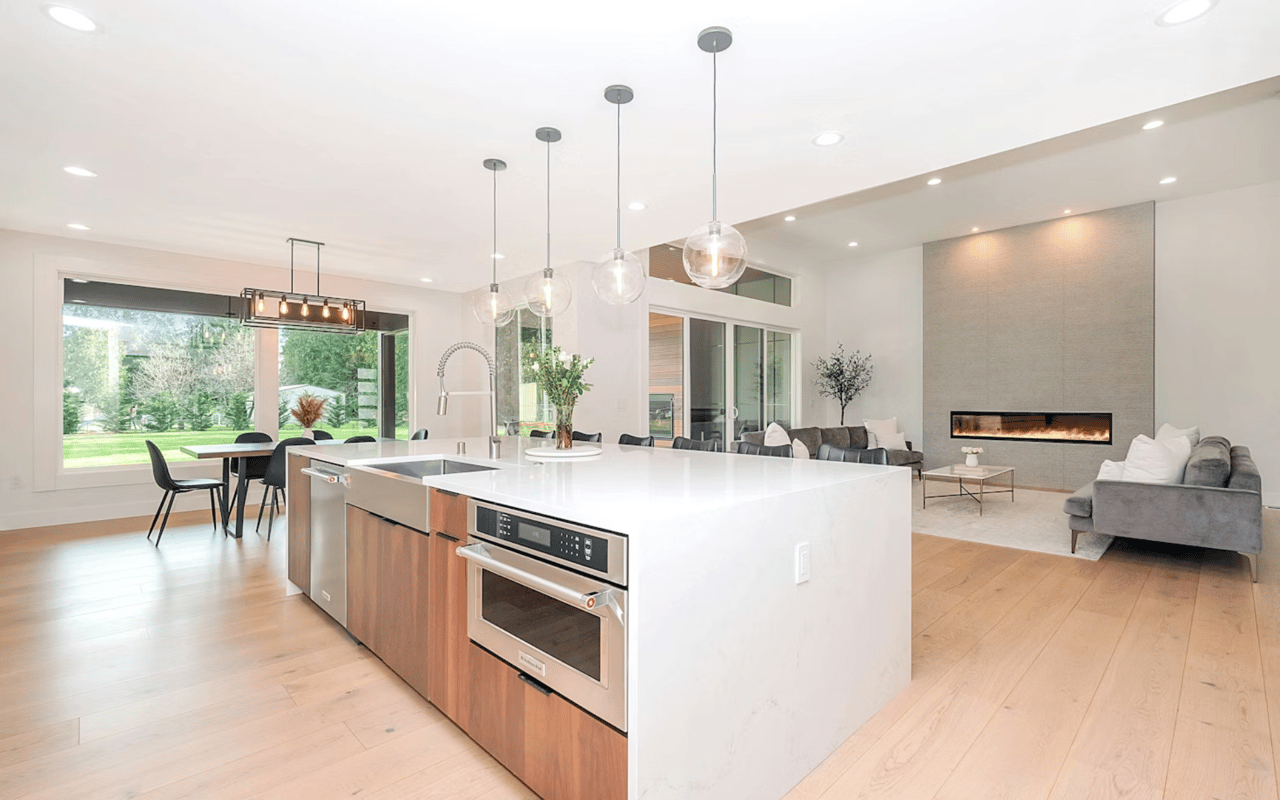
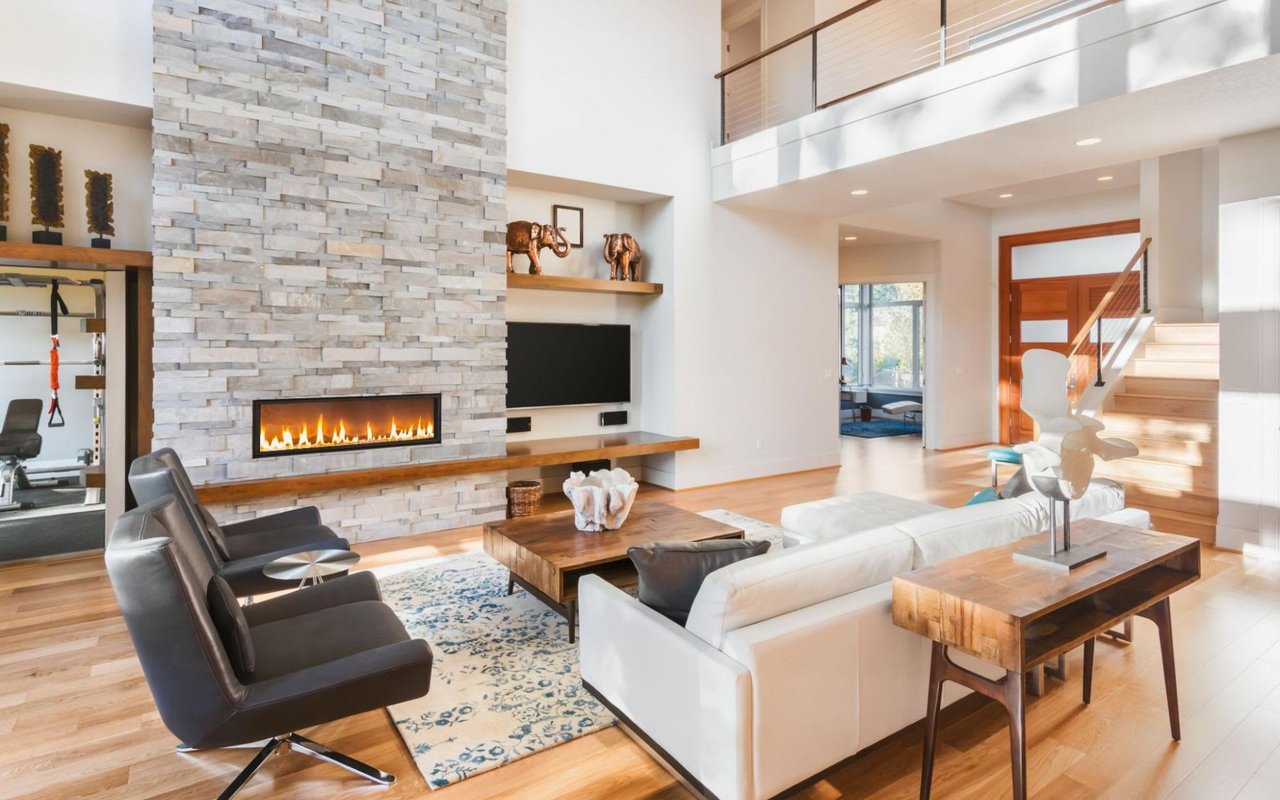
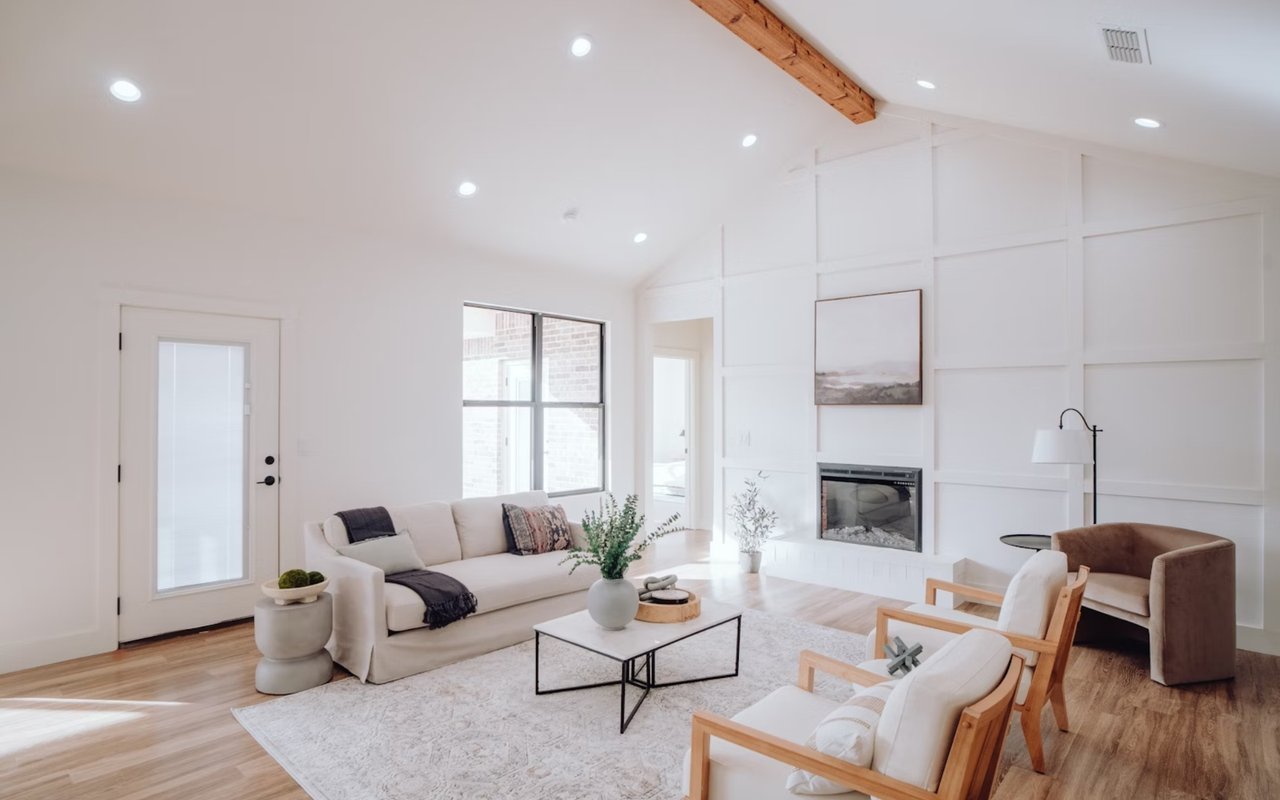
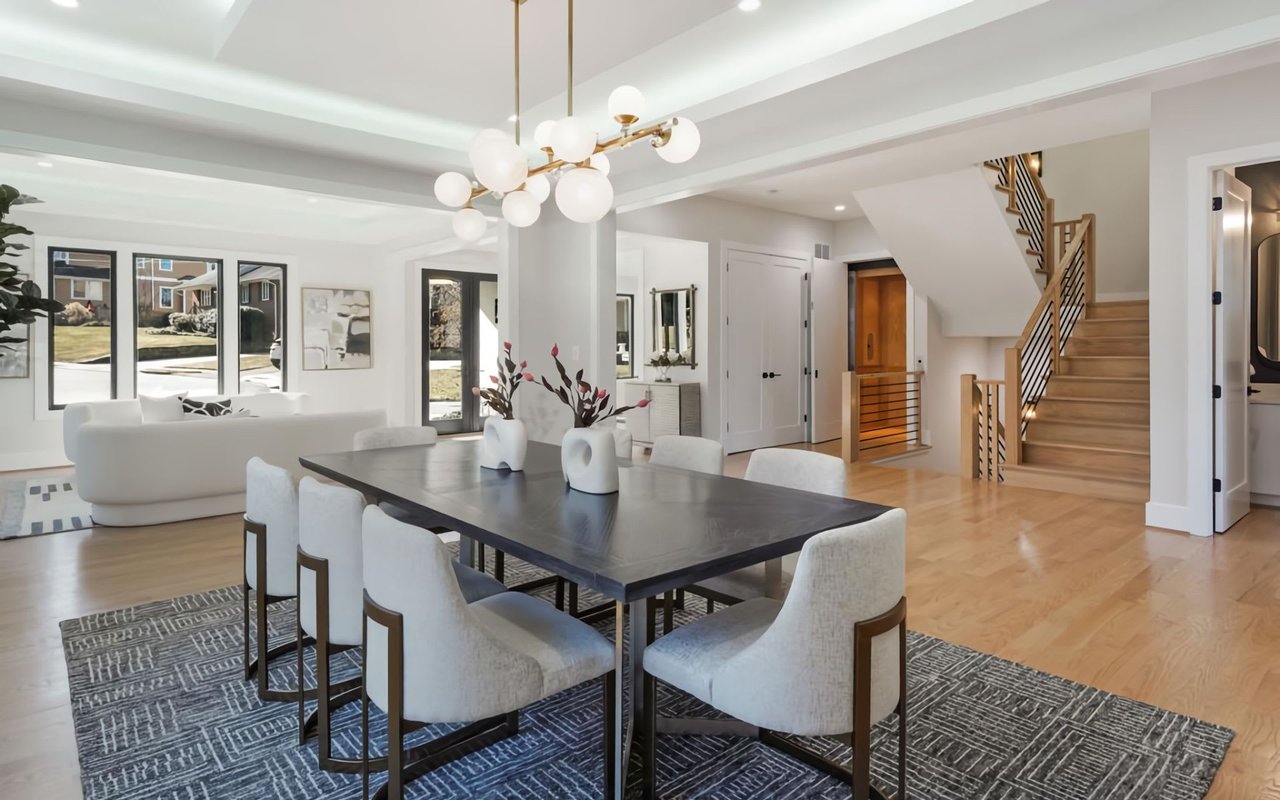
Spaciousness is as much about movement as it is about square footage. When a buyer can see across a room and into the next space, the home feels connected and generous. When the furniture blocks pathways or crowds the center of a room, even a large space starts to feel tight. The way you arrange each room directly shapes how big it feels.
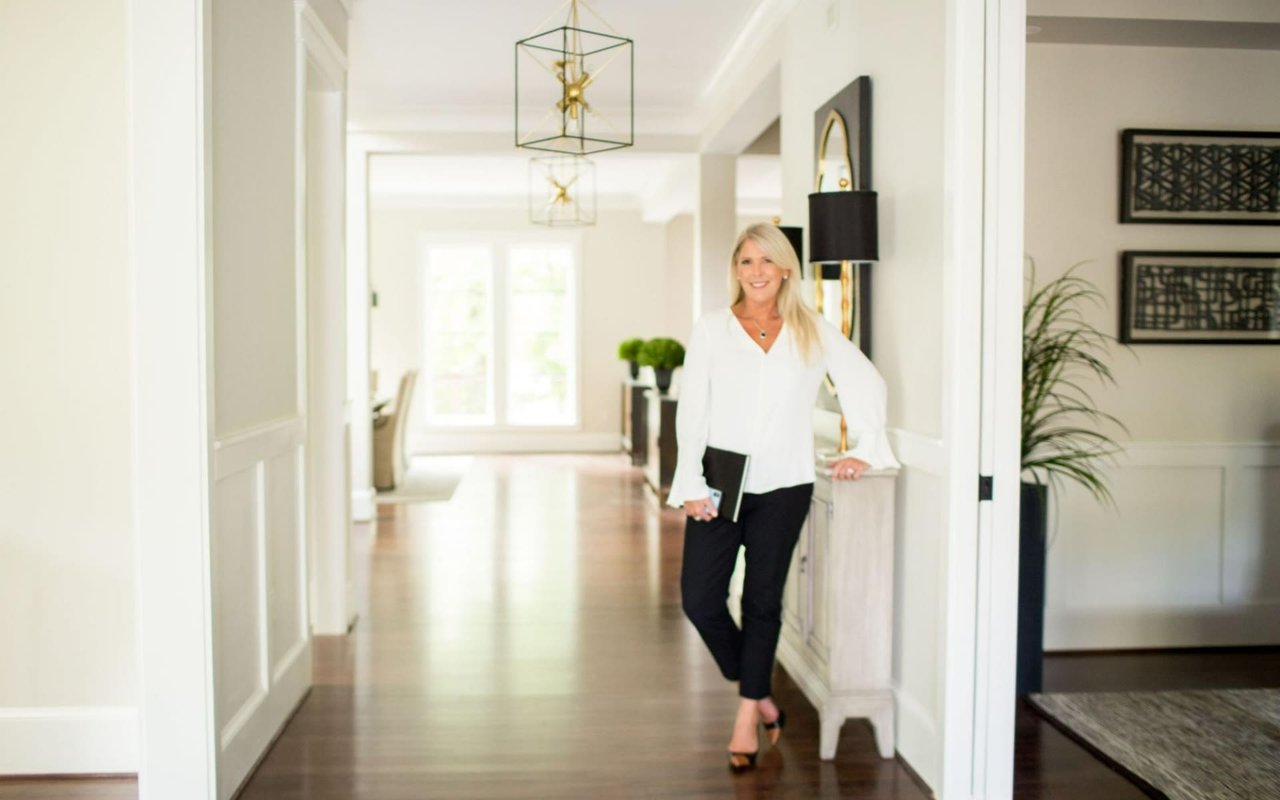
Start by walking through your home the way a buyer would, beginning at the front entry. Notice where your eye lands and whether anything interrupts the view. Pull the furniture slightly away from the walls where it helps, create clear walkways, and remove any oversized pieces that dominate a room. In luxury homes, negative space is a feature, not a flaw. A little breathing room around each piece signals that the home has space to spare.
Pay special attention to the transitions between rooms. Open floor plans should feel seamless, so avoid placing tall furniture or bulky accessories at the boundaries where one space meets another. In more traditional layouts, keep the doorways clear and let each room reveal the next. The objective is to guide buyers through the home in a way that feels natural and unhurried, allowing them to imagine their own life unfolding across the space.
How to Improve Flow
- Clear the primary walkways, so buyers can move through each room without detours.
- Remove or relocate oversized furniture that overwhelms a space.
- Preserve open sight lines from the entry into the main living areas.
- Keep the boundaries between rooms free of tall or bulky items.
Edit, Depersonalize, and Refine
One of the most effective ways to make a luxury home feel larger is also one of the simplest, which is to remove excess. Every item in a room competes for attention, and too many objects make a space feel busy and smaller than it is. Thoughtful editing lets the architecture and finishes take center stage, which is exactly what high-end buyers want to see.
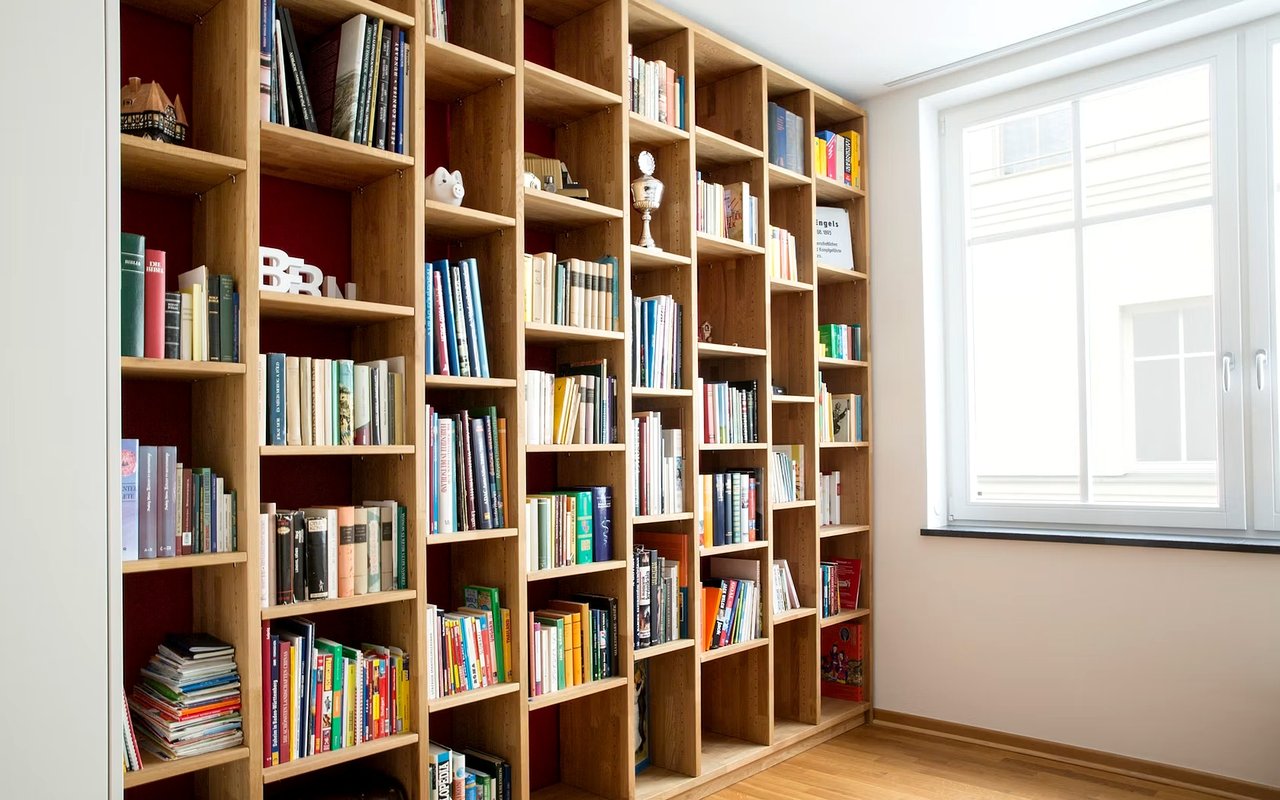
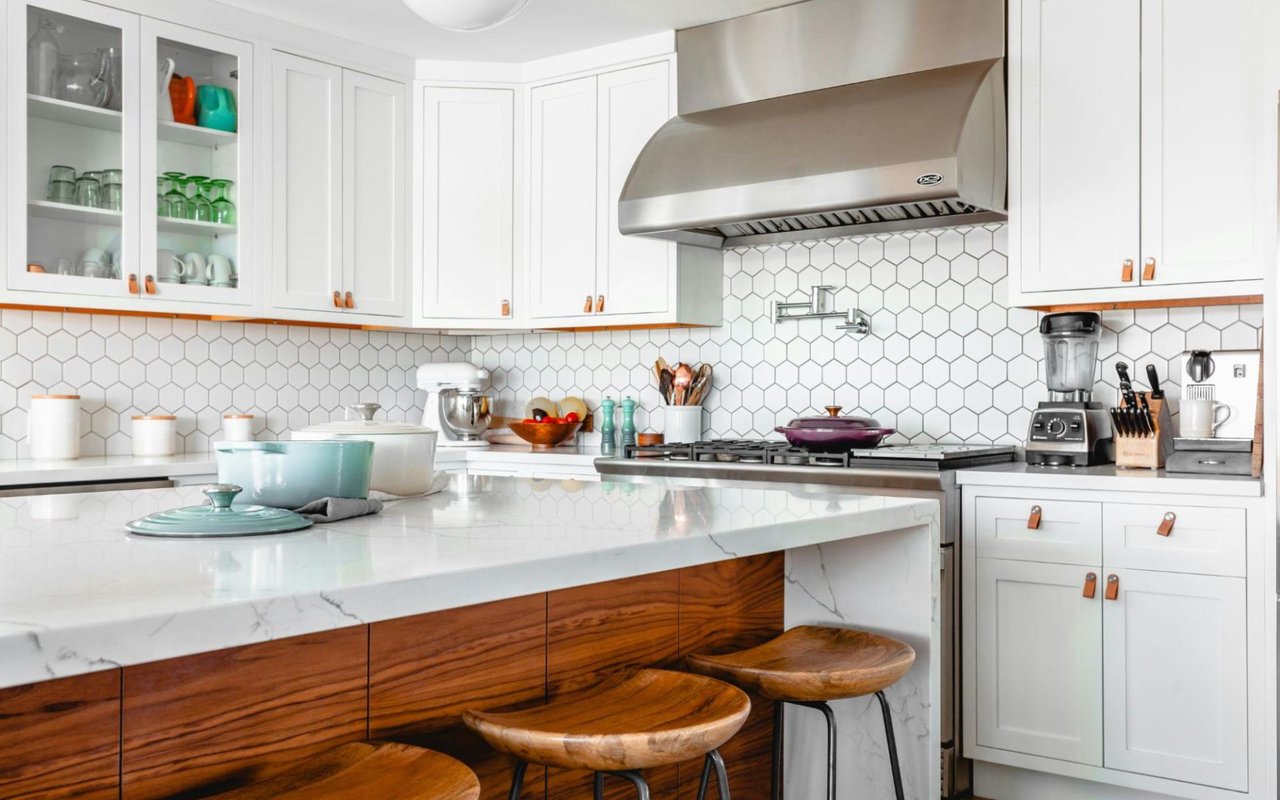
Begin with surfaces. Clear off the countertops, console tables, and shelves until only a few curated pieces remain. In closets and storage areas, remove roughly half of what is stored there, so these spaces read as generous rather than full. Buyers open closets and cabinets, and a well-edited storage space suggests the home offers plenty of room. This kind of restraint communicates luxury far more effectively than a fully stocked shelf ever could.
Depersonalizing also helps buyers connect emotionally. When a home is filled with personal photographs and highly specific decor, buyers see your life rather than their own. Replacing those items with neutral art and simple accents creates a calm backdrop that lets buyers project their own vision onto the space. You are not stripping the home of character; you are giving it a refined, gallery-like quality that invites imagination.
What to Edit First
- Clear the countertops and tabletops down to a few curated objects.
- Reduce the contents of closets and cabinets, so storage feels ample.
- Replace personal photographs with neutral, sophisticated artwork.
- Remove any furniture or decor that no longer serves the room.
Use Color and Cohesion to Expand the Space
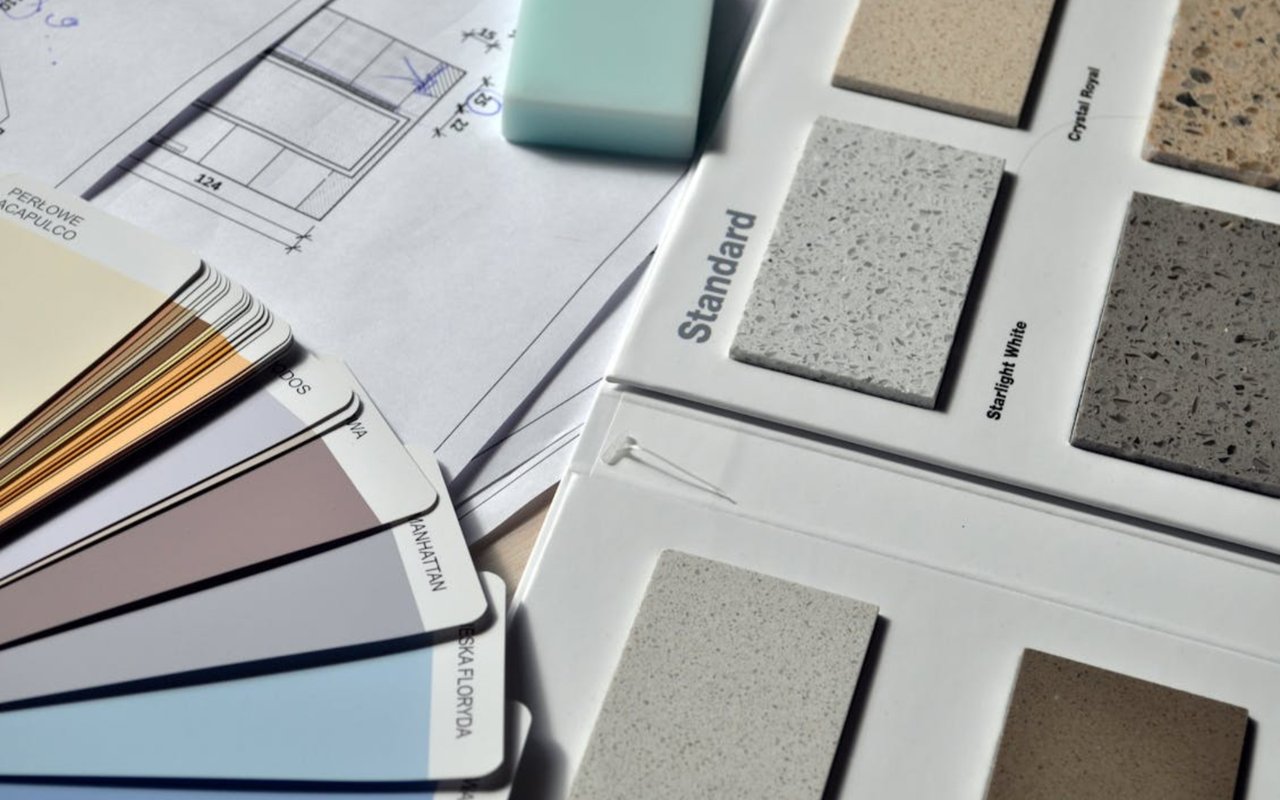
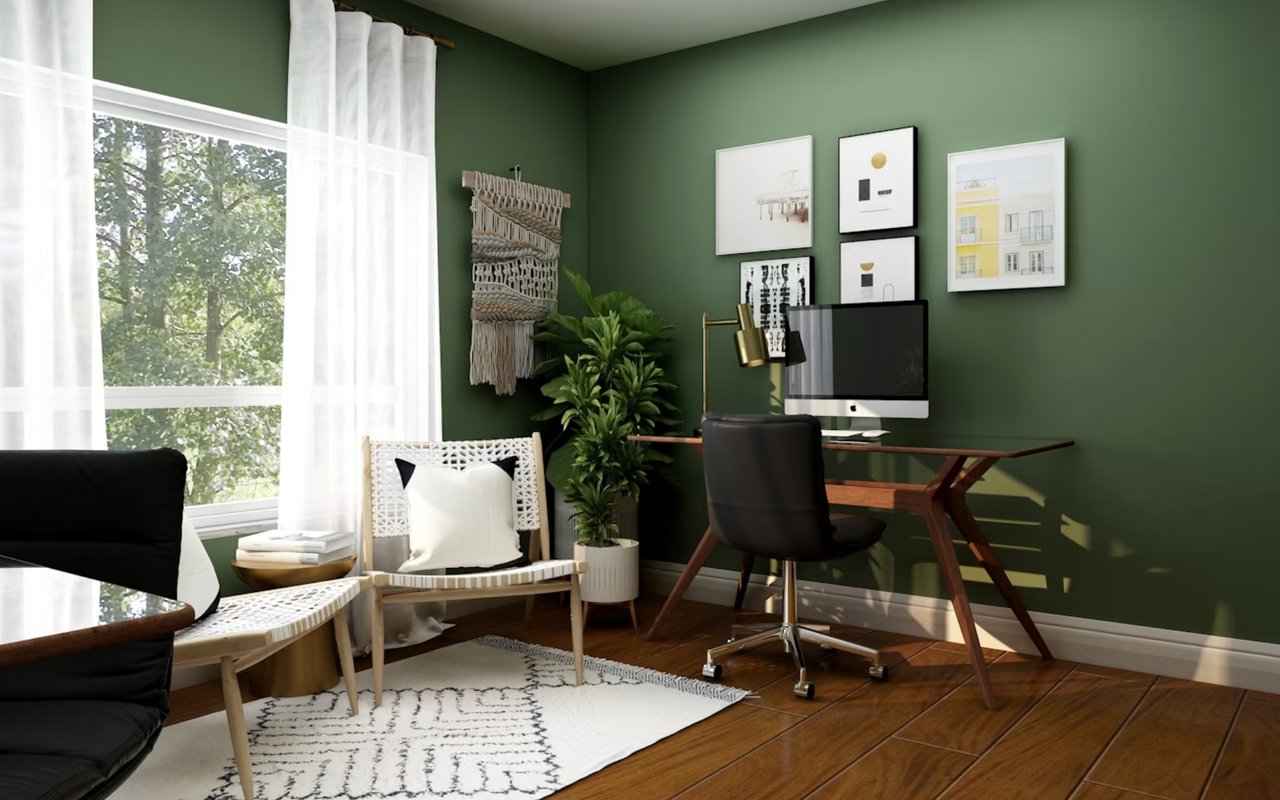
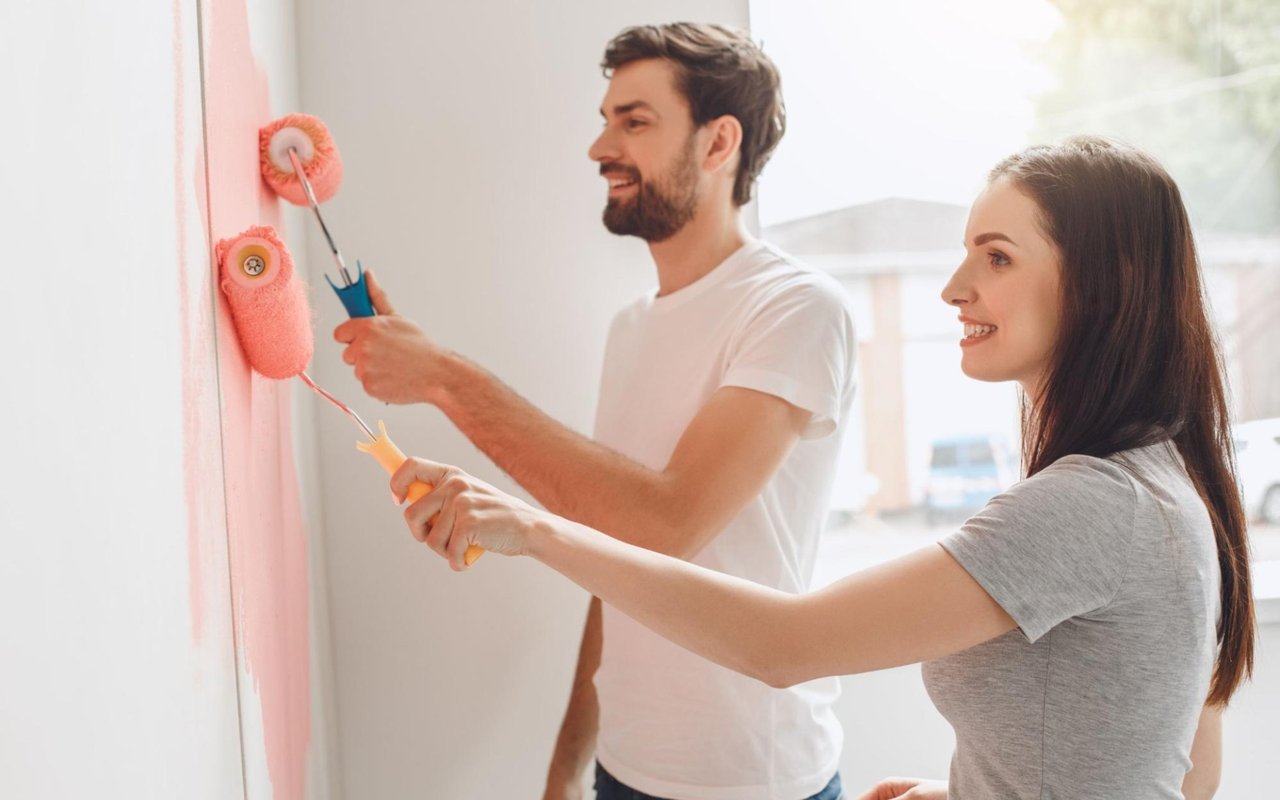
Color has a powerful effect on how spacious a room feels. Light, consistent tones reflect more light and make walls recede, which creates an immediate sense of openness. A cohesive palette that carries from one room to the next also makes the entire home feel unified and intentional, rather than a series of disconnected spaces. For luxury properties, this sense of continuity reads as thoughtful design.
You do not need to repaint the entire home in a single shade. Instead, aim for a harmonious range of neutrals and soft tones that transition smoothly. When flooring, walls, and larger furniture pieces stay within a consistent palette, the eye moves through the space without interruption, which makes rooms feel bigger. Reserve bolder color for small, deliberate accents, so the overall effect remains calm and expansive.
Texture deserves attention as well, because it adds warmth without adding visual clutter. Layering materials, such as linen, wool, stone, and wood, gives a room depth and a sense of richness while keeping the palette quiet. This approach lets a home feel inviting and comfortable rather than stark, striking the balance that discerning buyers are looking for.
Palette Guidelines
- Keep the walls in light, consistent tones that reflect natural light.
- Carry a cohesive color story from room to room, so the home feels unified.
- Use bold color sparingly as a deliberate accent rather than a dominant feature.
- Layer natural textures to add warmth without visual clutter.
Extend the Living Space Outdoors
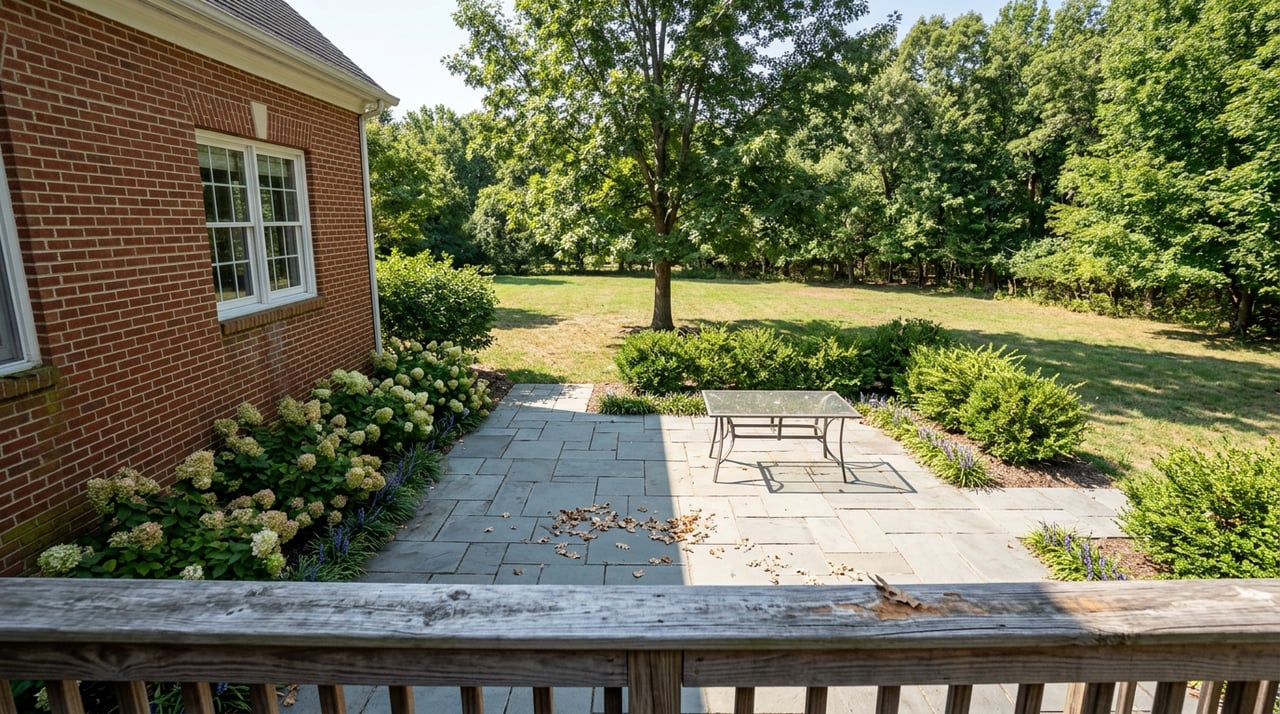
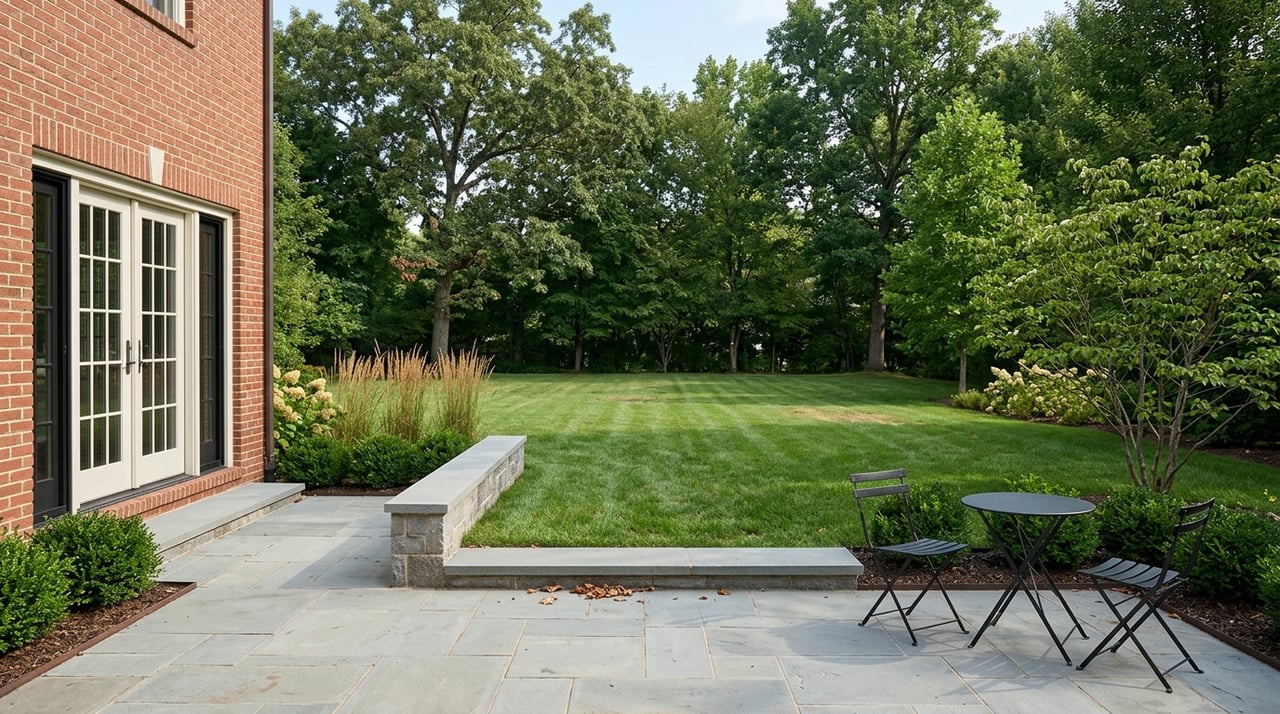
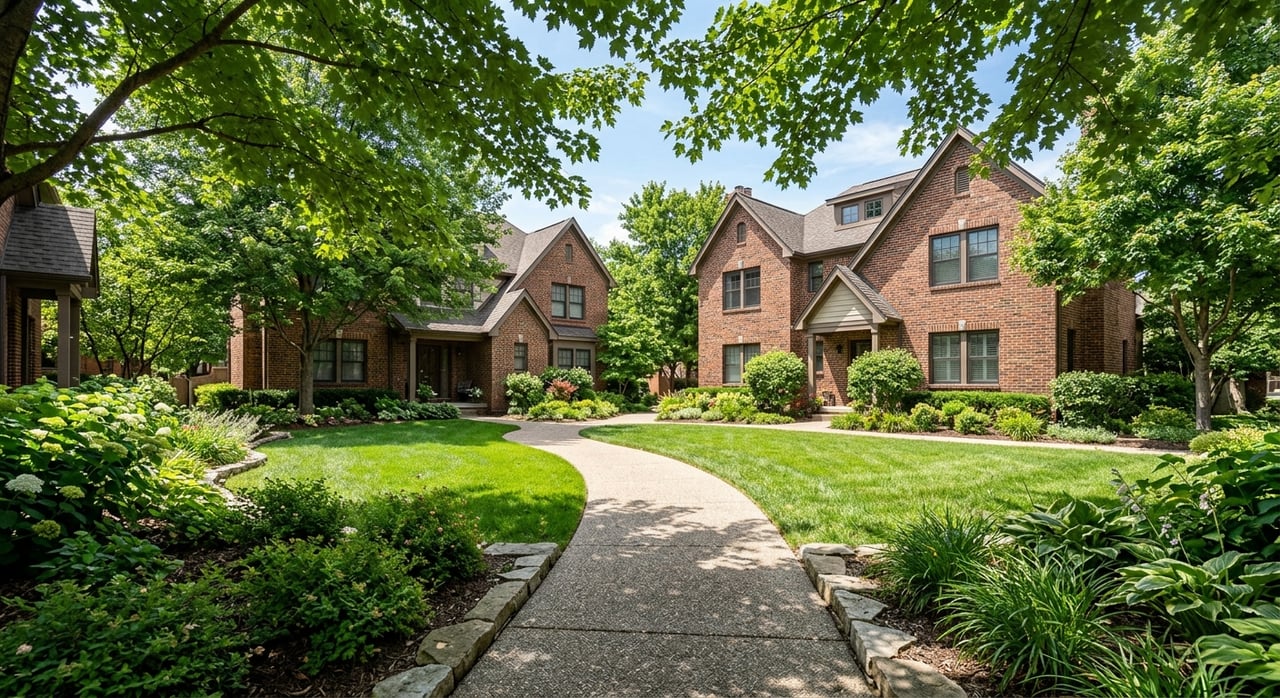
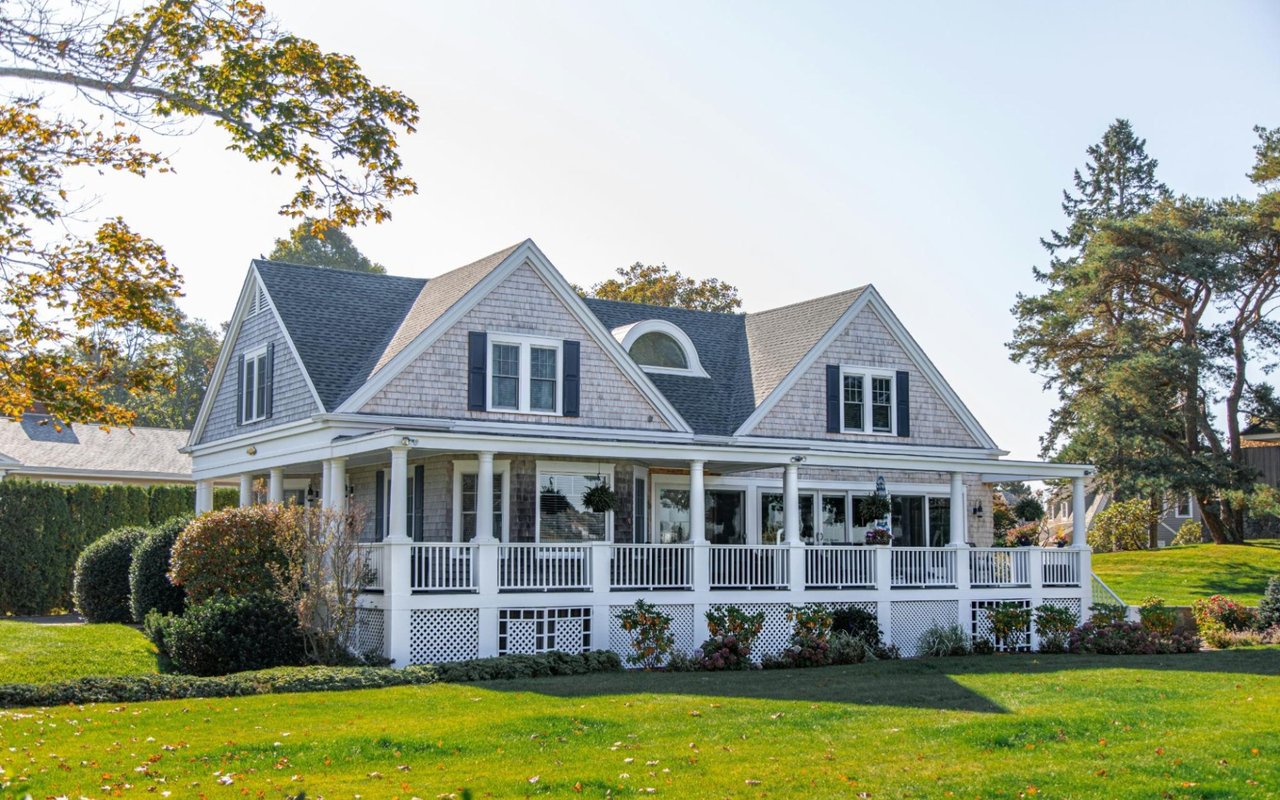
In the luxury market, outdoor areas are treated as true extensions of the home, and staging them well can dramatically increase the perceived size and value of your property. A well-appointed patio, terrace, or garden signals that the living space continues beyond the walls, which is exactly the lifestyle that buyers are seeking. When you present these areas with the same care as your interior, the home feels significantly larger.
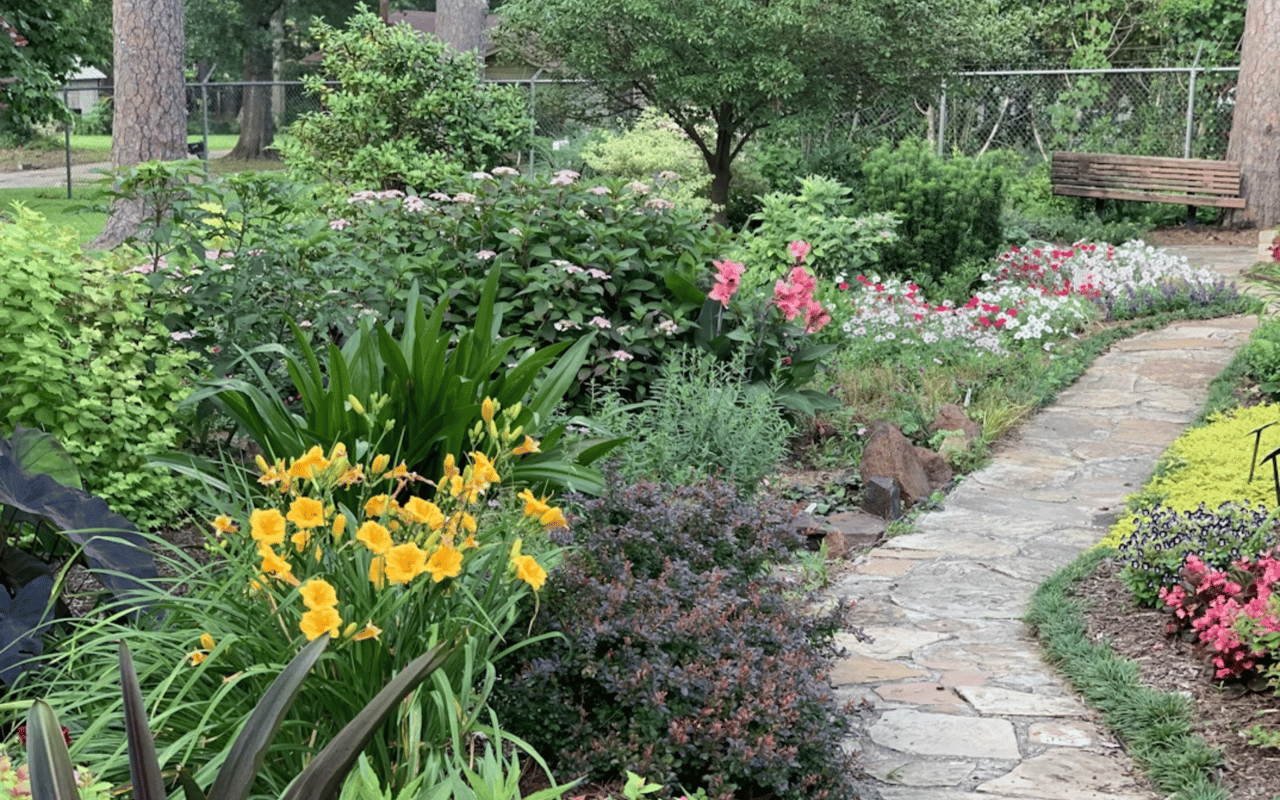
Define outdoor zones the way you would indoor rooms. A seating arrangement, a dining area, and a lounge space each give buyers a clear sense of how they would use the space. Keep the styling clean and uncluttered, with comfortable furniture, a few sculptural plants, and simple accents that complement the architecture. The goal is to help buyers picture themselves entertaining, relaxing, and enjoying the property year-round.
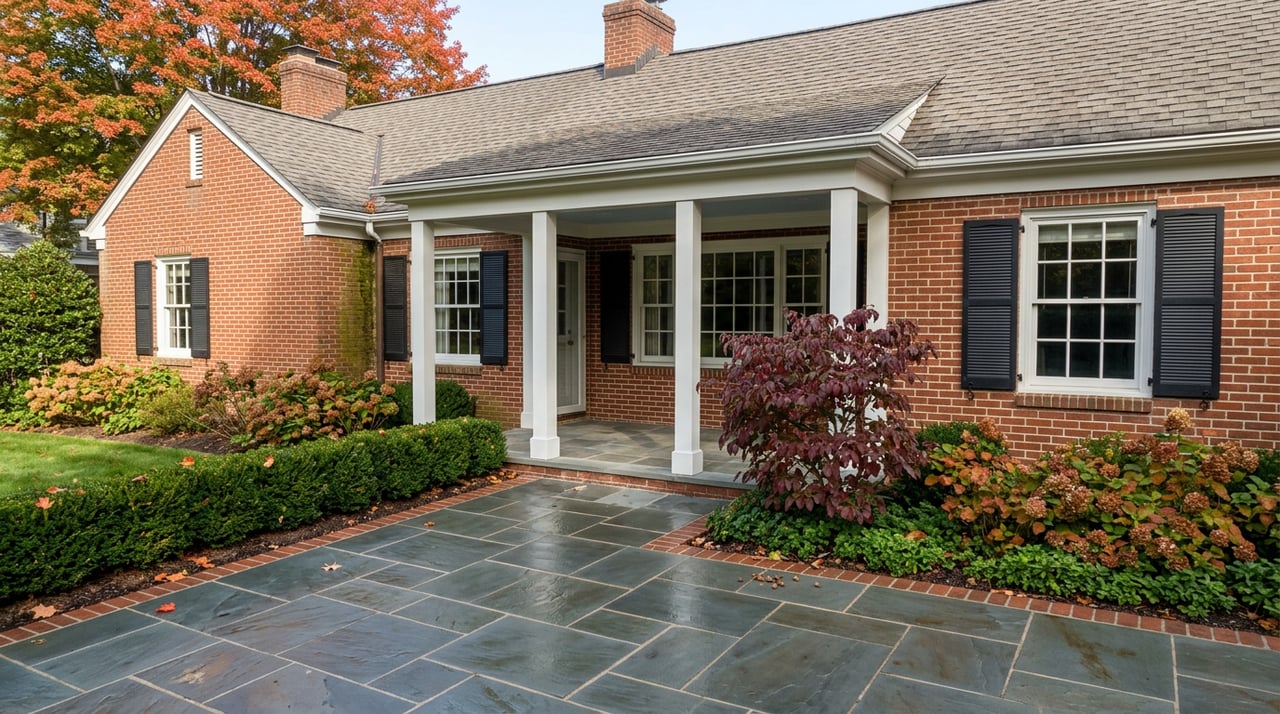
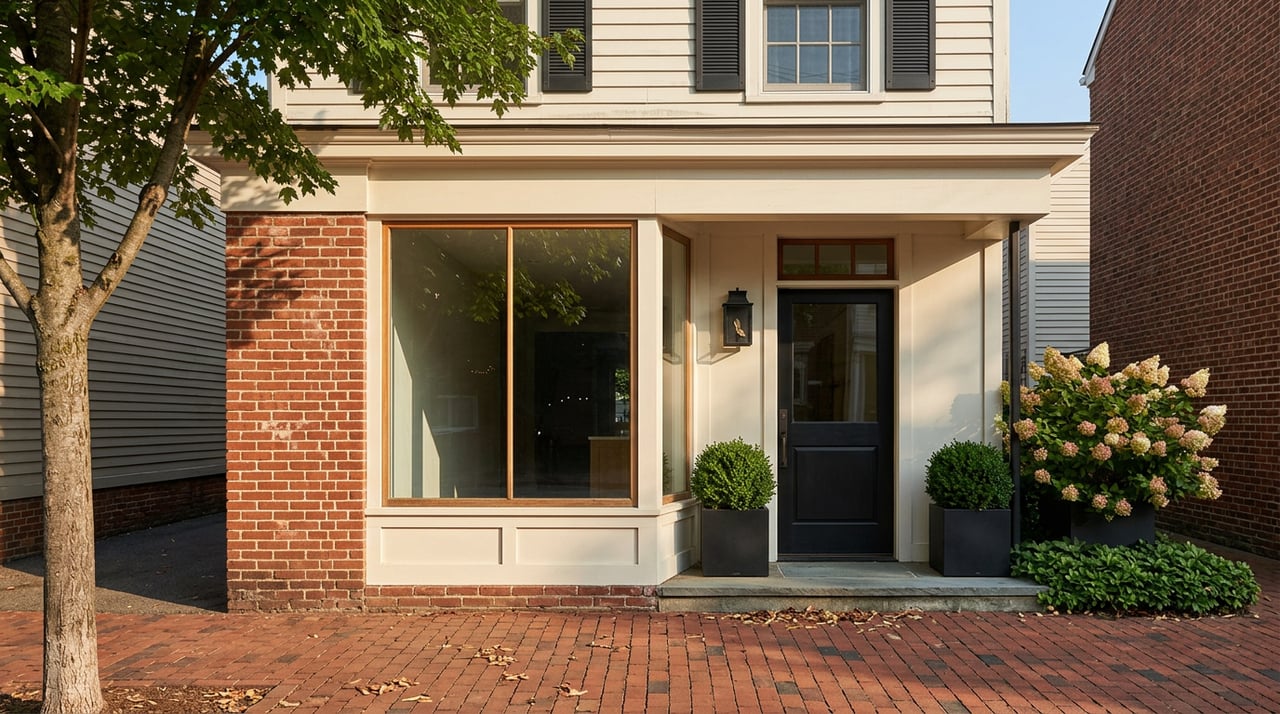
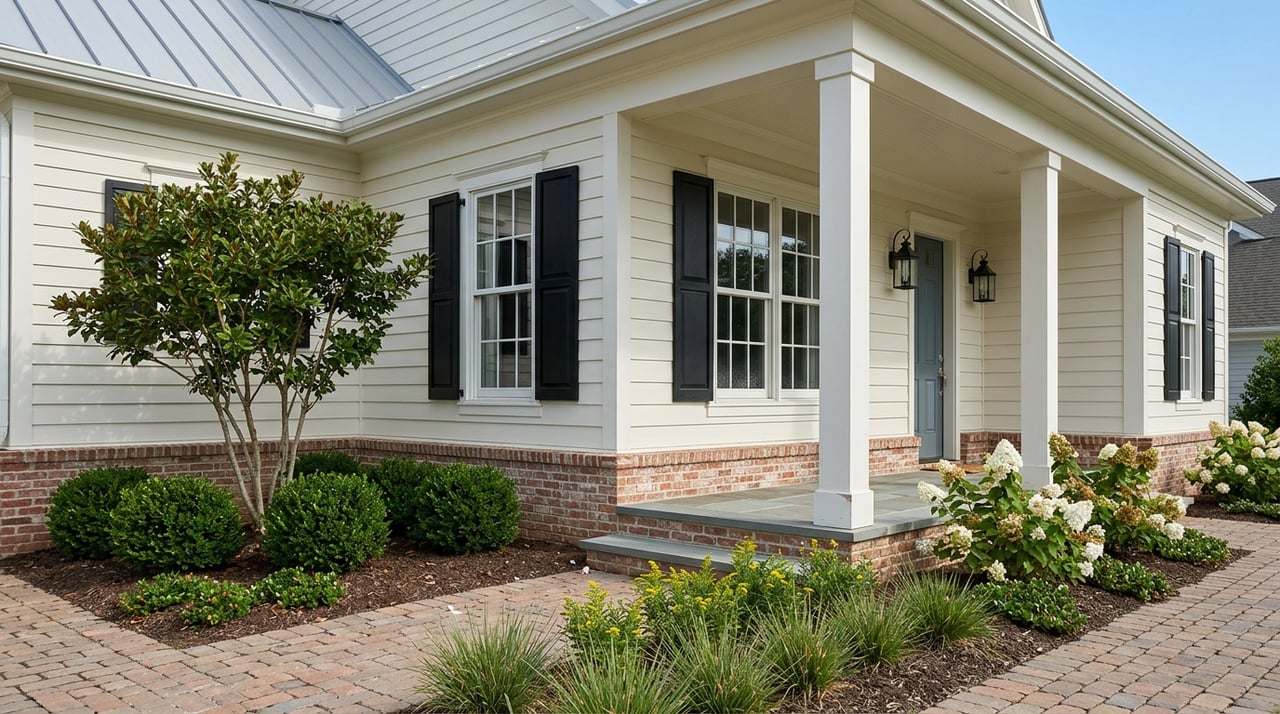
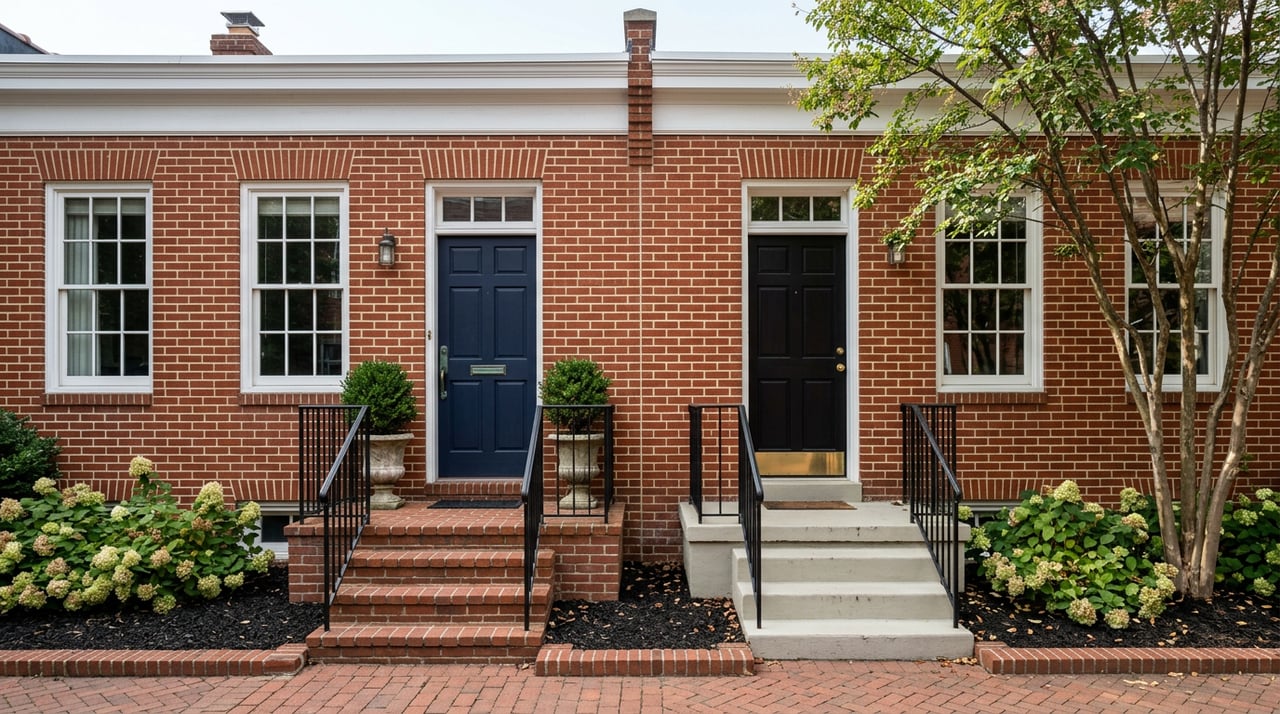
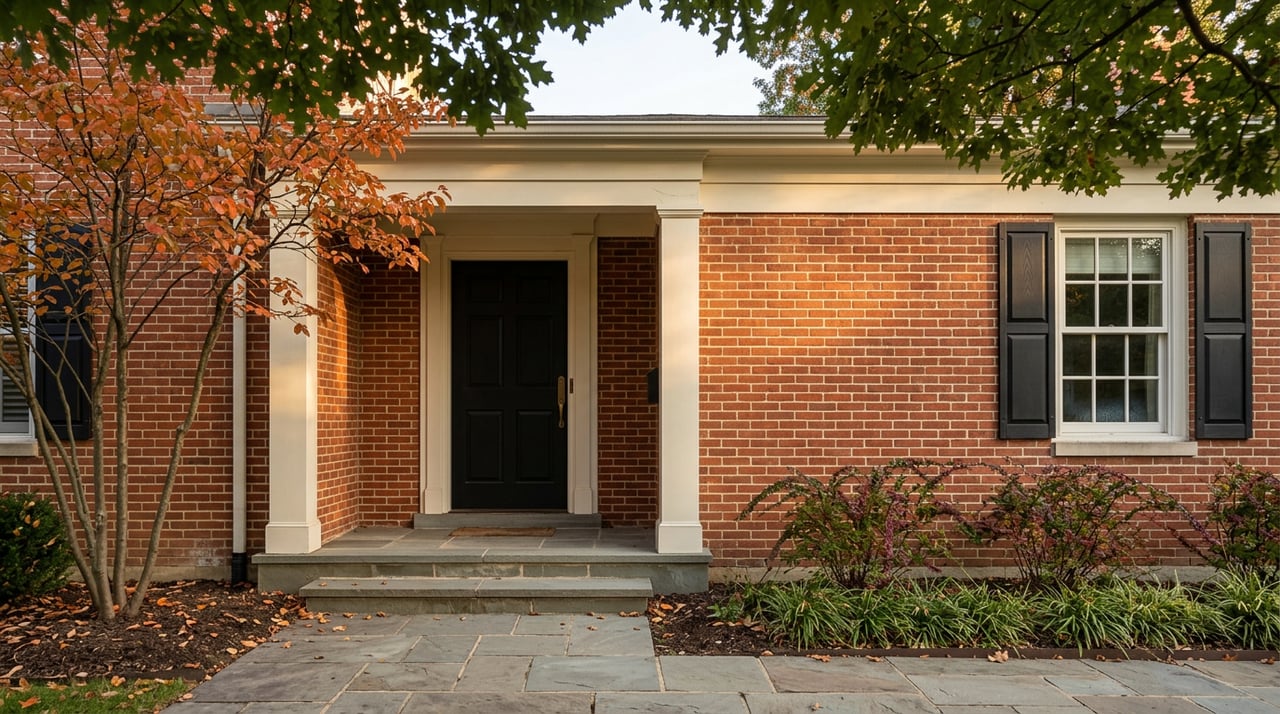
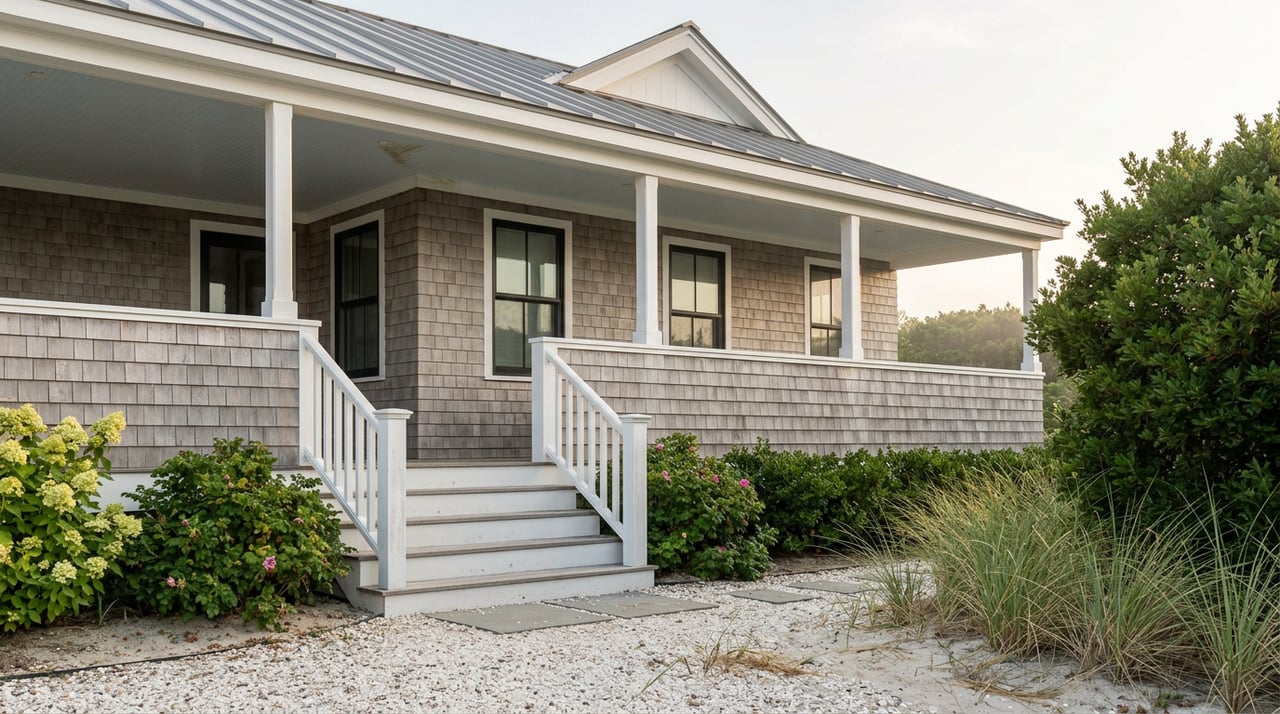
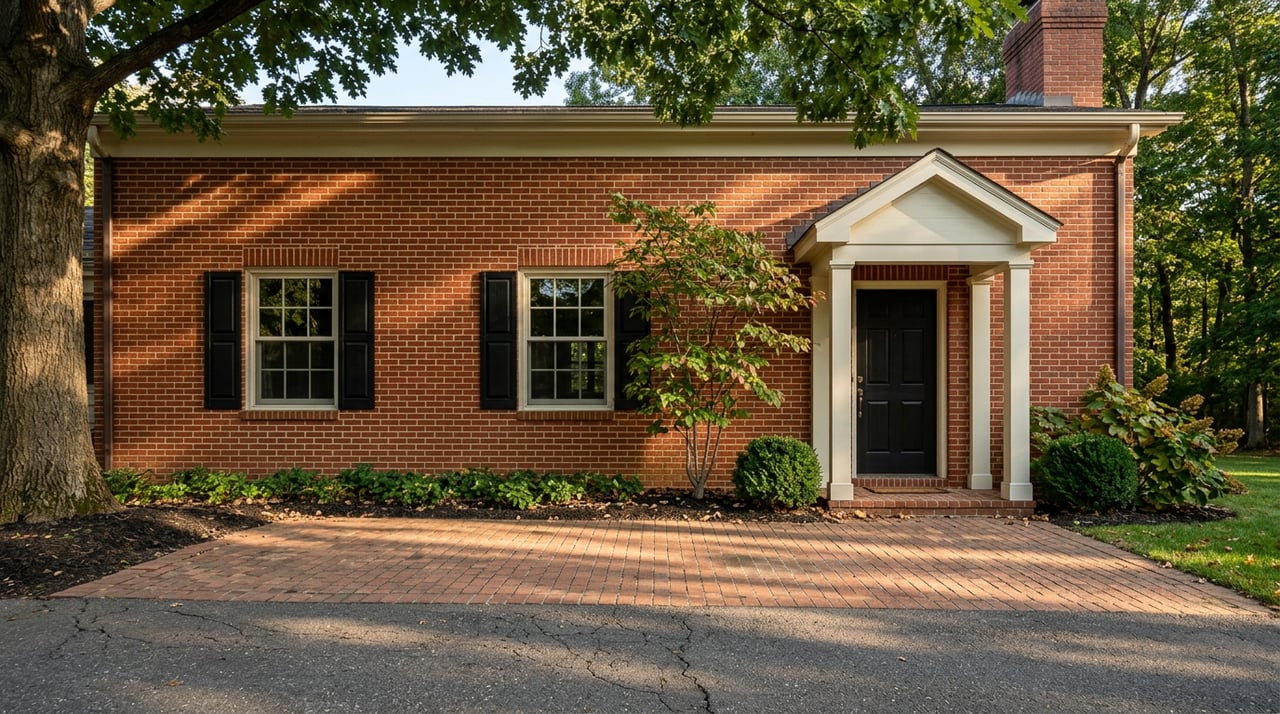
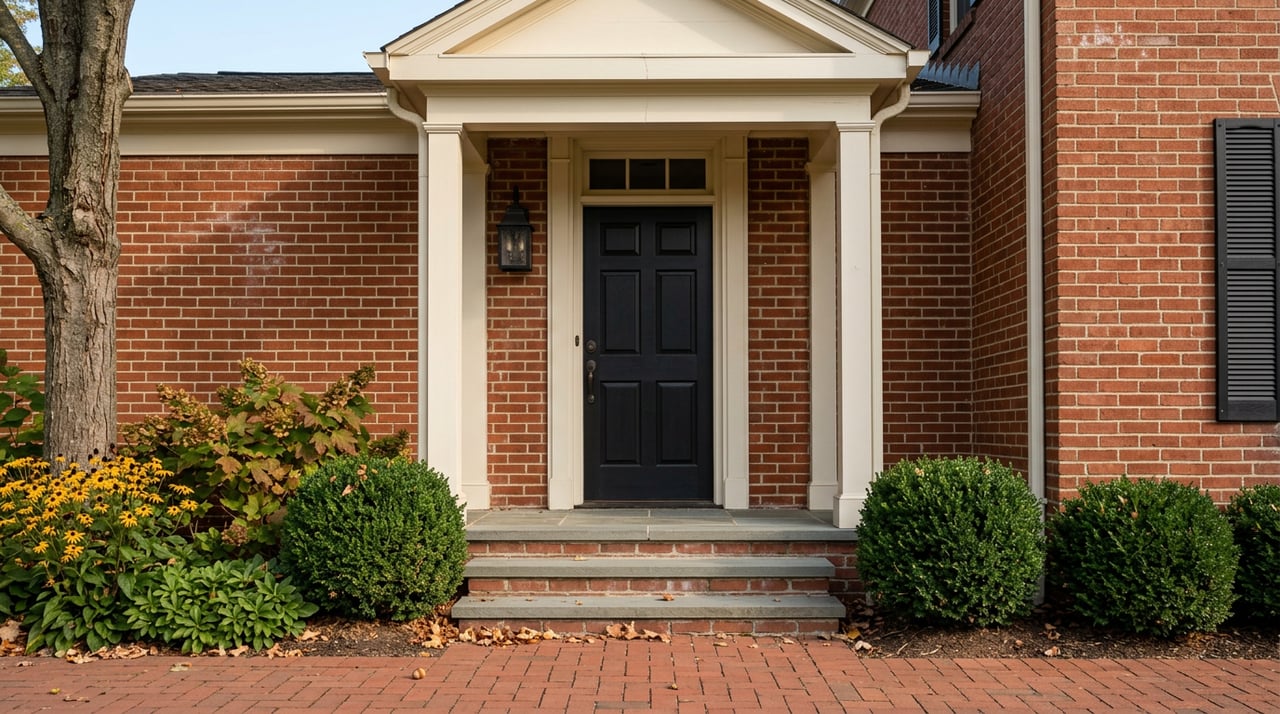
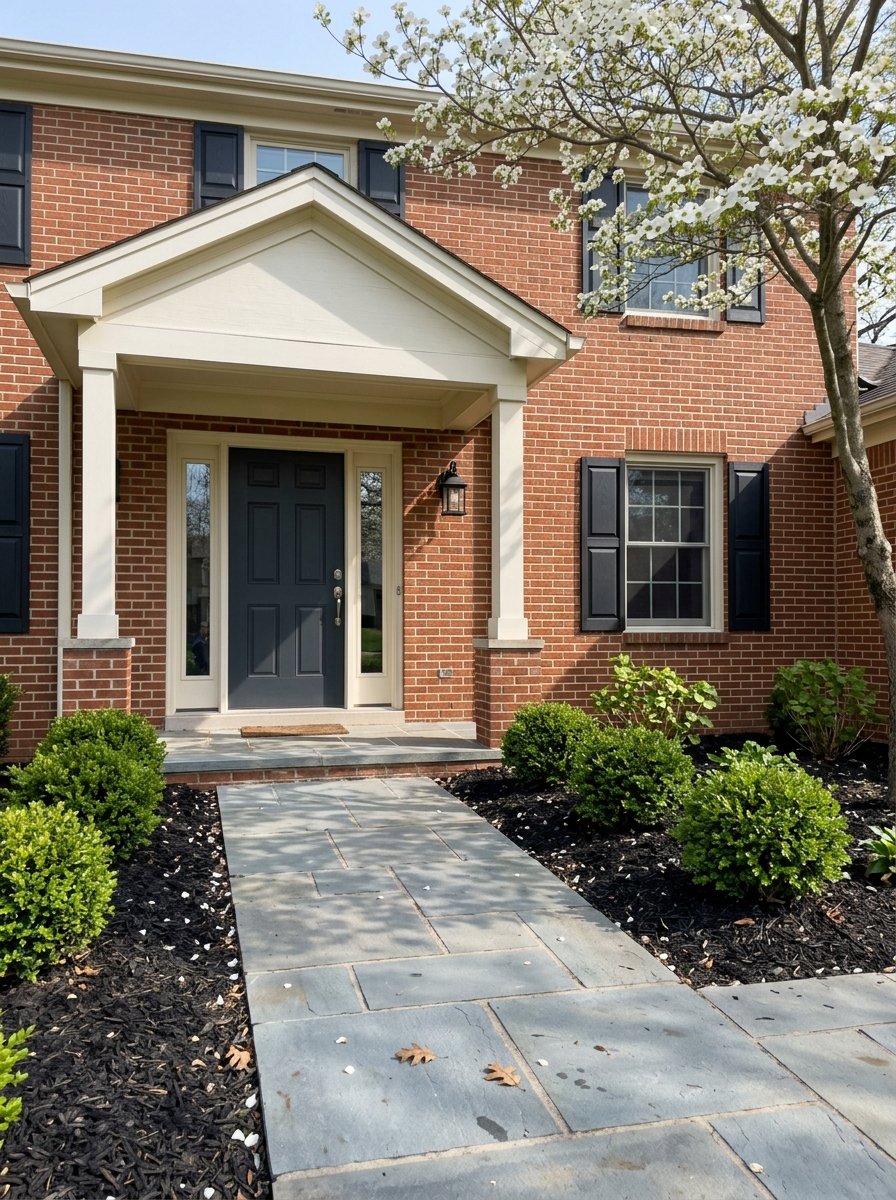
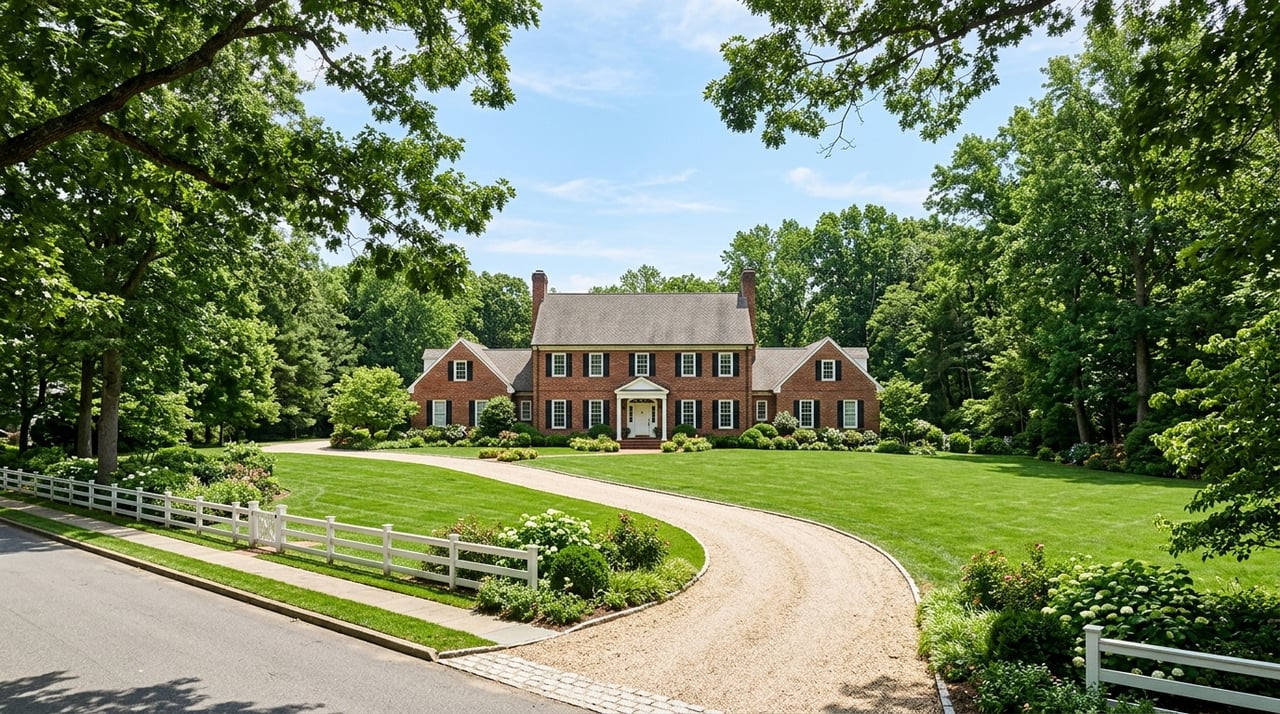
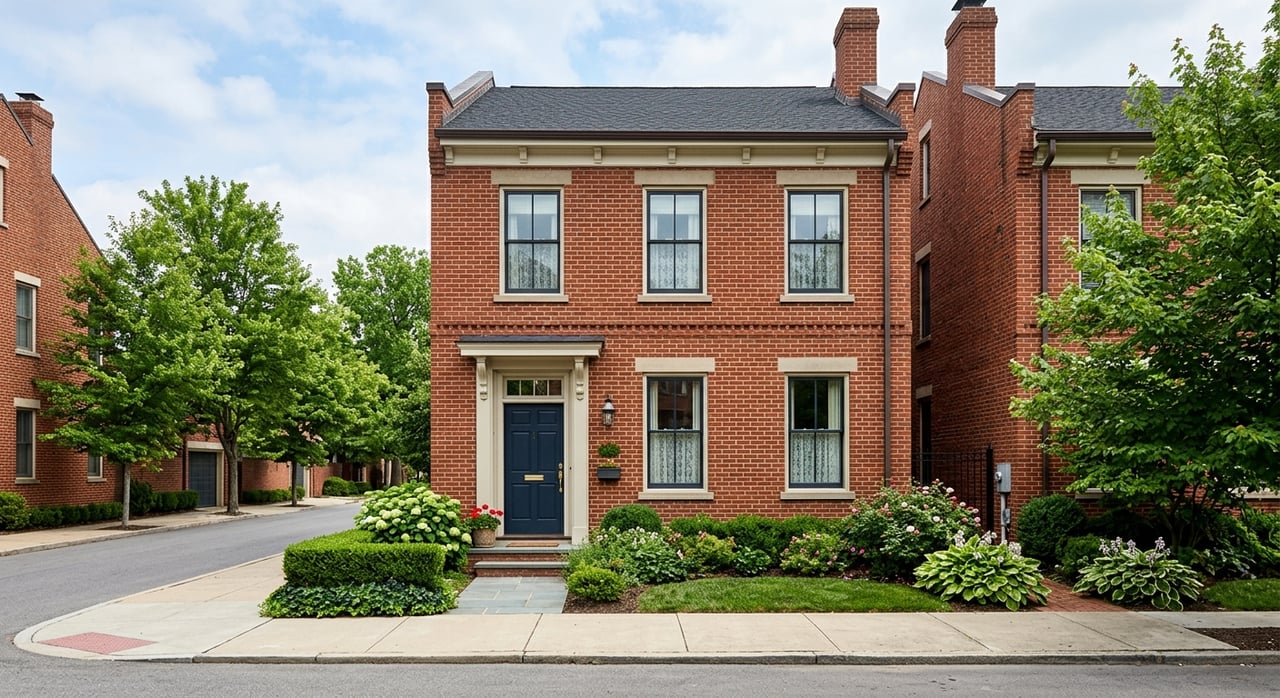
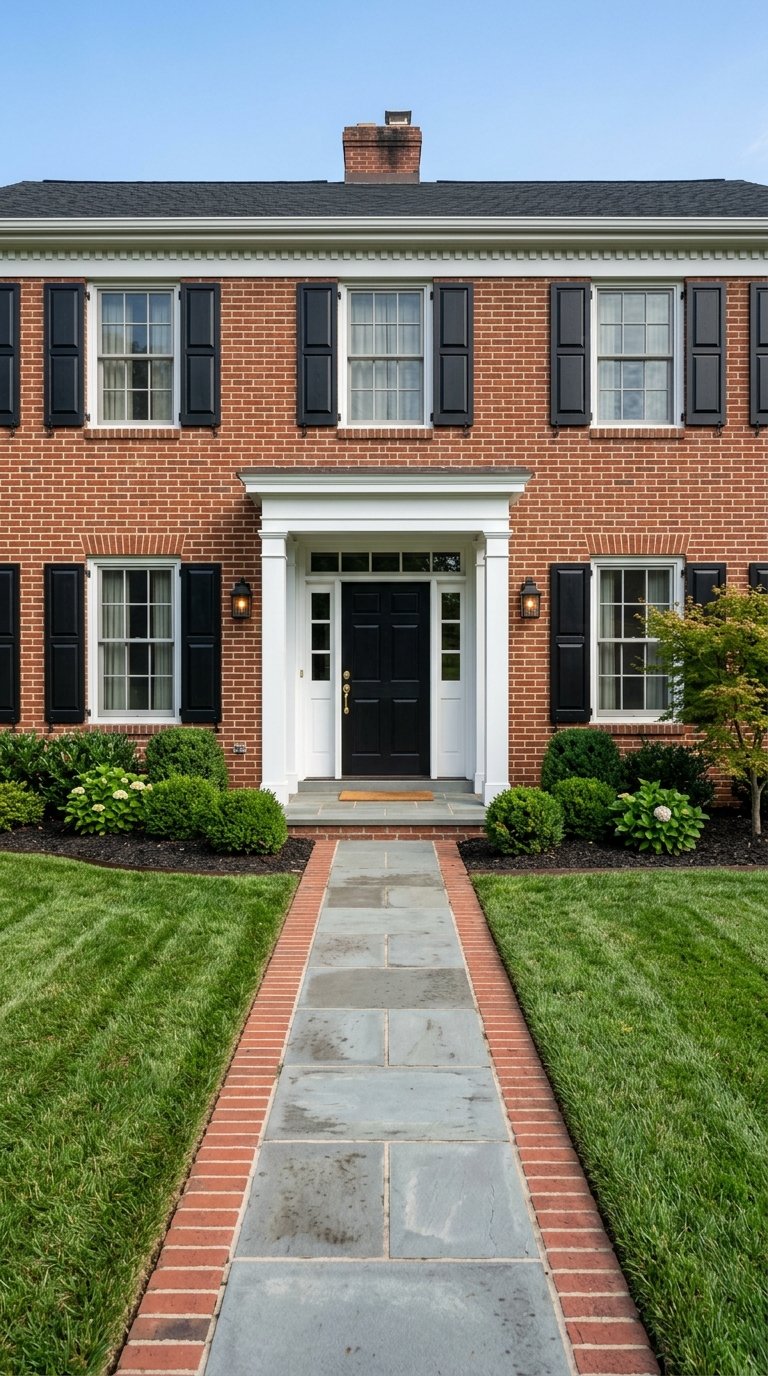
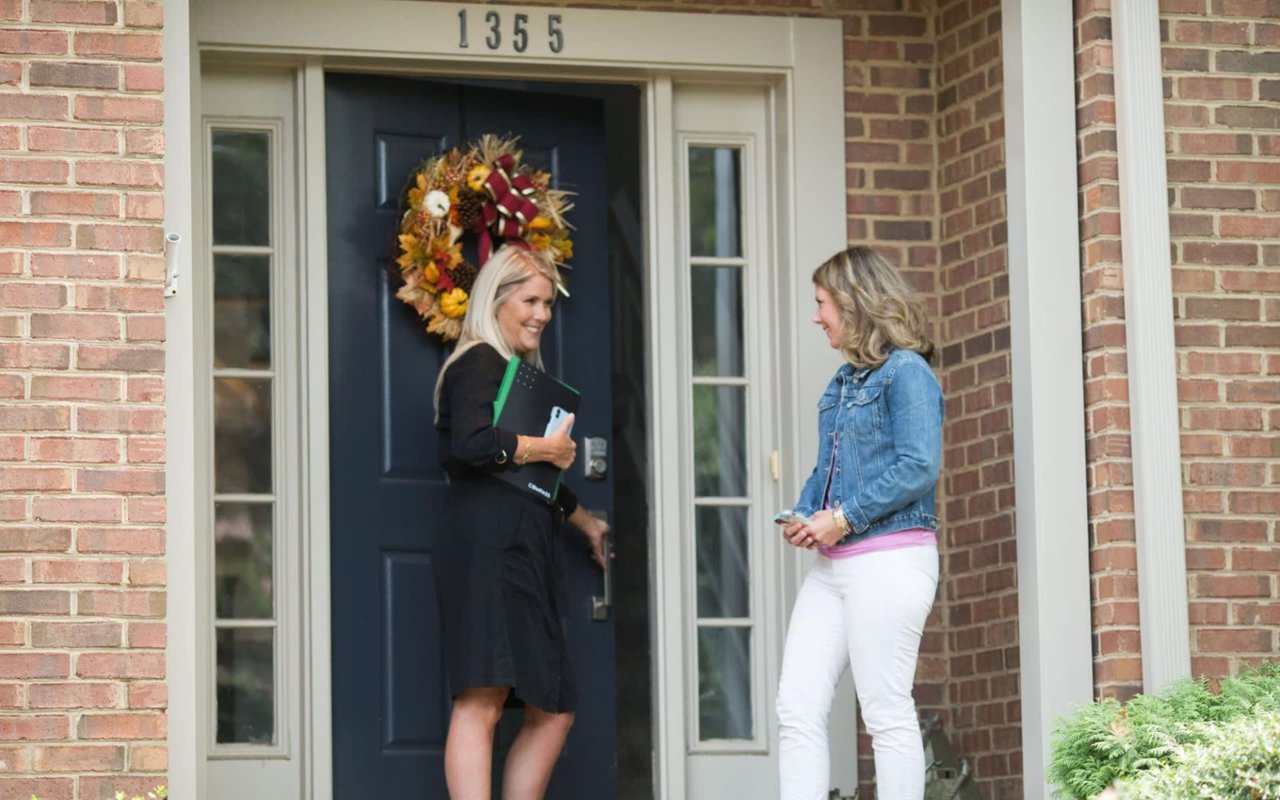
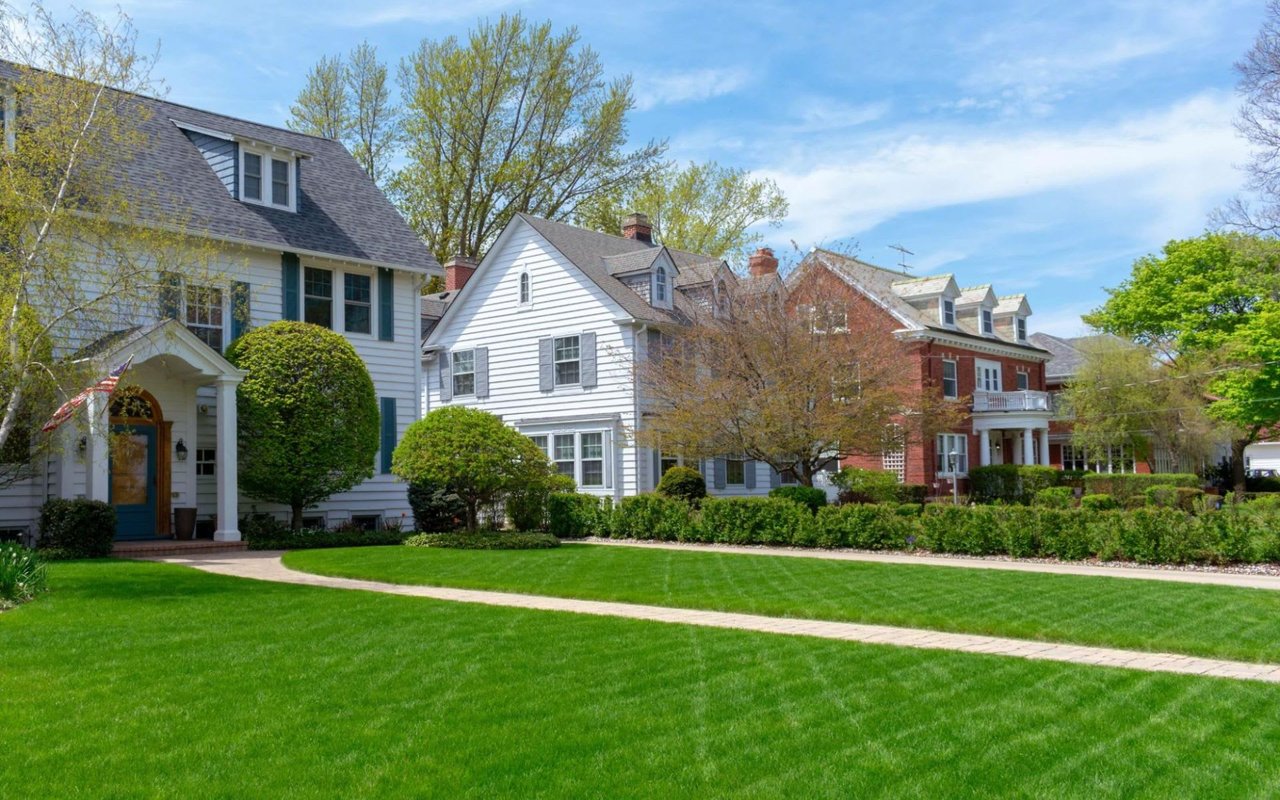
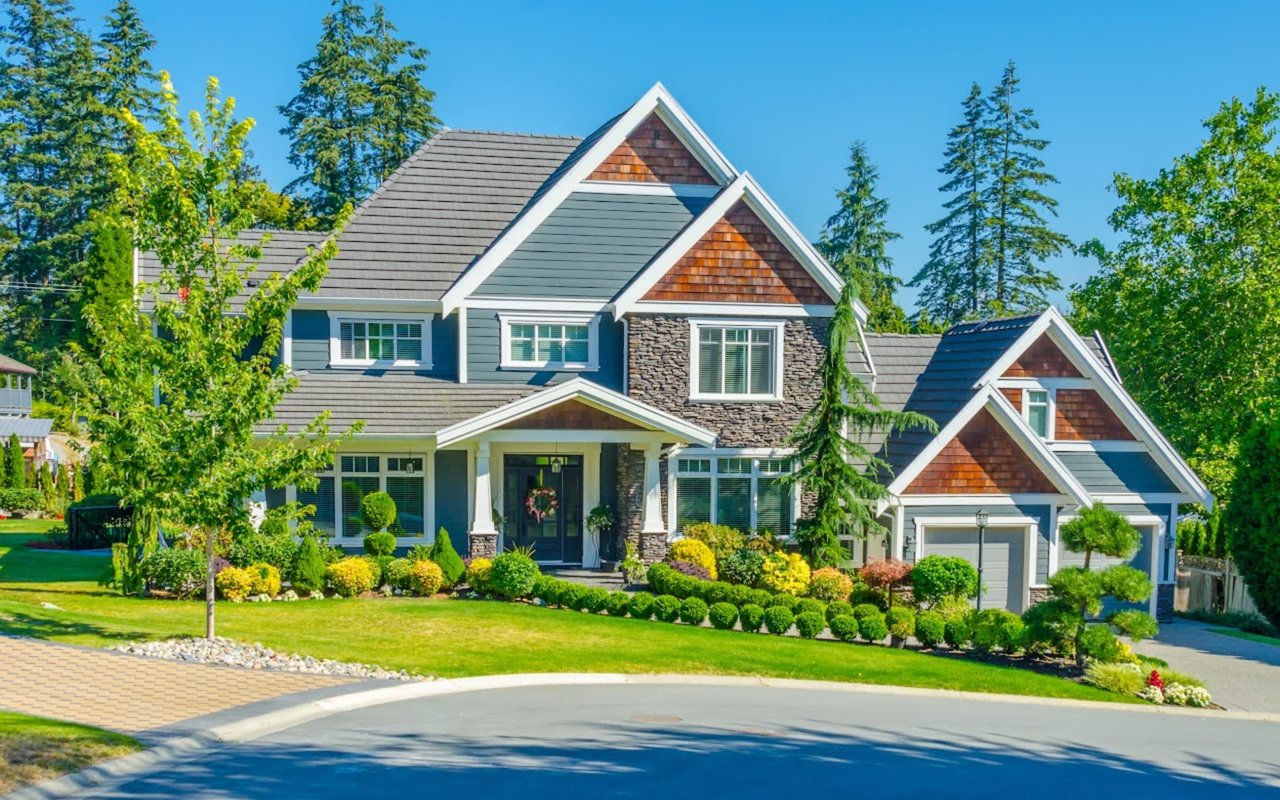
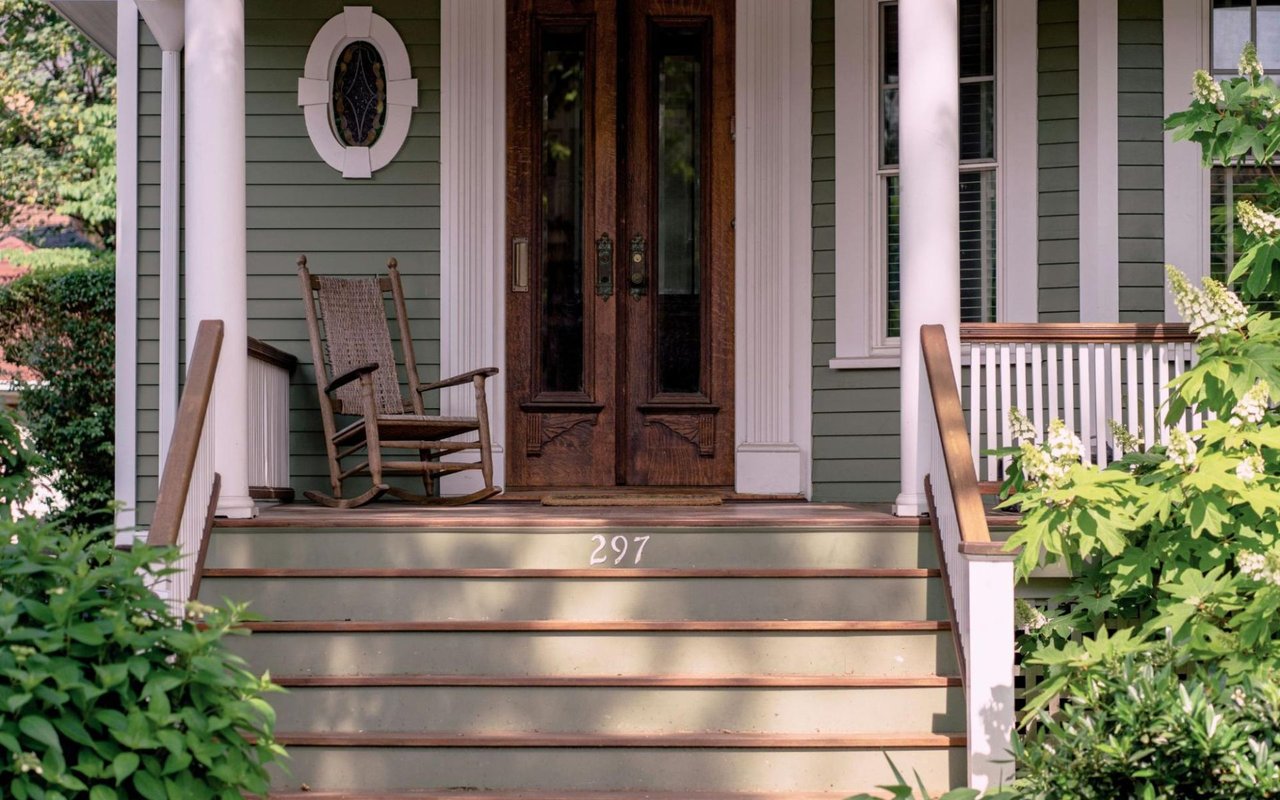
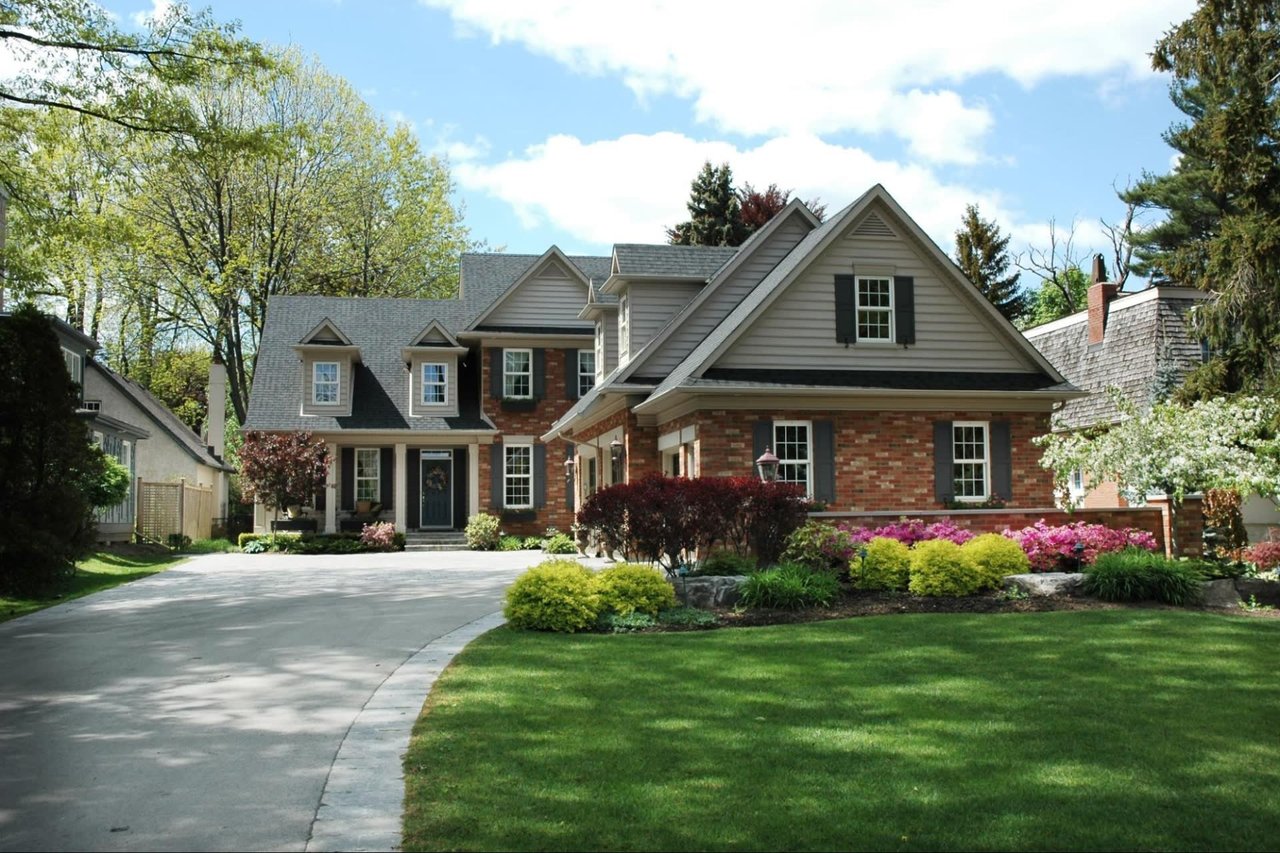
Do not overlook the approach to the home, either. A tidy, welcoming entry and a clean driveway set expectations before a buyer walks through the door. First impressions carry weight in luxury real estate, so the exterior should feel as polished and intentional as the interior. When the outside and inside speak the same design language, the entire property feels cohesive, expansive, and move-in ready.
Ways to Elevate Outdoor Areas
- Create defined zones for seating, dining, and lounging.
- Keep outdoor styling clean, with comfortable furniture and sculptural greenery.
- Refresh the entry and the driveway, so the approach feels polished.
- Match the outdoor design language to the interior for a cohesive feel.
FAQs
Does Staging a Luxury Home Really Make a Difference?
Yes. Staging helps buyers see the full potential of a space and connect with it emotionally. In the luxury market, where buyers expect a refined presentation, thoughtful staging can shorten time on market and support a stronger offer. It highlights architecture, improves flow, and makes rooms feel larger and more inviting, which directly influences how buyers value the home.
How Do I Make a Room Feel Bigger Without Renovating?
The most effective strategies require no construction at all. Maximize the natural light, edit the furniture and personal items, keep the sight lines open, and use a cohesive, light color palette. These adjustments change how a room feels almost immediately, and they let the existing space present at its best without the cost or timeline of a renovation.
What Colors Make a Home Feel More Spacious?
Light, consistent neutrals tend to work best because they reflect natural light and make the walls recede. Soft tones that carry from room to room create a sense of flow that makes the entire home feel larger. Bolder colors can be used as deliberate accents, but the overall palette should stay calm and cohesive to preserve that feeling of openness.
Present Your Home at Its Very Best
Making your luxury home feel more spacious and inviting is about doing less with intention. When you let the light lead the way, open up the flow, edit with a careful eye, and carry a cohesive design through the interior and outdoor areas, buyers experience a home that feels generous, polished, and ready to become their own. These refinements let the true quality of your property shine.
If you are thinking about selling your luxury home in McLean or the surrounding area, we would love to help you present it at its very best. At the Choose Wisely Group, we bring a thoughtful, detail-driven approach to preparing and marketing high-end properties, and we are here to guide you through every step.