For years, whether to test the septic system before listing a Great Falls home was entirely the seller's call, and plenty of sellers passed. If a buyer's agent didn't ask for it during due diligence, nobody looked underground until something backed up. That quiet arrangement changed on July 1, 2025, when Virginia's HB 2671 took effect. It didn't turn septic inspection into a flat legal requirement for every sale. What it did was reset what a passing inspection actually verifies and who is allowed to sign one, and that distinction matters more in Great Falls than almost anywhere else we work.
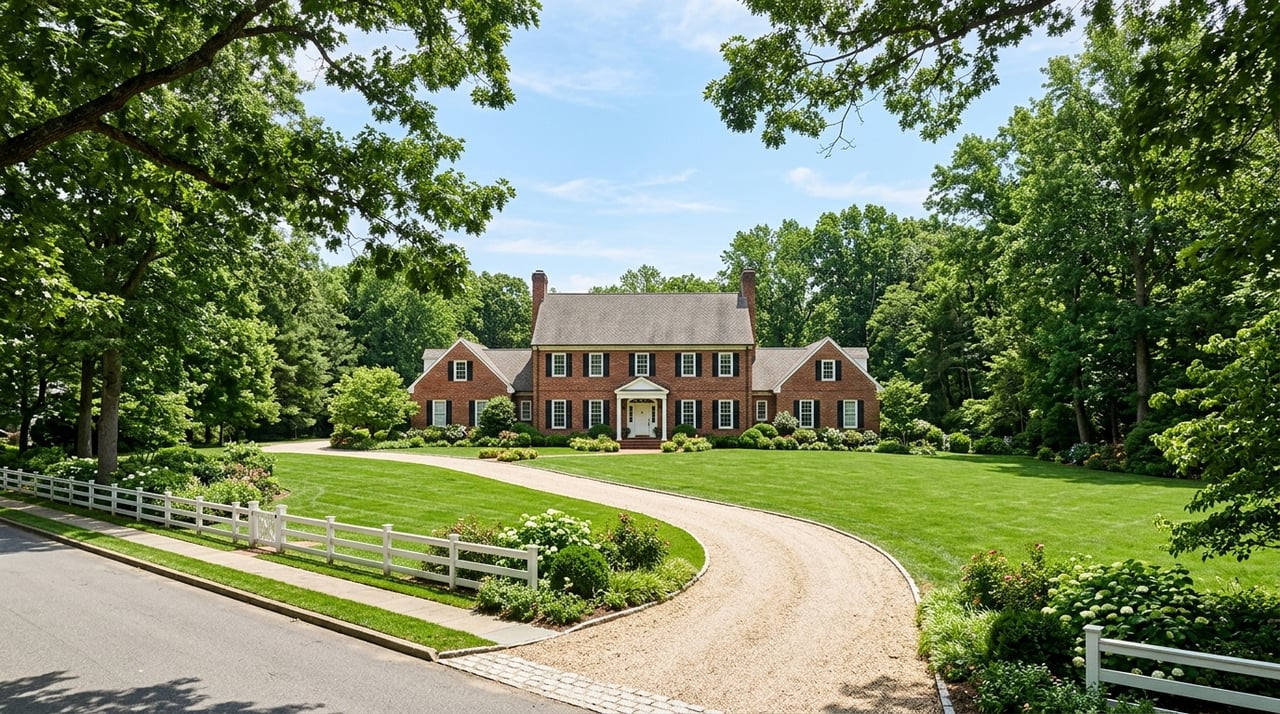
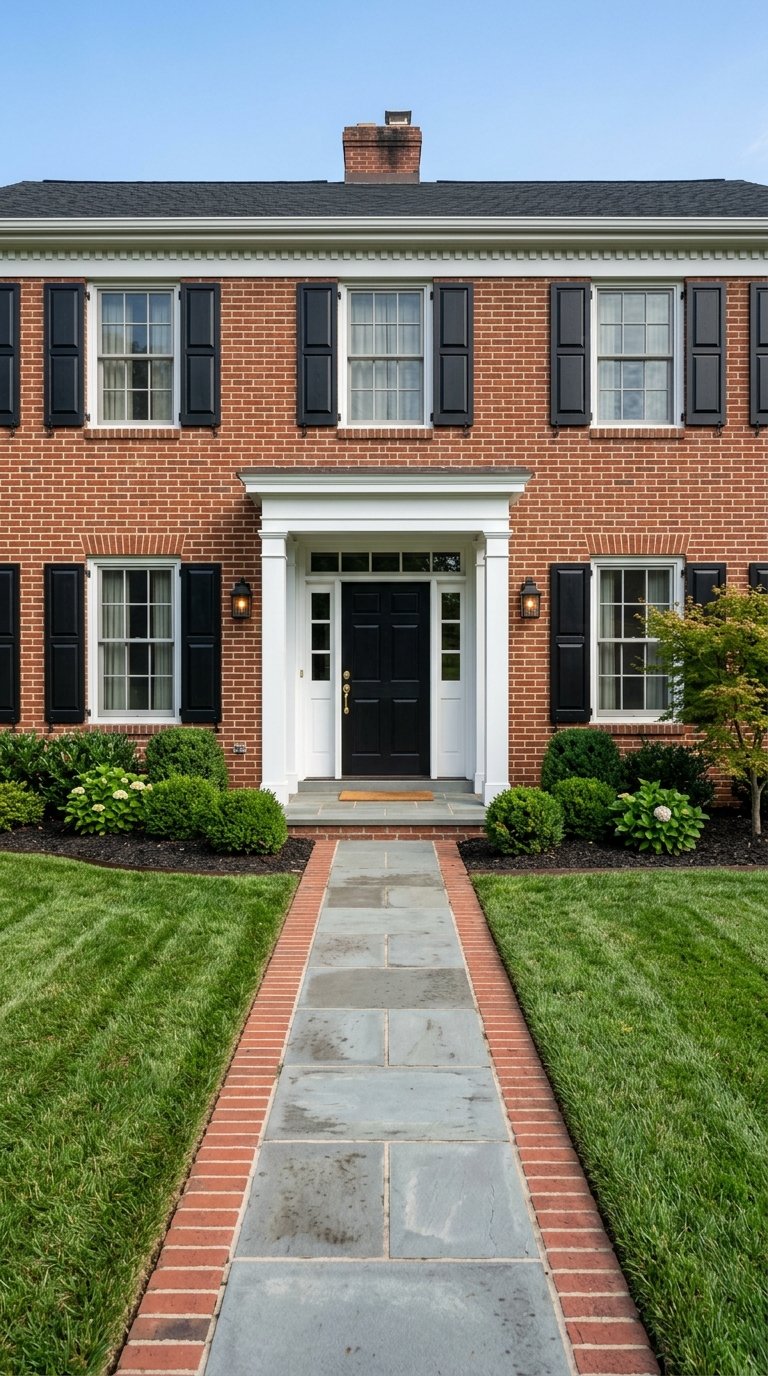
Here's why. In neighborhoods built on public water and sewer, a law like this is a footnote. In Great Falls, where county zoning holds most residential parcels to one acre or larger and public sewer lines simply don't run to many streets, the septic system isn't a feature of some listings. It's the plumbing behind most of them. A regulatory shift aimed at septic transactions statewide lands here as a first-order variable in nearly every sale.
What HB 2671 Actually Changed
Virginia's septic rules run through the Department of Health under regulation 12VAC5-610, and HB 2671 built on that framework starting July 1, 2025. It created a voluntary, VDH-approved inspection and certification pathway, so a homeowner can request an inspection that verifies the system meets current standards, and a passing result becomes documentation a seller can point to rather than a verbal assurance. It also moved licensing for septic inspectors and soil evaluators under the Department of Professional and Occupational Regulation, which means anyone performing one of these inspections now has to carry a DPOR credential you can verify before they set foot on your property.
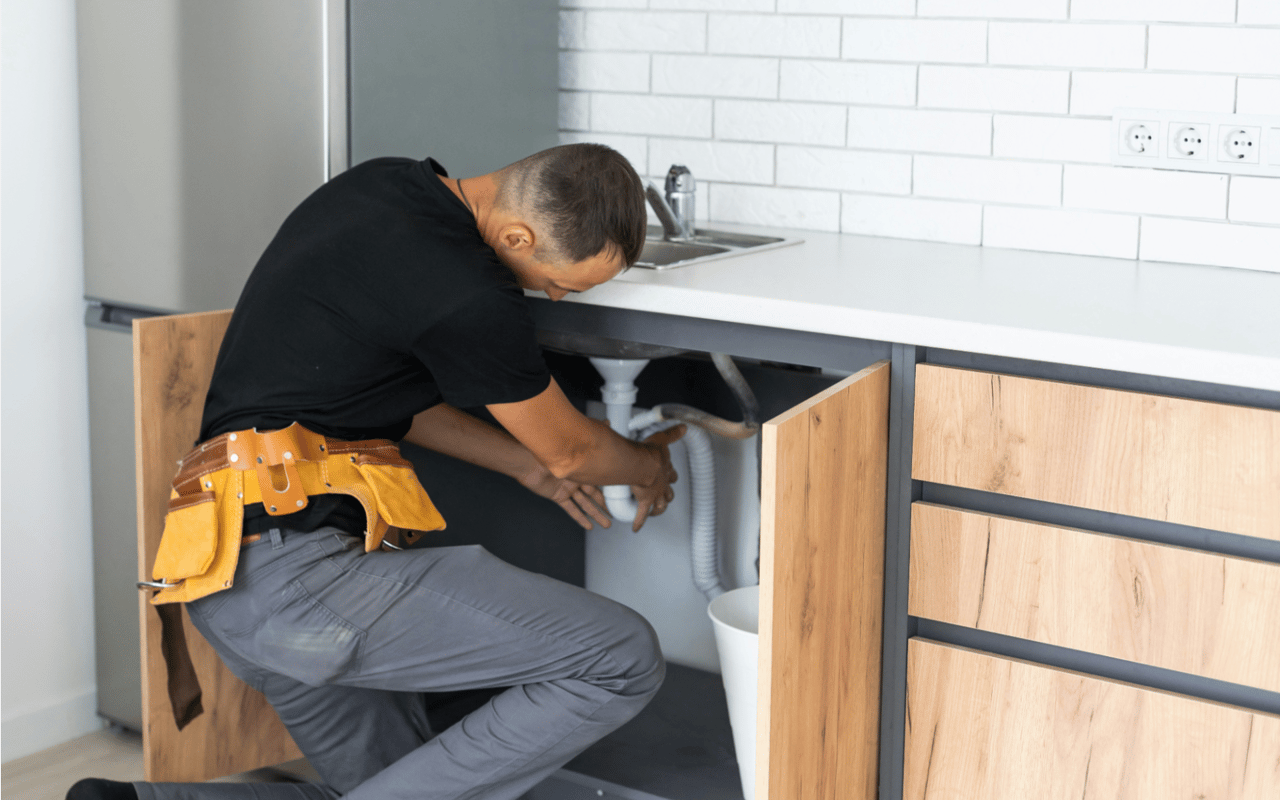
The inspection itself covers three things: tank condition, baffle integrity, and drainfield performance, and it typically runs $300 to $500 depending on system type. None of this forces every seller in Virginia to test before closing. What it does is give buyers, lenders, and agents a documented standard to expect, which means a seller who skips it is no longer just skipping a formality. They're skipping the thing everyone downstream of them now knows to look for.
The Cost Math Behind the Timing Decision
The reason to move first on this isn't philosophical. It's arithmetic.
| Scenario | Typical Cost | When It Happens |
|---|---|---|
| Pre-list DPOR inspection | $300–$500 | On your schedule, before the home is under contract |
| Failed system found during a buyer's due diligence | $10,000–$20,000 in last-minute negotiations | During the contract's inspection window, under a clock |
A few hundred dollars spent early buys you the option to fix something quietly or price around it. The same discovery made during a buyer's ten-day window turns into a negotiation you're conducting from a weaker seat, with a closing date already on the calendar and a buyer who now has leverage they didn't have a week earlier.
A Market With Less Room for a Mid-Contract Surprise
That timing math matters regardless of which way a given season leans. Great Falls trades in a lower-inventory, single-family luxury segment where estates move on their own schedule rather than the compressed, multiple-offer timelines you see in denser submarkets closer to the Beltway. A stalled septic negotiation that a fast, thin-inventory window might absorb without much damage becomes a harder cost to hide when a transaction is already taking its time to firm up, and estate-level closings in Great Falls routinely do.
A septic inspection contract that never mentions pumping is, by definition, a partial inspection wearing a full report's clothing.
Sit with that before you hire anyone. A tank has to be pumped to properly assess the inlet and outlet baffles and the distribution box. If your contract with the inspector doesn't specifically include pumping, you may walk away with a report that only tells half the story, and you won't know which half until a buyer's inspector finds the rest.
The Second Thing That Isn't on the Listing Sheet: Who Owns the Driveway
Septic isn't the only Great Falls-specific detail that tends to surface late in a transaction. Many estate properties here sit at the end of long private driveways or shared access roads, and along corridors like Georgetown Pike, Walker Road, Springvale Road, Arnon Chapel Road, Leigh Mill Road, and Seneca Road, those extended access drives and pipe stems are common enough to be part of the area's character.
The county has been direct about who's responsible when one of these needs work: Fairfax County confirms that private roads are maintained by the HOA, civic association, business, or residents responsible for them, not VDOT and not the county. If your home sits on a shared access road, you should know now, not during a buyer's title review, whether there's a recorded maintenance agreement, who else is party to it, and whether the pavement itself needs attention before you start scheduling showings.
Some parcels here also carry recorded conservation easements that restrict future clearing or building, often held in partnership with local land trusts. These run with the land and bind future owners, so a buyer's attorney will find them during title work regardless of whether you mention them first. Great Falls remains an unincorporated community, represented instead by the Great Falls Citizens Association and the county's Dranesville District supervisor, which means there's no town hall to call for a definitive answer on a given parcel. County records and your own file are the source of truth.
A Pre-List Sequence That Fits the Way Great Falls Actually Sells
Work through this in order before your home goes live, rather than reacting to it after an offer arrives.
- Pull your septic permit and system type from the county health department record, along with pump-out history if you have it
- Schedule a DPOR-licensed inspection and confirm in writing whether pumping is included in the scope, not assumed
- Verify your inspector's license through DPOR's public lookup before the appointment, not after
- If your system is an alternative or aerobic unit, confirm your annual inspection is current, since these carry separate compliance requirements
- Identify whether your driveway or access road is private, and locate any recorded maintenance agreement tied to it
- Check title and county records for conservation easements or overlays that could affect future building plans a buyer might ask about
Every one of these is a fact a buyer's team will eventually find. The only question is whether they find it on your terms, before you list, or on theirs, after you're under contract.
A Few Questions We Hear Often
Does HB 2671 apply if my septic system has never given me any trouble? The law doesn't exempt systems with a clean history. Age and lack of complaints aren't the same as a documented passing inspection, and buyers increasingly know the difference.
My Great Falls home is on public sewer. Does any of this matter to me? HB 2671 is specific to septic systems, so if you're fully connected to public sewer, it doesn't apply. Double-check your actual utility status rather than assume it, since some streets in Great Falls carry a mix of public water with private septic, and the two aren't the same thing.
Who do I call if I think my private road needs repair before I list? Not the county and not VDOT. Start with your HOA or civic association if one exists, or with whoever holds the recorded maintenance agreement for that stretch of road. If you're not sure who that is, county records and a title search will usually settle it.
Preparation is the whole model at Choose Wisely Group. Septic documentation and private road agreements are exactly the kind of detail that belongs in a pre-list runway rather than a mid-contract scramble, and coordinating both is part of how we get Great Falls homes ready to show their best side from day one. If you're weighing a listing timeline for later this year, let's connect and build the sequence that fits your property.