By Choose Wisely Group
Daylight shifts more across a Virginia year than most homeowners expect, stretching long into a June evening and disappearing well before dinner by December. Alexandria's Federal-style windows and Richmond's Fan District bay windows were both built to pull in as much of that light as possible, long before anyone worried about an electric bill.
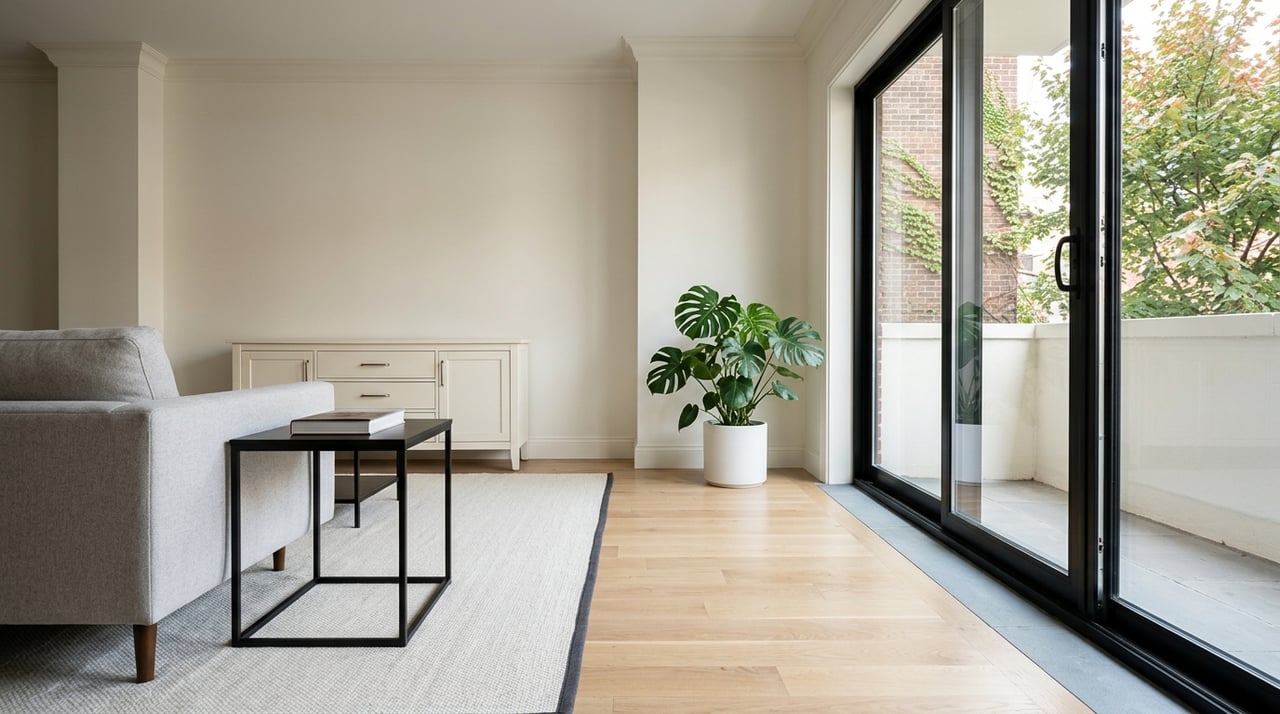
We walk into rooms almost every week where the furniture layout blocks the one window doing most of the work.
Key Takeaways
- Natural light first: Shapes where furniture and fixtures should go before anything else.
- Layered fixtures: Cover a room better than one central light ever can alone.
- Dimmable controls: Adjust a room's mood across a single evening.
- Fixture placement: Near a task, not just the ceiling's center, makes the biggest difference.
Work With the Light Virginia's Seasons Already Give You
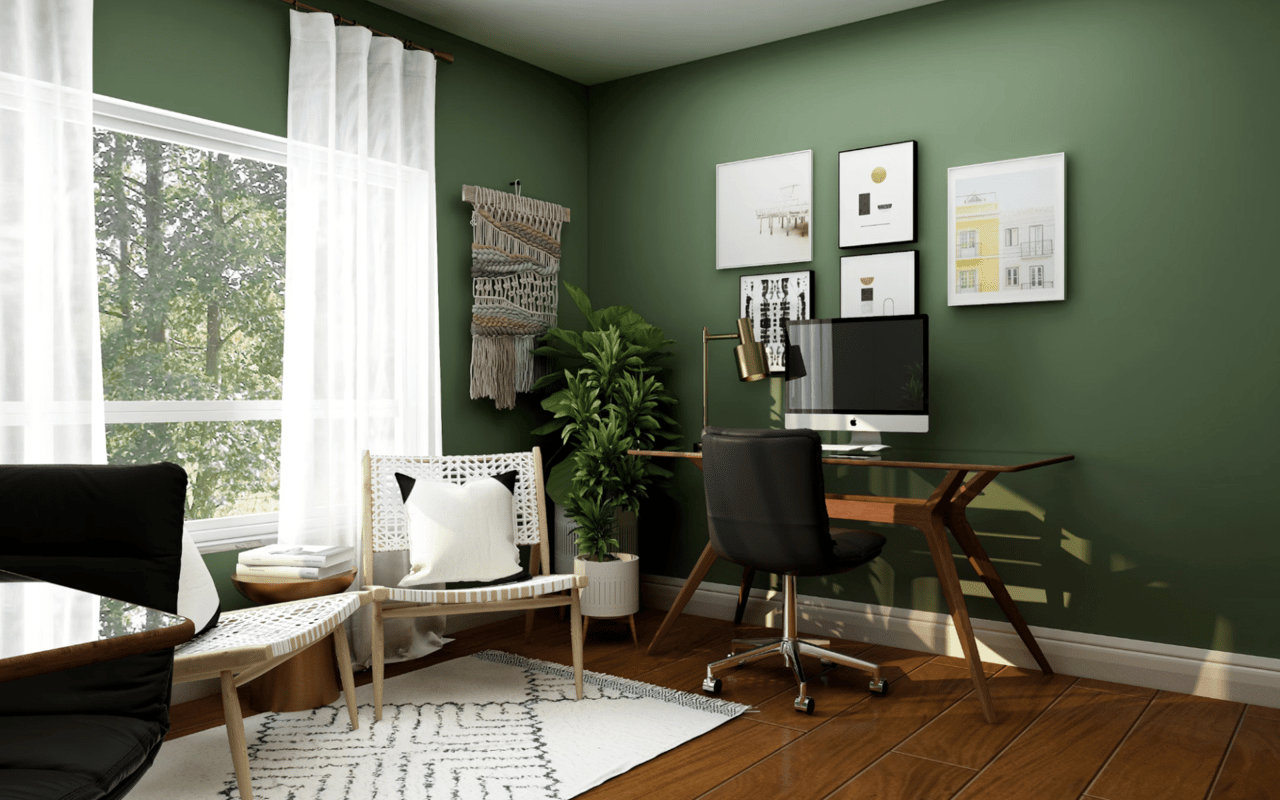
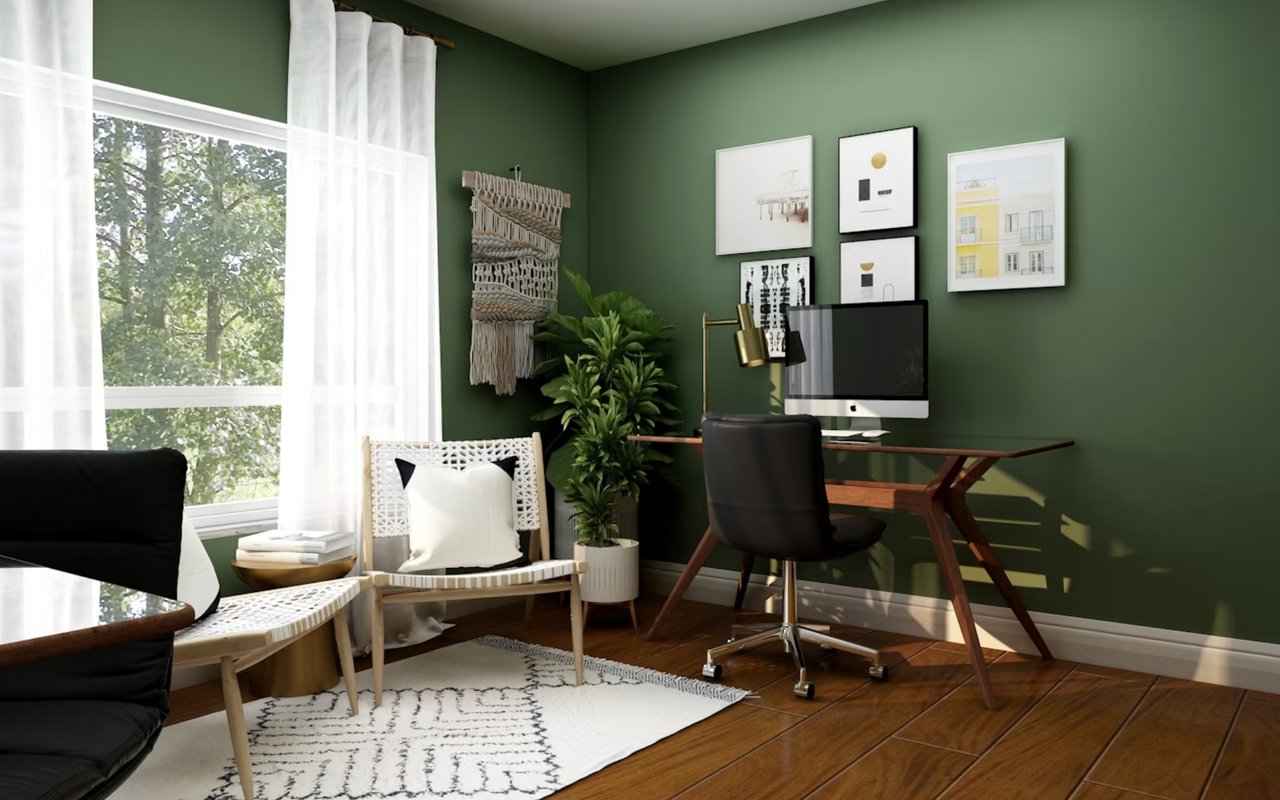
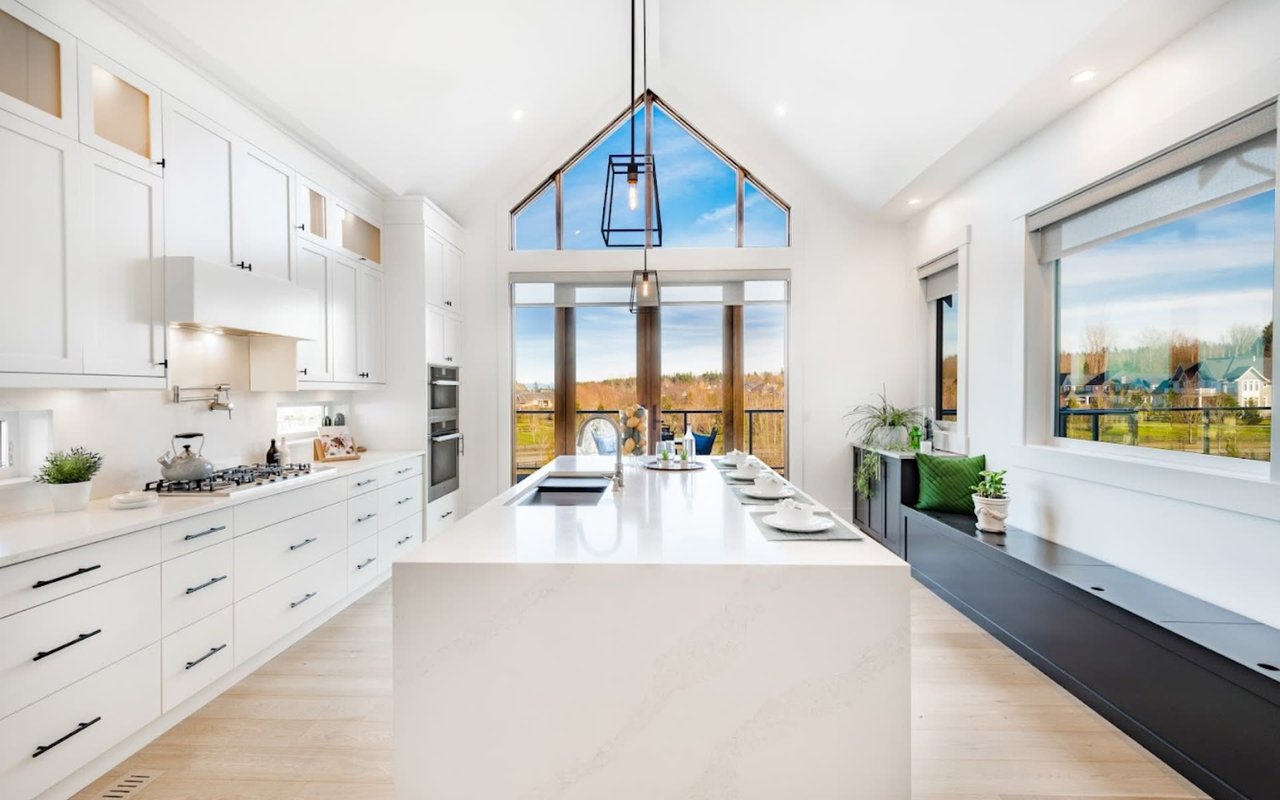
A south-facing room in Richmond holds onto usable daylight later into the afternoon than a north-facing room ever will, especially once fall arrives. A furniture layout built around that pattern needs far less artificial light during the day than one fighting against it.
Ways to Read a Room's Natural Light
- Window orientation: Determines how much usable daylight a room gets through each season.
- Seasonal shift tracking: Helps a household plan which lamps matter most once shorter days arrive.
- Reflective surfaces: Like mirrors bounce existing daylight deeper into a room.
A room mapped for its natural light first usually needs fewer fixtures overall. Fewer fixtures used well tend to look more considered than a room lit from every possible angle at once.
Make the Most of Tall Windows in Older Homes
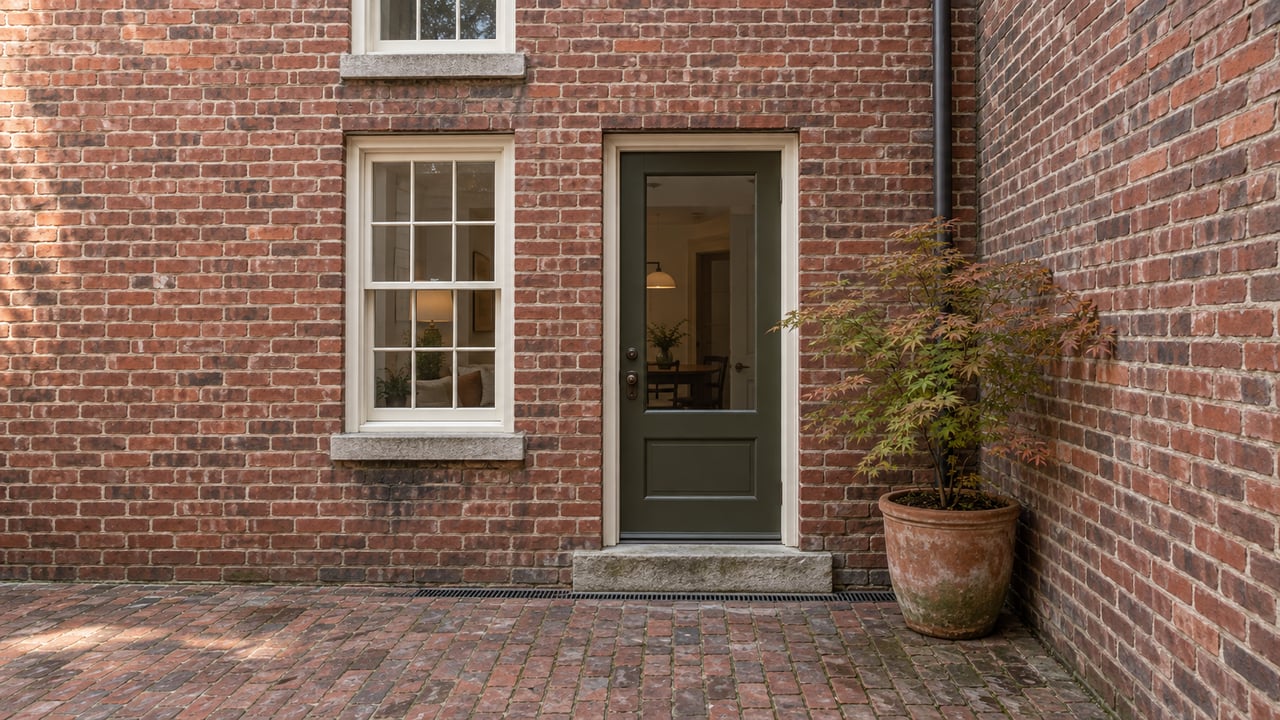
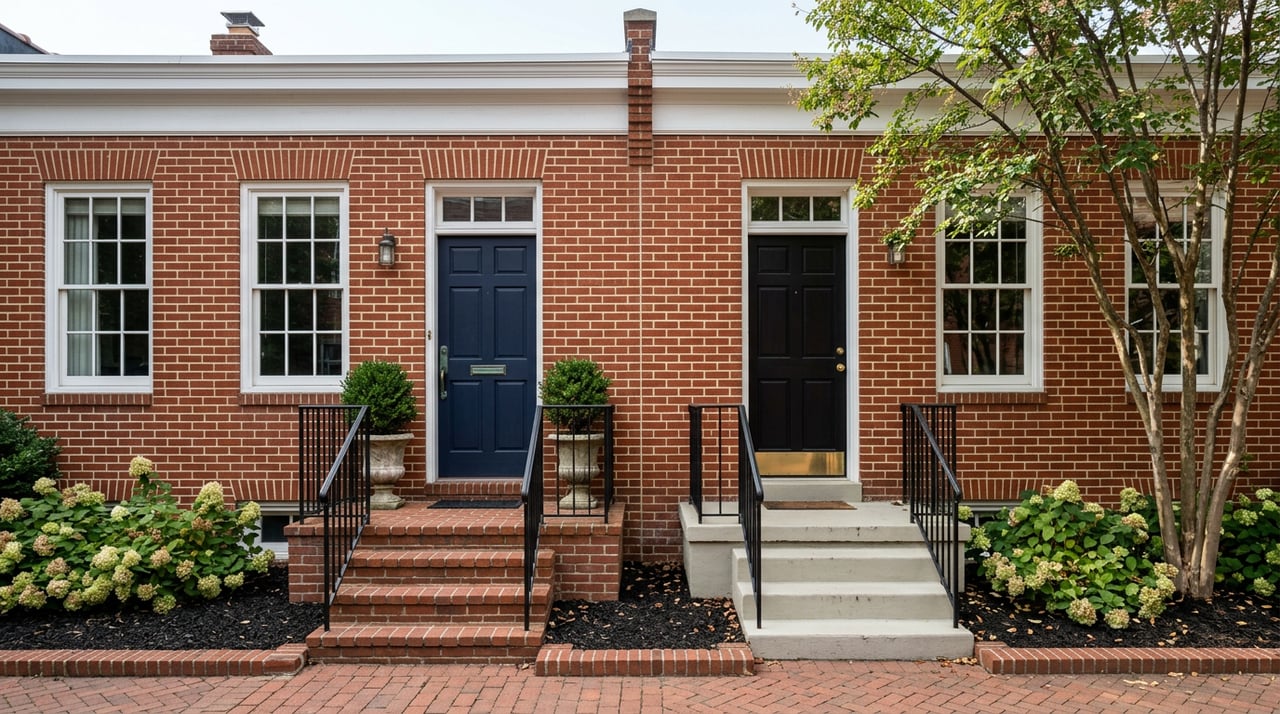
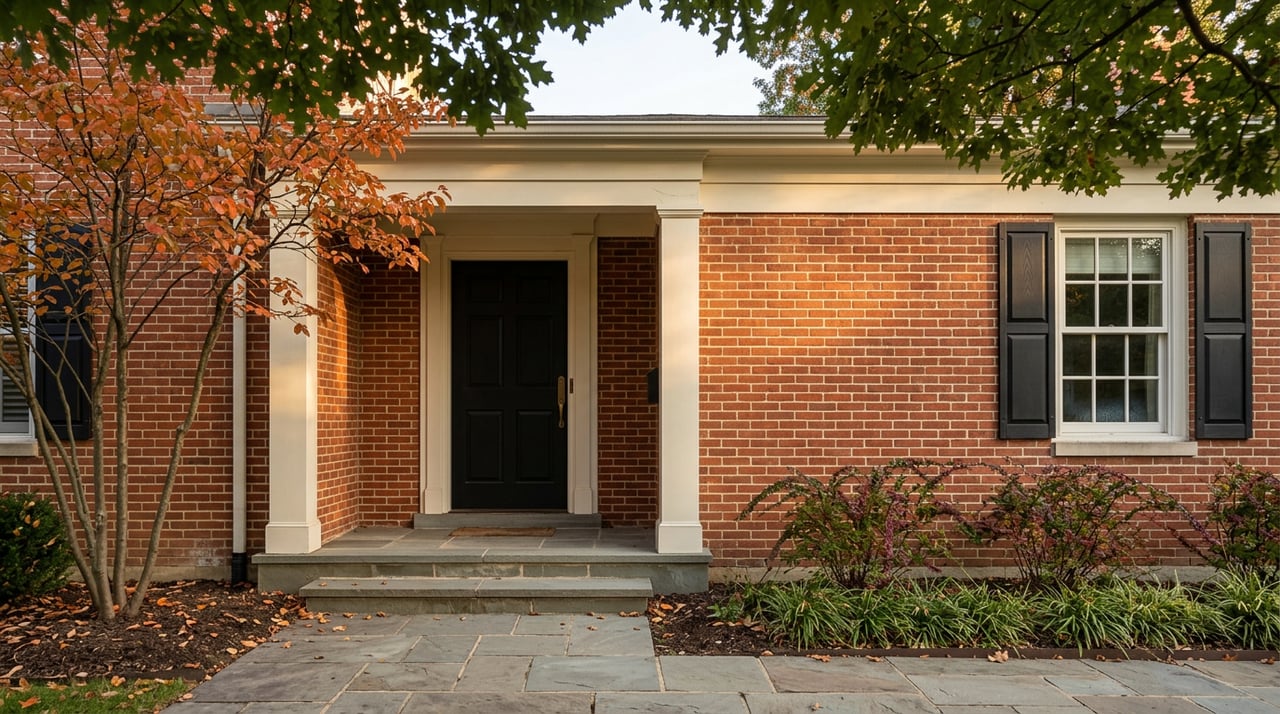
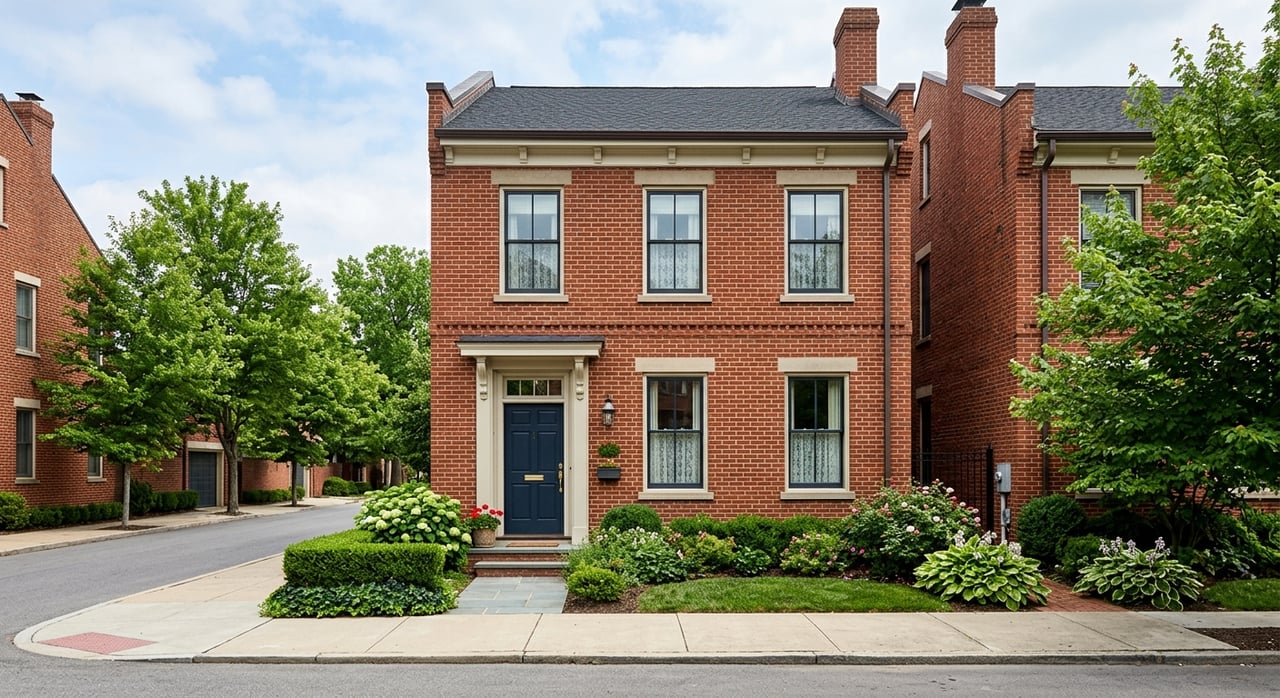
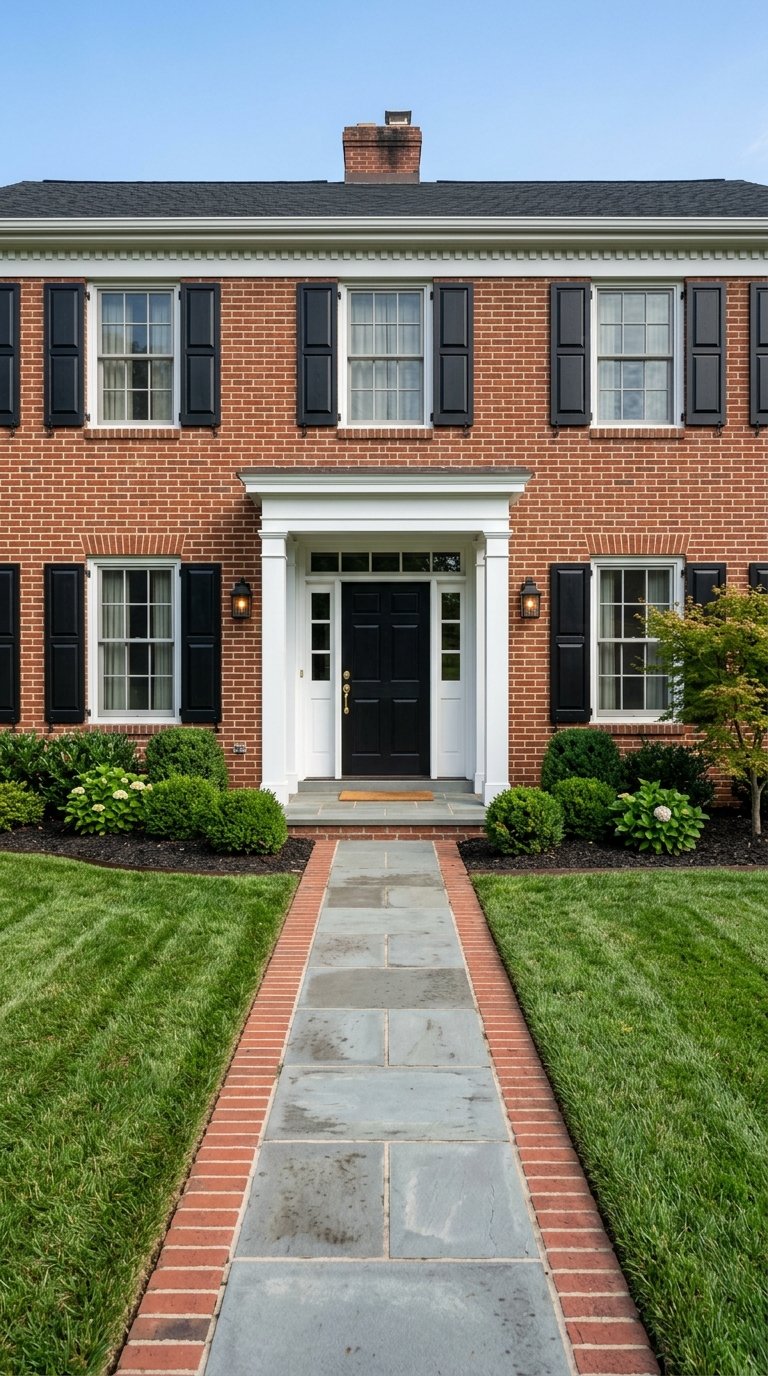
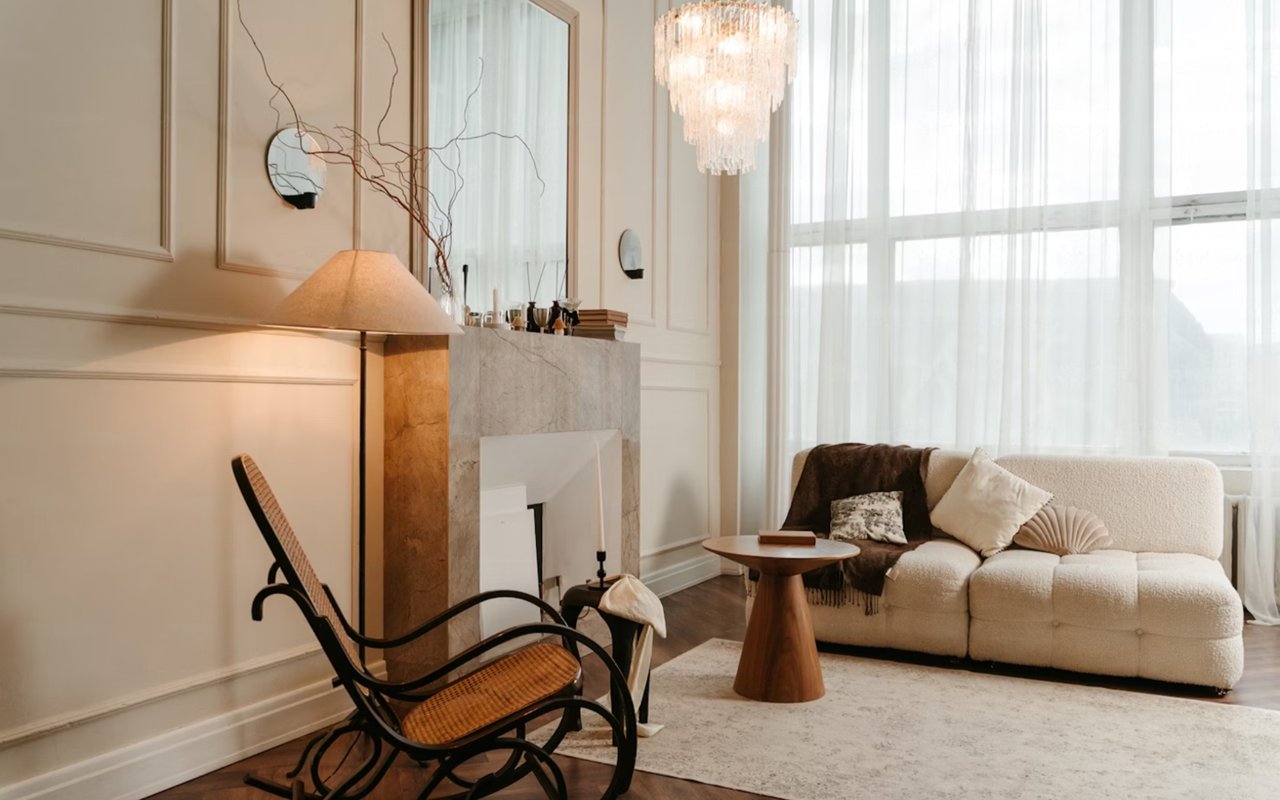
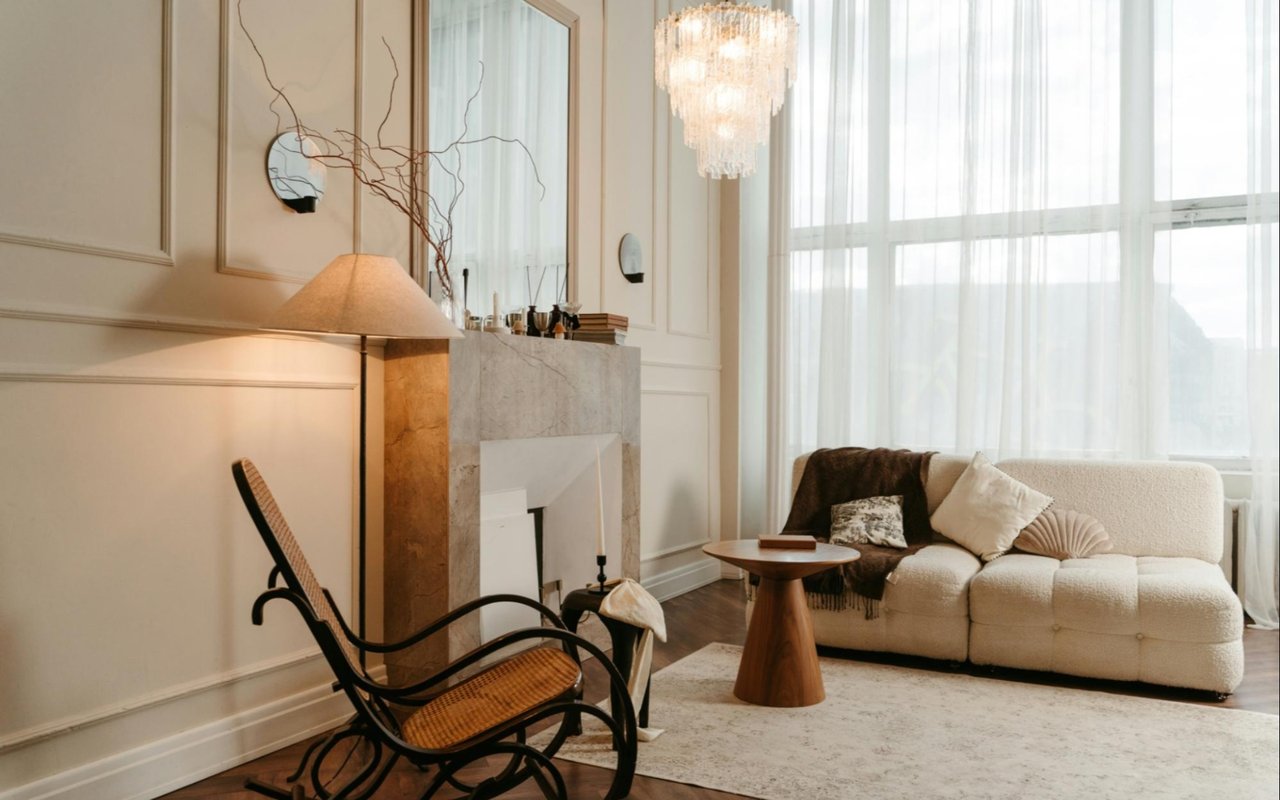
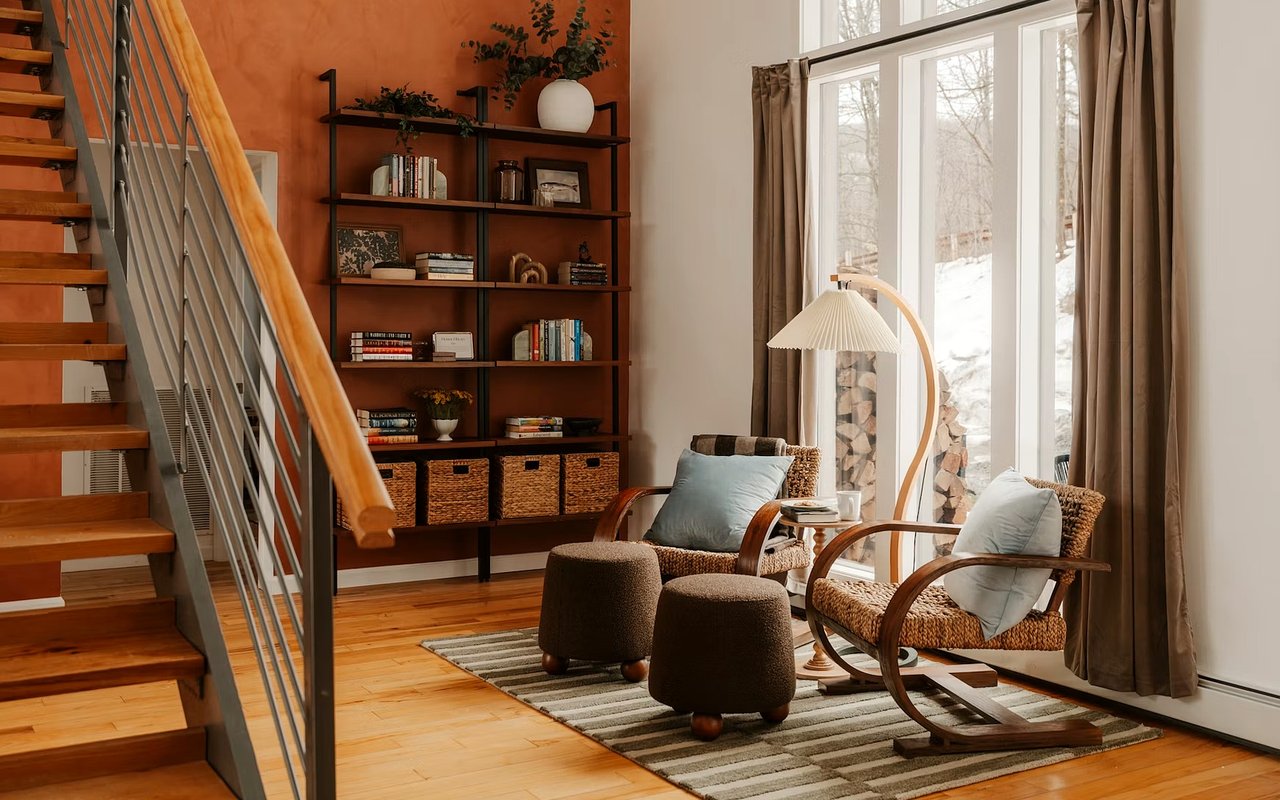
Alexandria's Federal-style rowhouses and Richmond's Fan District homes both favor tall, narrow windows that pull light deep into a room when nothing blocks them. Heavy drapery or furniture placed directly in front of one of these windows undoes most of that original design intent.
Details Worth Protecting Around Older Windows
- Sill-length curtains: Keep a tall window's full height visible rather than cutting it short.
- Furniture setback: Leaves the window's lower half clear for daylight to reach the floor.
- Original glass and trim: Often diffuses light differently than a modern replacement window.
Home lighting tips built around an older window's original proportions usually outperform a generic curtain length bought without measuring first. A little more measuring at the start saves a return trip to the store later.
Layer Lighting Instead of Relying on One Fixture
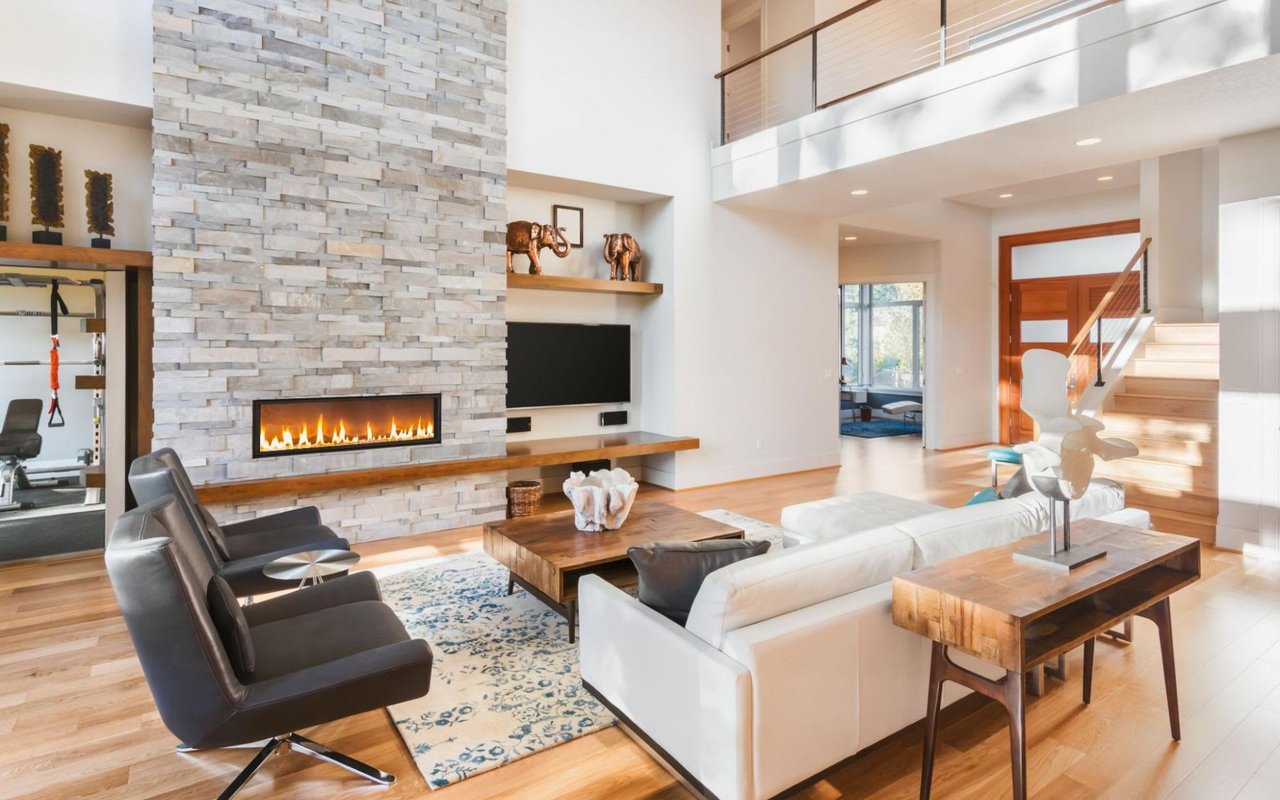
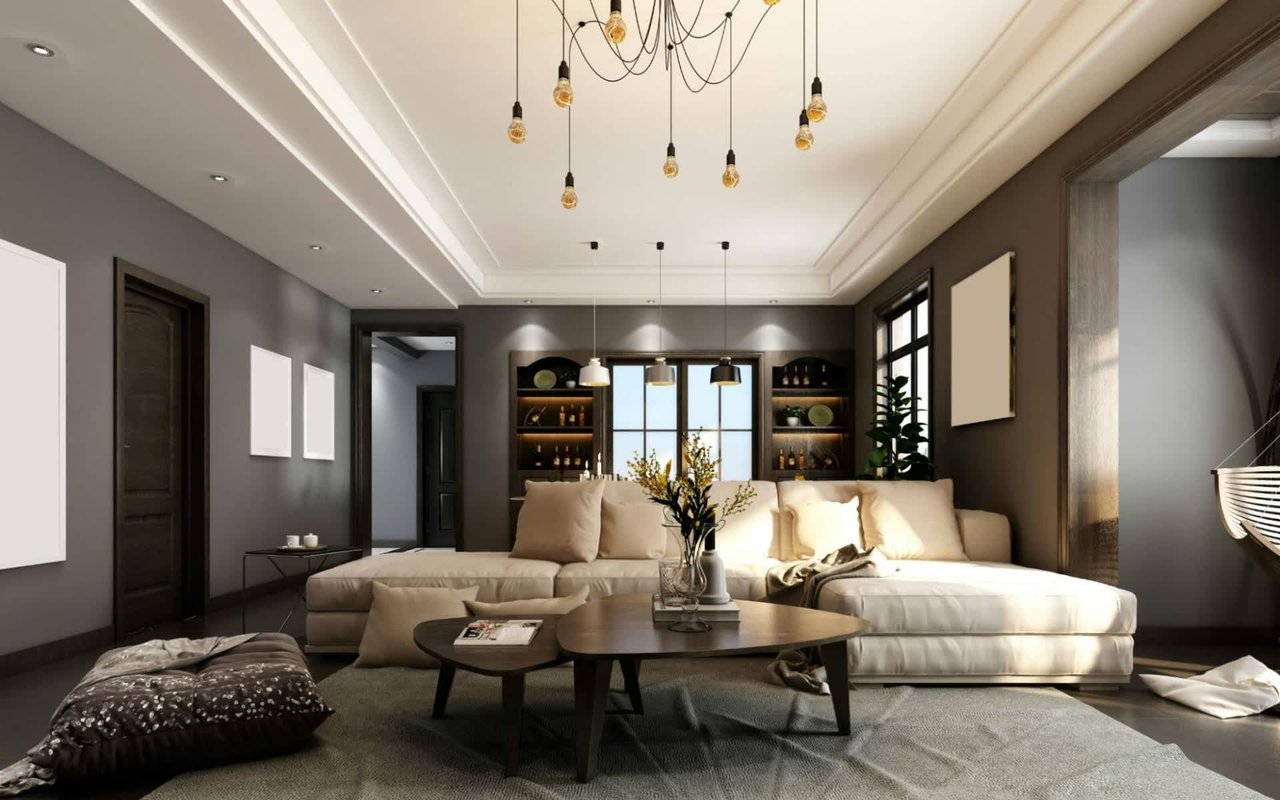
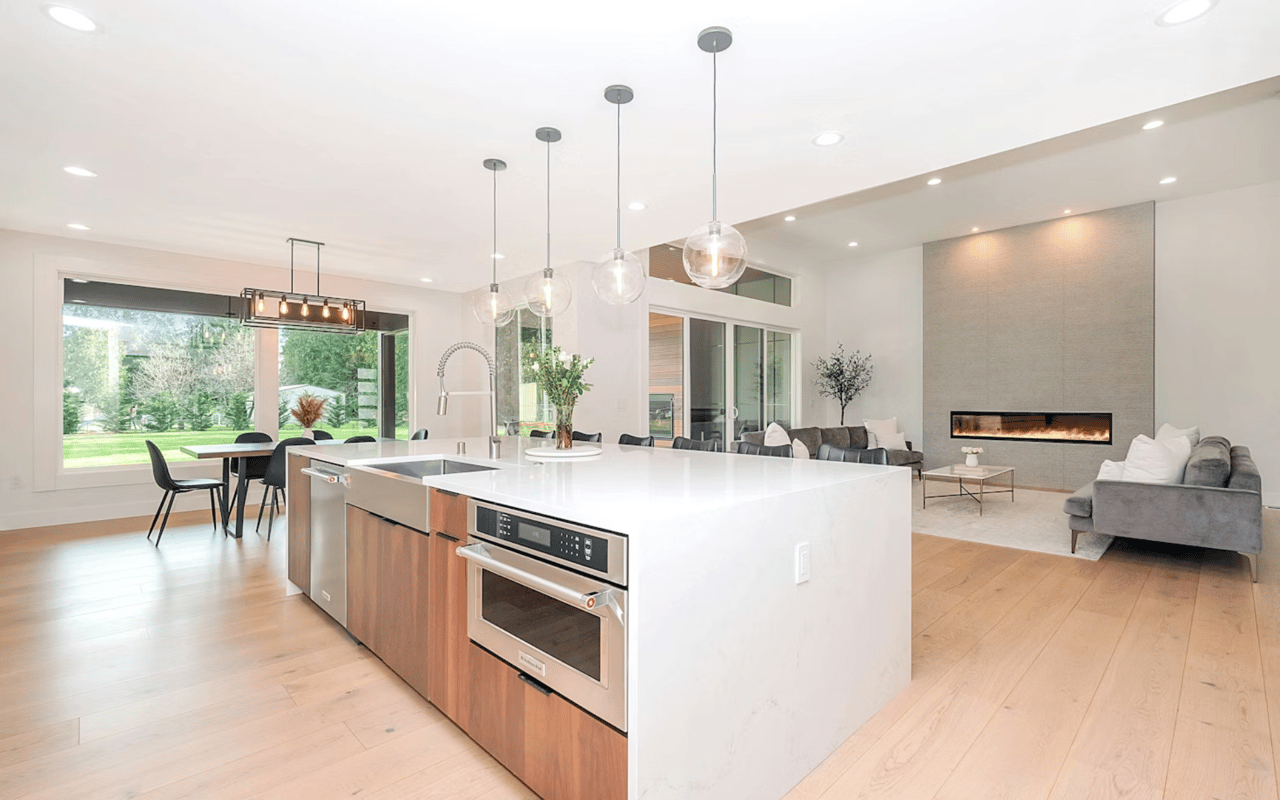
A single ceiling fixture rarely covers a room's full range of use, from reading in a corner to hosting a dinner at the table. Layered lighting spreads that job across several sources instead of asking one bulb to do everything.
Layers Worth Building Into a Room
- Ambient lighting: Covers general brightness across the whole room, usually from an overhead fixture.
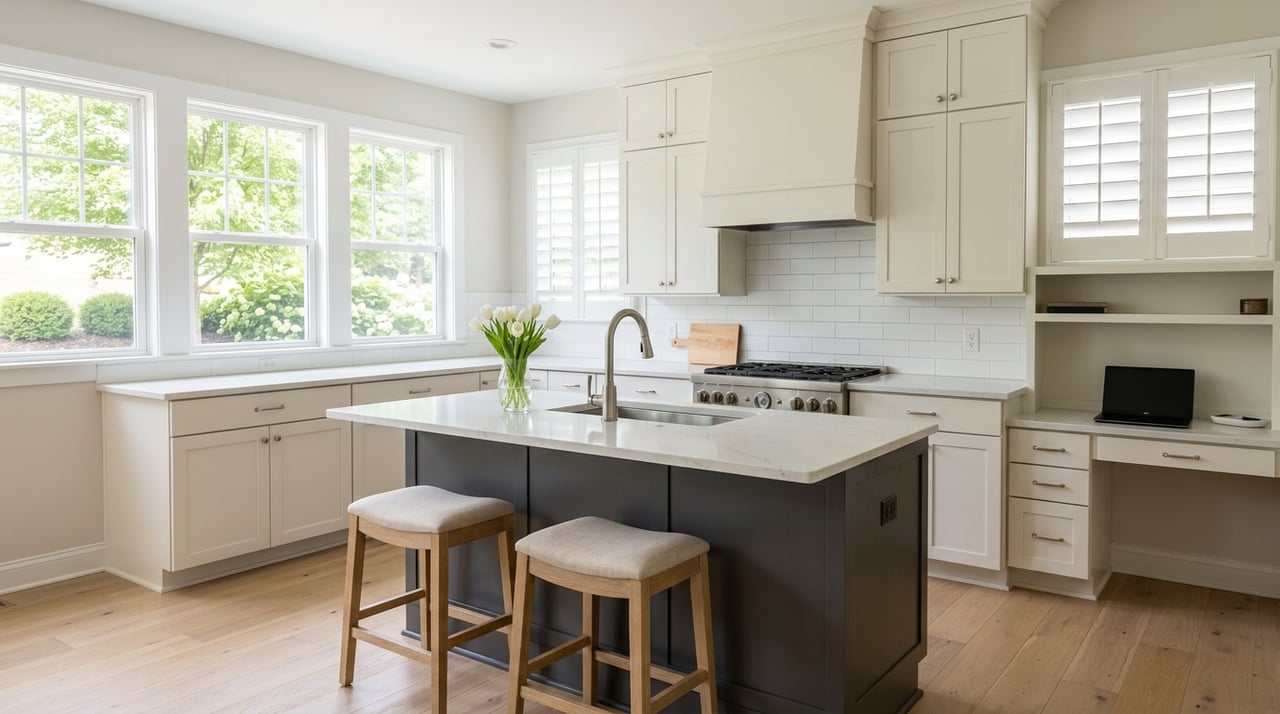
- Task lighting: Focuses closer to a desk, counter, or reading chair where detail work happens.
- Accent lighting: Highlights art, shelving, or an architectural feature within the room.
A room with these three layers separated tends to adjust more easily from morning to evening than one lit by a single switch. A dimmer on each layer stretches that flexibility even further across a single day.
Highlight Original Architectural Details With Light
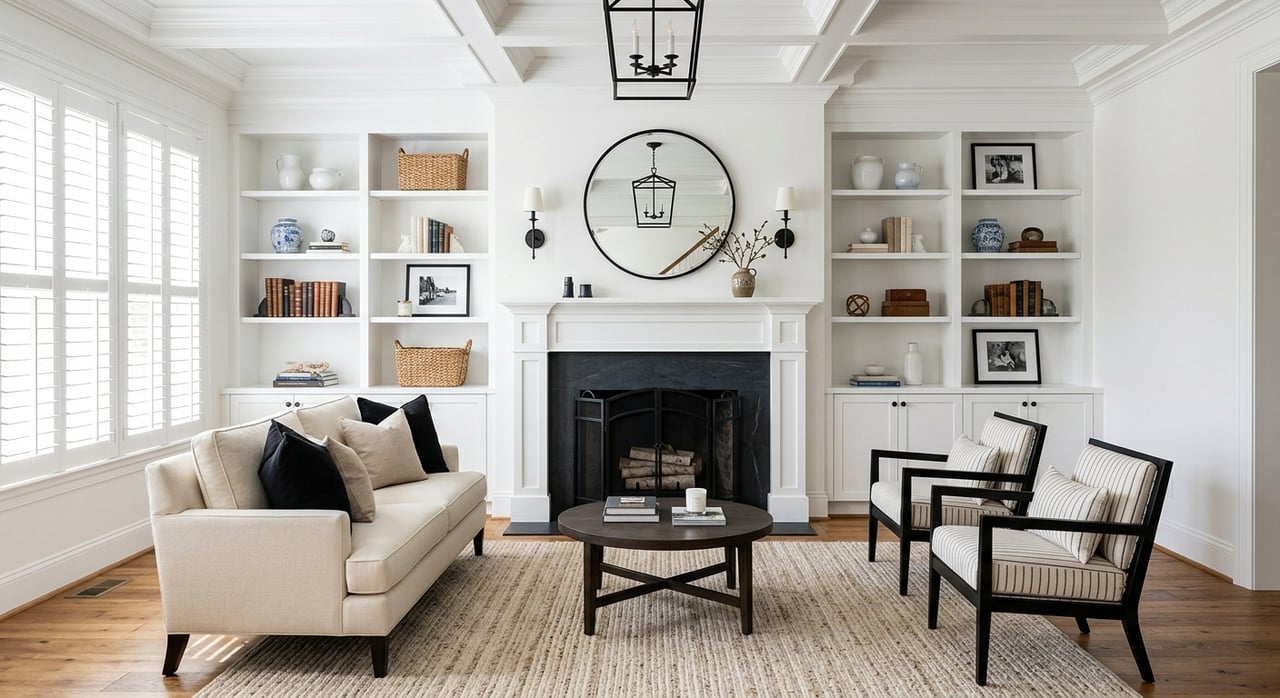
Original moldings, a fireplace mantel, or built-in shelving often disappear into shadow once the sun goes down, even in a room that looked bright all afternoon. A small accent fixture aimed at one of these features keeps that character visible after dark.
Features Worth Lighting After Dark
- Crown molding and trim: Catches shadow nicely under a low-angle accent light.
- Fireplace mantels: Become a focal point again once lit separately from the room's general lighting.
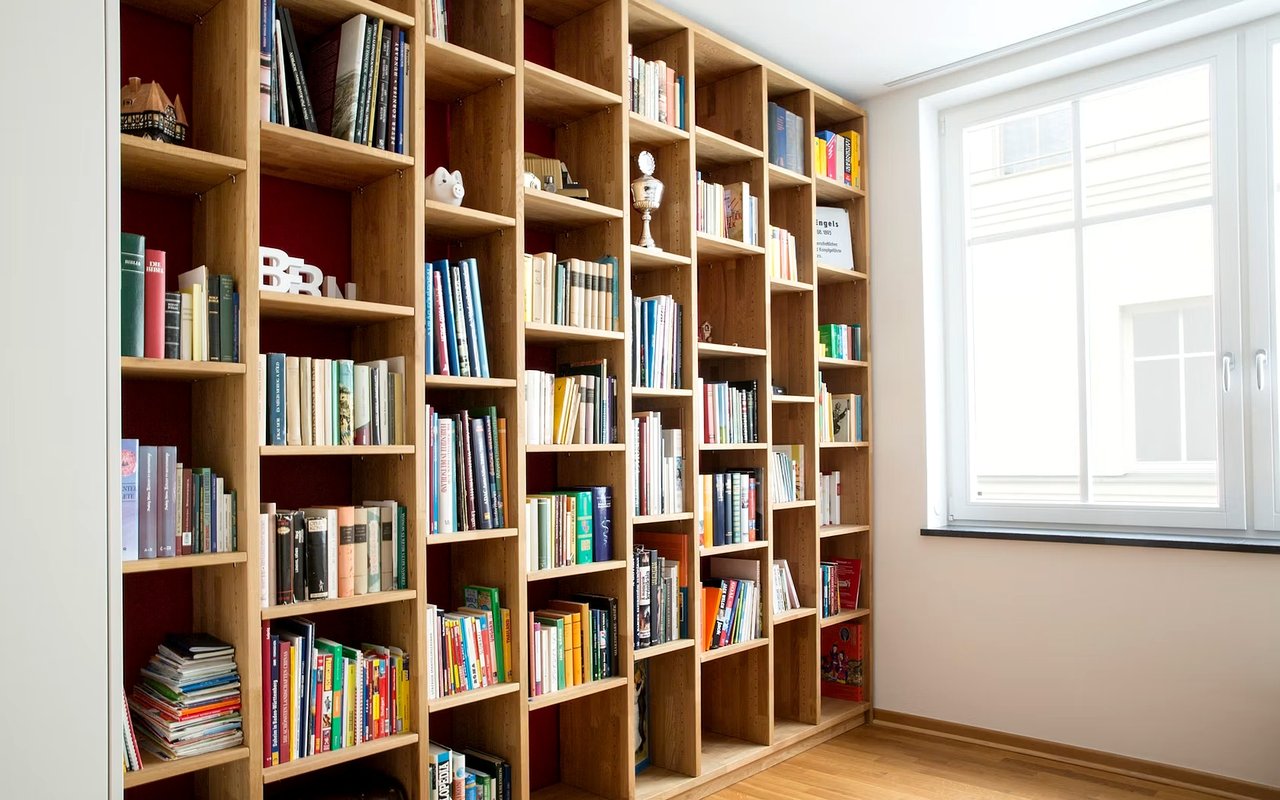
- Built-in shelving: Reads as more finished with a small light tucked along the top shelf.
A feature lit on its own draws the eye even in a fully furnished room. A well-placed accent fixture like this often does more for a room's character after dark than any single piece of furniture.
FAQs
What Home Lighting Tips Help Most in an Older Virginia Home?
A tall window's original proportions, kept clear of heavy drapery, along with accent light on architectural details, both go a long way in an older home. Layered lighting also compensates for rooms that were originally designed around candlelight rather than electric fixtures.
How Many Light Sources Should a Living Room Have?
Most living rooms benefit from at least three layers: an ambient source, a task light near a reading spot, and an accent light on a feature worth highlighting. A dimmer on each layer adds flexibility without requiring additional fixtures.
Does Furniture Placement Really Affect a Room's Lighting?
Furniture placed directly in front of a window or light source blocks a surprising amount of natural or fixture light from reaching the rest of the room. A short furniture reset often improves a room's lighting more than buying a new fixture would.
Reach Out to Us
A room's lighting plan often reveals itself during a walkthrough long before a single bulb gets replaced, whether that means a Fan District bay window or a Federal-style alcove built for candlelight.
Reach us today at Choose Wisely Group, and we will make sure every property on the list gets that kind of attention.
Reach us today at Choose Wisely Group, and we will make sure every property on the list gets that kind of attention.